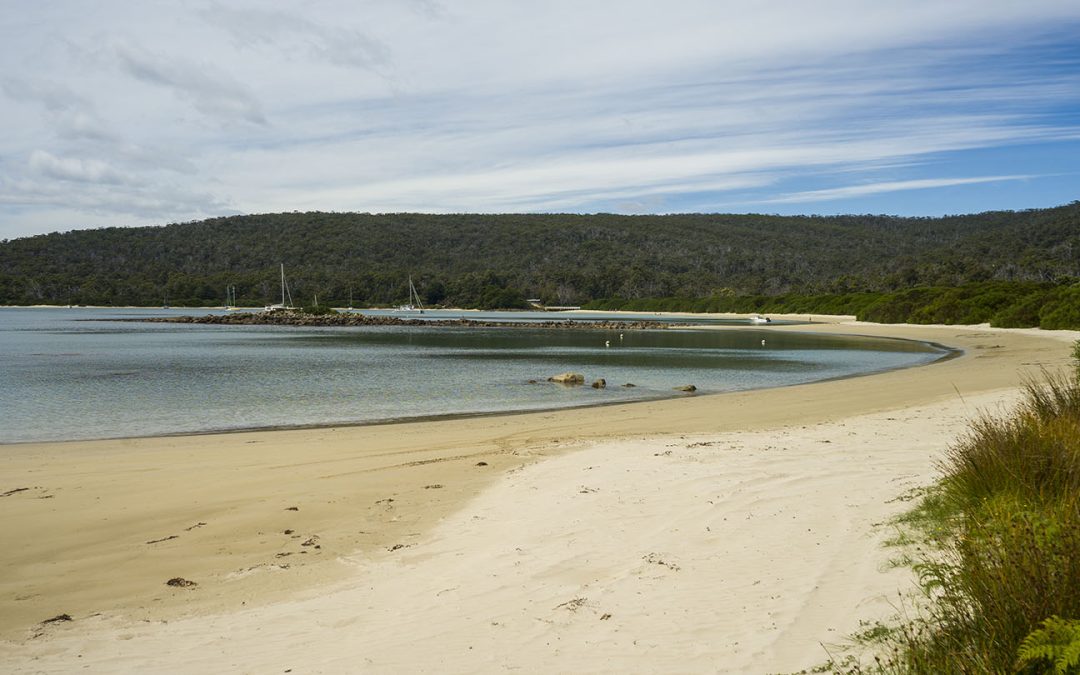
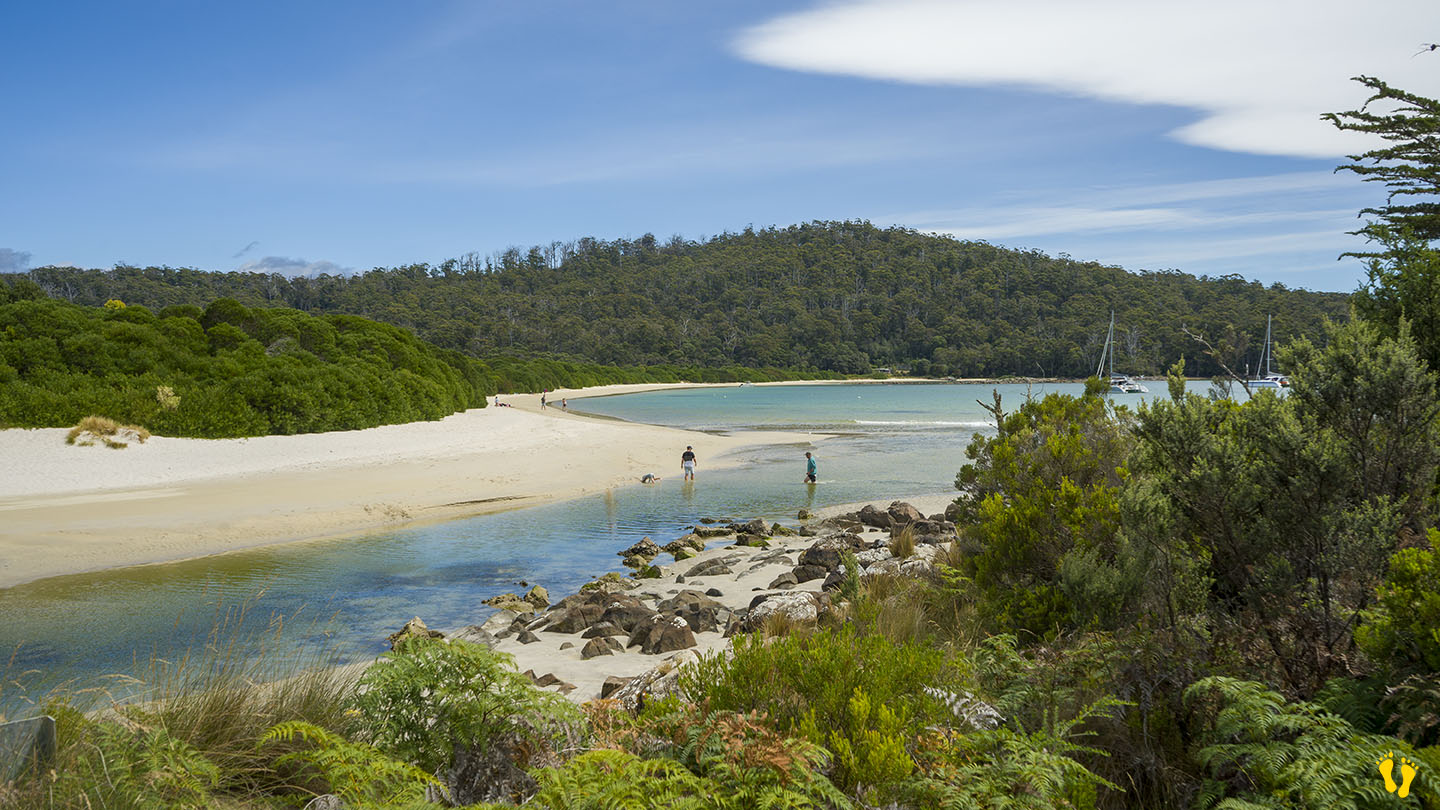
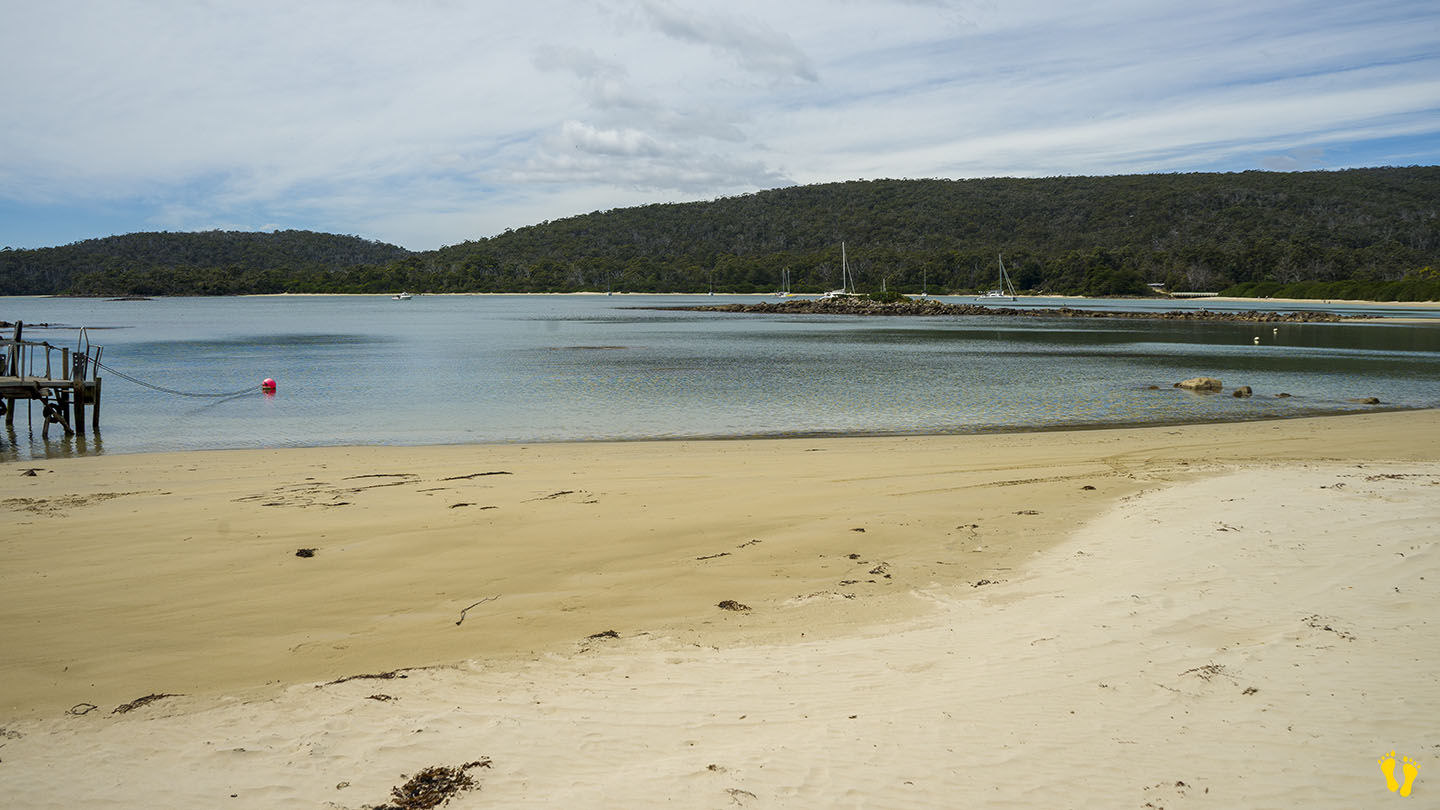
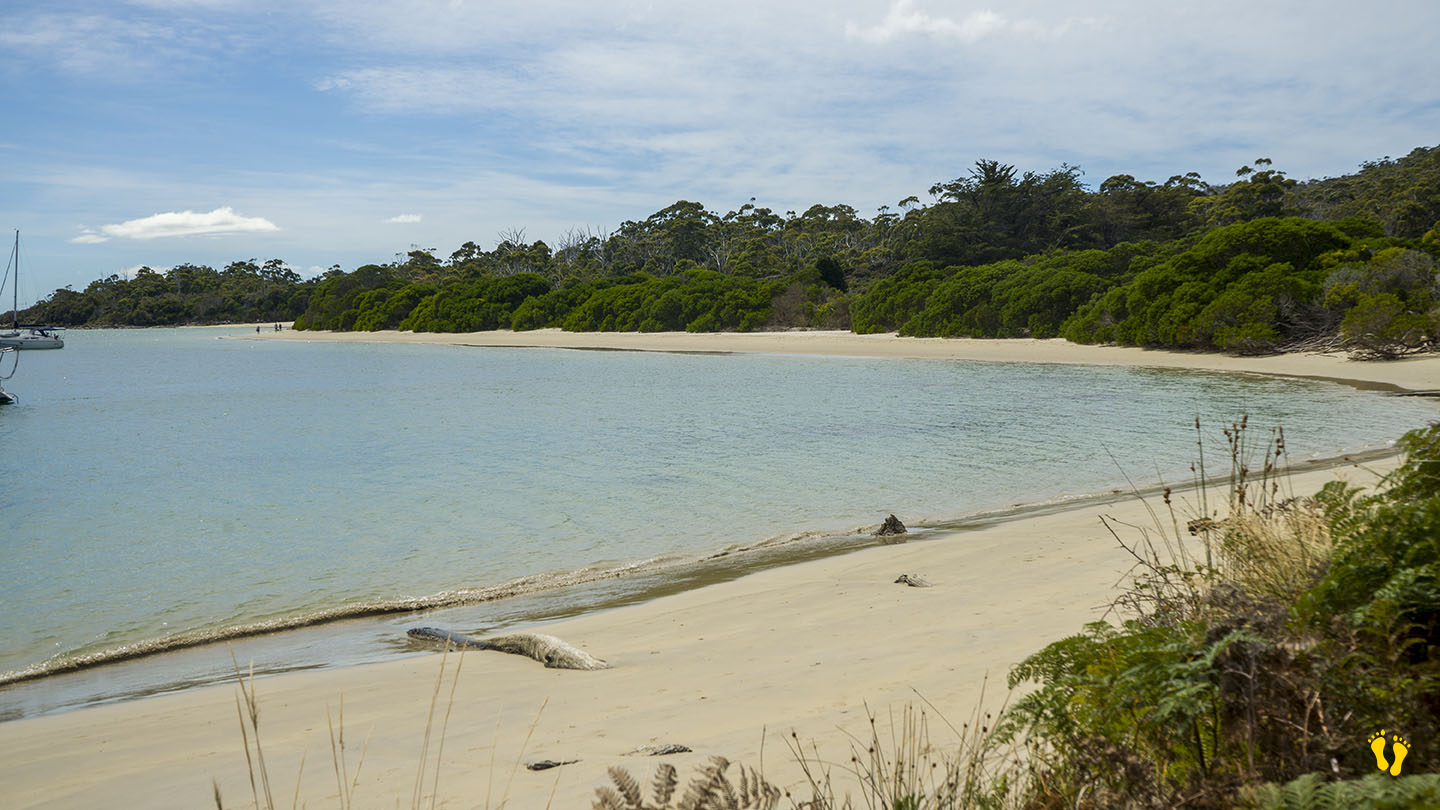
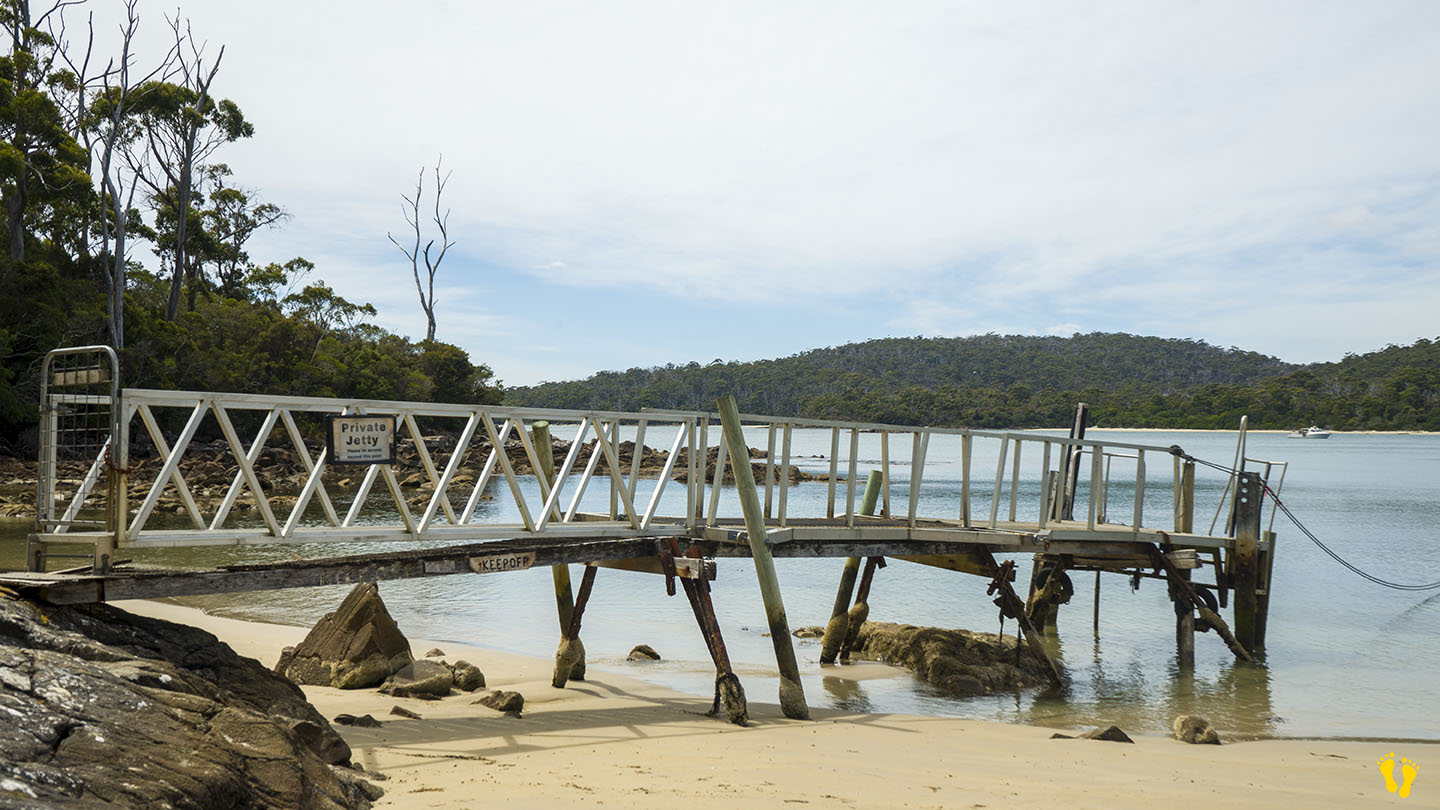
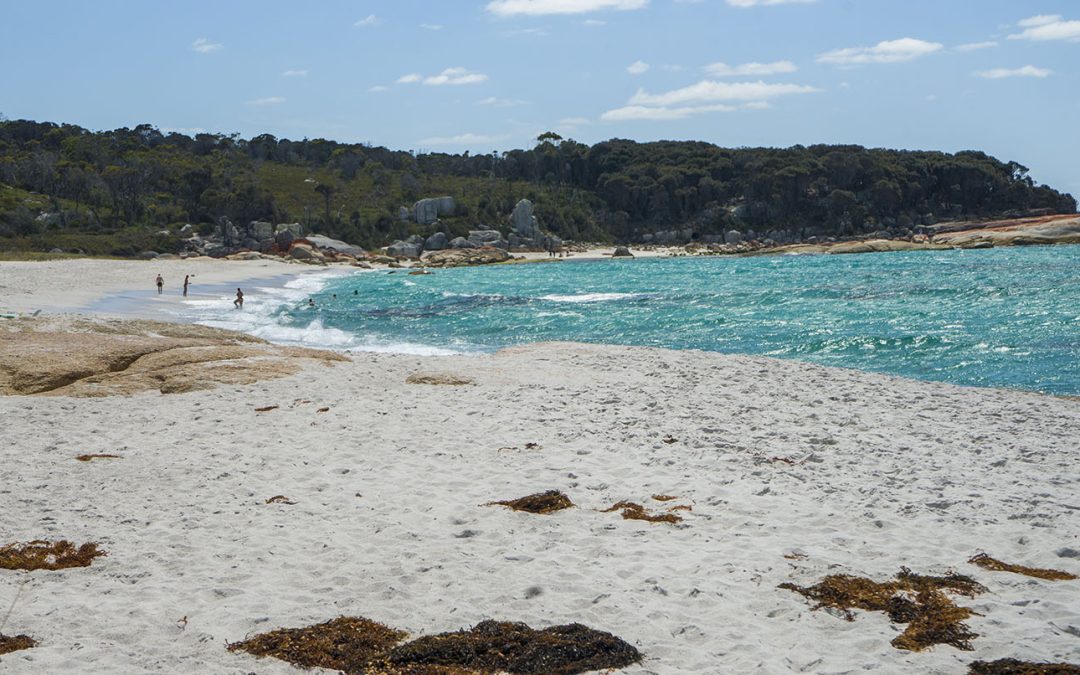
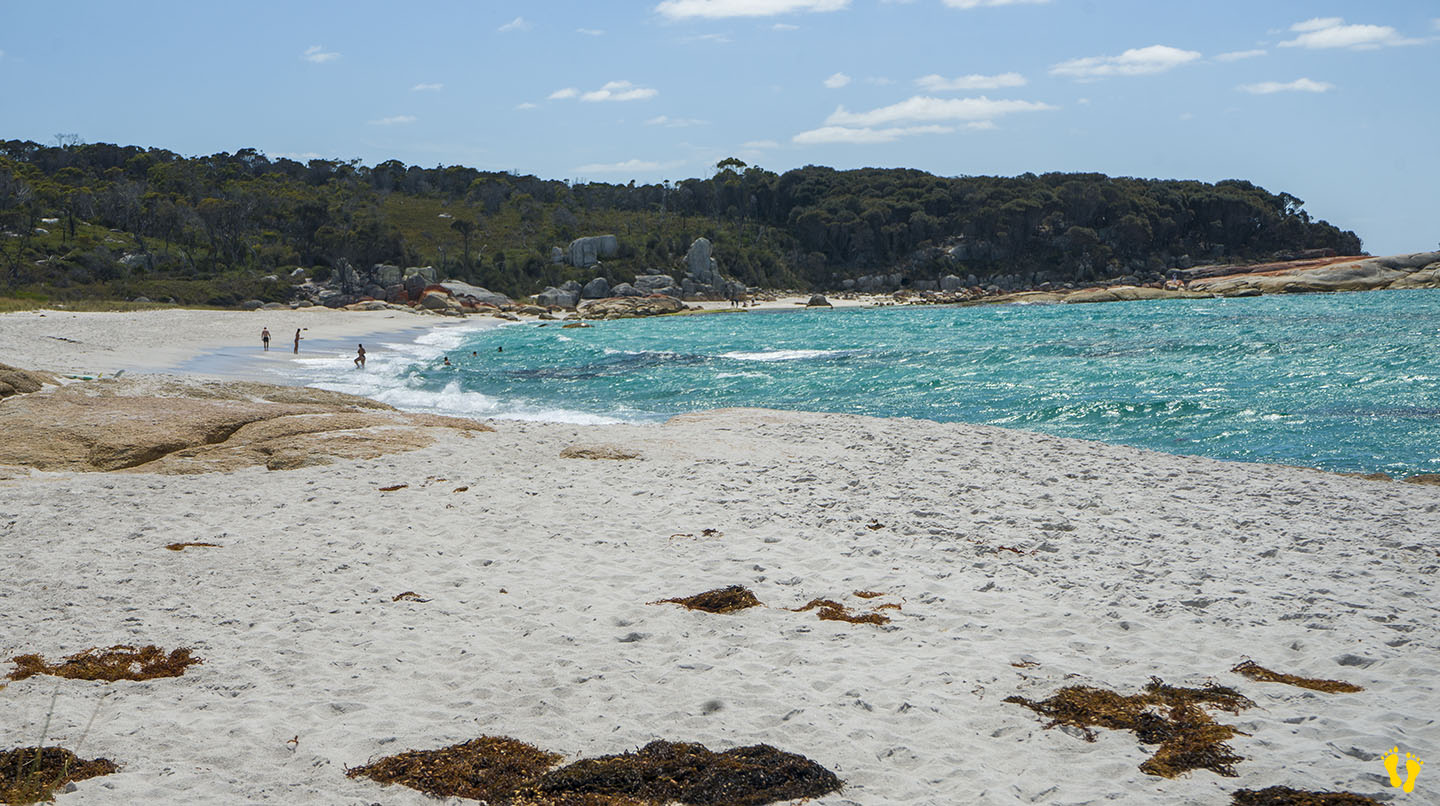
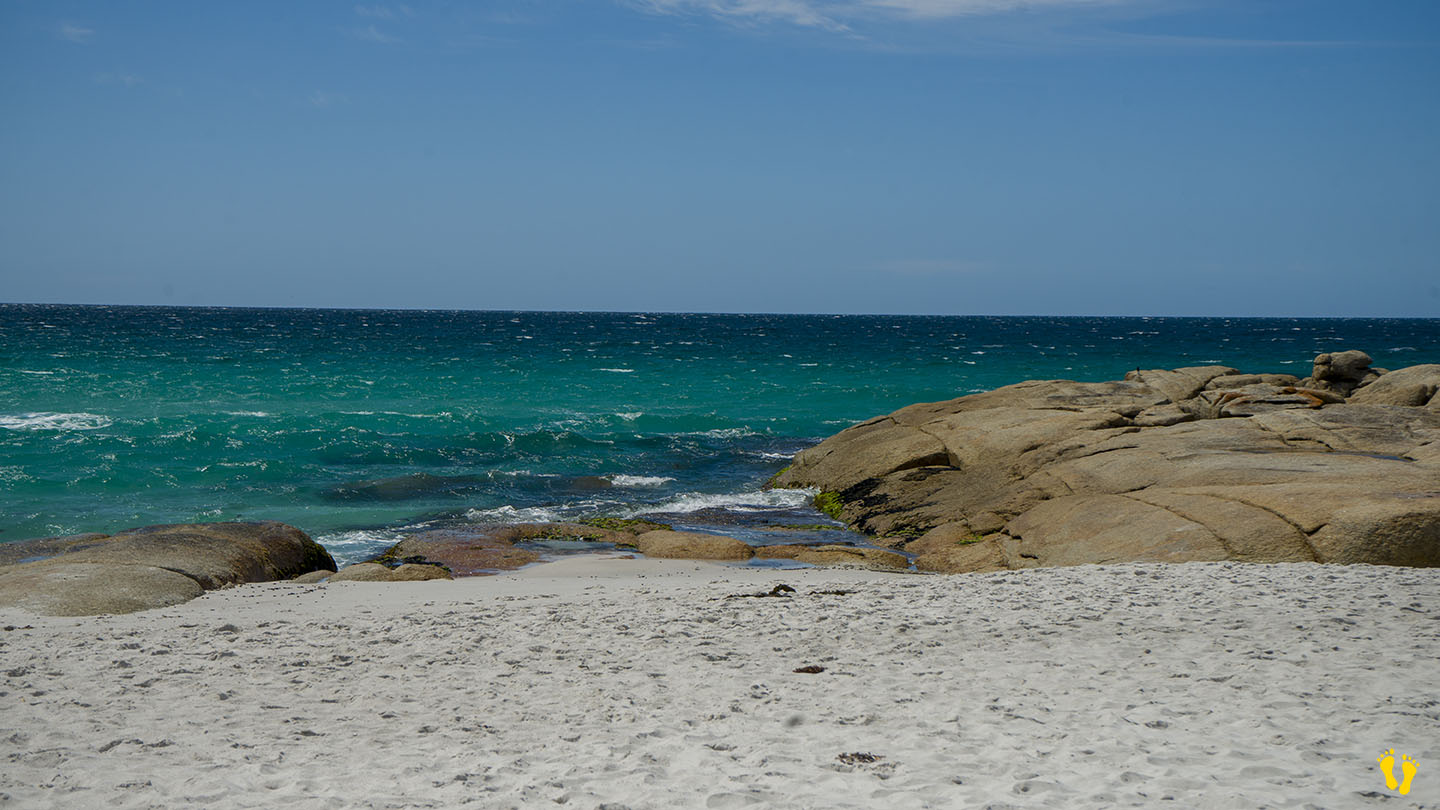
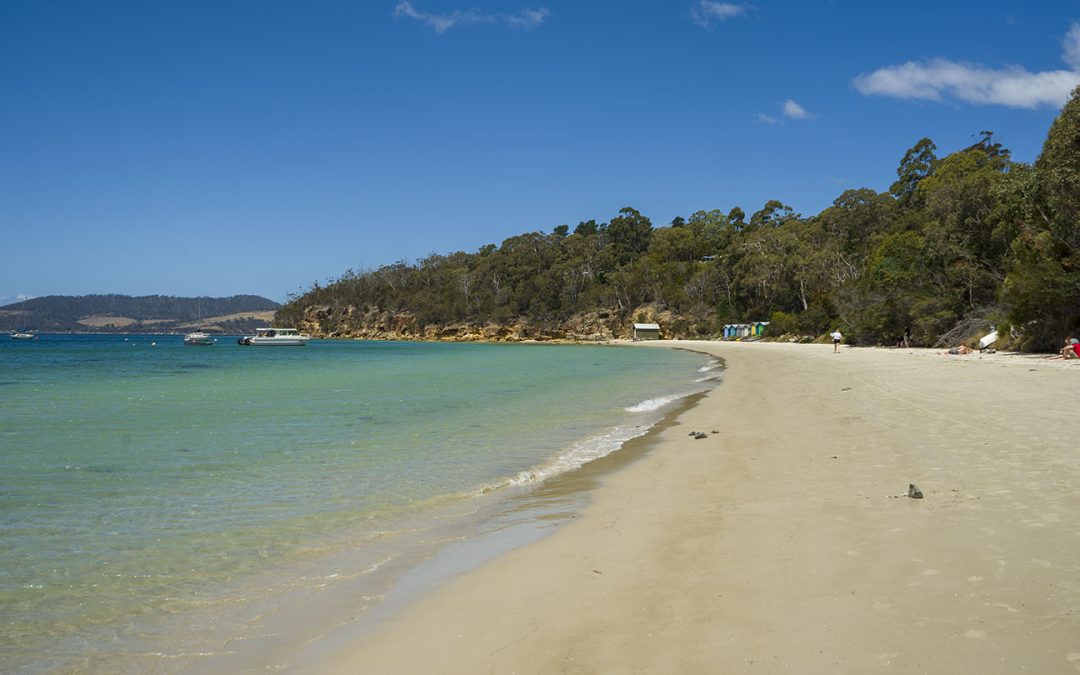
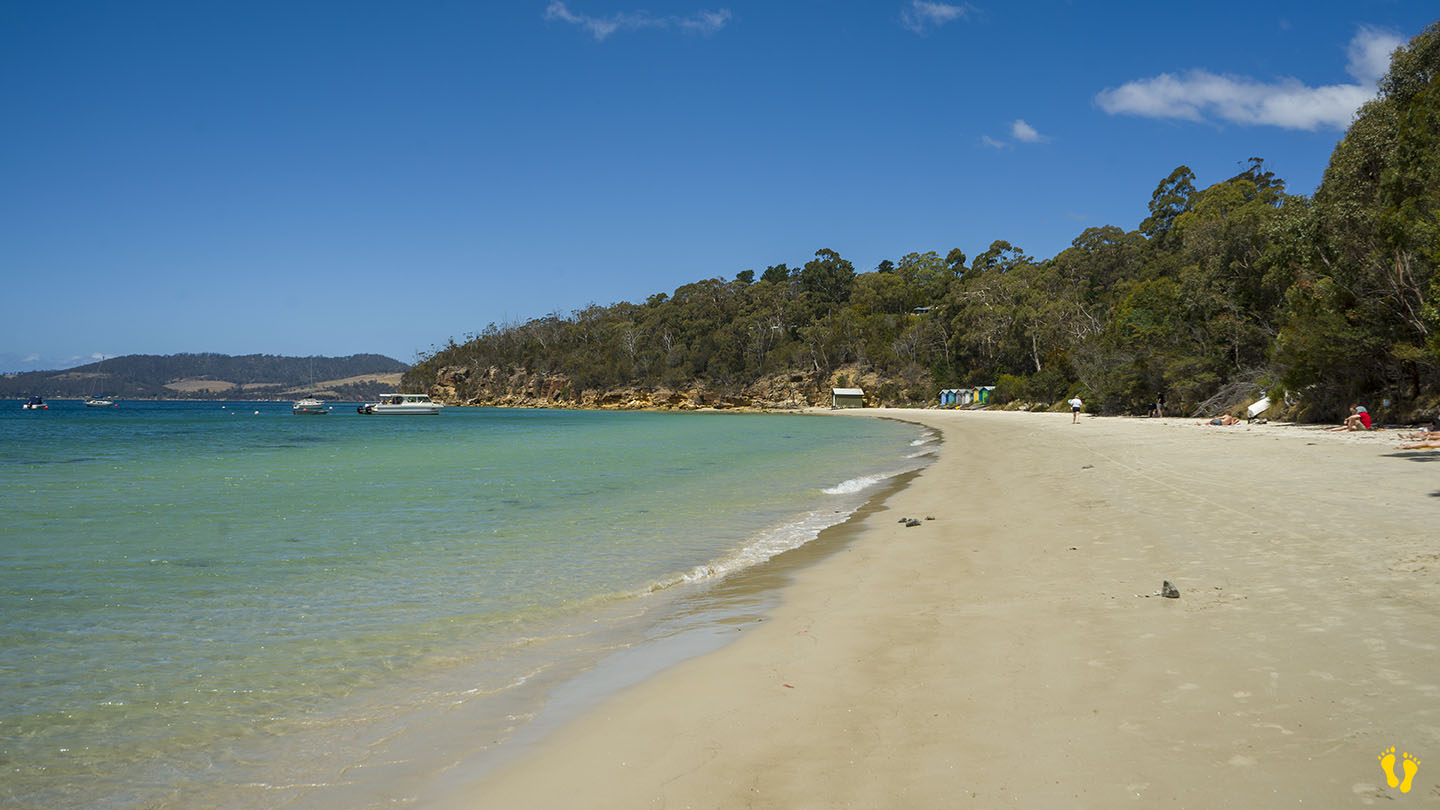
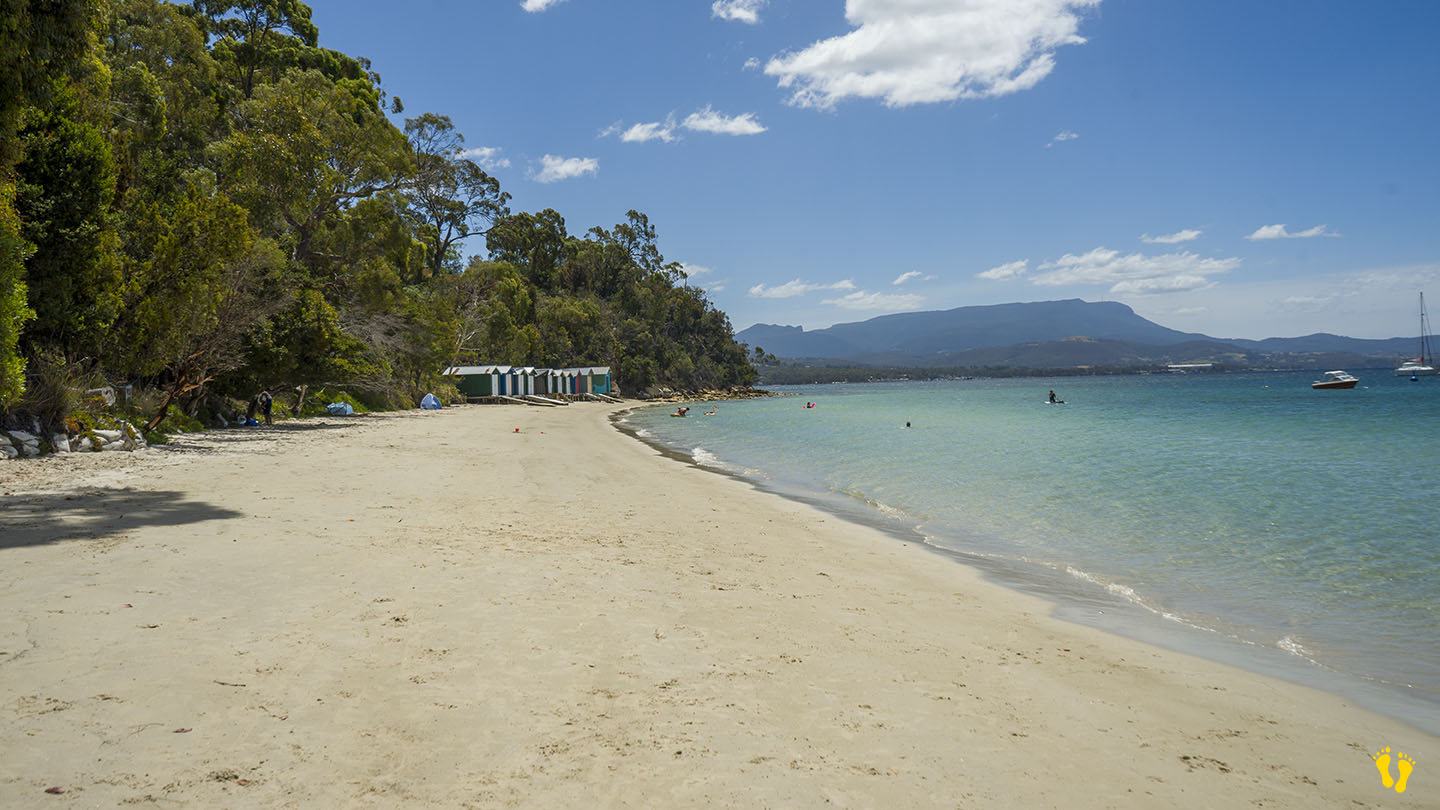
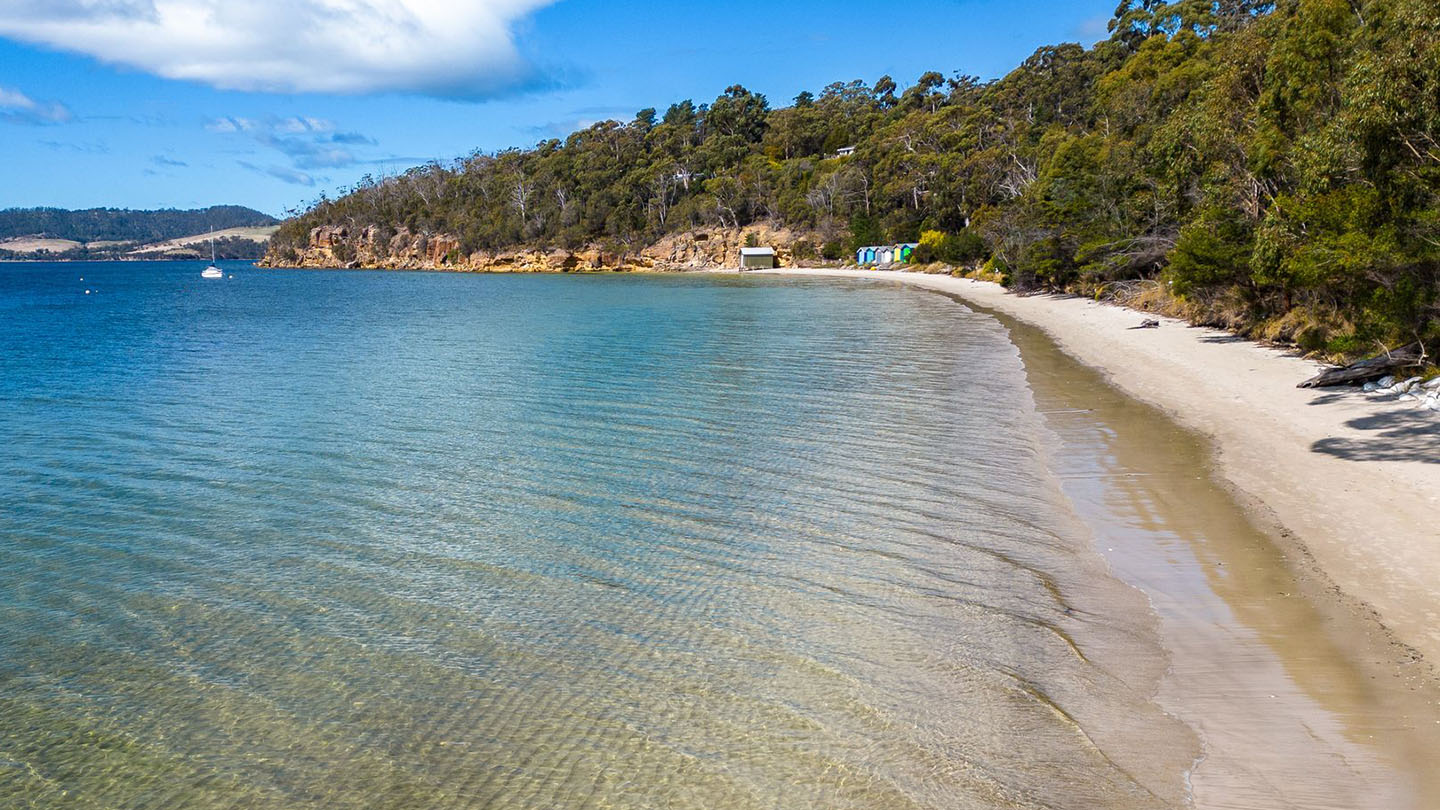
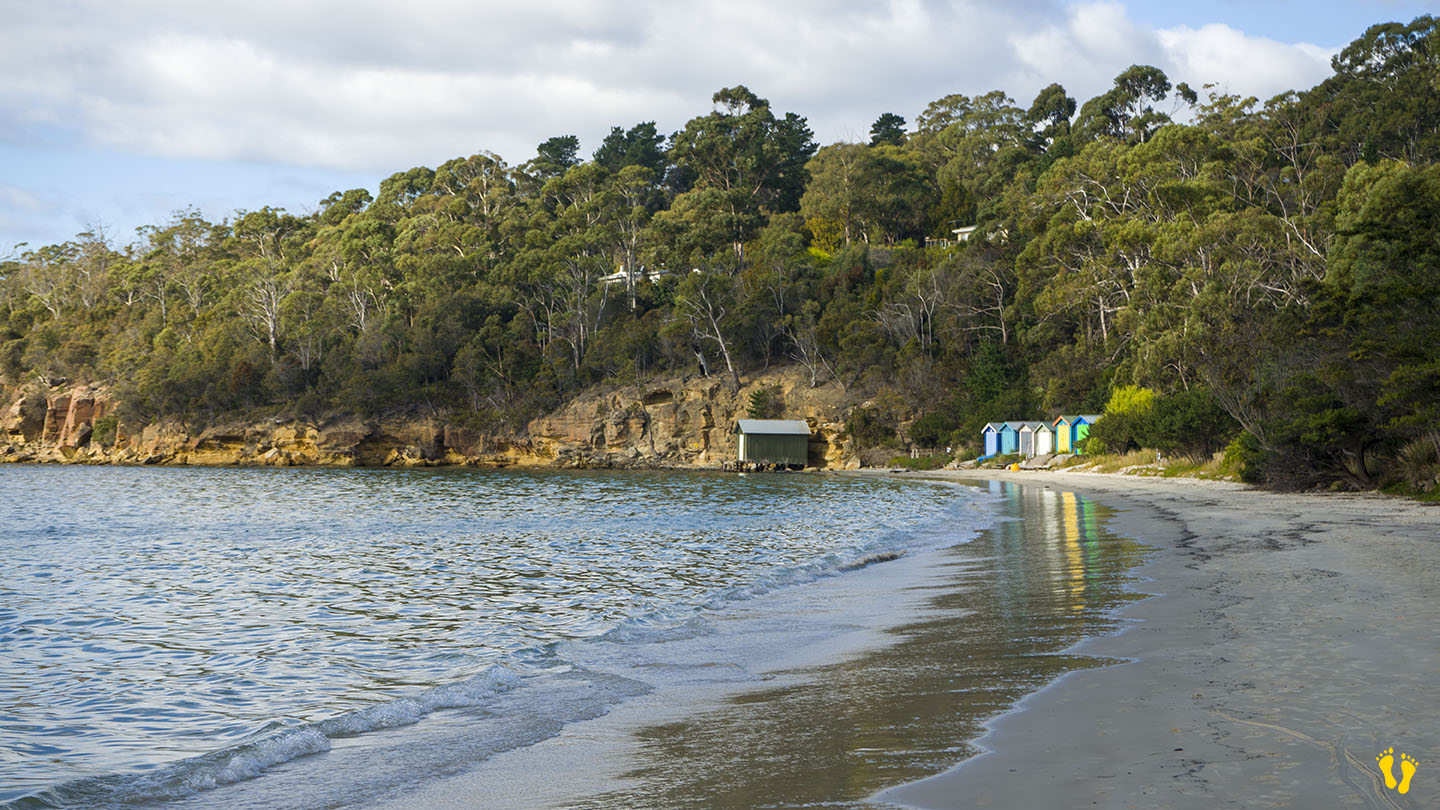
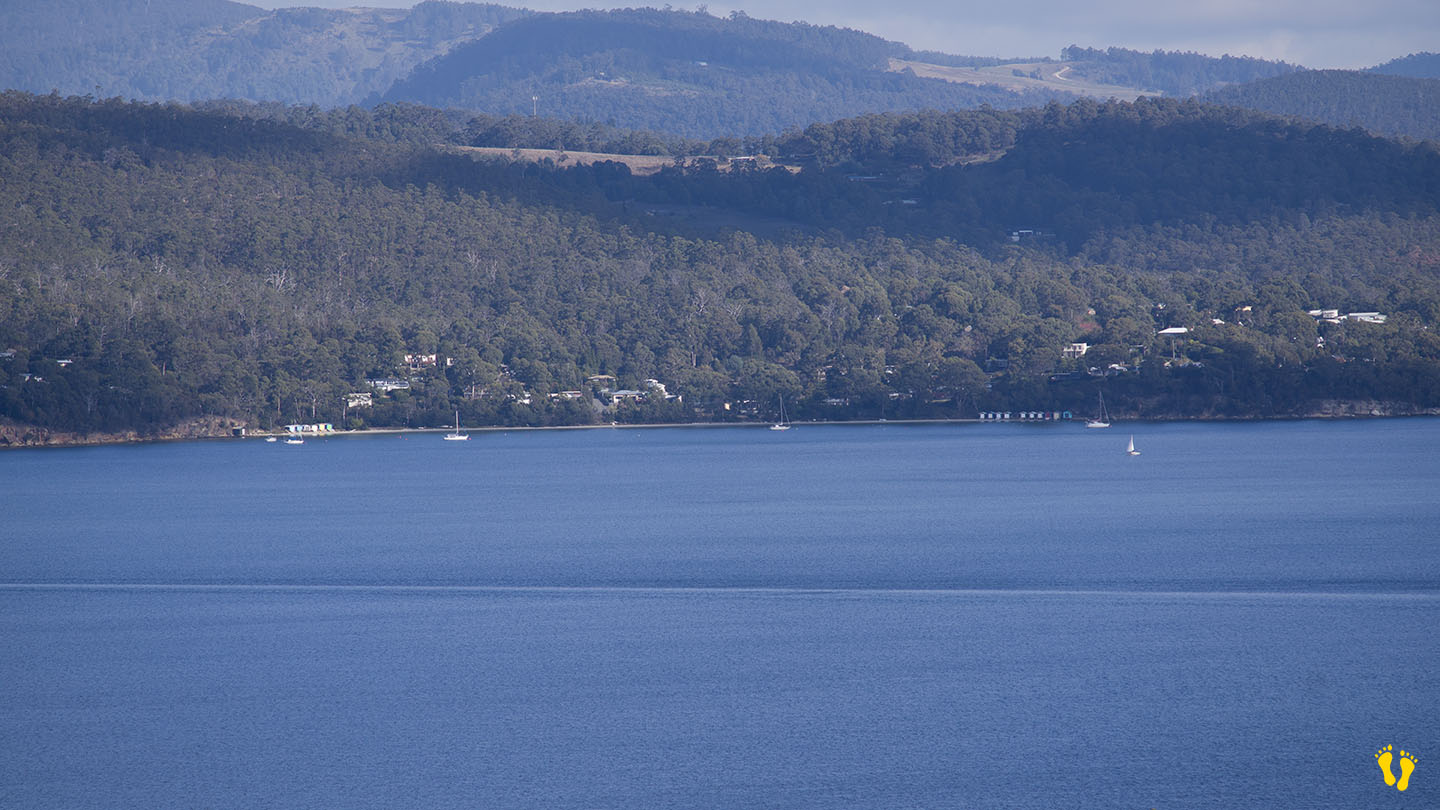
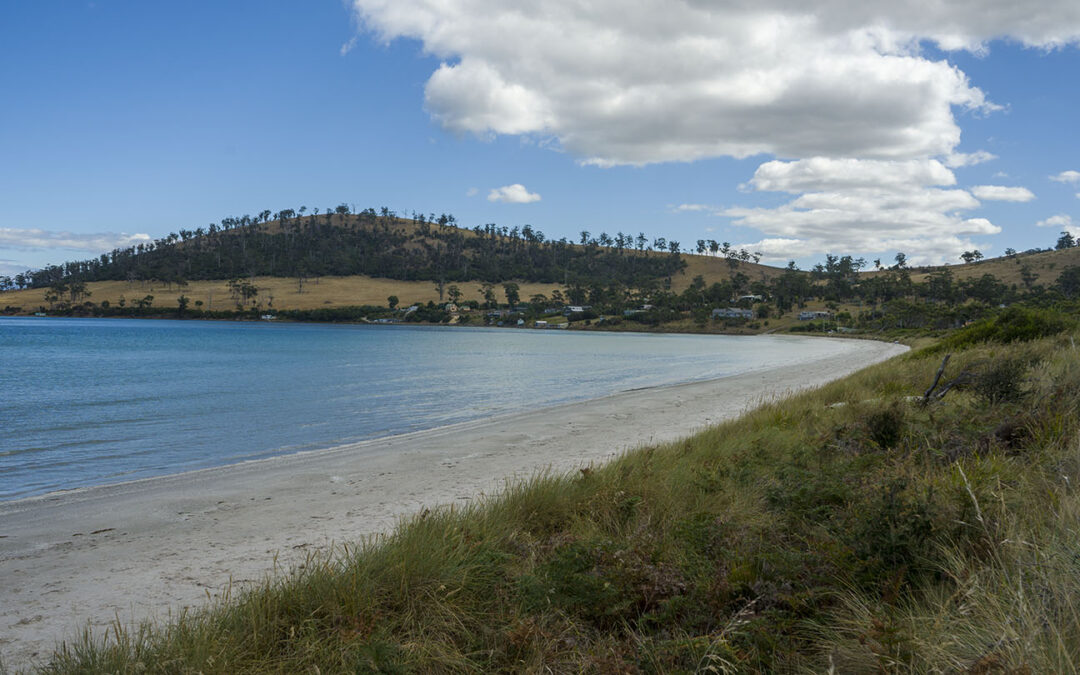
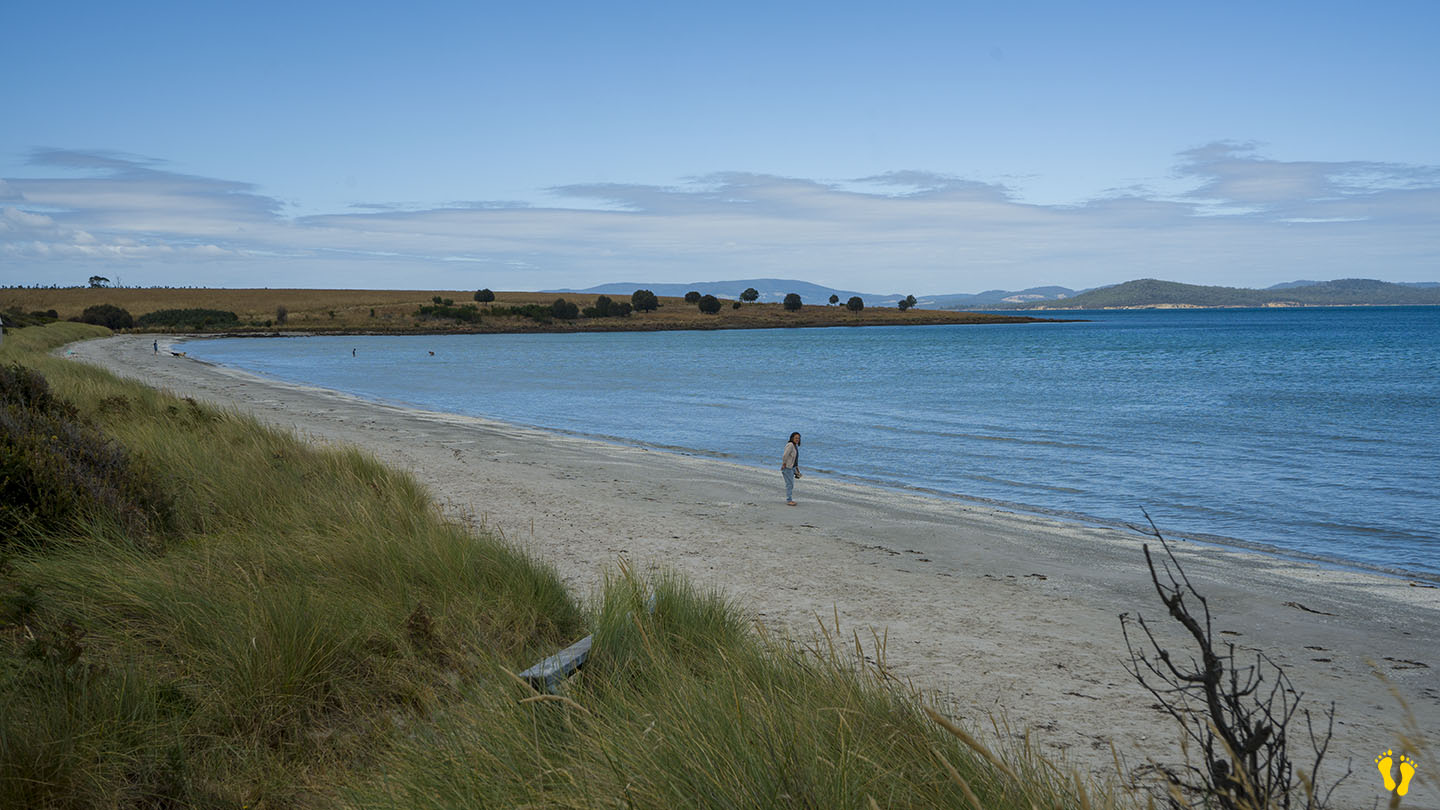
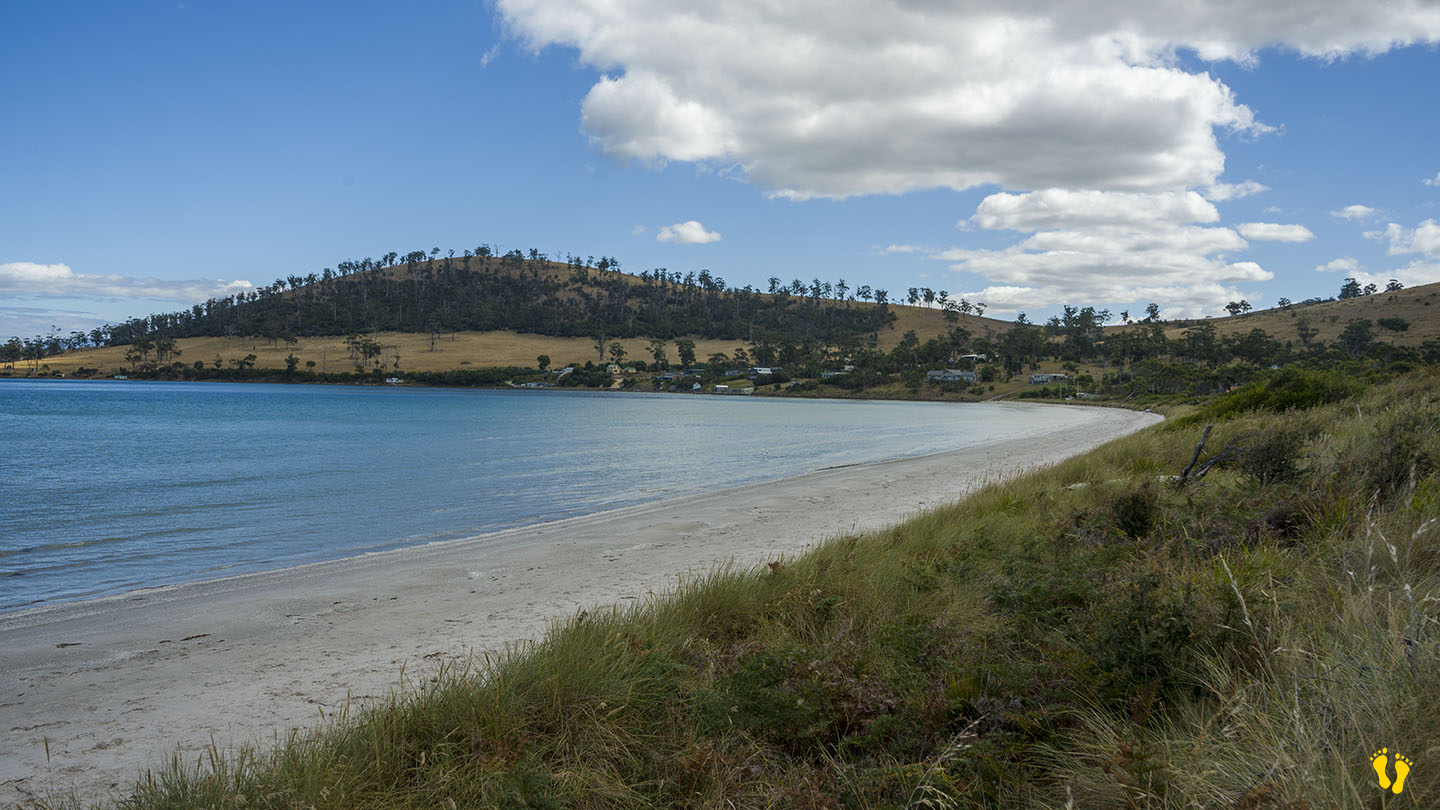
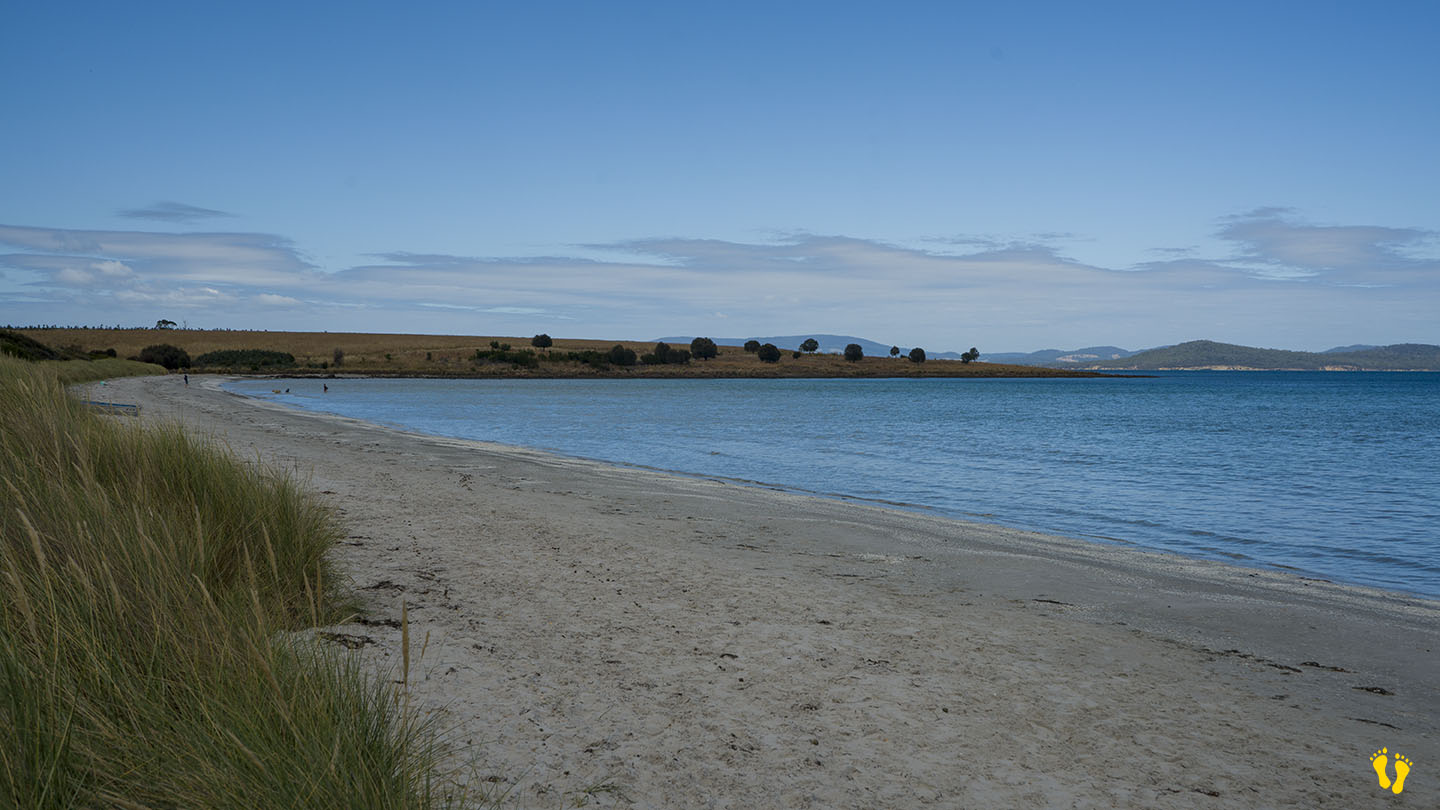
Located in a rugged and isolated part of Tasmania with stunning views
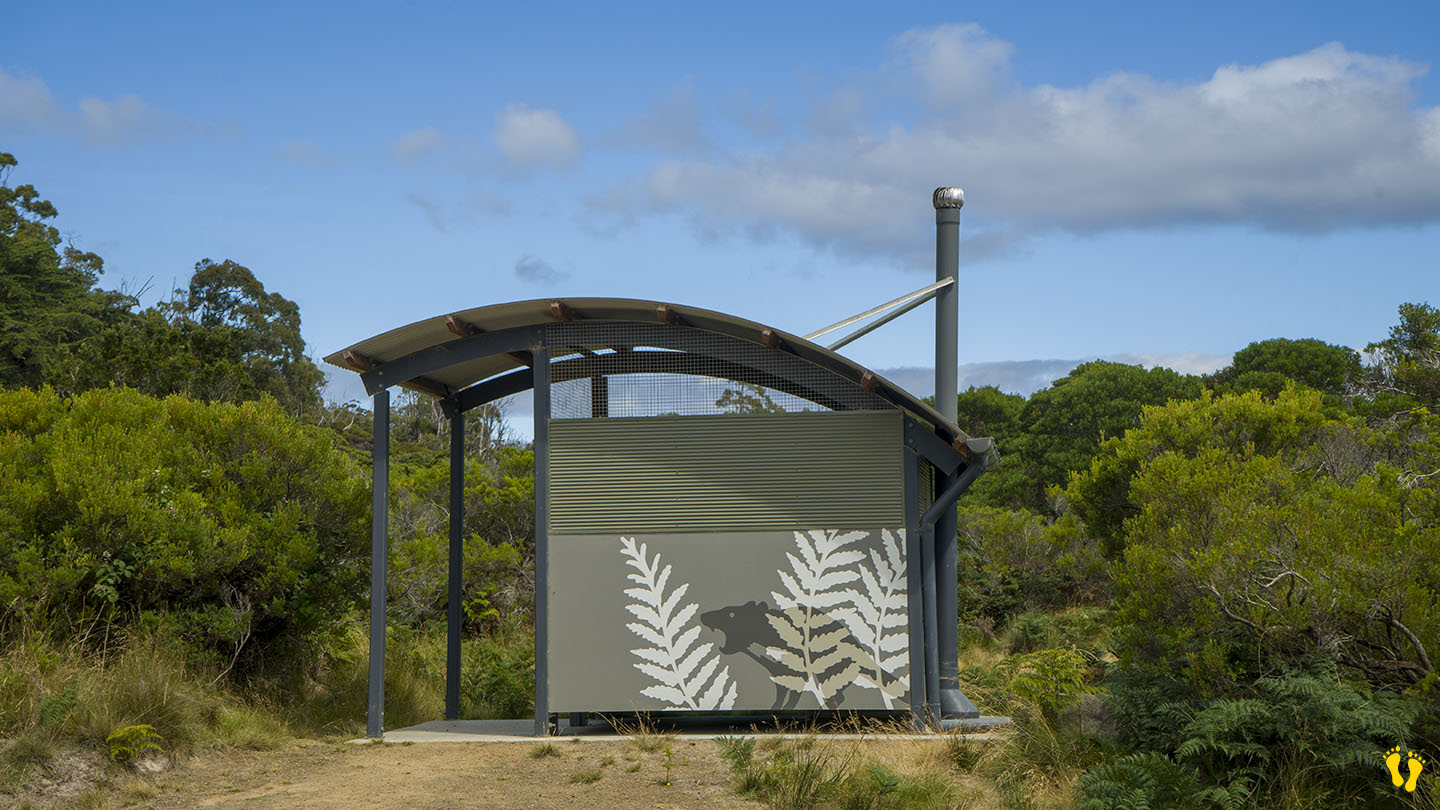
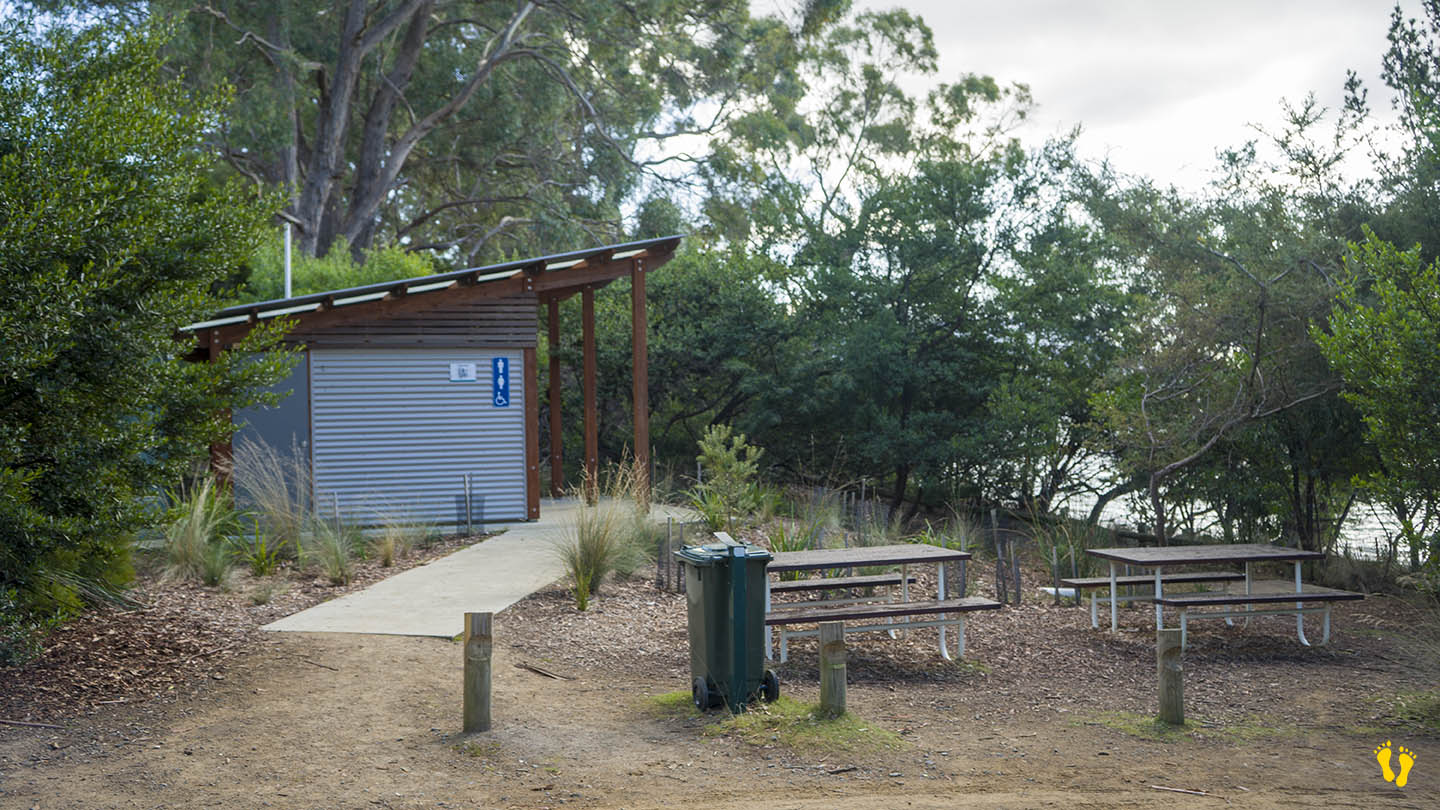
Basic amenities
Protected from south/southwest weather
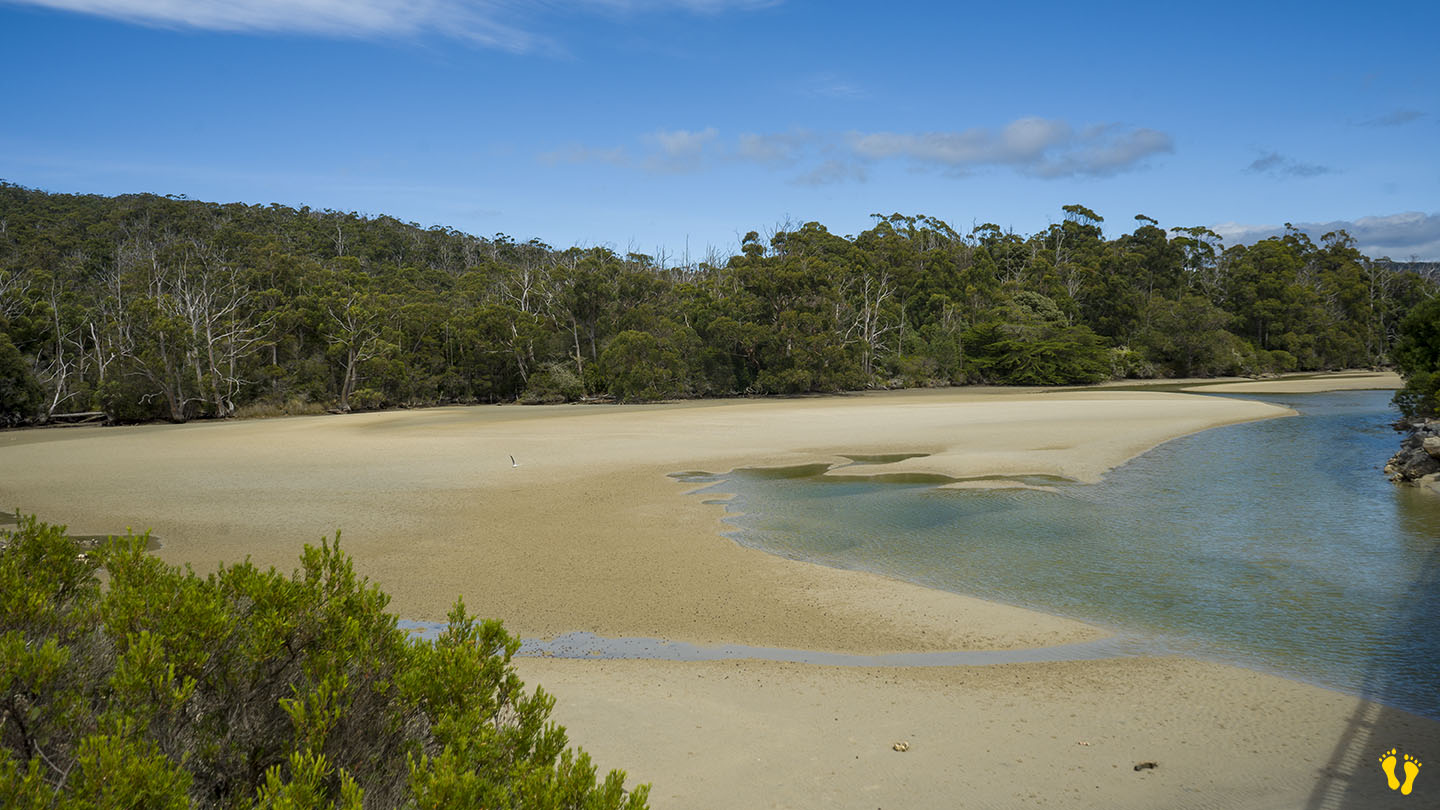
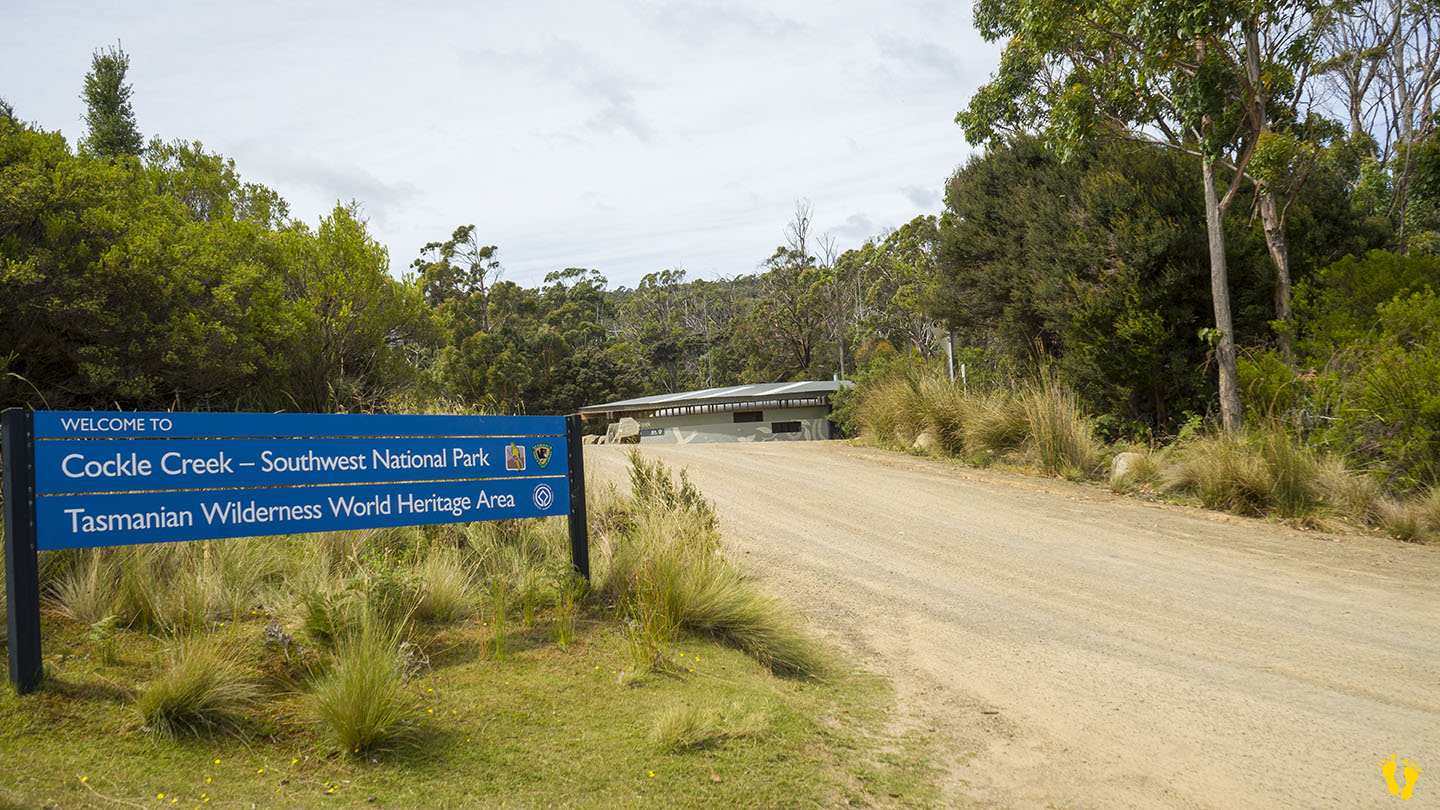
The beach is made up of | Sayers Beach | Motts Beach | and Cockle Creek Beach which I have grouped as one under Cockle Creek.
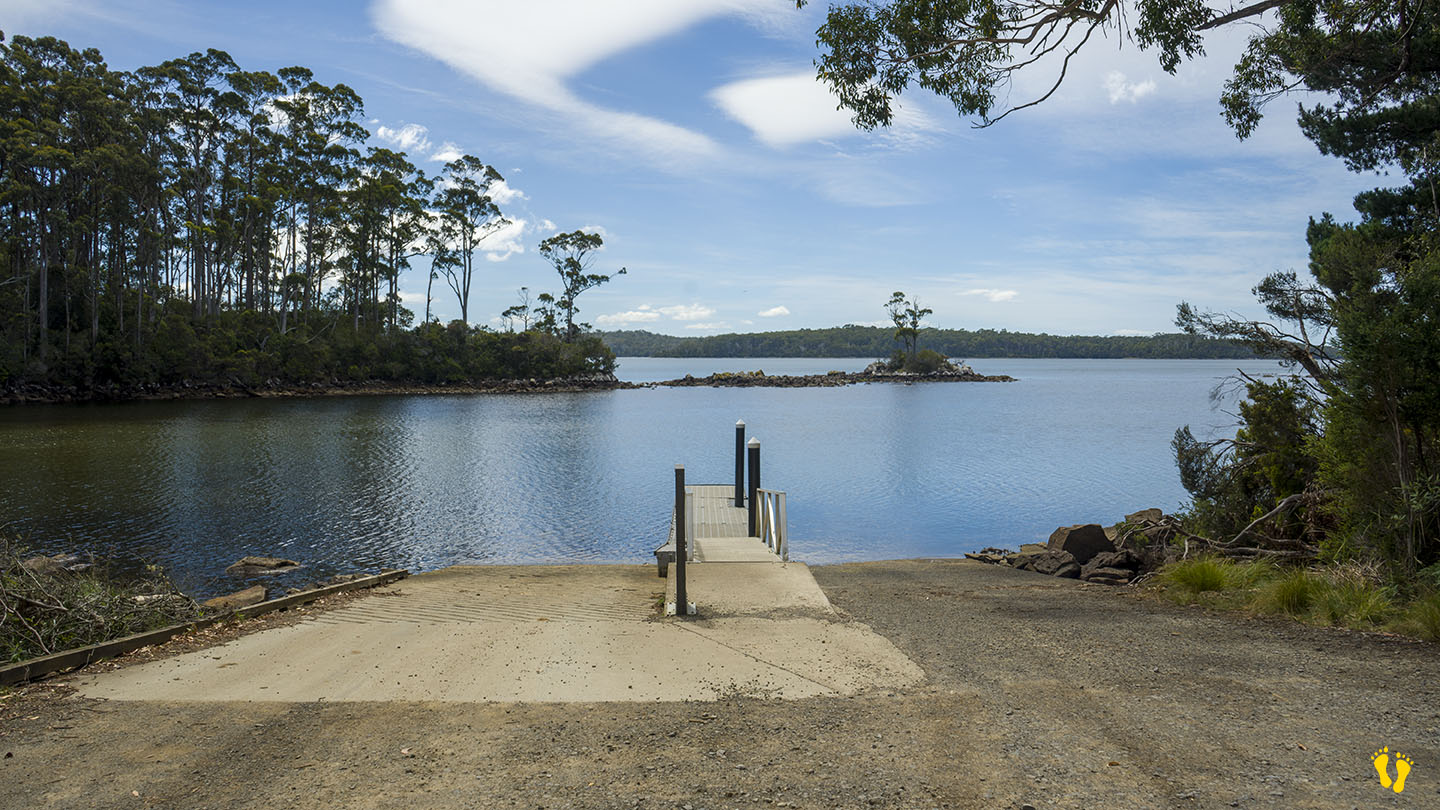
An outstanding place to visit for a one-day visit or extended stay – children will love the open sandy beaches and creek. Campsites include areas to the northeast giving you almost virtual private access to your own personal beach area. Other areas provide campsites with boat access. If I had to pick one beach to camp at in Tasmania this would be it!
Cockle Creek Beach is named after the creek that feeds into the bay, probably because of an abundance of Cockles to catch. Originally named Ramsgate (after an English resort). Recherche Bay is named after a Bruni D’Entrecasteaux’s ship that explored the area in 1792. The British later used the area for whaling, timber and coal. More recently oyster farming is common.
For surfers – South Cape Bay is a pristine beach break that gets huge clean waves on a southerly swell – a 7 km walk from Cockle Creek.
Congratulations to Parks and Wildlife for a soft touch on the area that has kept its beauty and still allows camping.
To get there – turn right before Southport towards Hastings. At the end is a 20 km dirt road (of no concern for any vehicle). On the way, you will pass several great beaches in Recherche Bay.
Near: Bay of Fires & St Helens| Hazard Rating: 4/10 | Parking: Good | Faces: East Iinto Tasman Sea | Length: 400 m
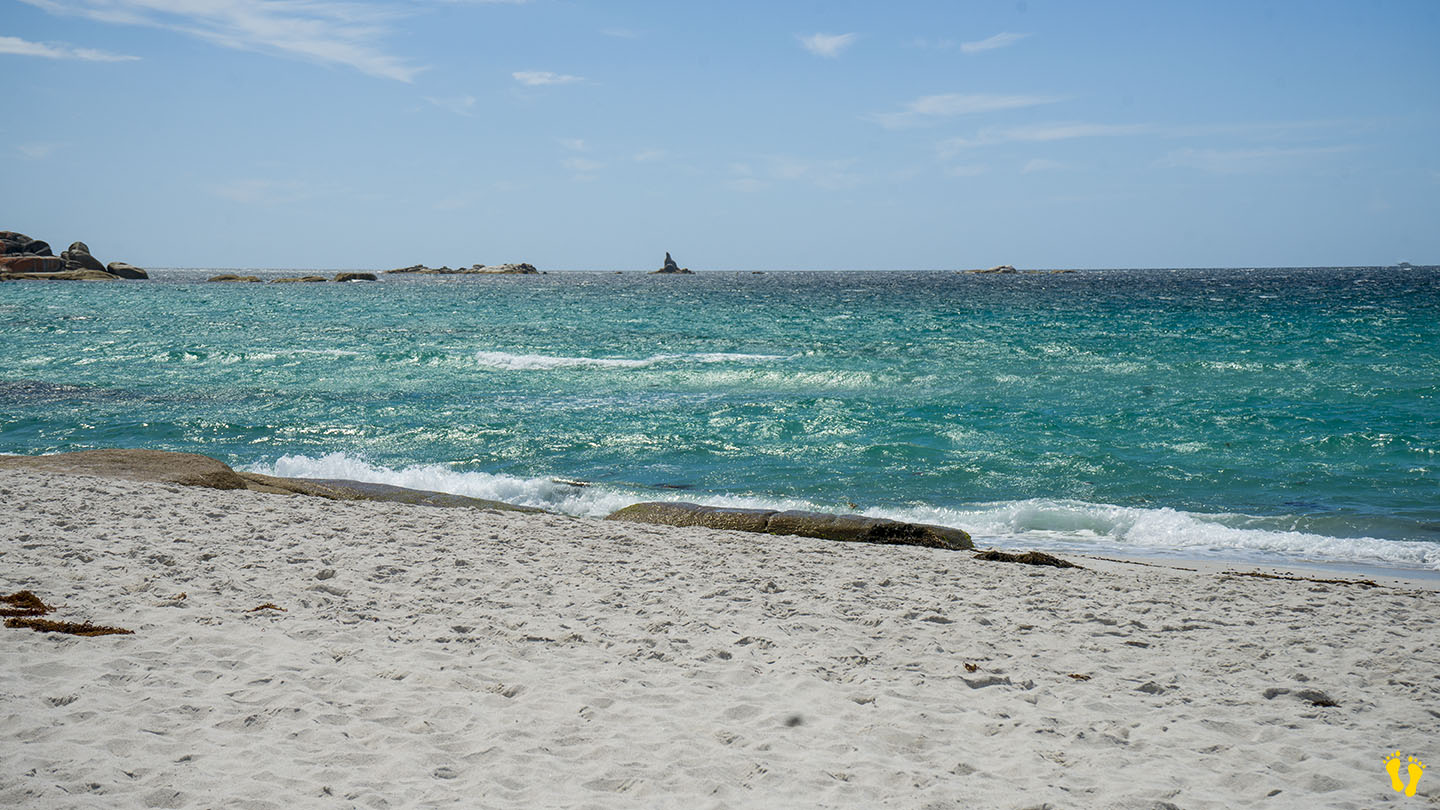
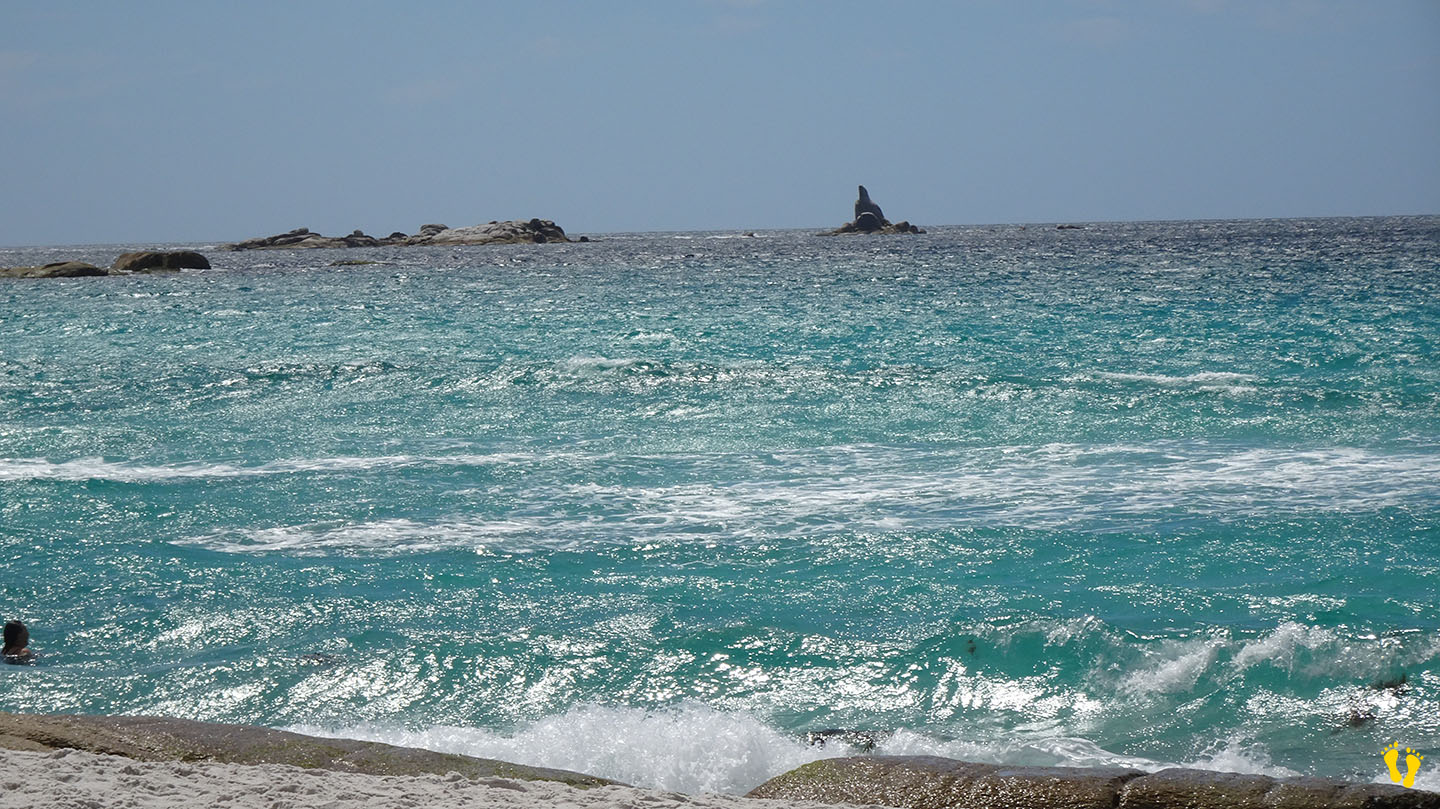
Cosy Corner is a small but spectacular beach north of St Helens and Binalong Bay, part of the Bay of Fires.
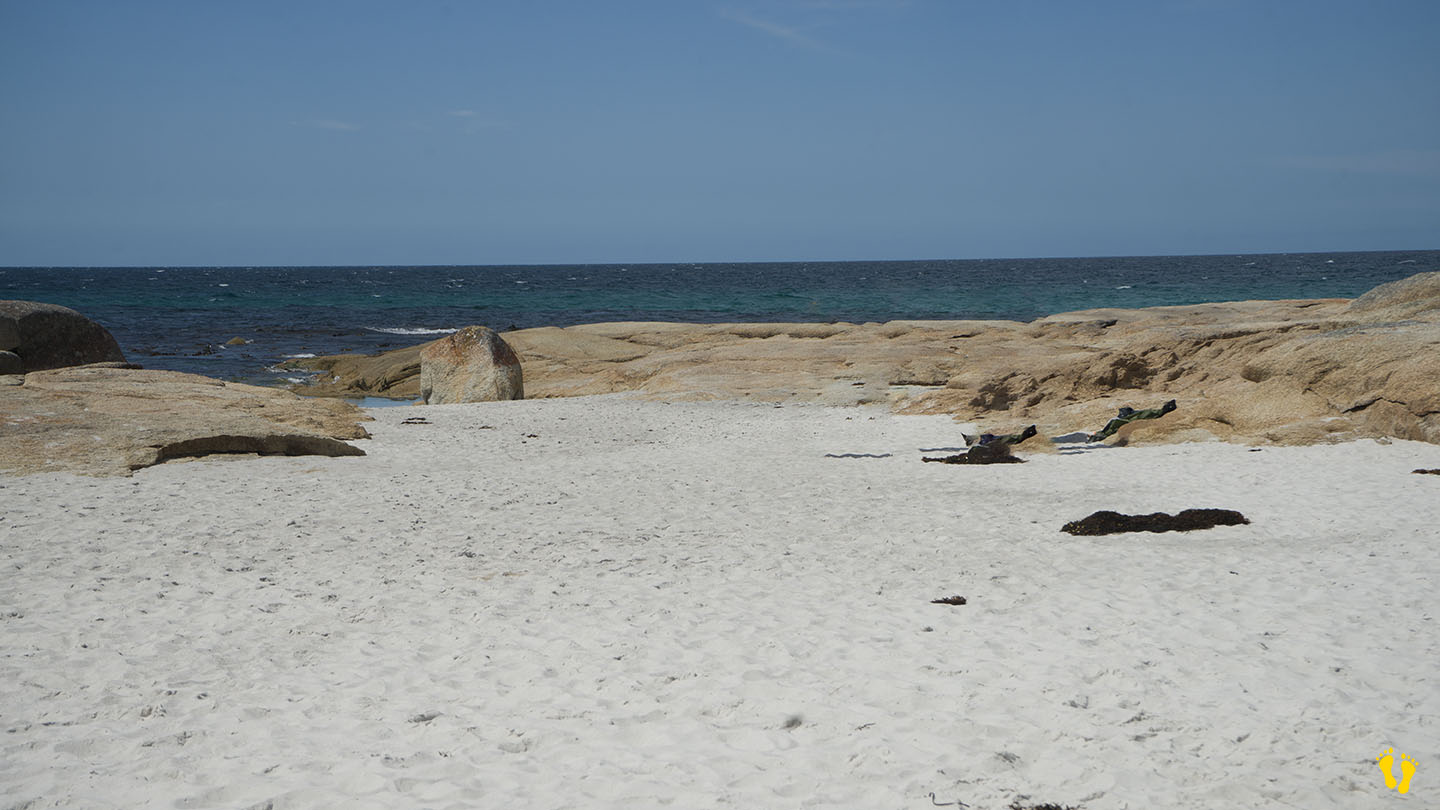
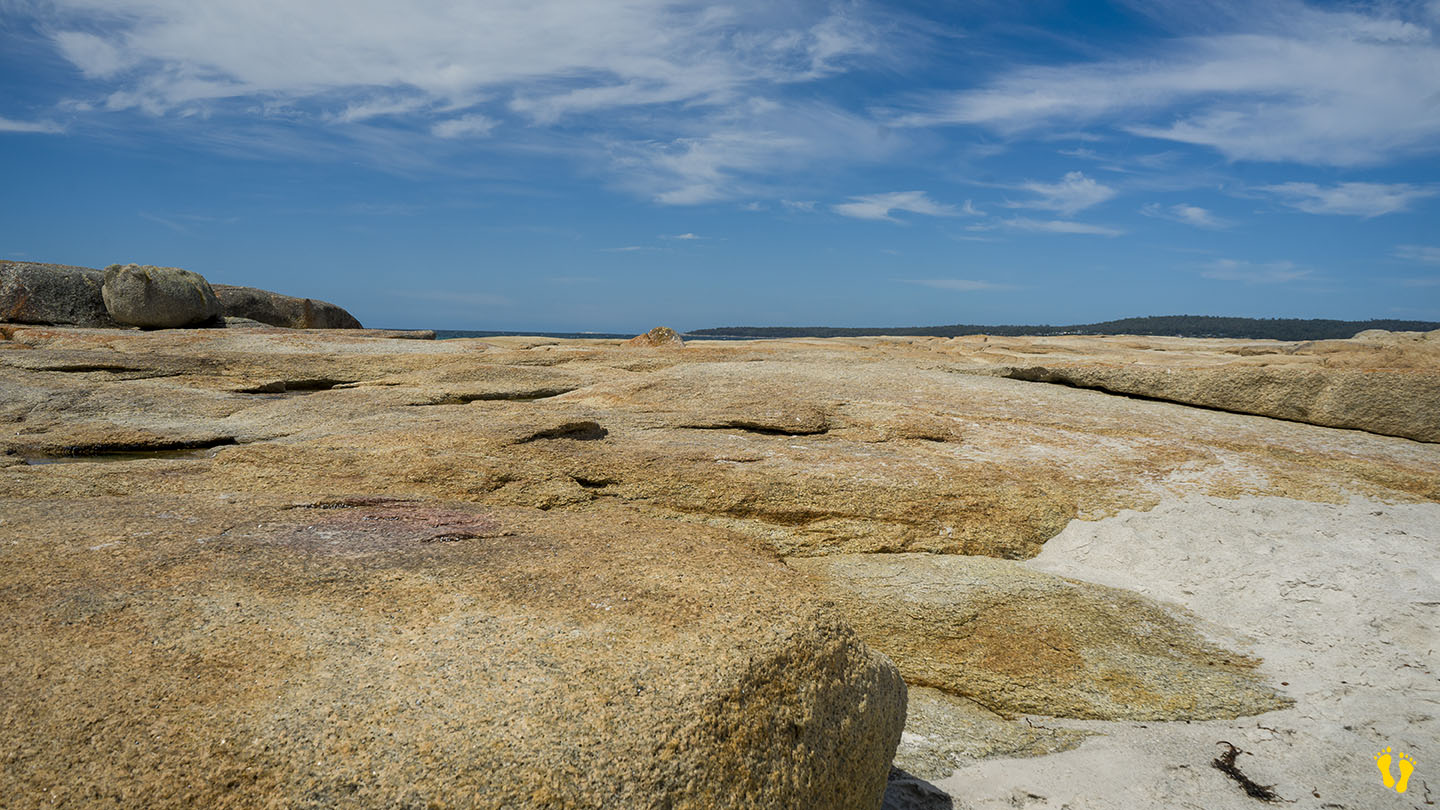
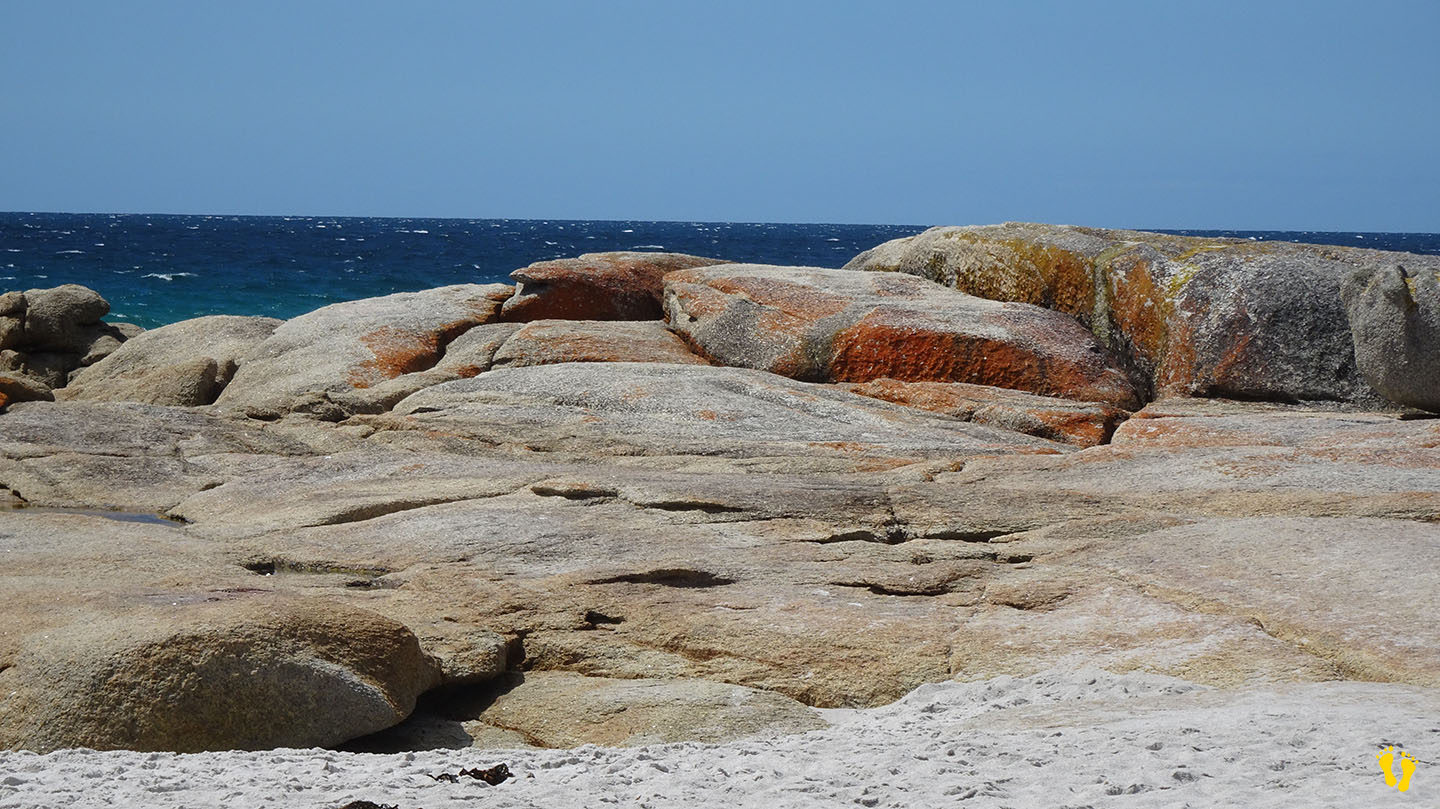
Pure white sand, beautiful crystal clear blue water and stunning rock formations often covered in a bright orange lichen.
A popular beach for camping, swimming, snorkeling and surf fishing. The beach sometimes has small surf with the occasional possibility of better waves. The beach can be potentially dangerous to swim at, so as usual, match your family’s swimming ability with the conditions.
There are great campsites for every type of vehicle – camper, caravan, motor home, tent etc… many sites are right on the beach. Camping is free with a maximum stay of 28 days. No water is available and fires are banned. The site is managed by Parks and Wildlife Service Tasmania.
Basic toilets including some wheelchair access. Entry is from two roads off Gardens Road referred to as North and South Cosy Corner.
Hazard Rating: 1/10 | Parking: OK | from Hobart: 50 km | Faces: SW into Frederick Henry Bay | Length: 1 km
Not far from Carlton this is an unknown secluded beach that few people know about. Enter via Beach Road and head left. The beach is a 100 m walk but well worth it. Note the interesting flora walking in.
Connellys Beach is also referred to and is part of Connellys Marsh and Connellys Bay.
From Hobart: 5 km | Faces: East into the River Derwent | Length: 1 km
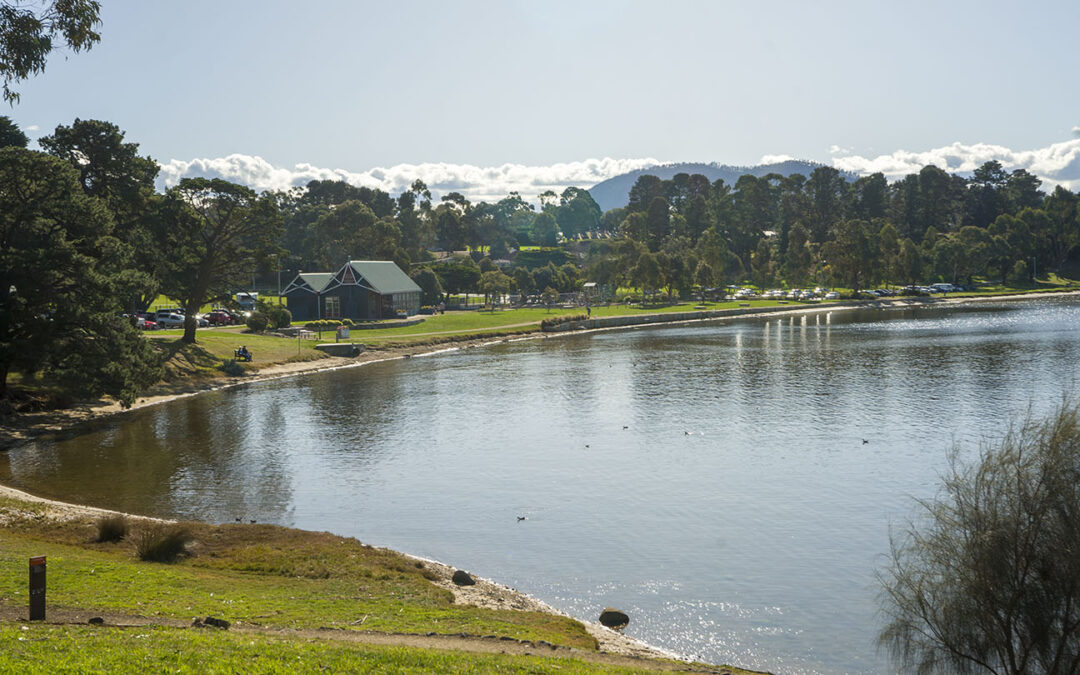
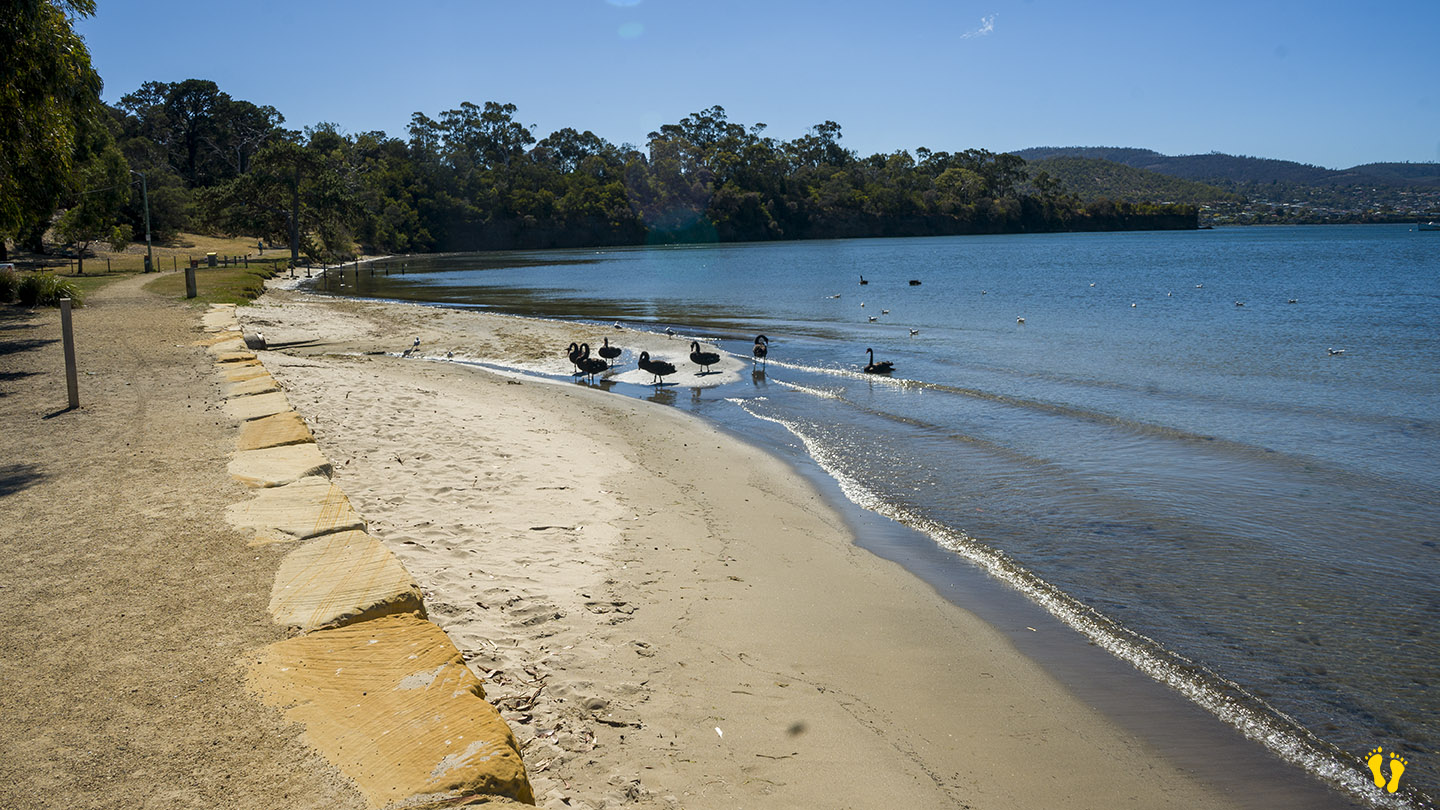
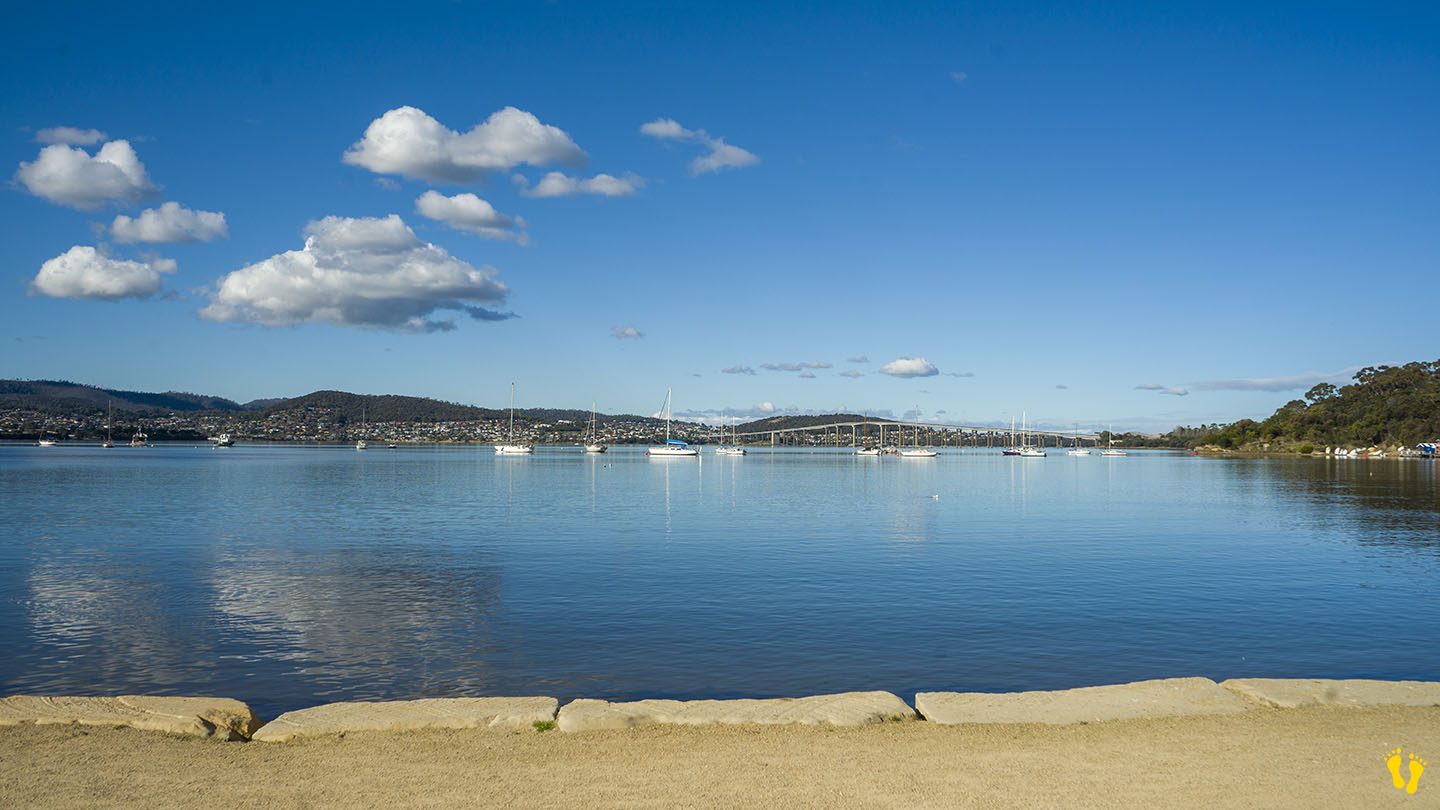
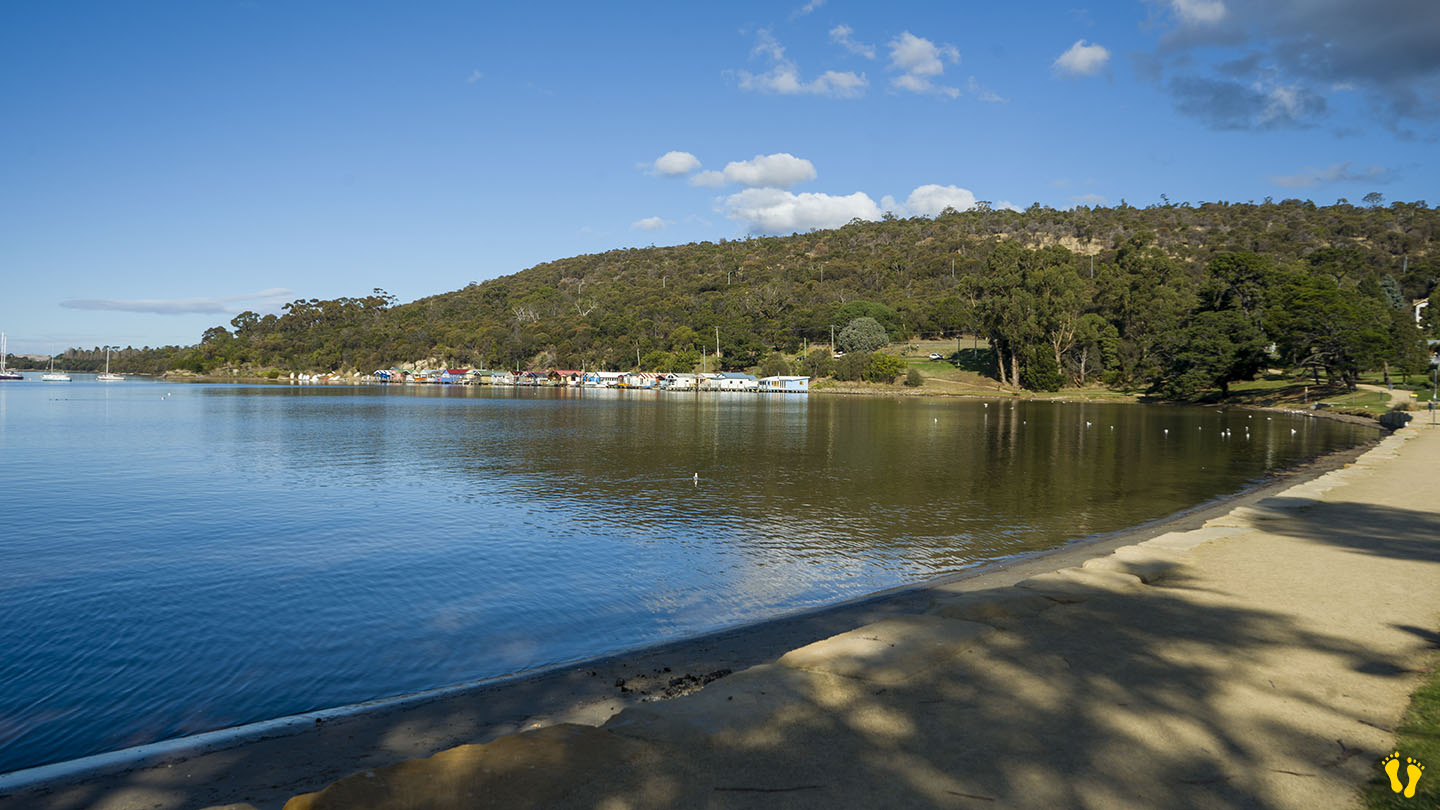
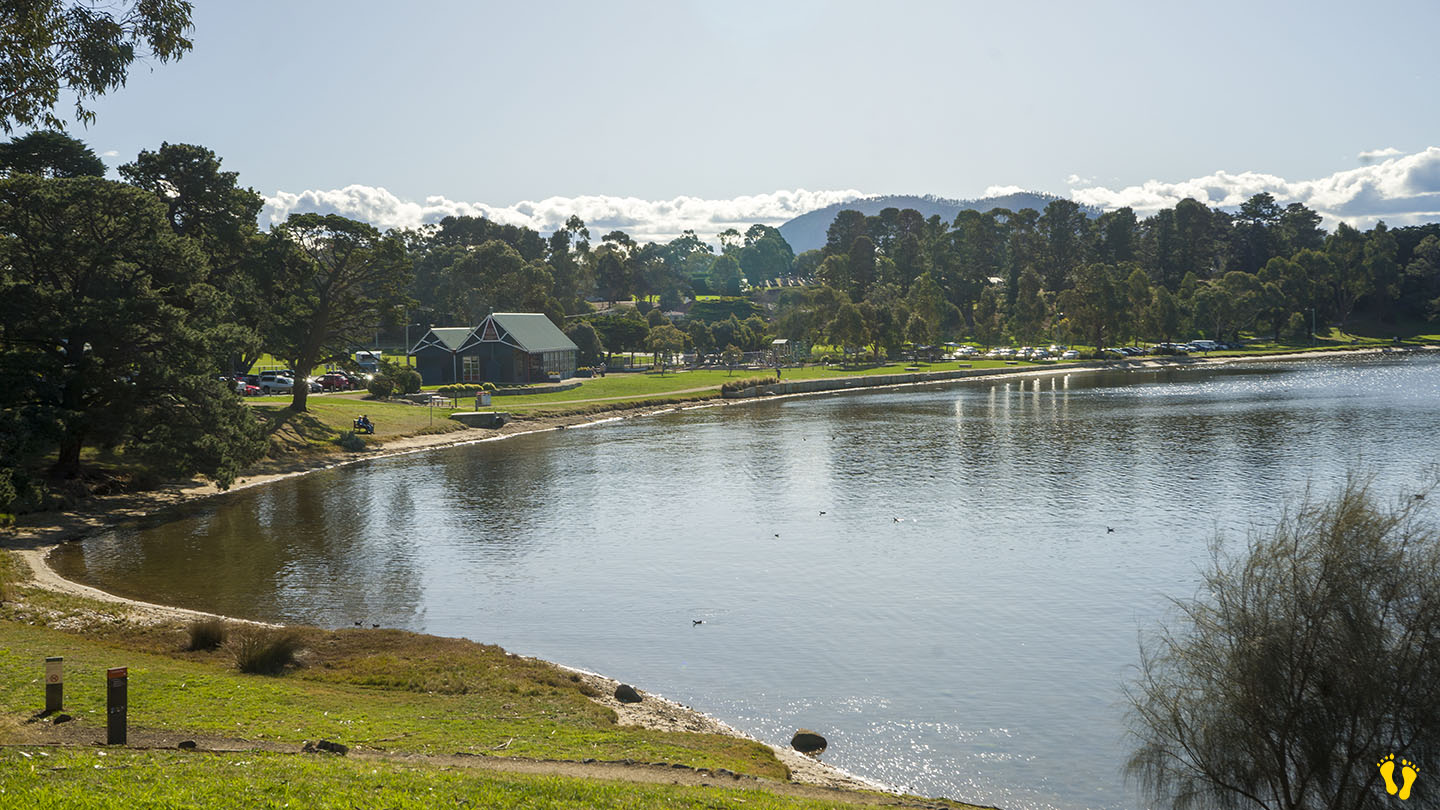
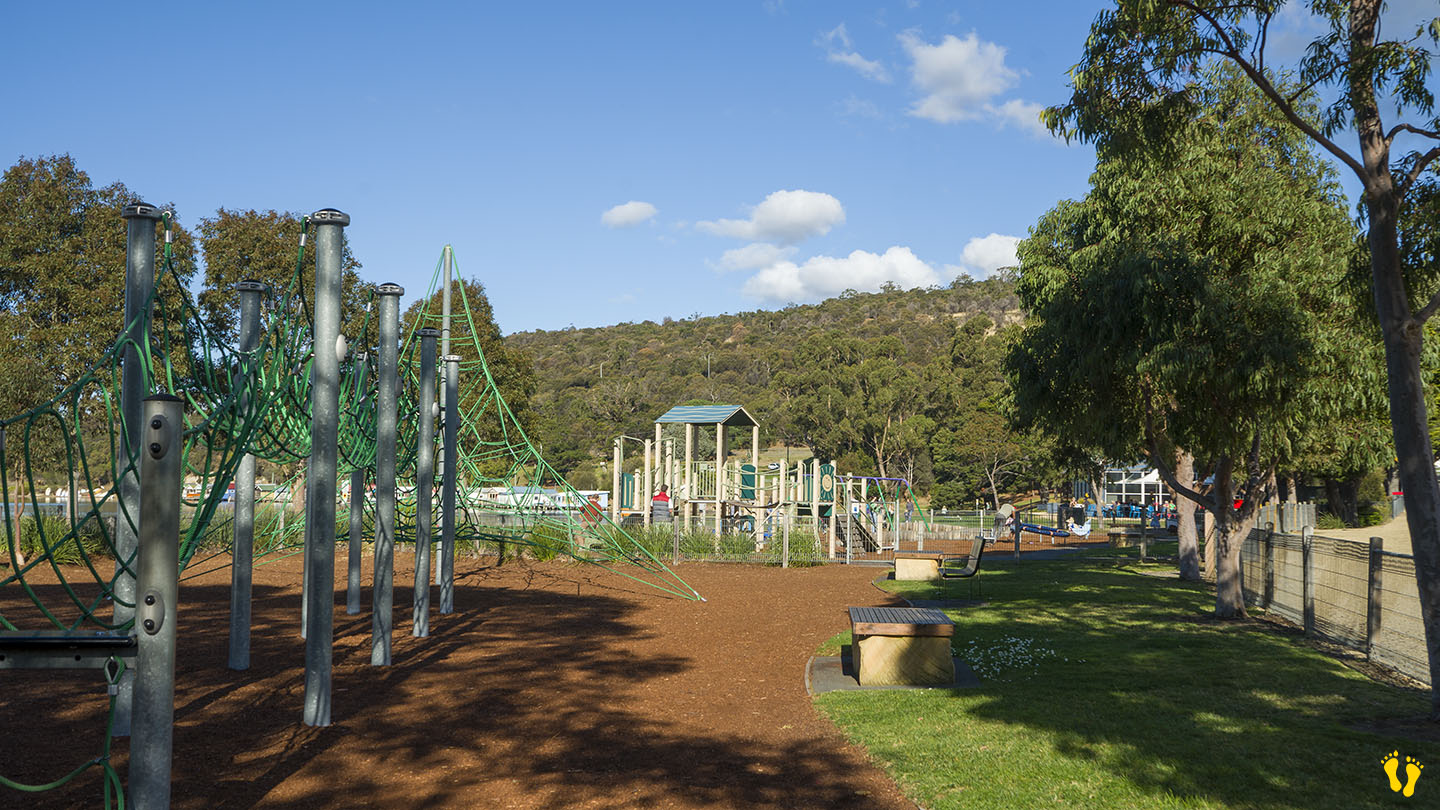
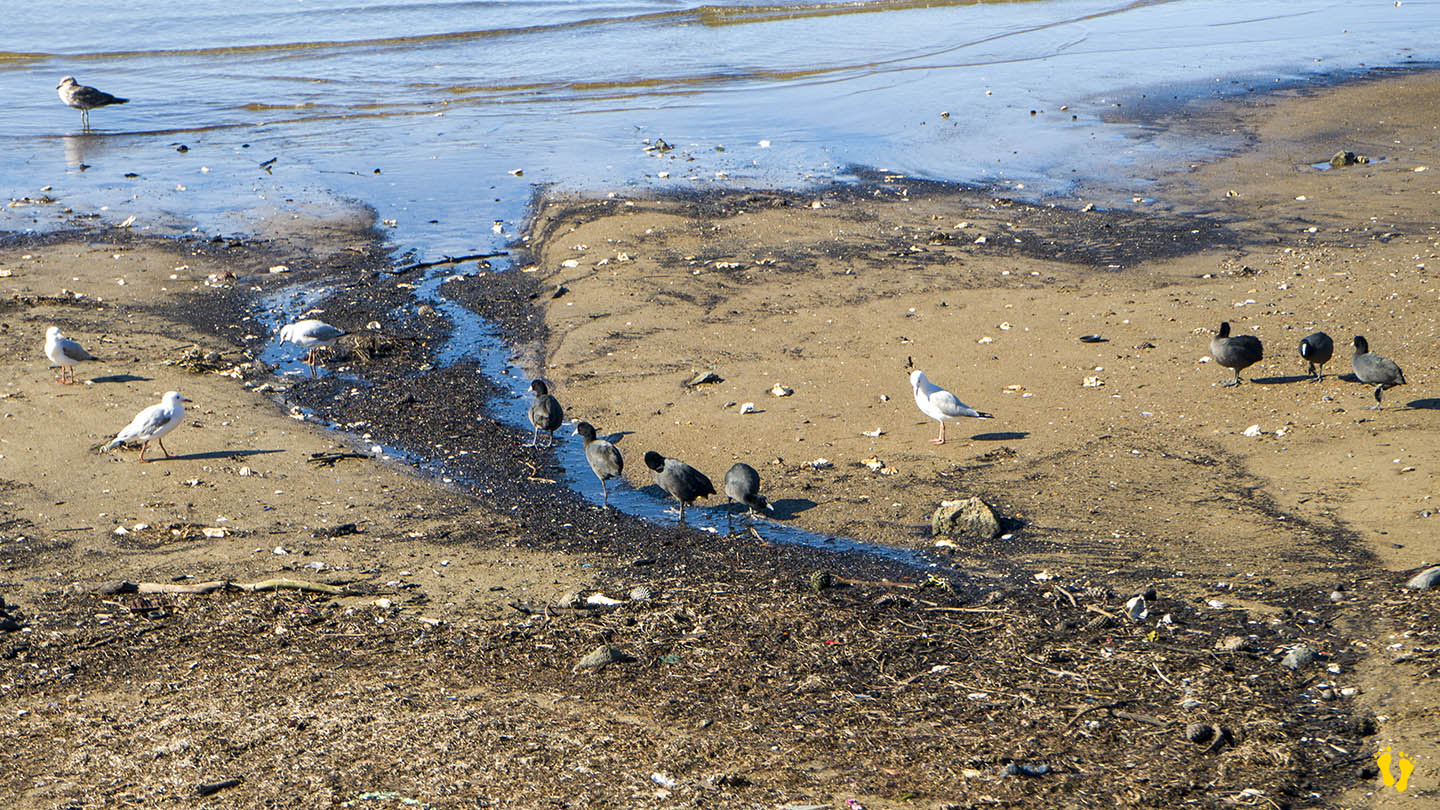
While not recommended for swimming it has great foreshore walks, an excellent playground, BBQ facilities and good amenities. It backs onto an open oval for other activities and has great views of the bridge and the River Derwent. You can often see many birds in the bay, including ducks, swans, coots and seagulls.
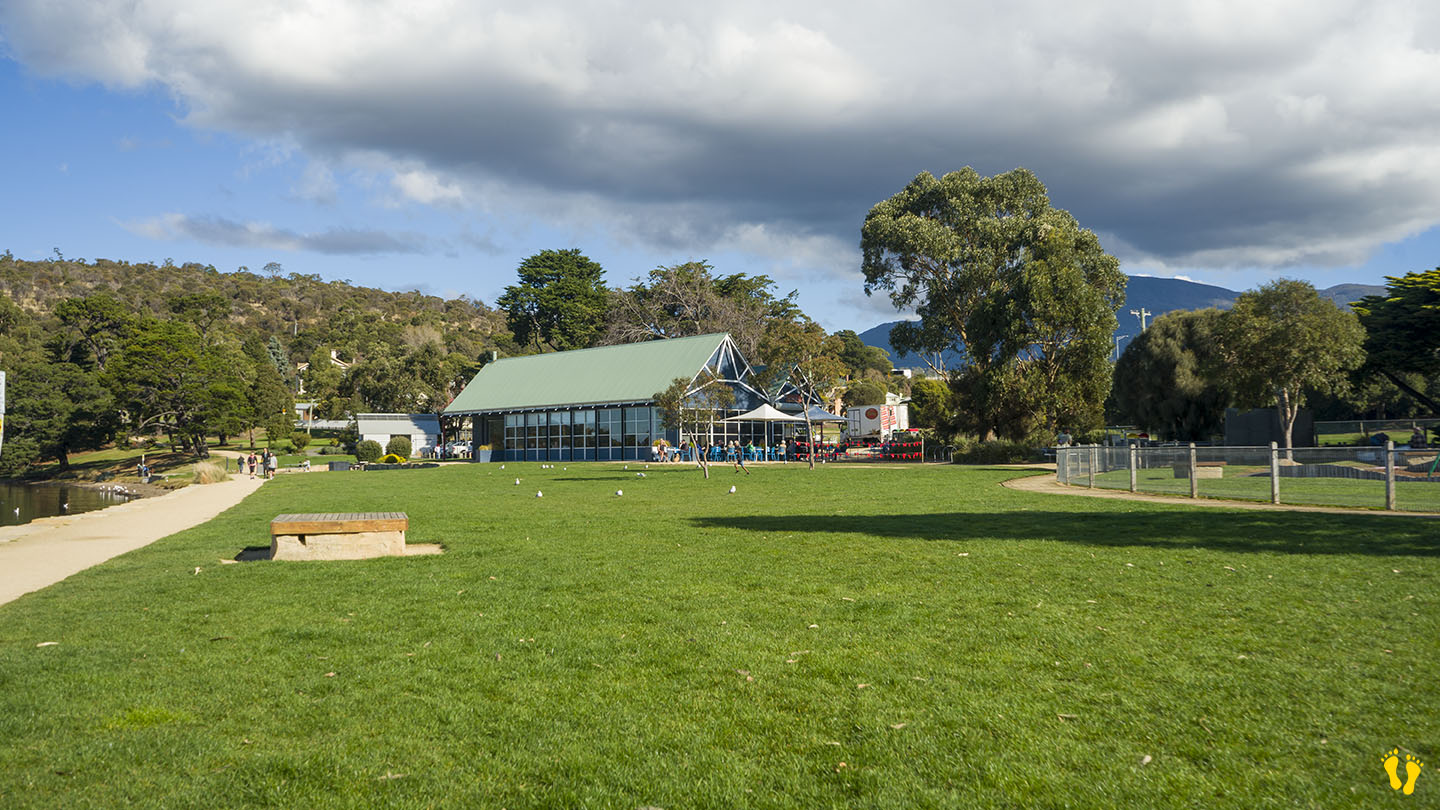
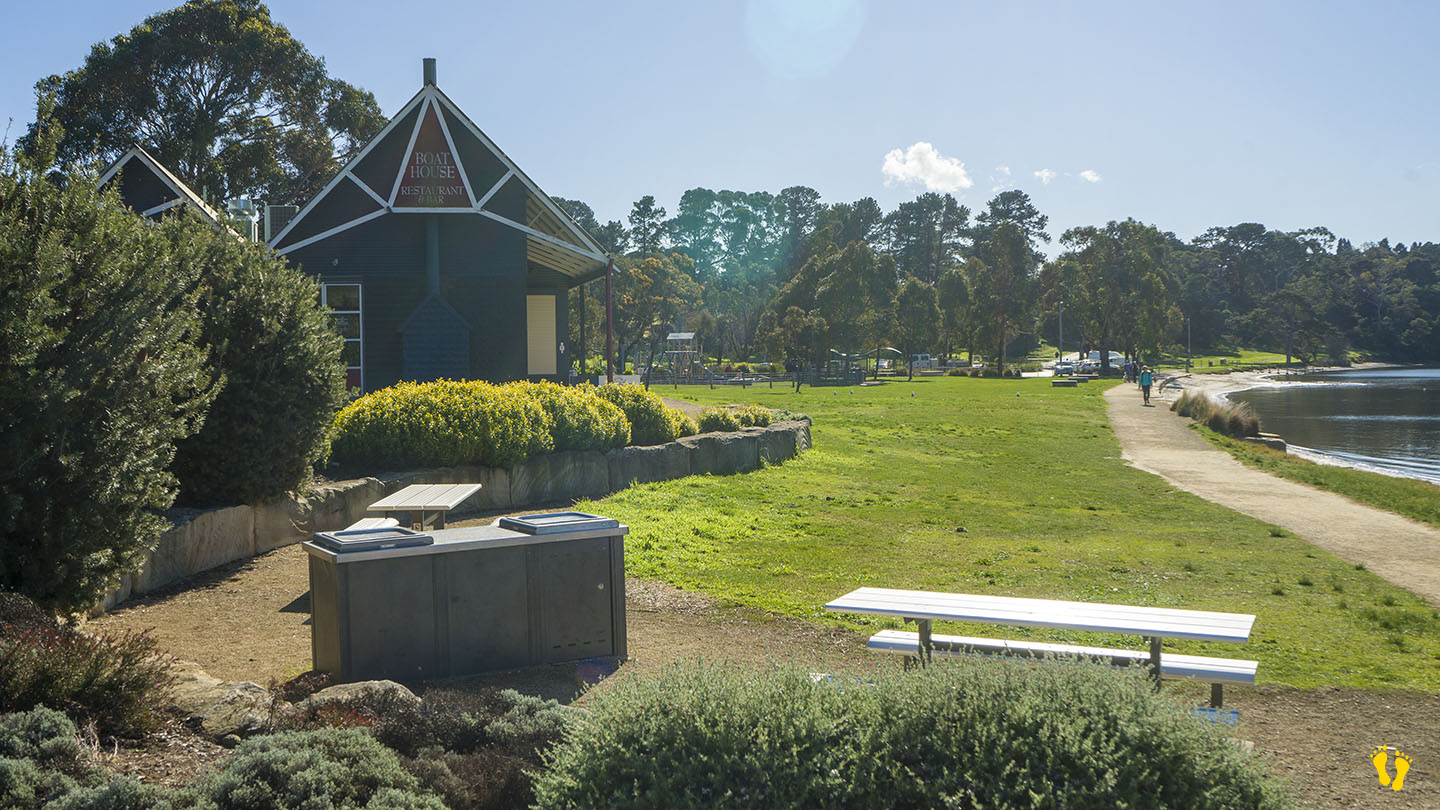
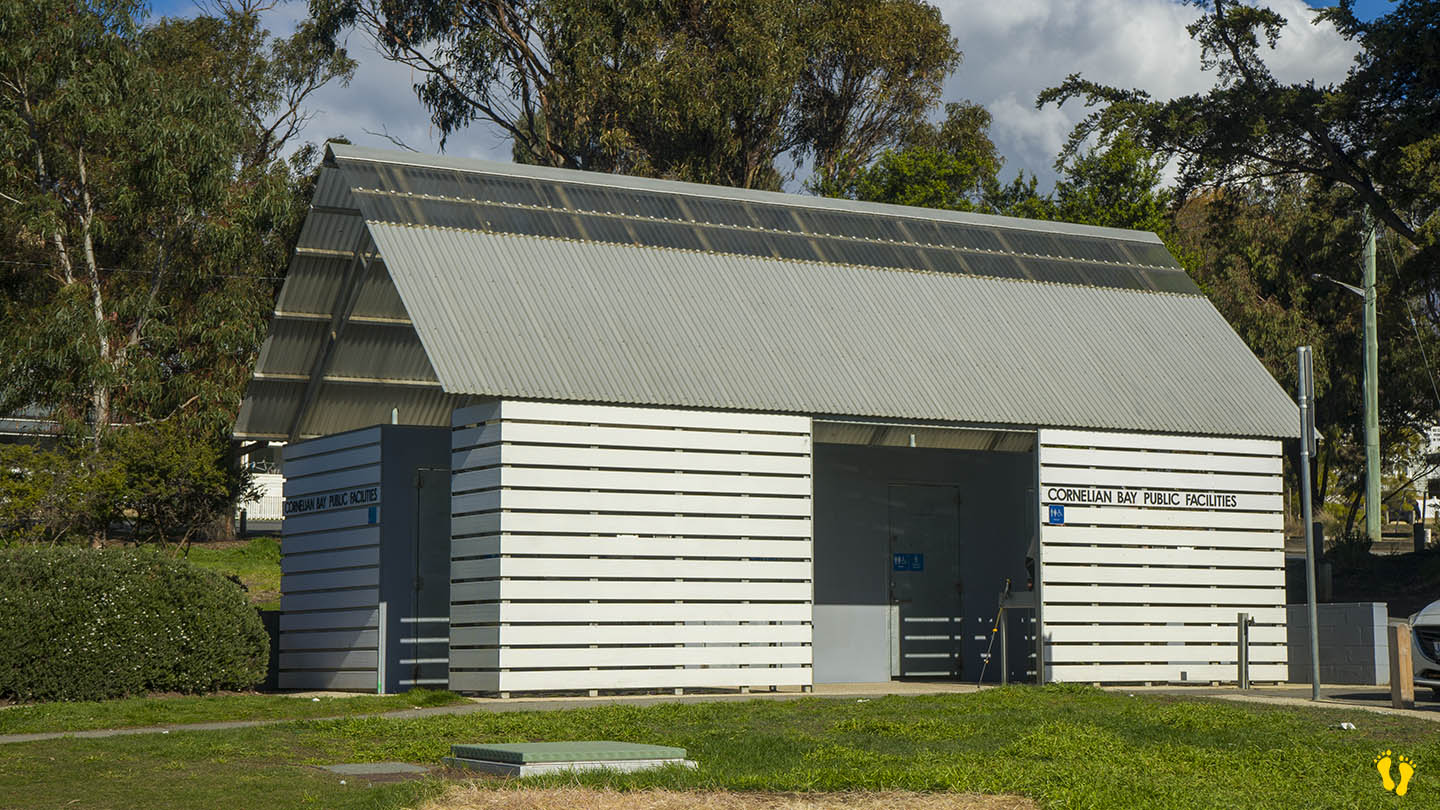
Cornelian Bay is an ideal spot for a picnic with large open grass areas, BBQs, and fantastic views. Two BBQs, one near amenities, the other about 200m away. The playground is about 100m from toilets.
You also have the Boathouse Restaurant for dining or the kiosk for takeaways. Dogs allowed on-leash on the foreshore track or off-leash on the adjoining oval.
Original people: The Aboriginal Mouheneenner band lived in the Cornelian Bay area for 8000 years – shell middens can still be seen at the top of the low cliffs of Cornelian Point (north), as well as other interesting geological features.
Cornelian Bay was named by British navigator Lieutenant John Hayes in 1793. While exploring the Derwent River, Hayes came ashore and discovered numerous reddish, semi-precious carnelian stones (a variety of silica also called cornelian) on the beach, leading him to name the area after the gemstones.