by Mickey Jarvis | Mar 2, 2025 | East Coast, Low Hazard, St Helens
Near: St Helens | from Hobart: 250 km | Launceston: 175 km
Hazard Rating: 1/10 | Parking: Good | Faces: into Burns Bay | Length: 100 m
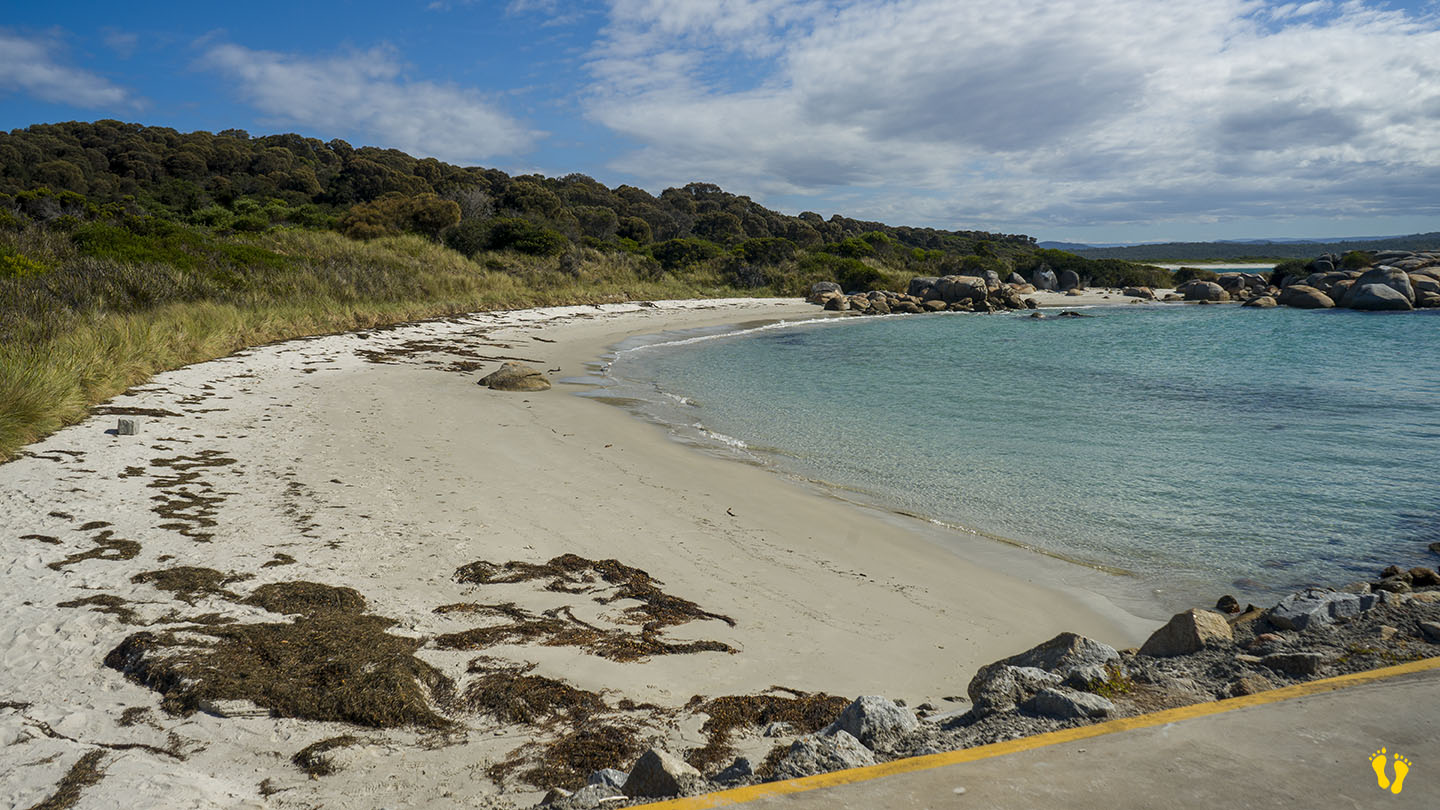
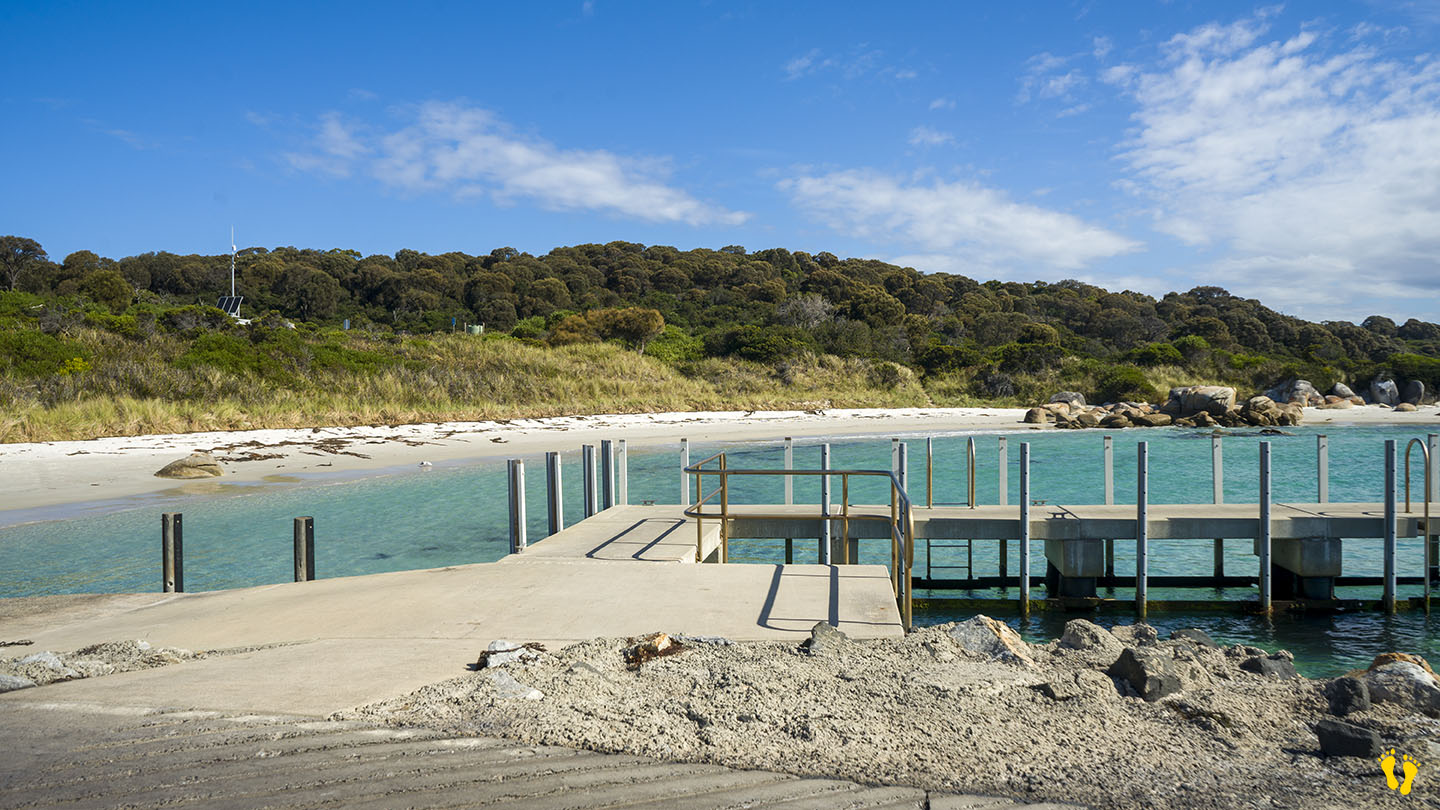
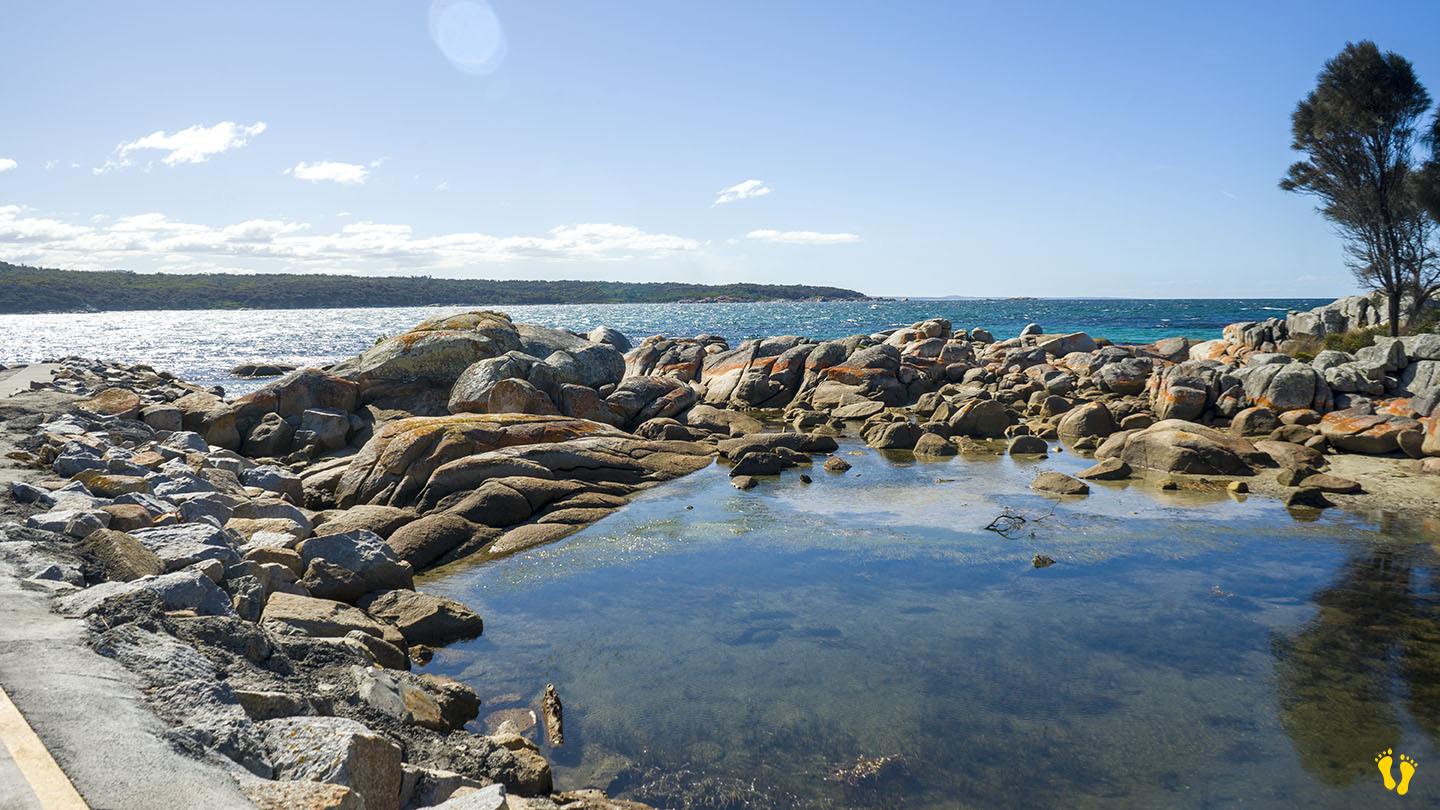
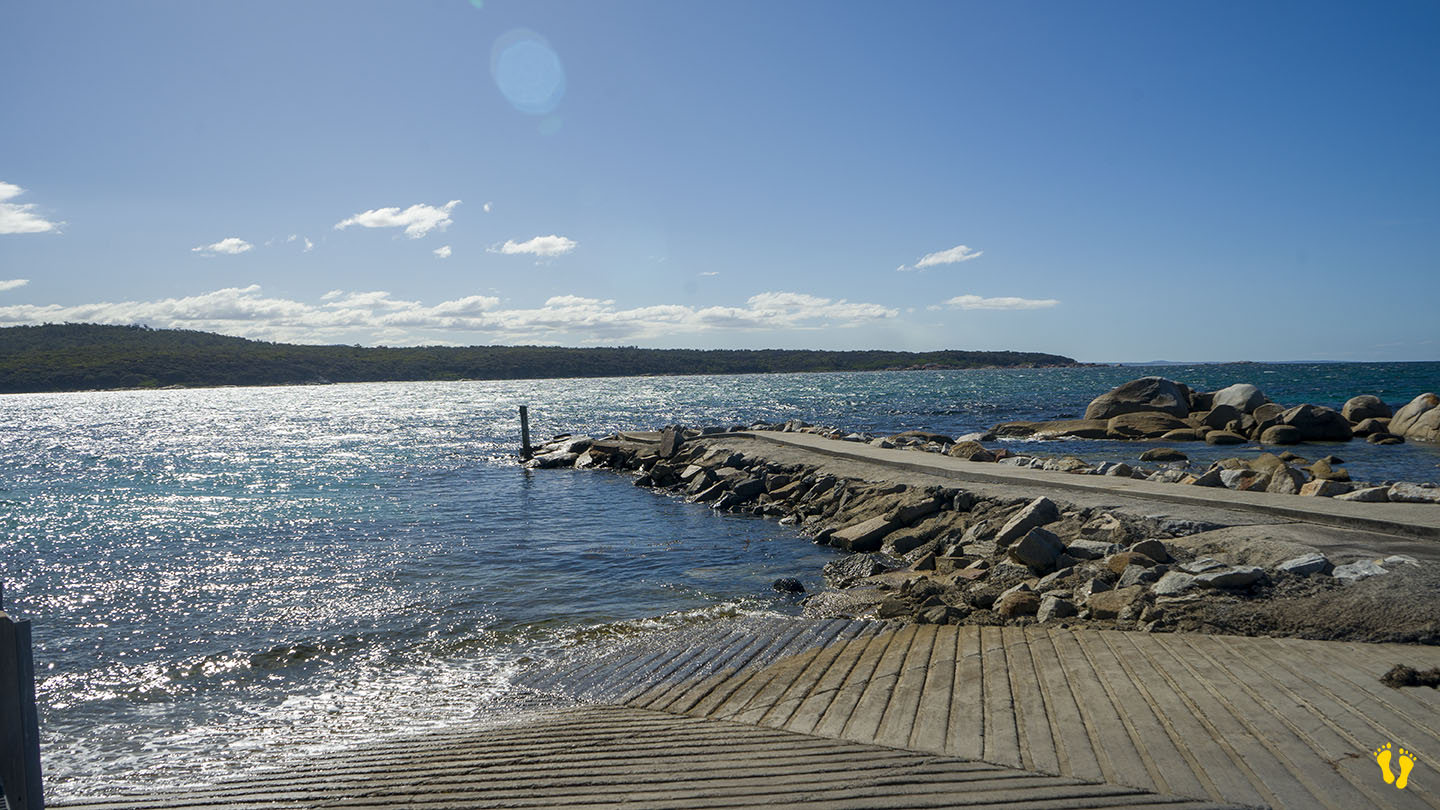
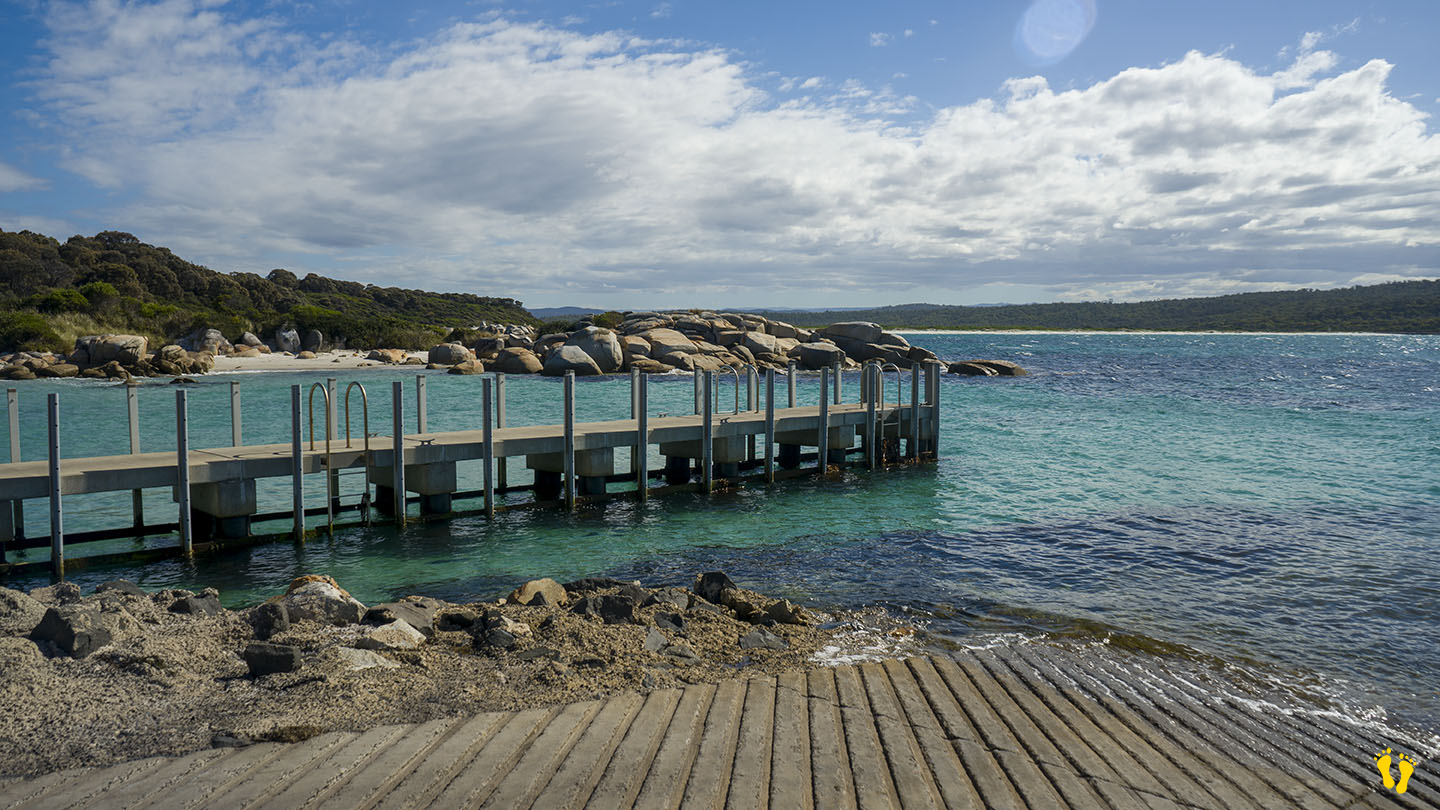
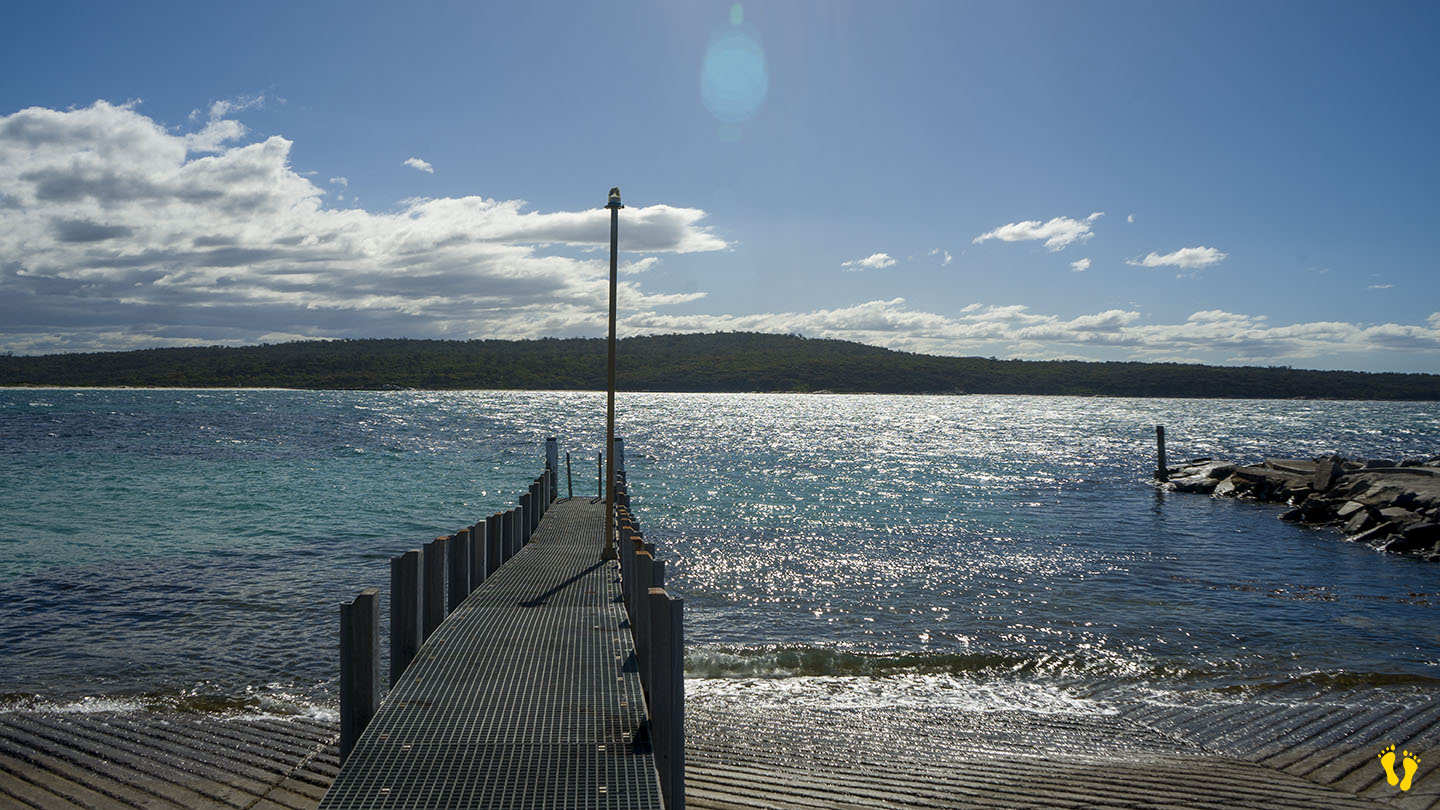
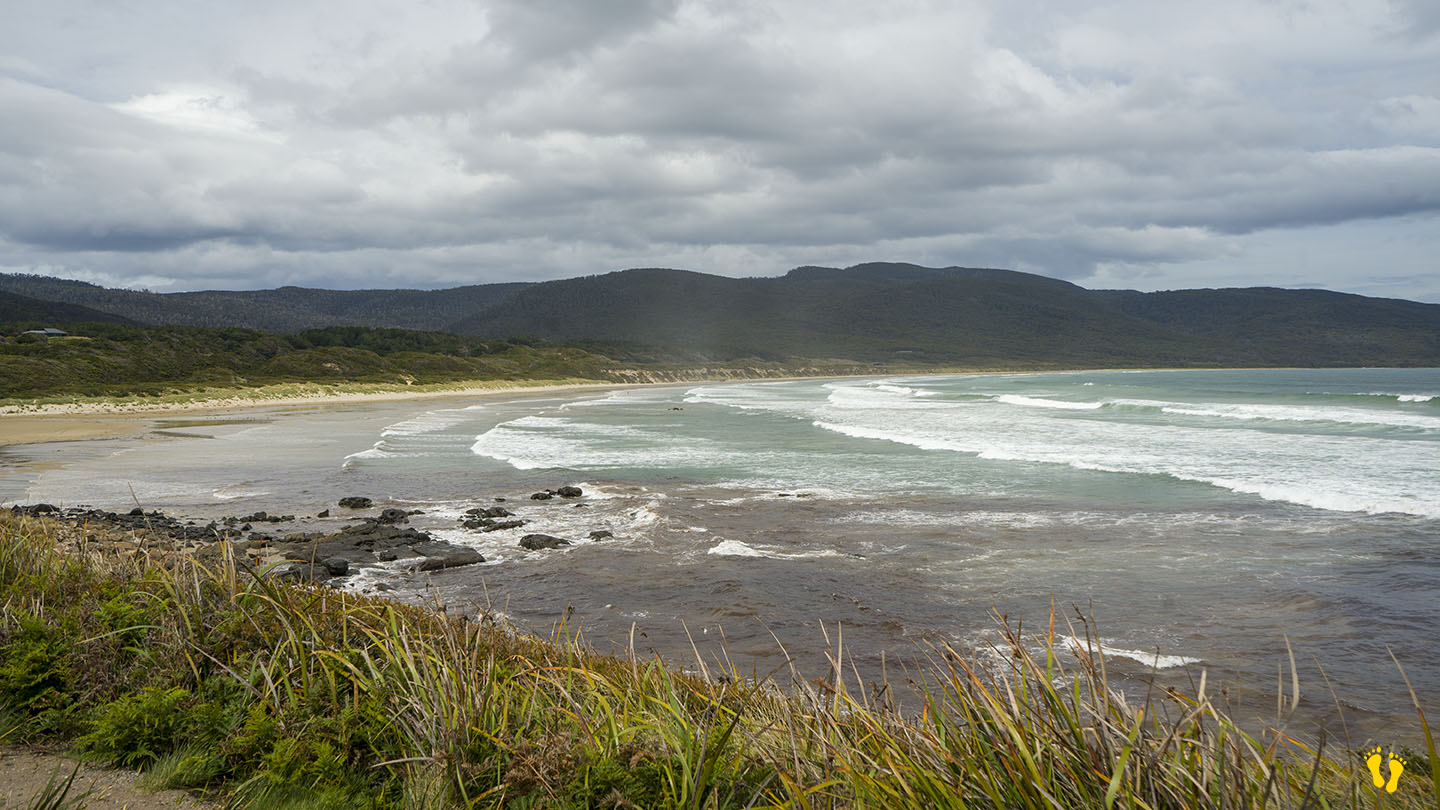
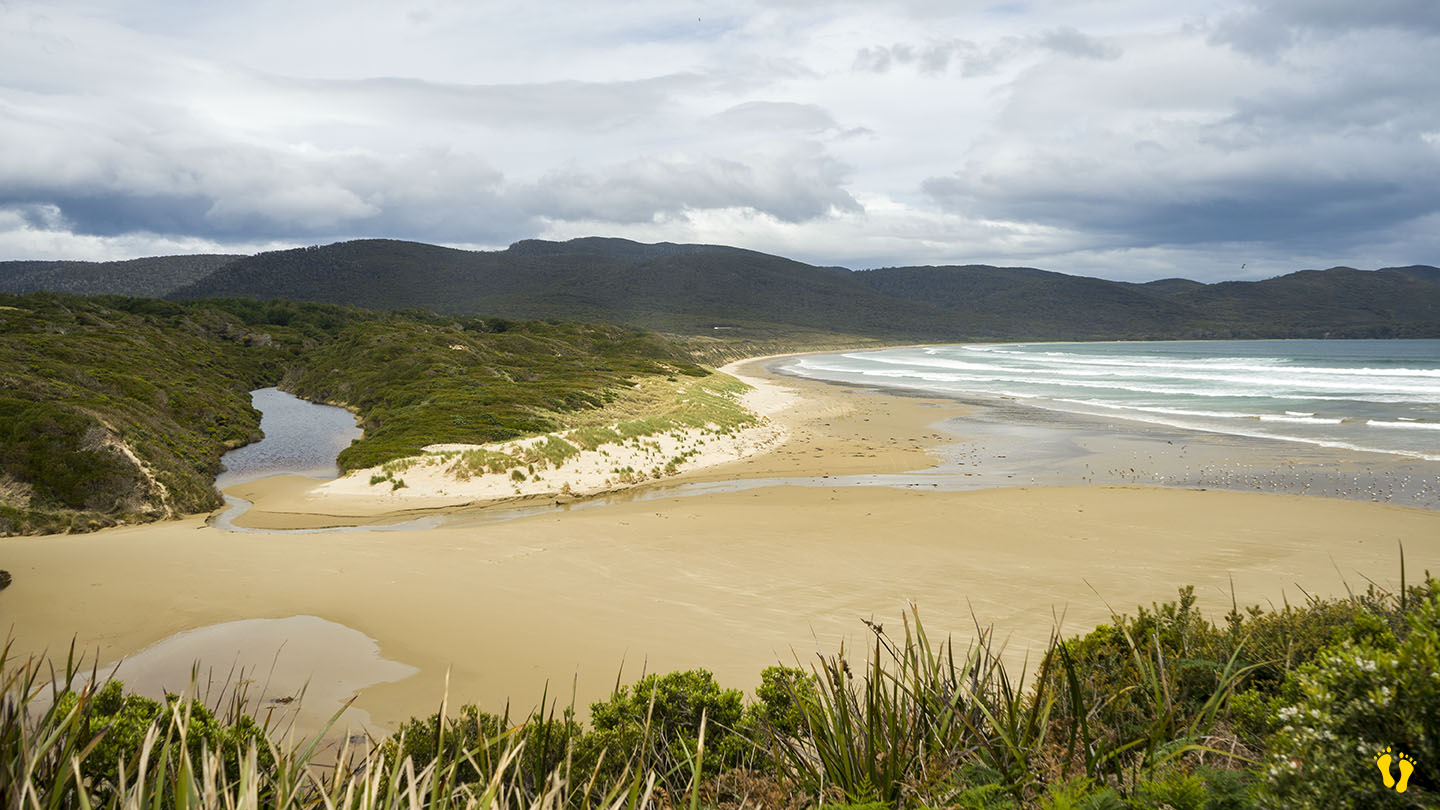
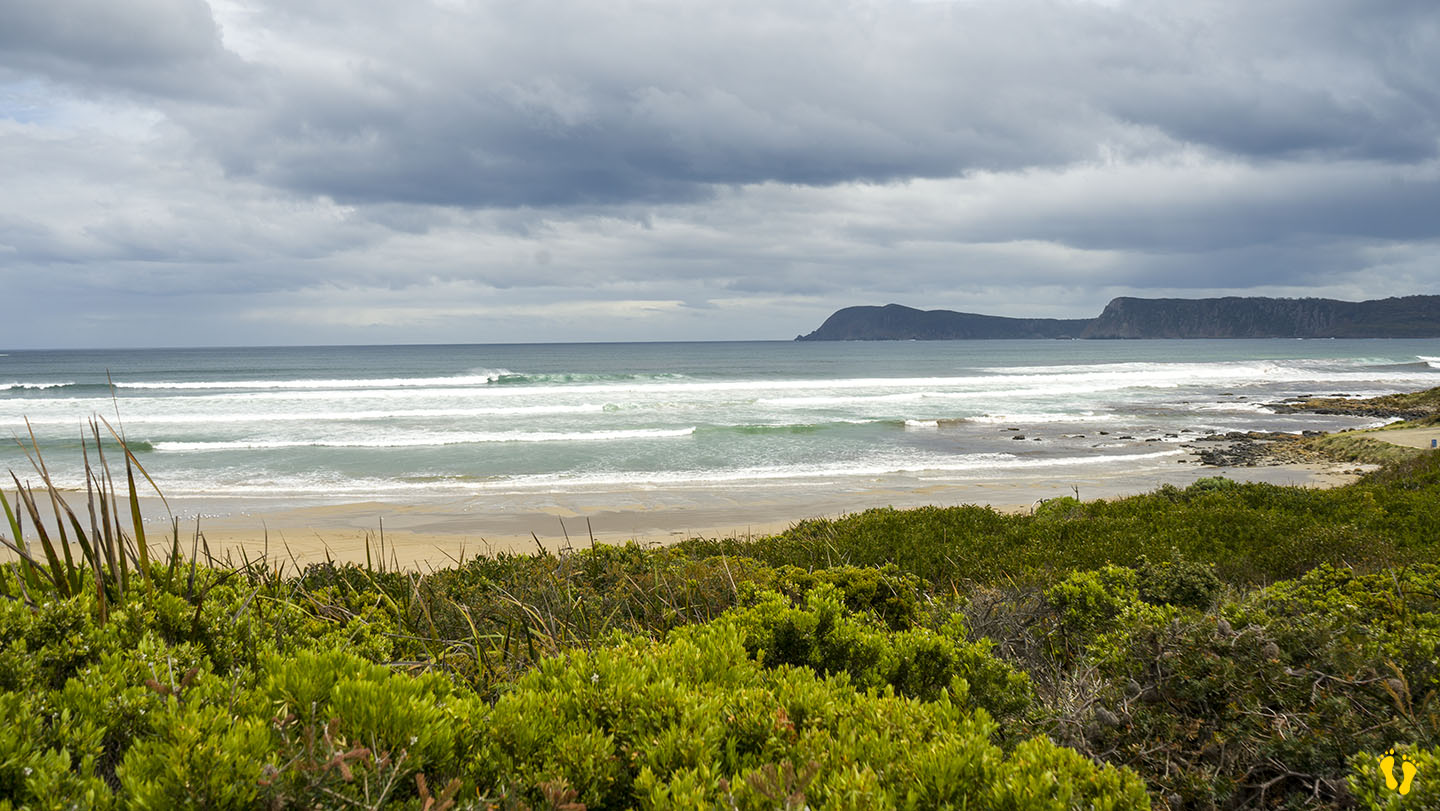
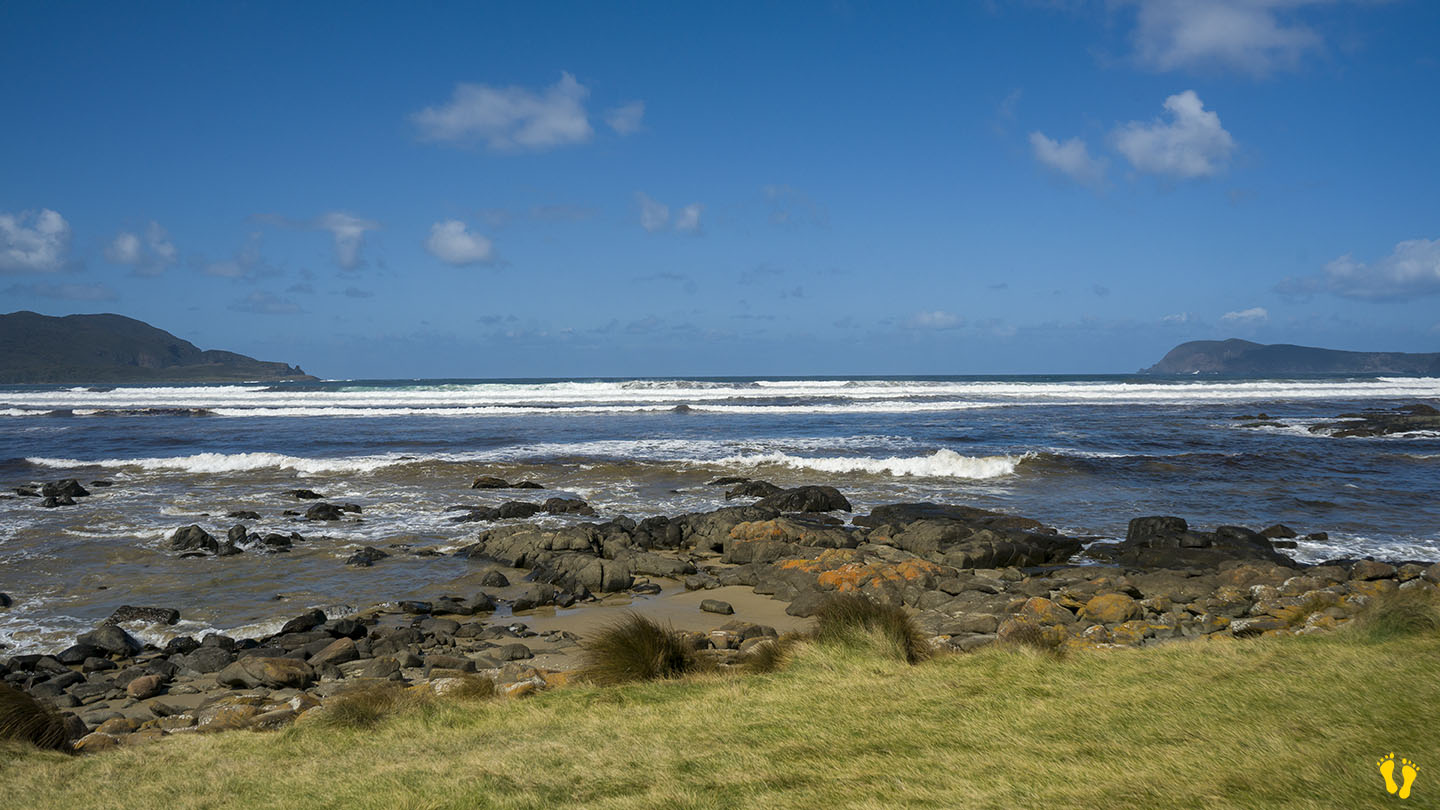
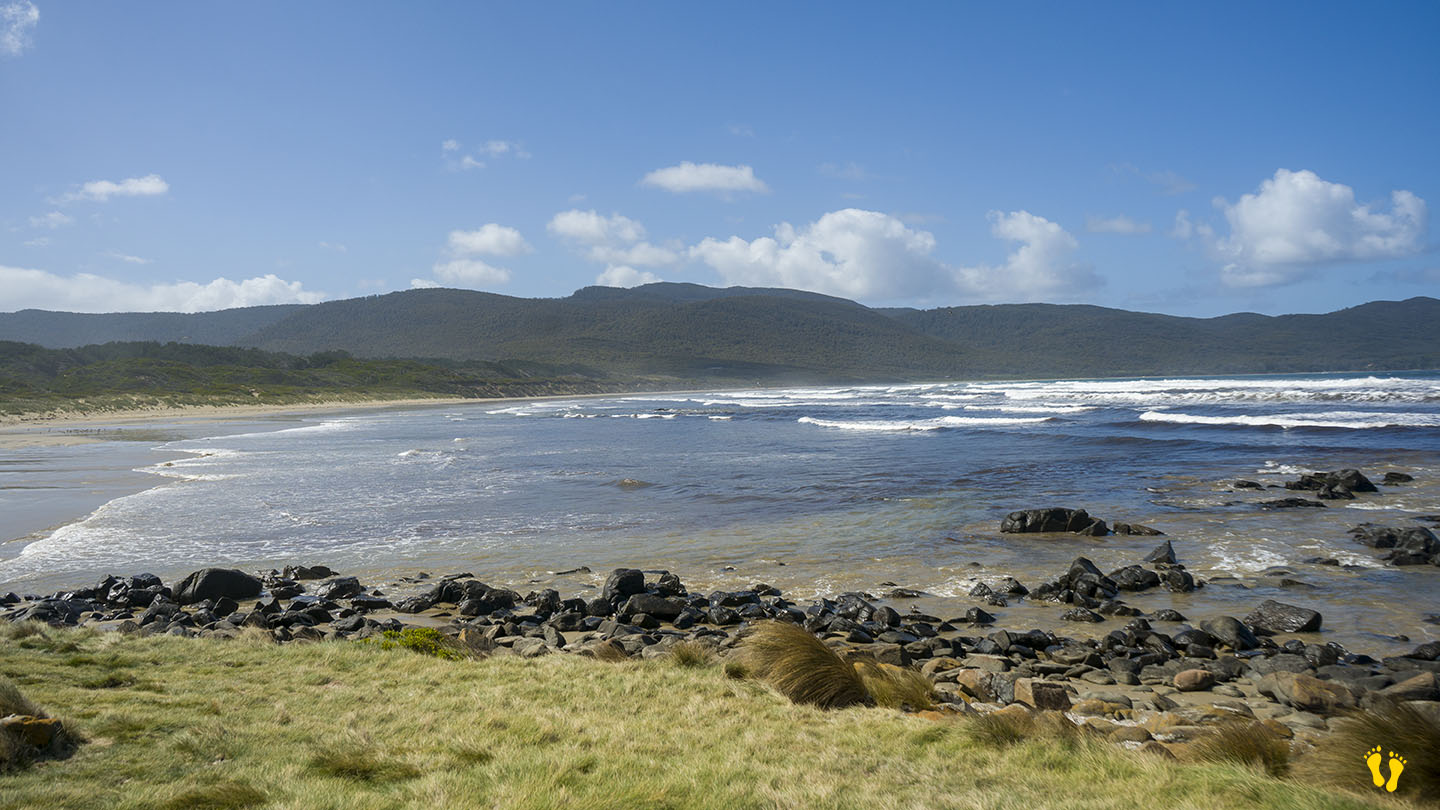
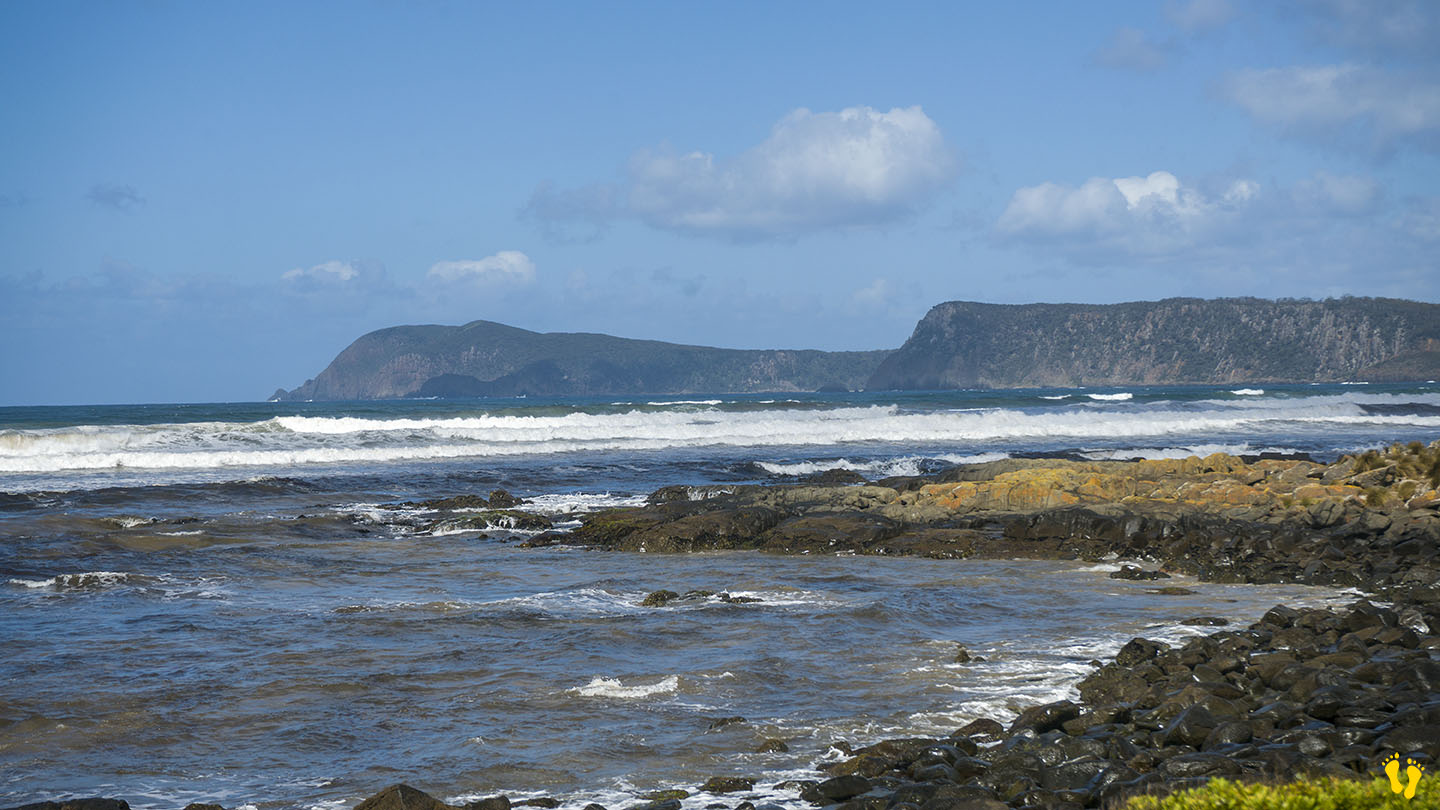
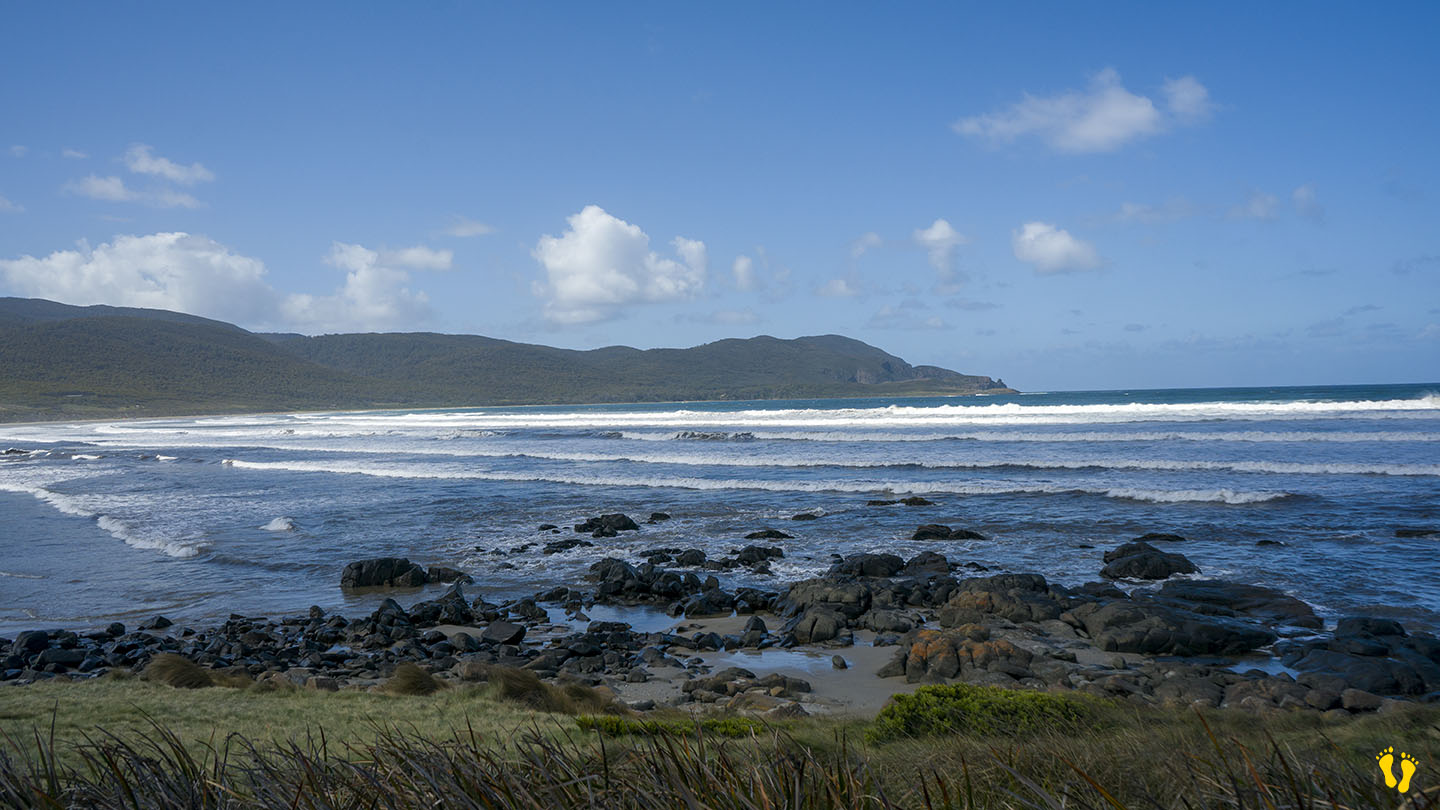
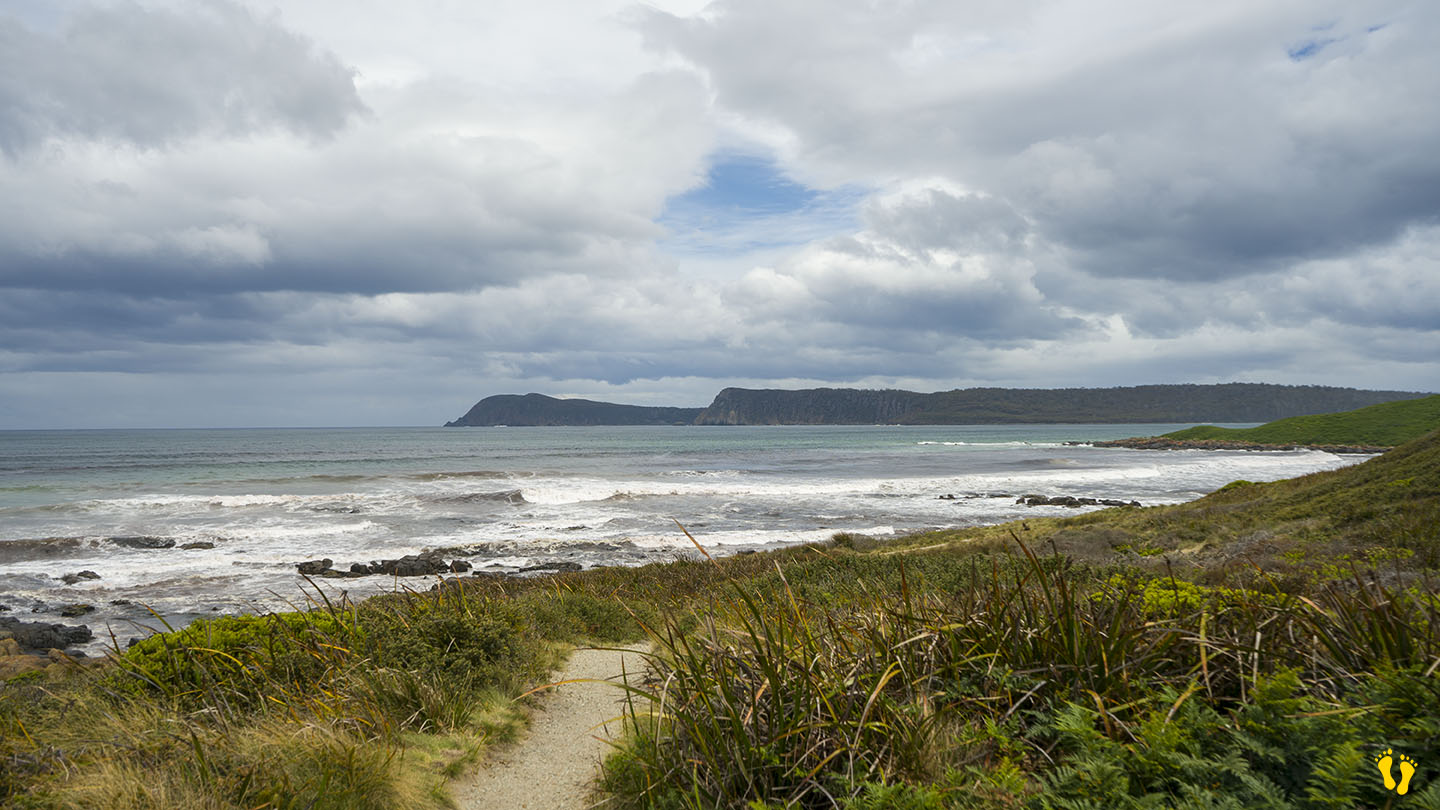
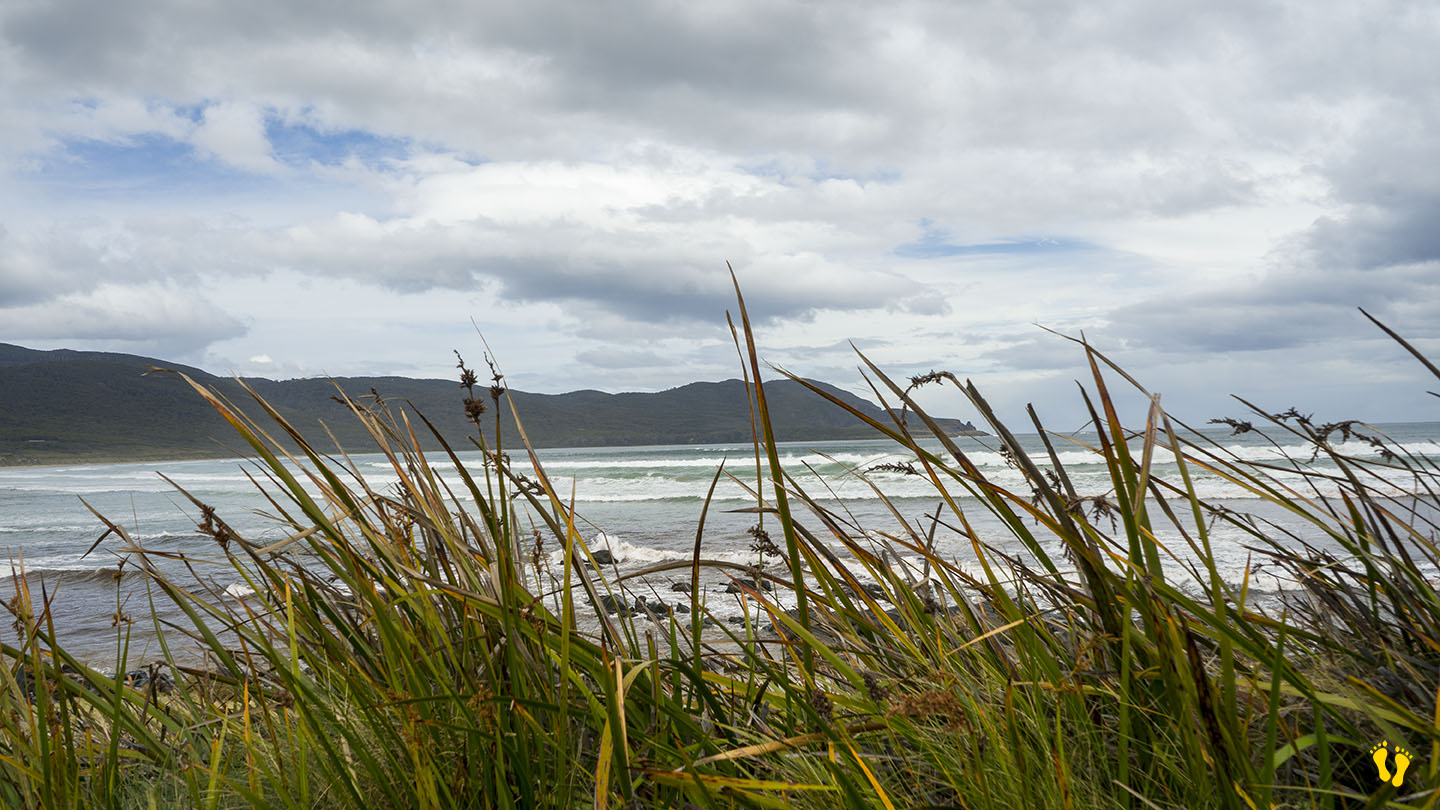
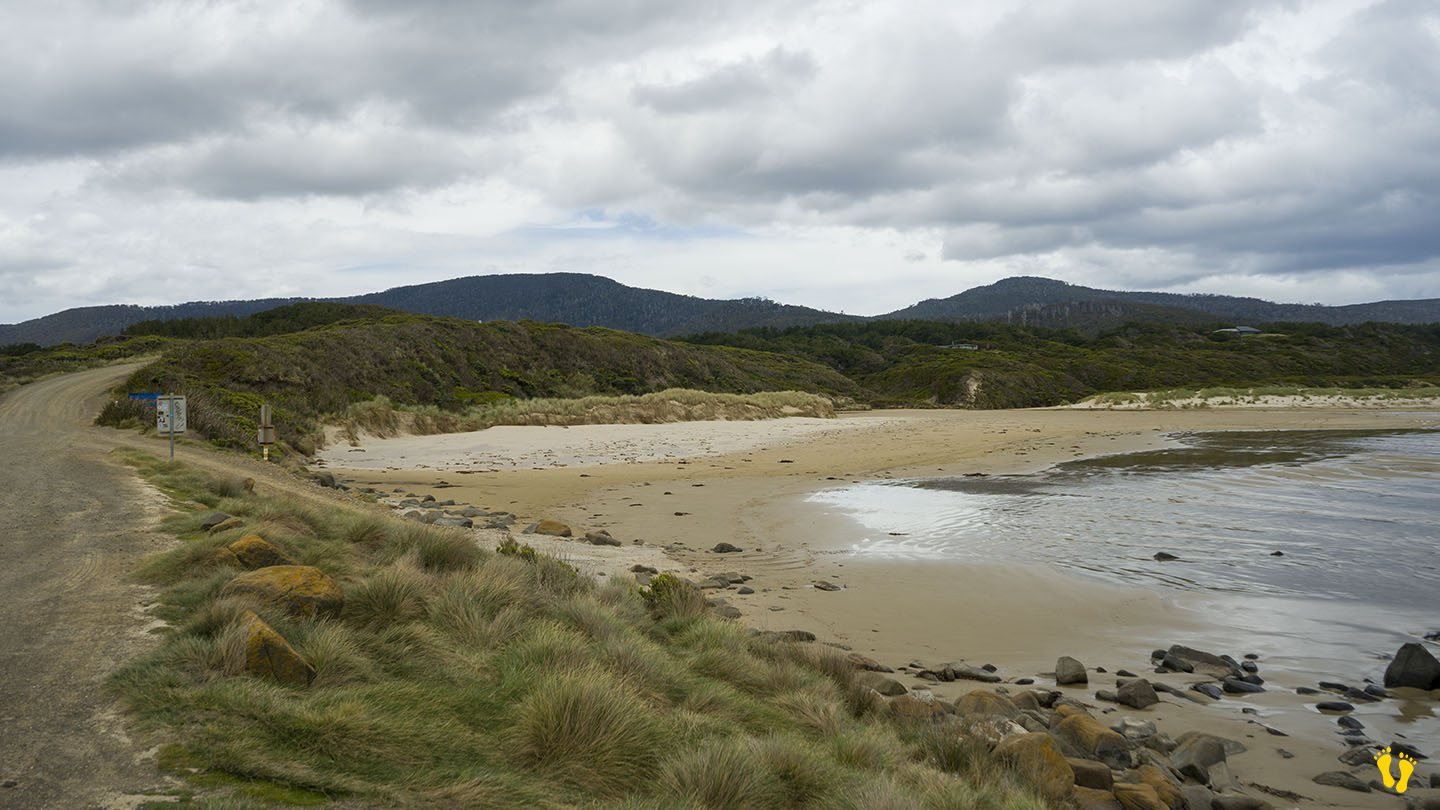
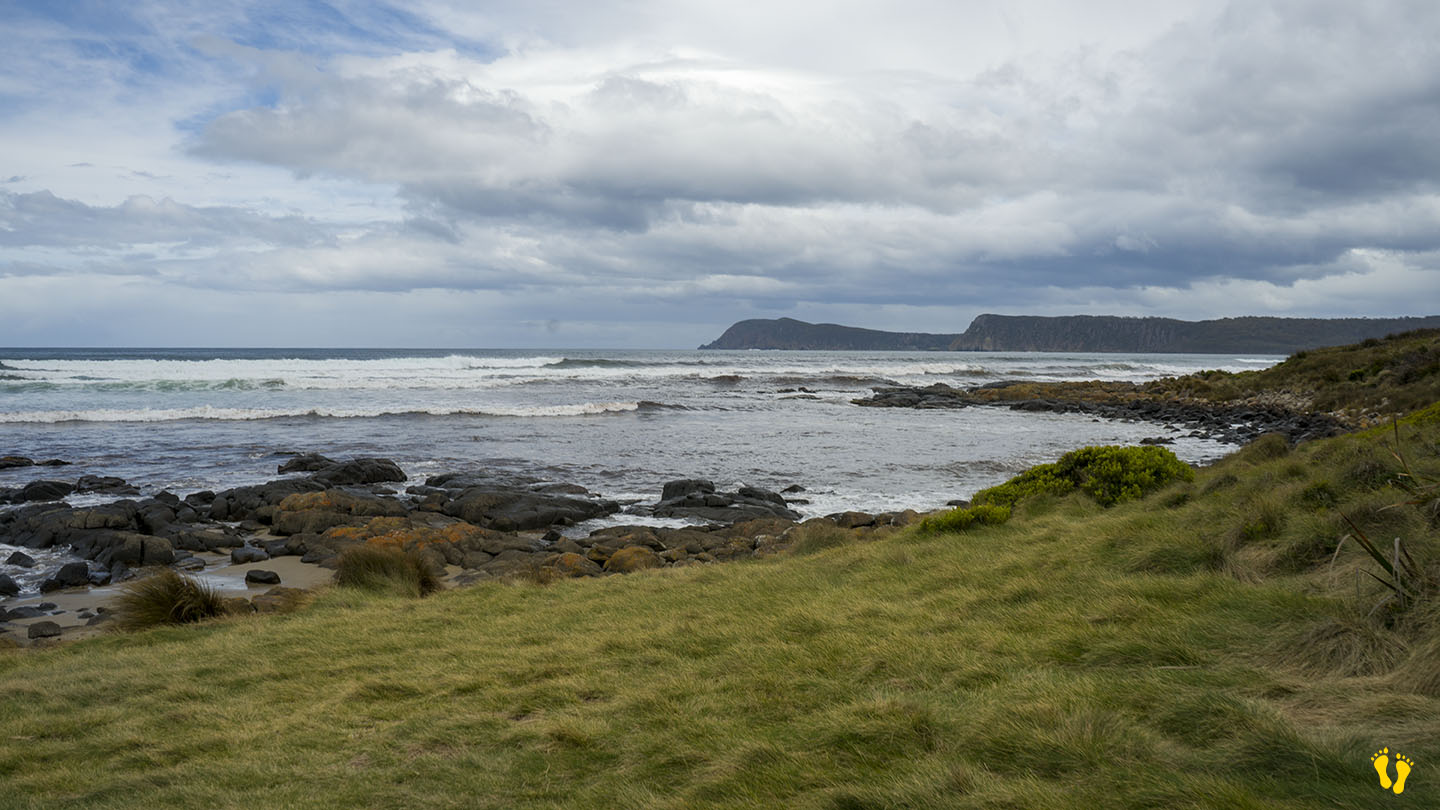
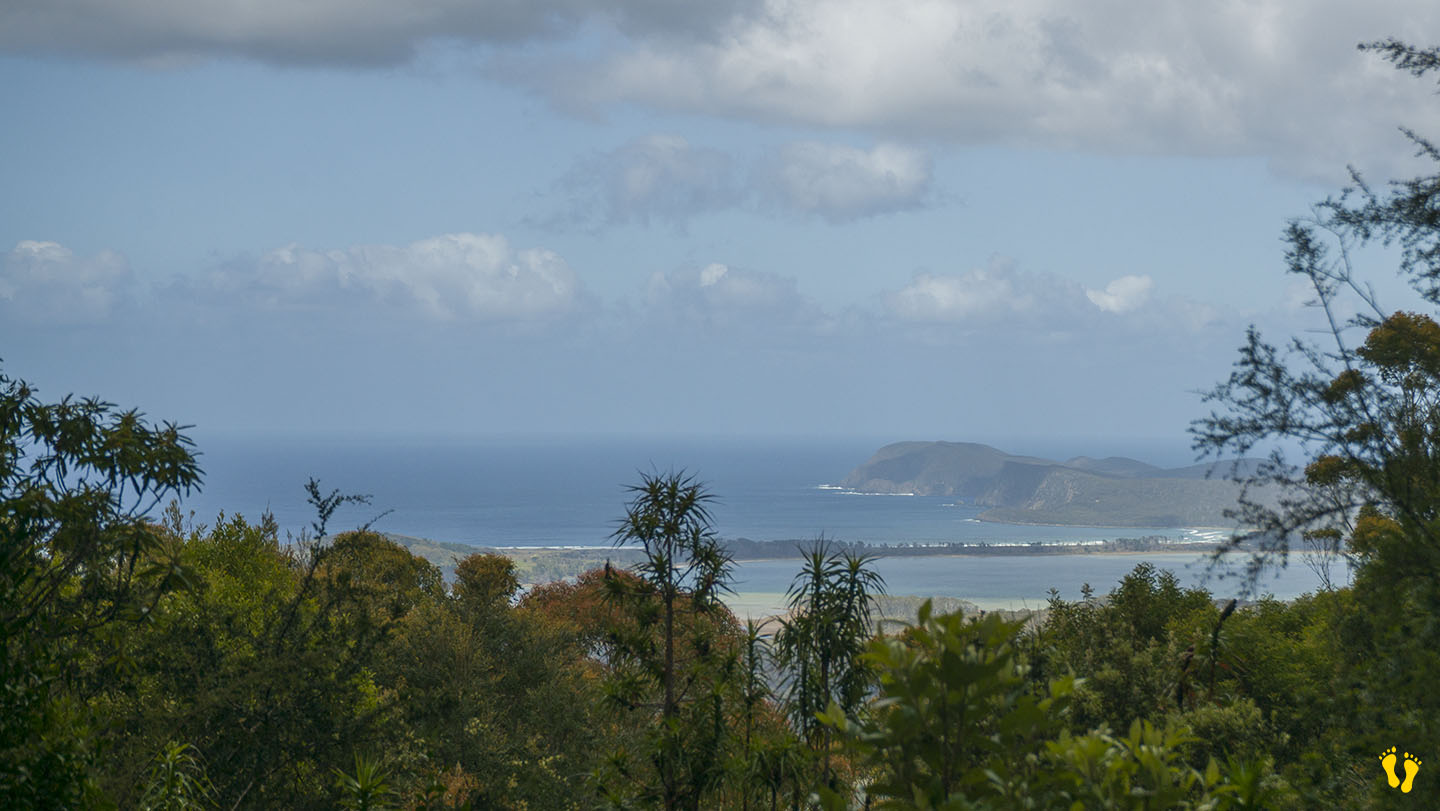
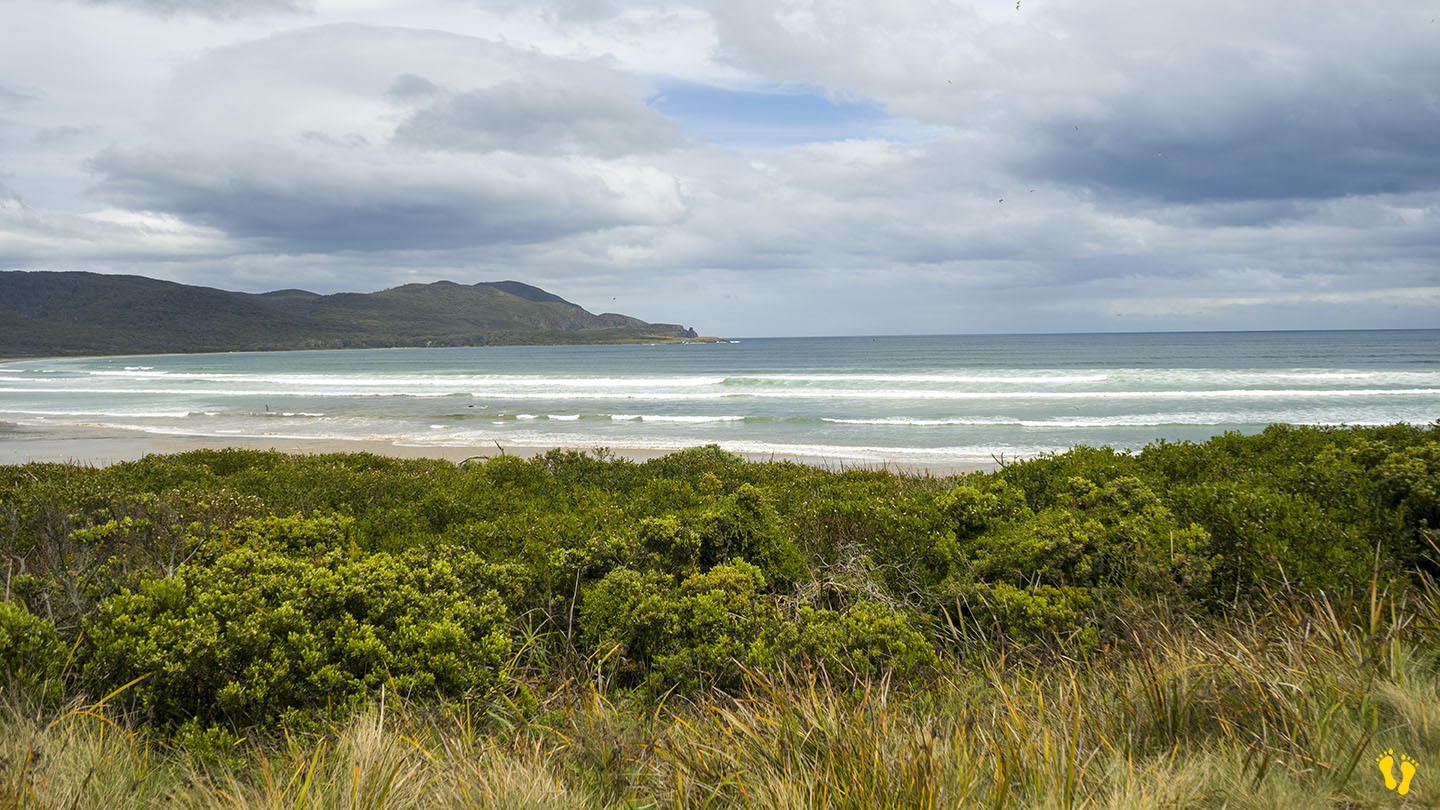
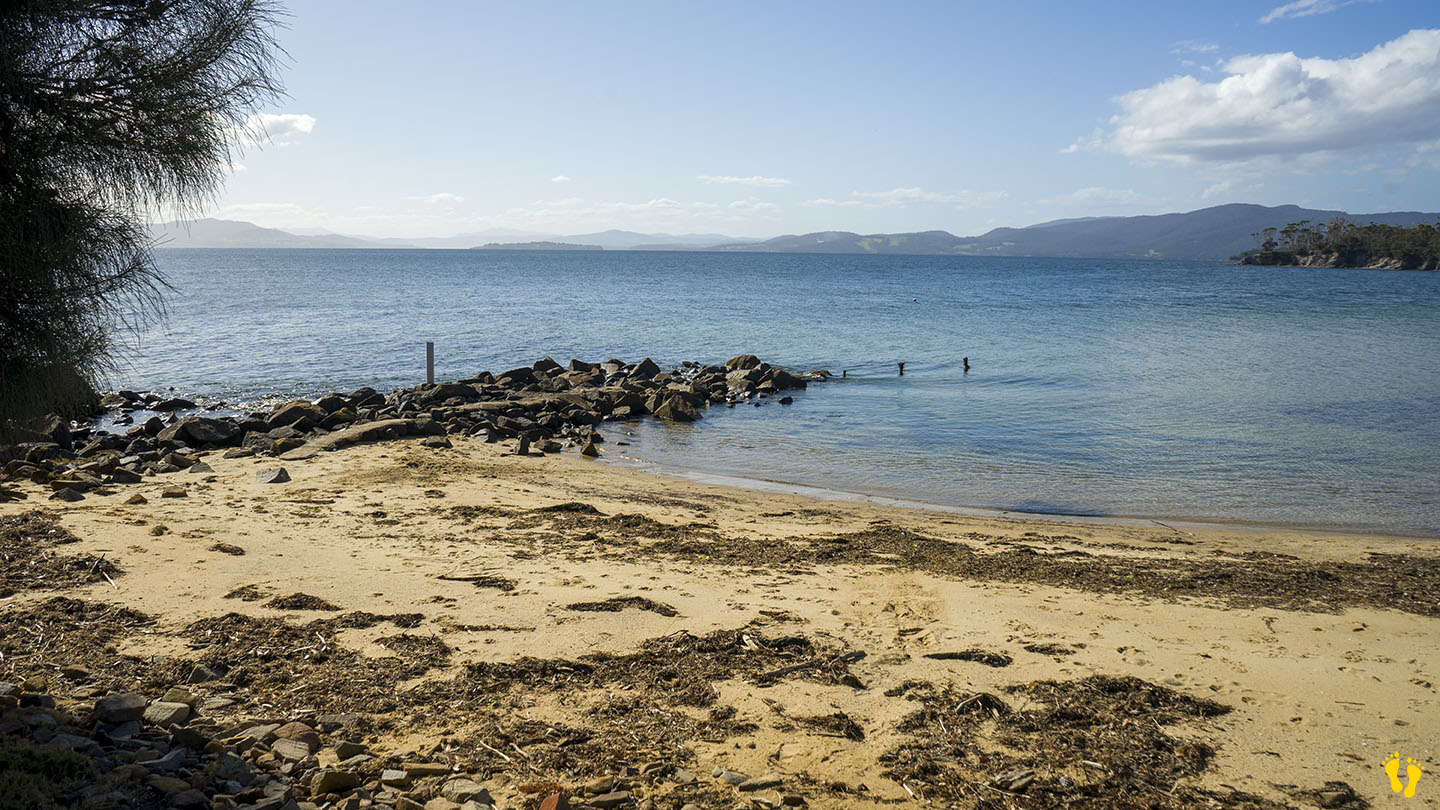
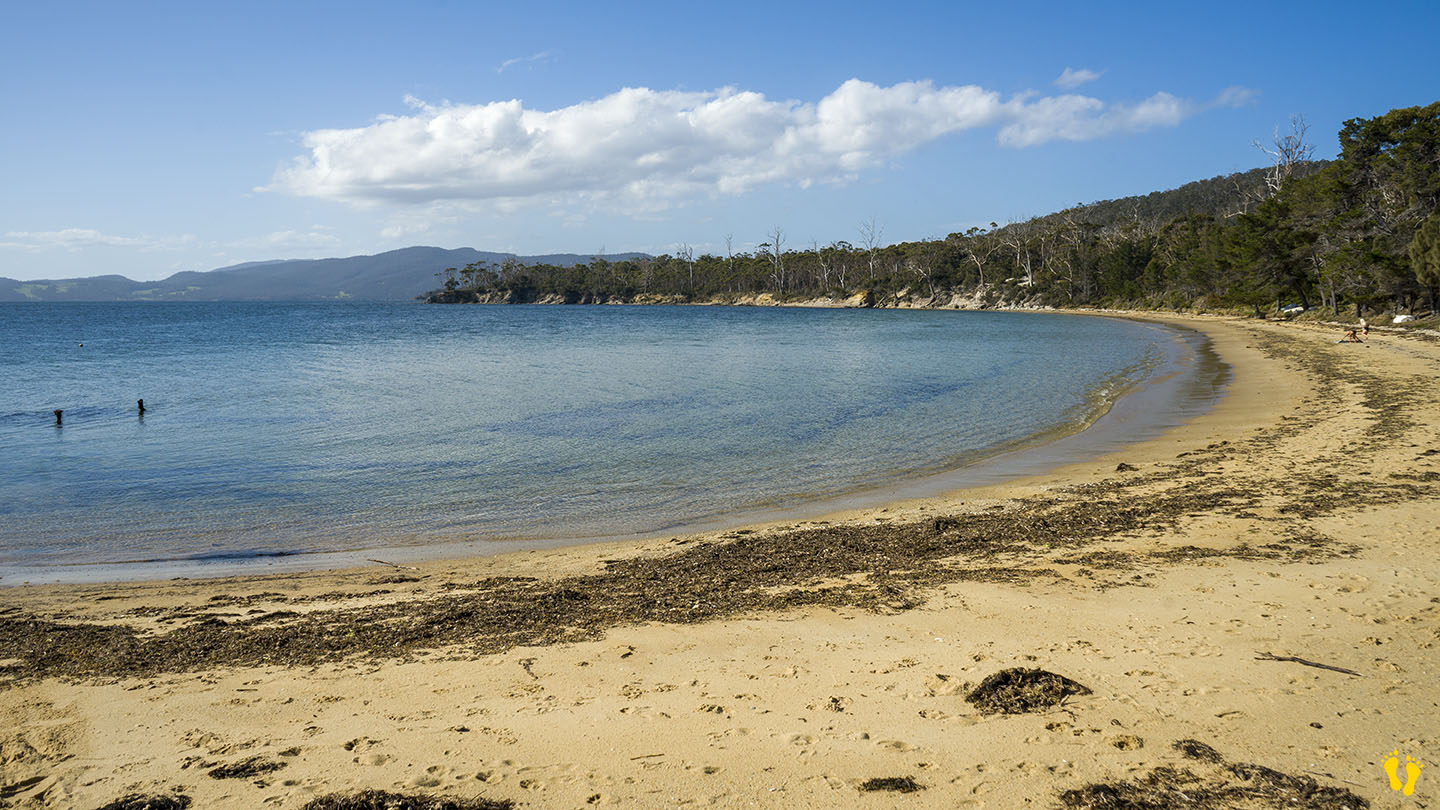
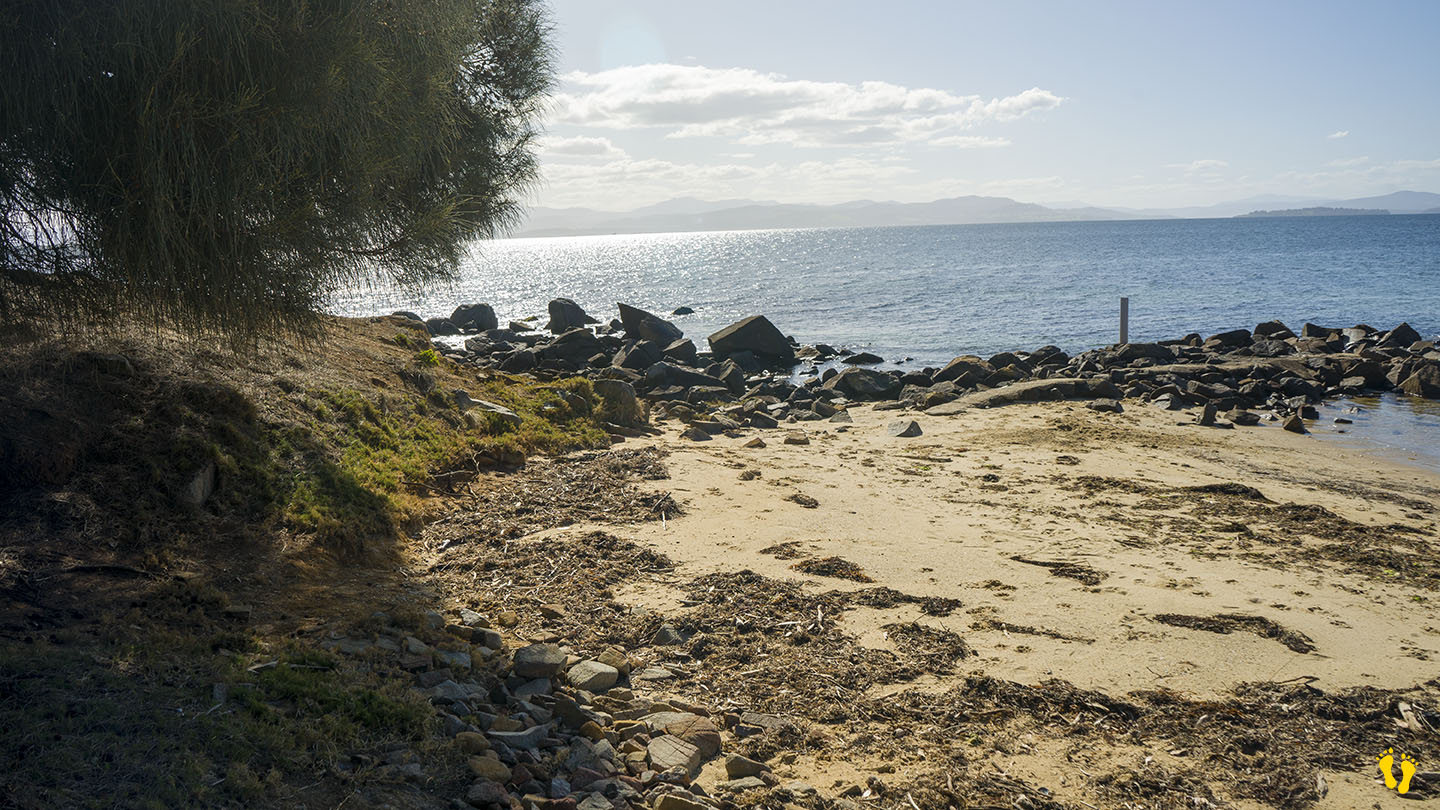
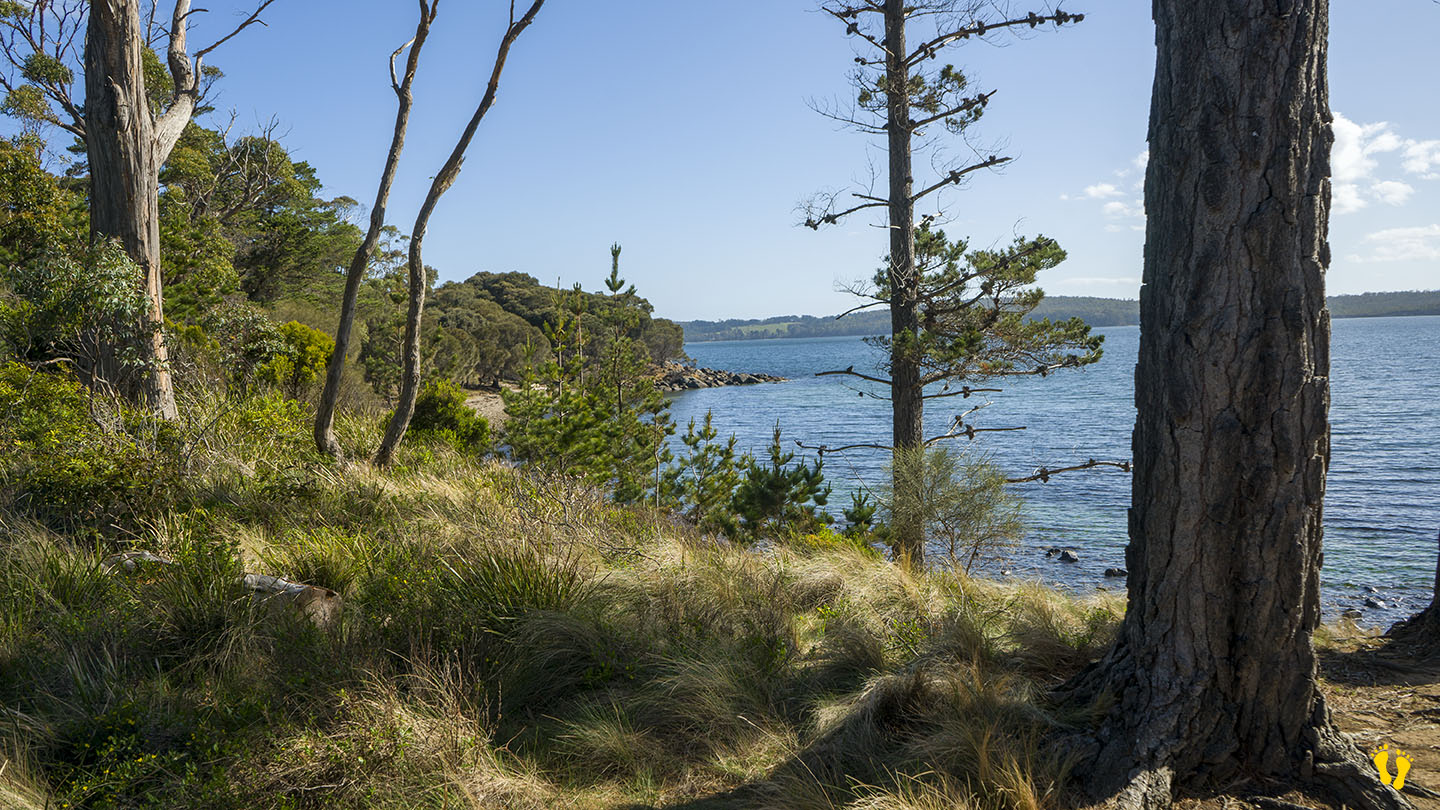
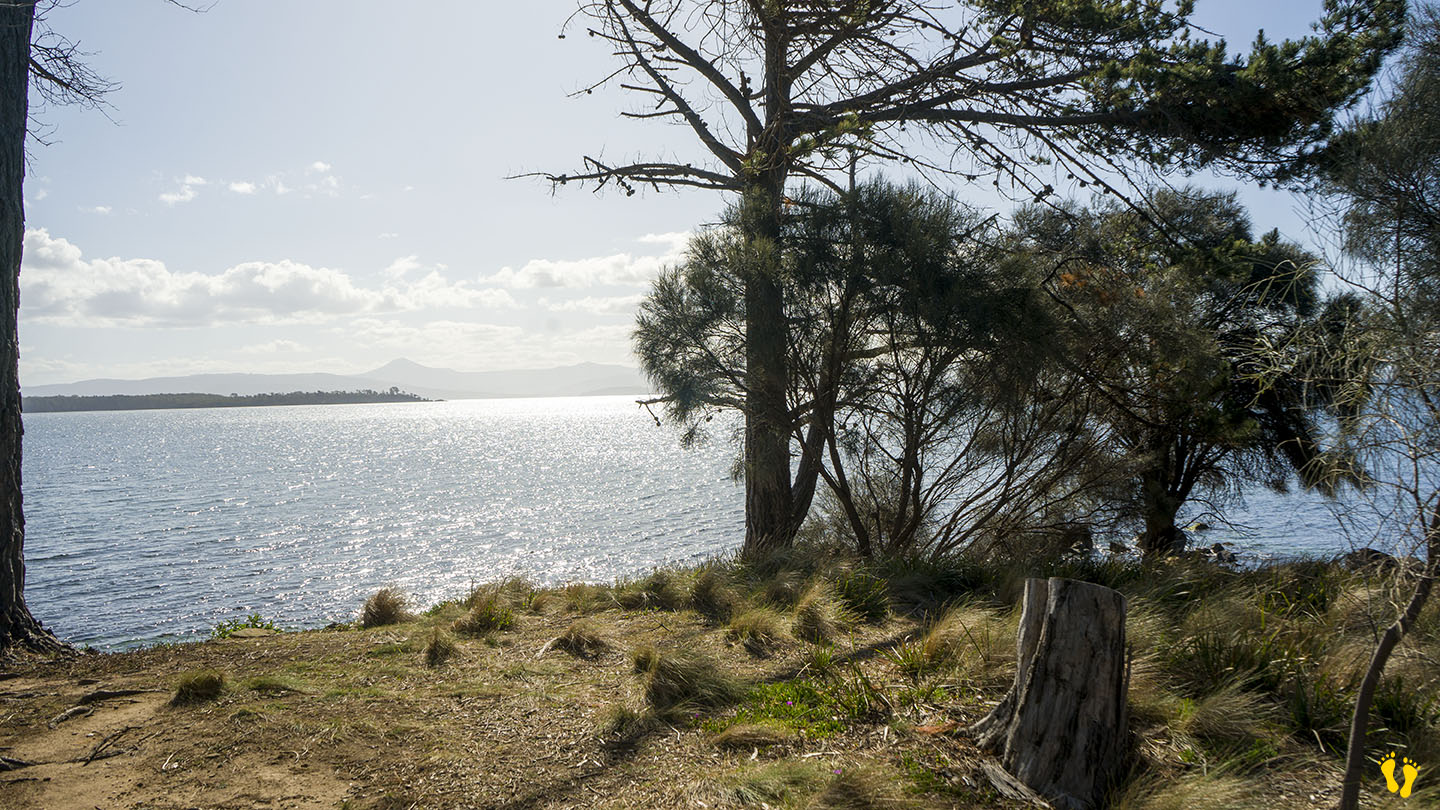
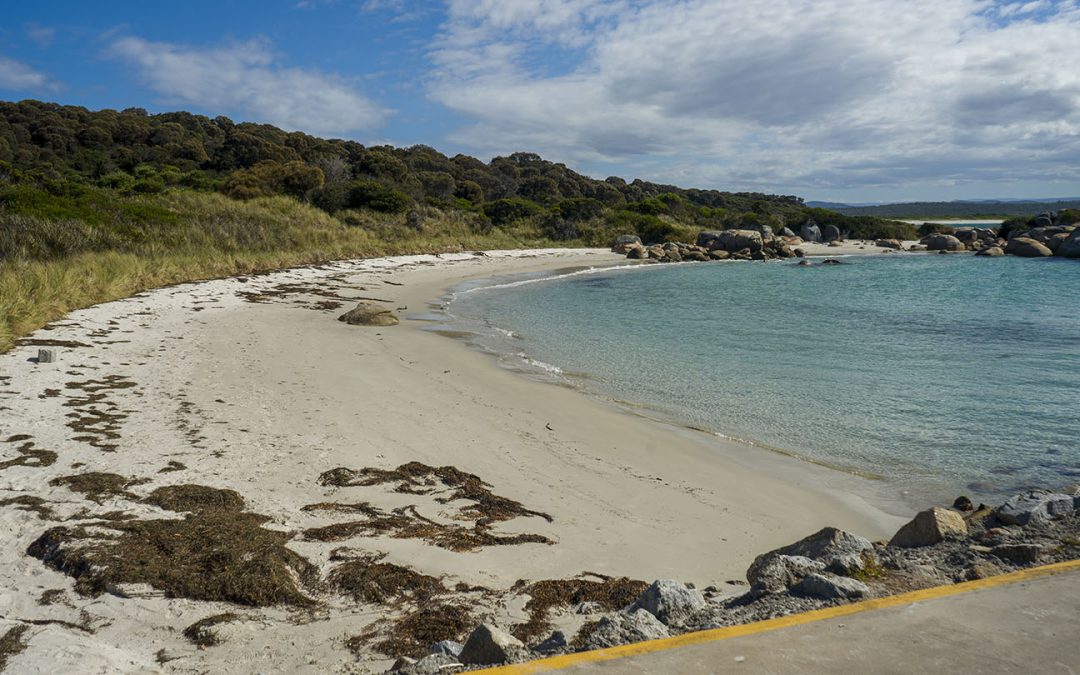
Burns Bay is a beach and boat ramp located at the end of St Helens Point Road on the peninsula NE of St Helens.
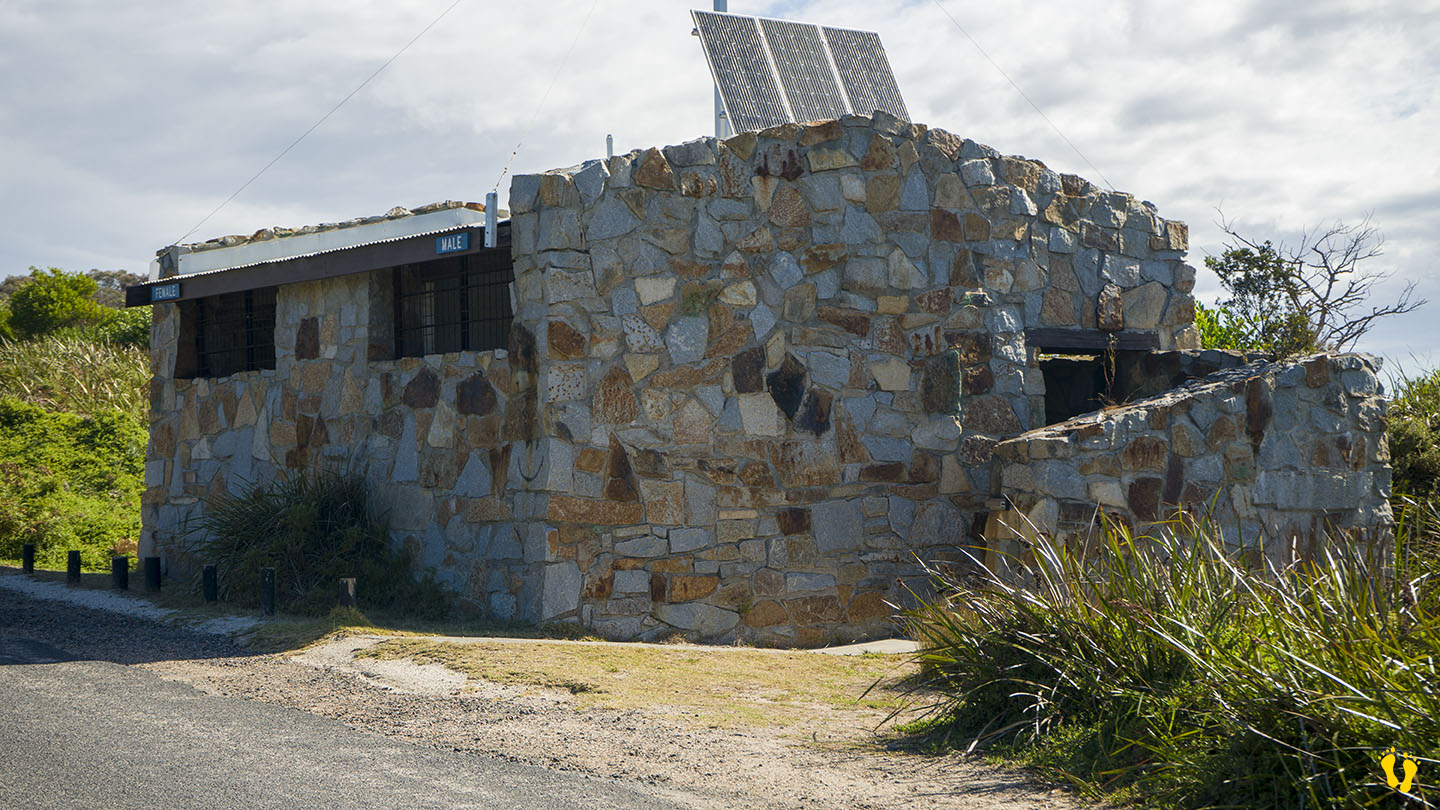
Located in a small protected bay, great for a swim or snorkel. A popular boat ramp with an interesting rock-built toilet block.
Named after a resident, Robby Burns.
Ignore some of the Google Maps markers as they are wrong – e.g., Beer Barrel Beach.
by Mickey Jarvis | Feb 5, 2023 | Dodges / Carlton, Patrolled, South East, Surf
South of Sorell |
Hazard Rating: 5/10 | Parking: Good + close | from Hobart: 40 km | Faces: South-ish into Tiger Head Bay | Length: 2.8 km
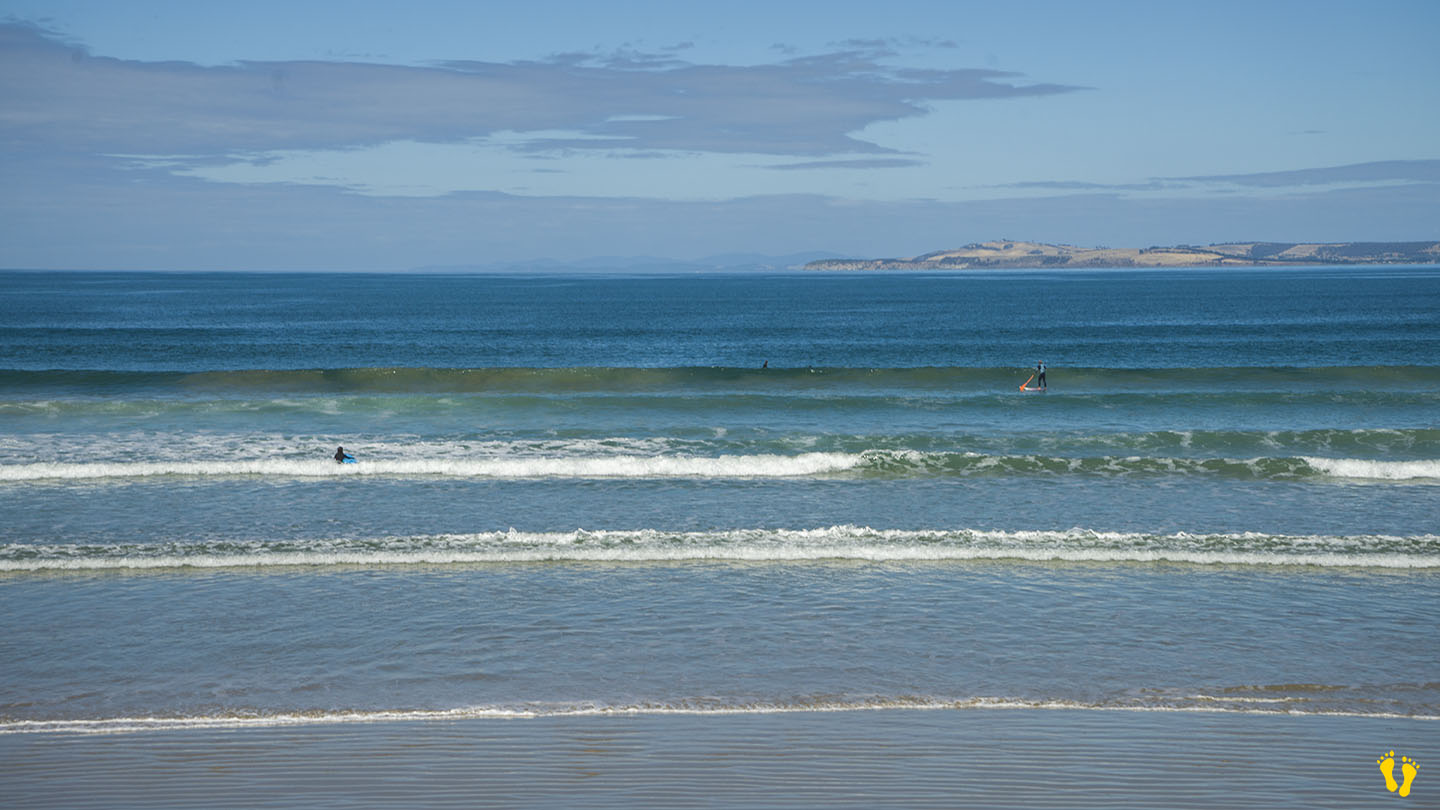
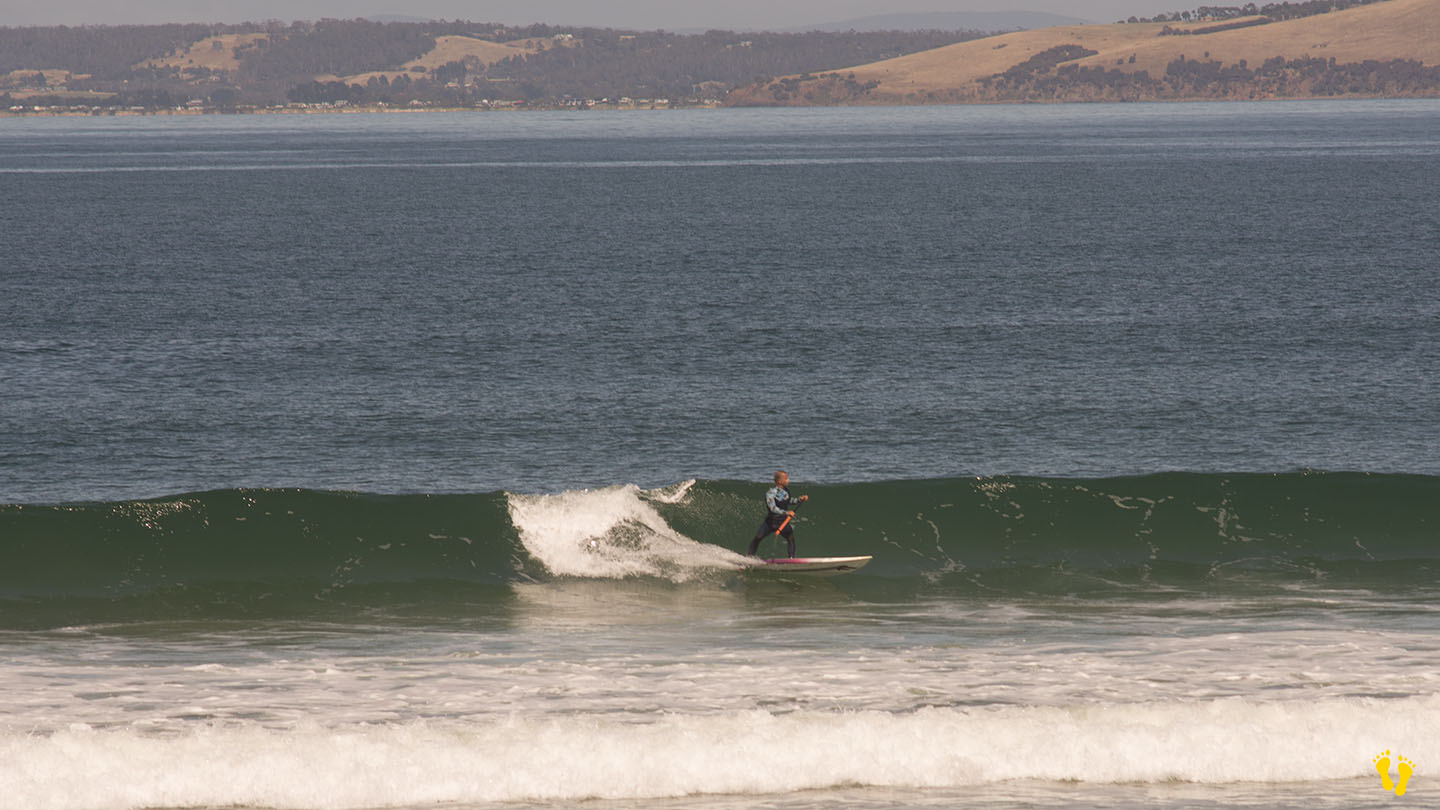
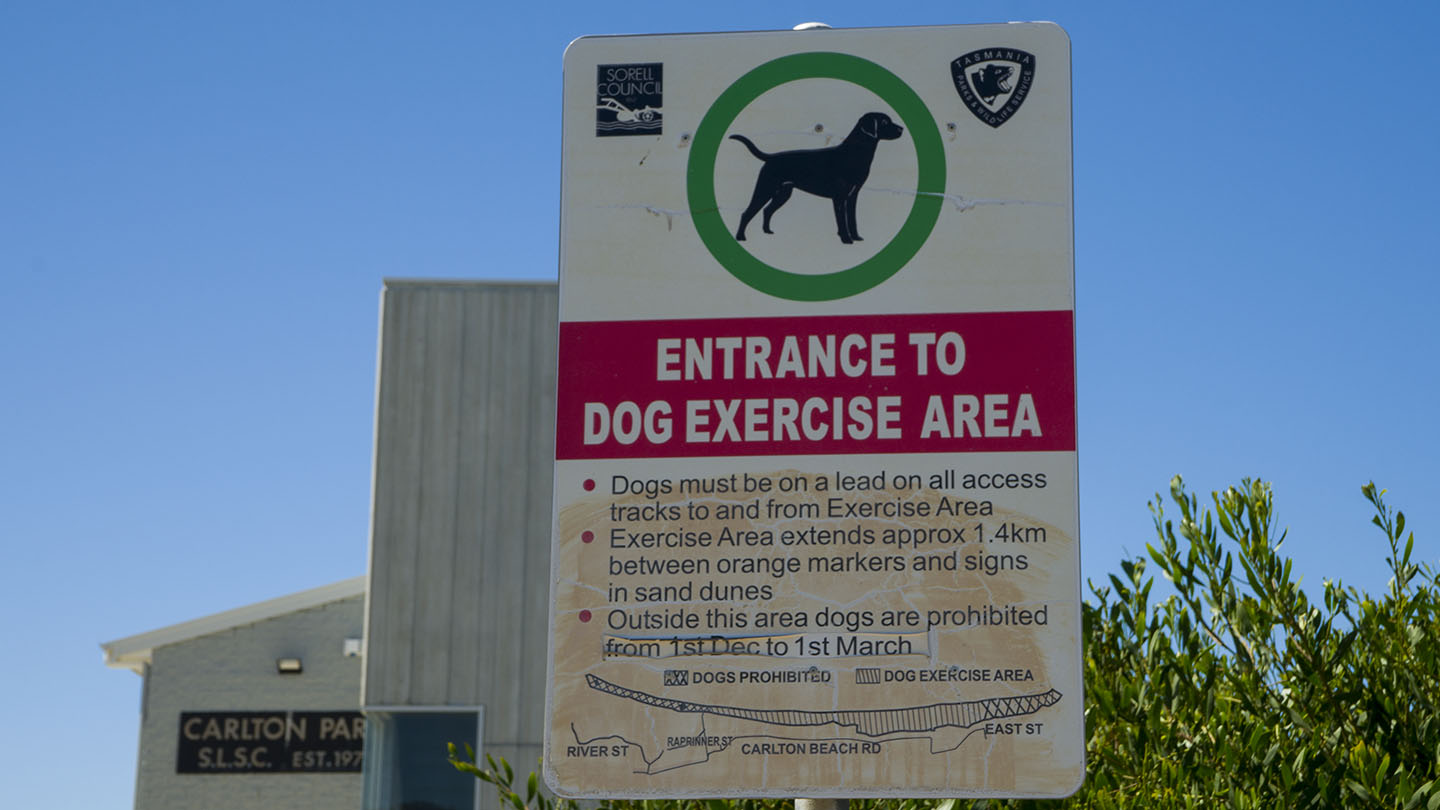
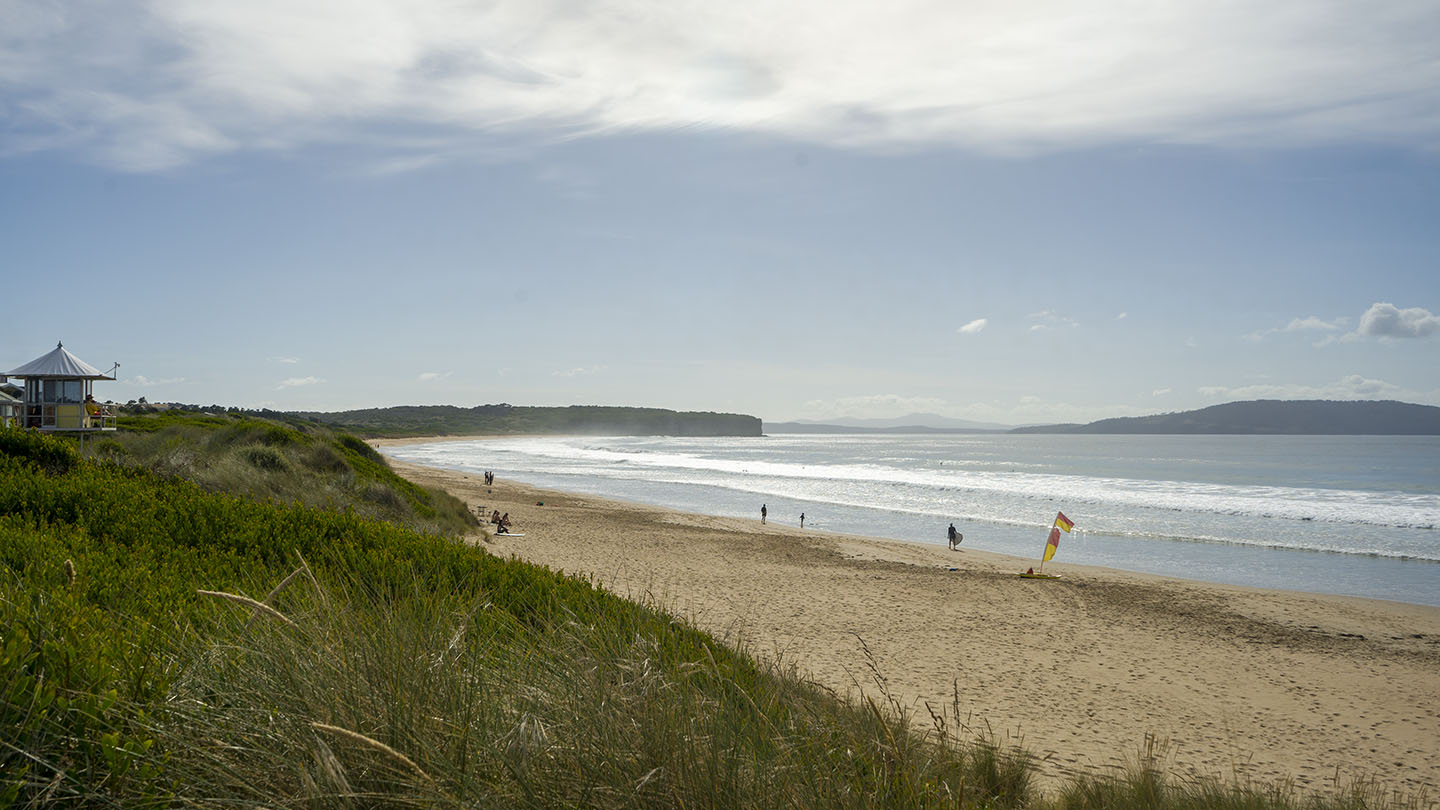
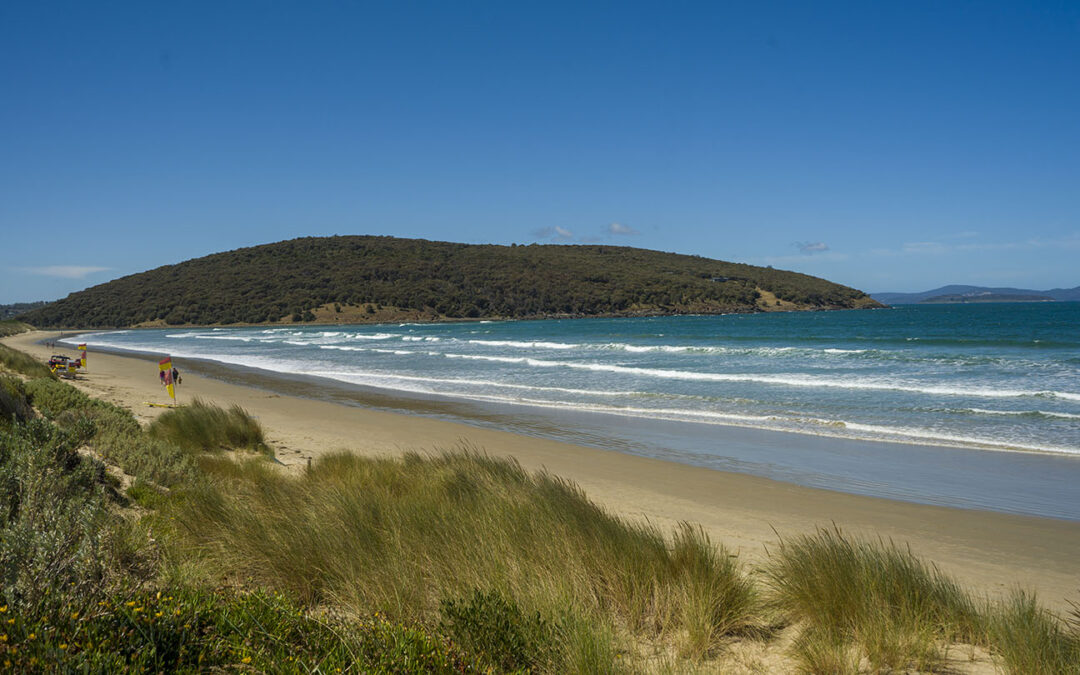
The east end is Carlton Beach (the west end is referred to as Park Beach). Close parking but may become limited on good days (sun or surf). Can be accessed along it’s length by means of walkways from Carlton Beach Road (100-200m).
The east has has amenities and is patrolled. A good beach to learn surfing and boarding when patrolled.
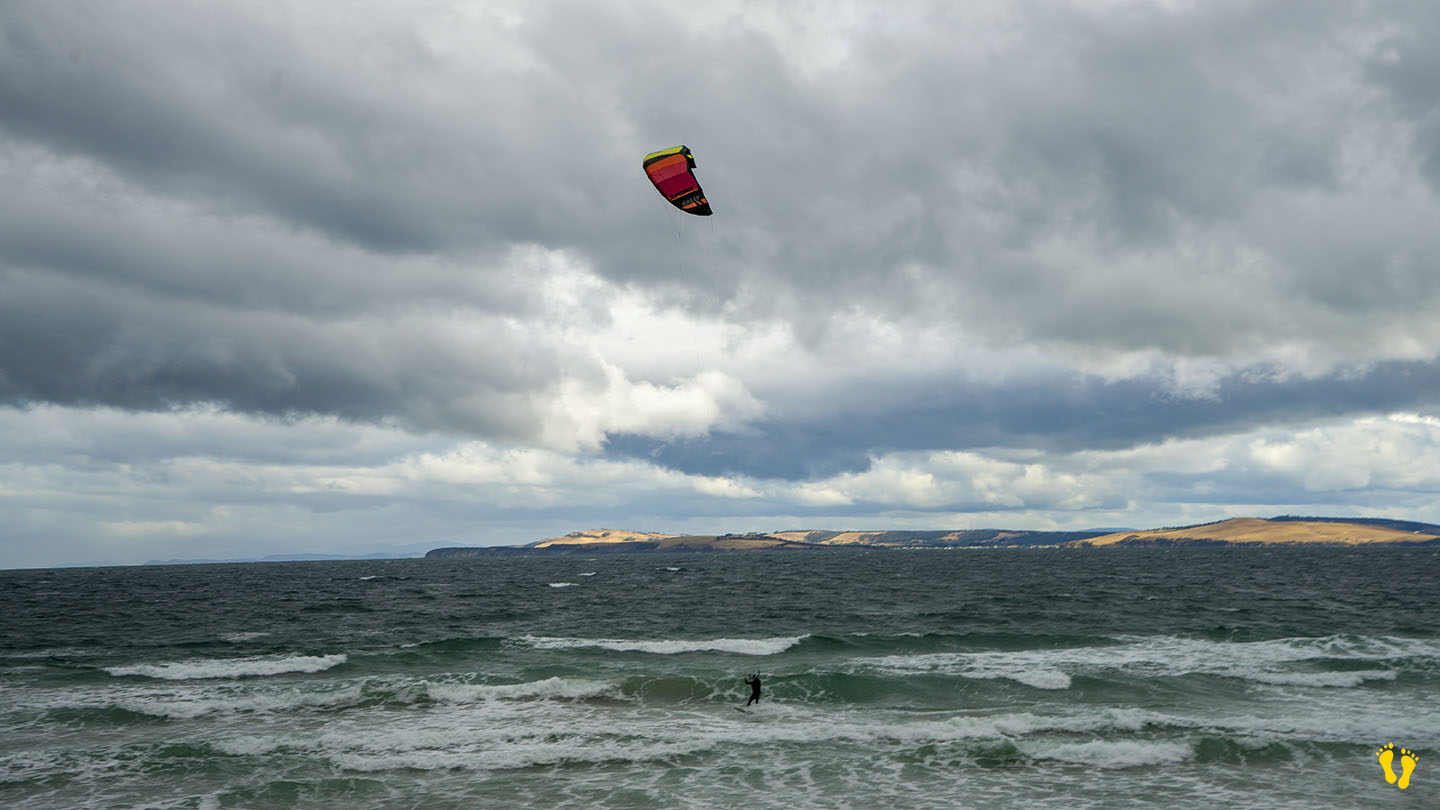
At the far east end of the beach is the Carlton Rivermouth which is known for its surf break but not recommended for swimming due to strong currents.
Named by a whaler in 1806 the word Carlton means ‘free peasant settlement’.

by Mickey Jarvis | Nov 11, 2024 | Bruny Island, Surf
Bruny Island | Hazard Rating: 7/10 | Parking: Good + close | Location: South Bruny Island | Faces: South | Length: 9 km (ish)
Original People: Nuenonne | Original Name: lunawannalonna (Bruny Island)
Information and review
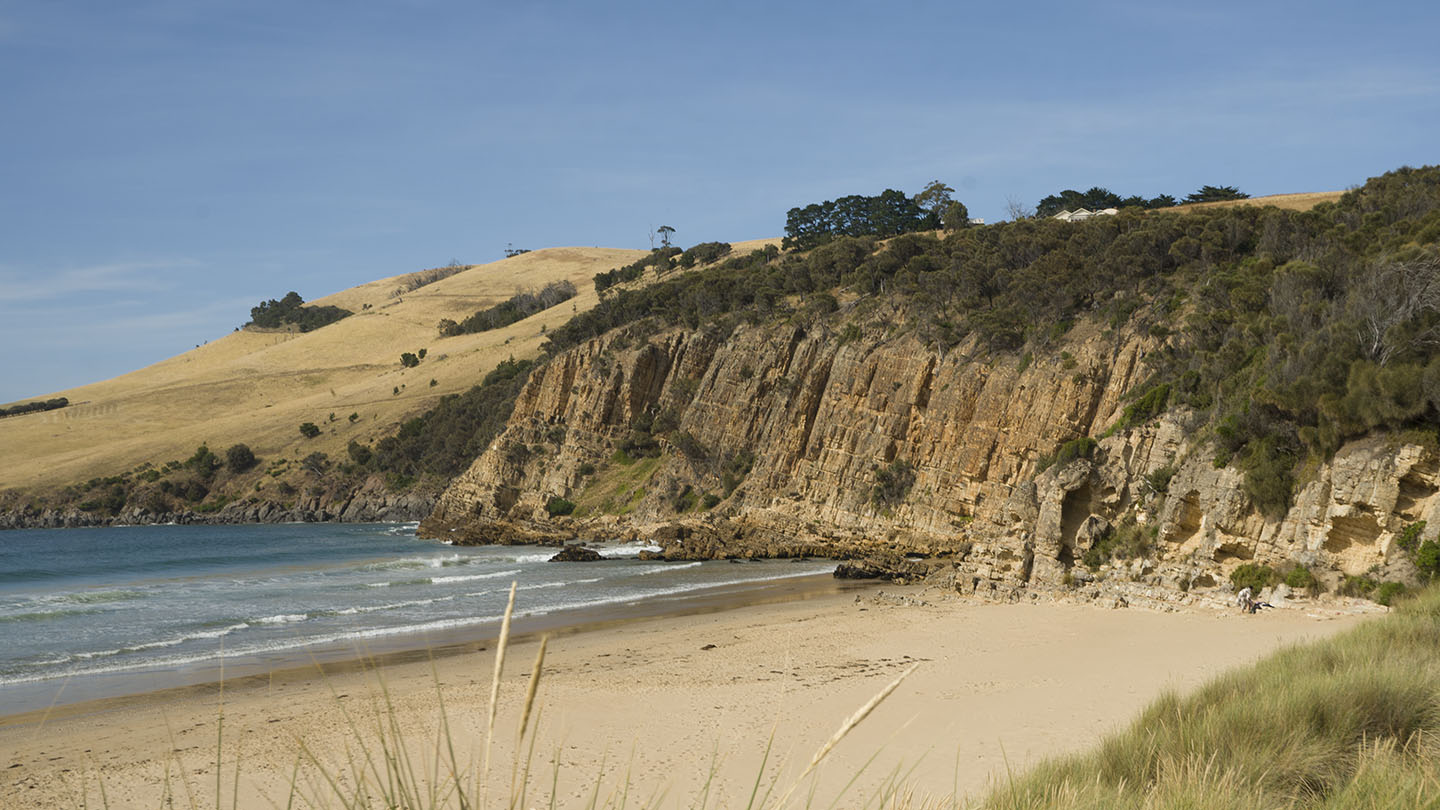
Cloudy Bay is a spectacular beach and bay at the south end of Bruny Island. A long beach with a headland in the middle and an inland lagoon (Cloudy Bay Lagoon) that feeds into the sea via Inlet Beach. To get there turn left at Lunawanna – about 10 Km to Cloudy, view some of the unique flora on the way.
This is a wild beach in a remote area of South Bruny with great surf. Although dangerous to swim, it is worth visiting to explore, view and enjoy.
Cloudy is a renowned surf beach, particularly the west end, a 500+ metre walk west from the carpark. Looking south the next stop is Antarctica.
The bay was originally named l’baie Mauvaise (Bad Bay) by French explorer Bruni D’Entrecasteaux in 1792. After 1822, it was marked on maps as Bad Bay, and after 1859, it became known as Cloudy Bay.
Cloudy has one the best bush ‘loos’ with a view I have seen – sit and enjoy the fantastic view!
I cannot express how much I think anyone visiting Bruny Island should visit this beach – in terms of great beaches it is a wonder of the world.
by Mickey Jarvis | Nov 24, 2024 | Bruny Island, Low Hazard
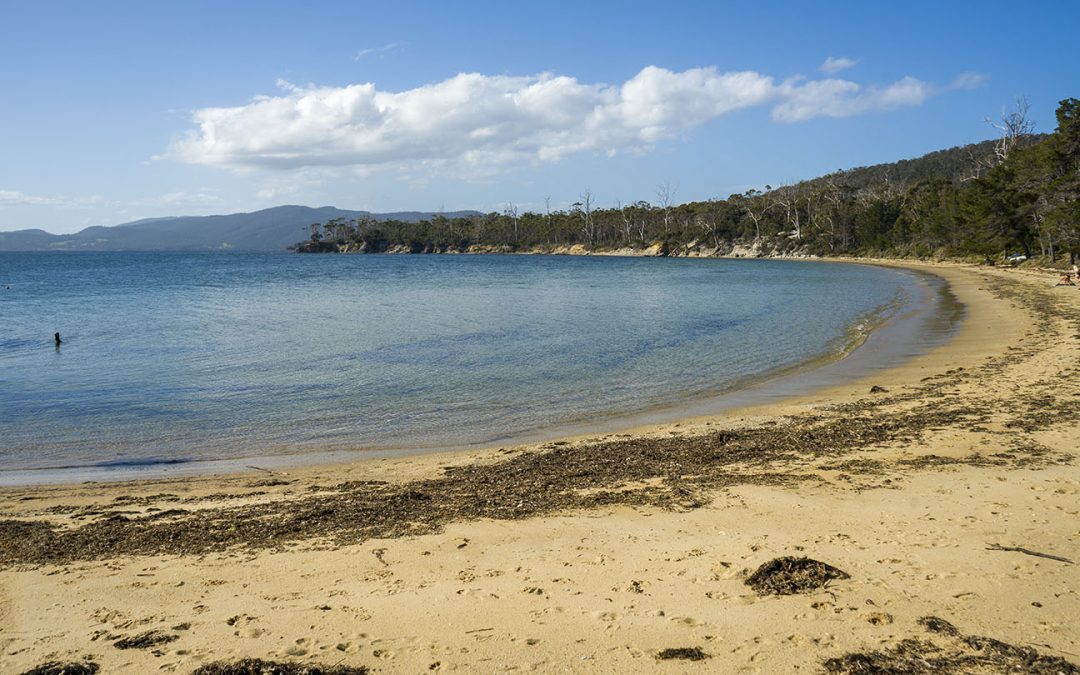
Bruny Island | Hazard Rating: 1/10 | Parking: Good + close | Faces: West-ish into Little Taylor Bay | Length: 500 m
Original People: Nuenonne | Original Name: lunawannalonna (Bruny Island)
A small safe generally unknown beach about 3 km north of Lunawanna that is protected and great for families with small kids.
Named after a small cemetery at the end of the road – access via Cemetary Road just north of Lunawanna.
by Mickey Jarvis | Jan 27, 2023 | Patrolled, South Arm Road, Surf
South Arm Road |
Hazard Rating: 6/10 | Parking: Good + close | from Hobart: 30 km | Faces: South into Storm Bay | Length: 2.1 km
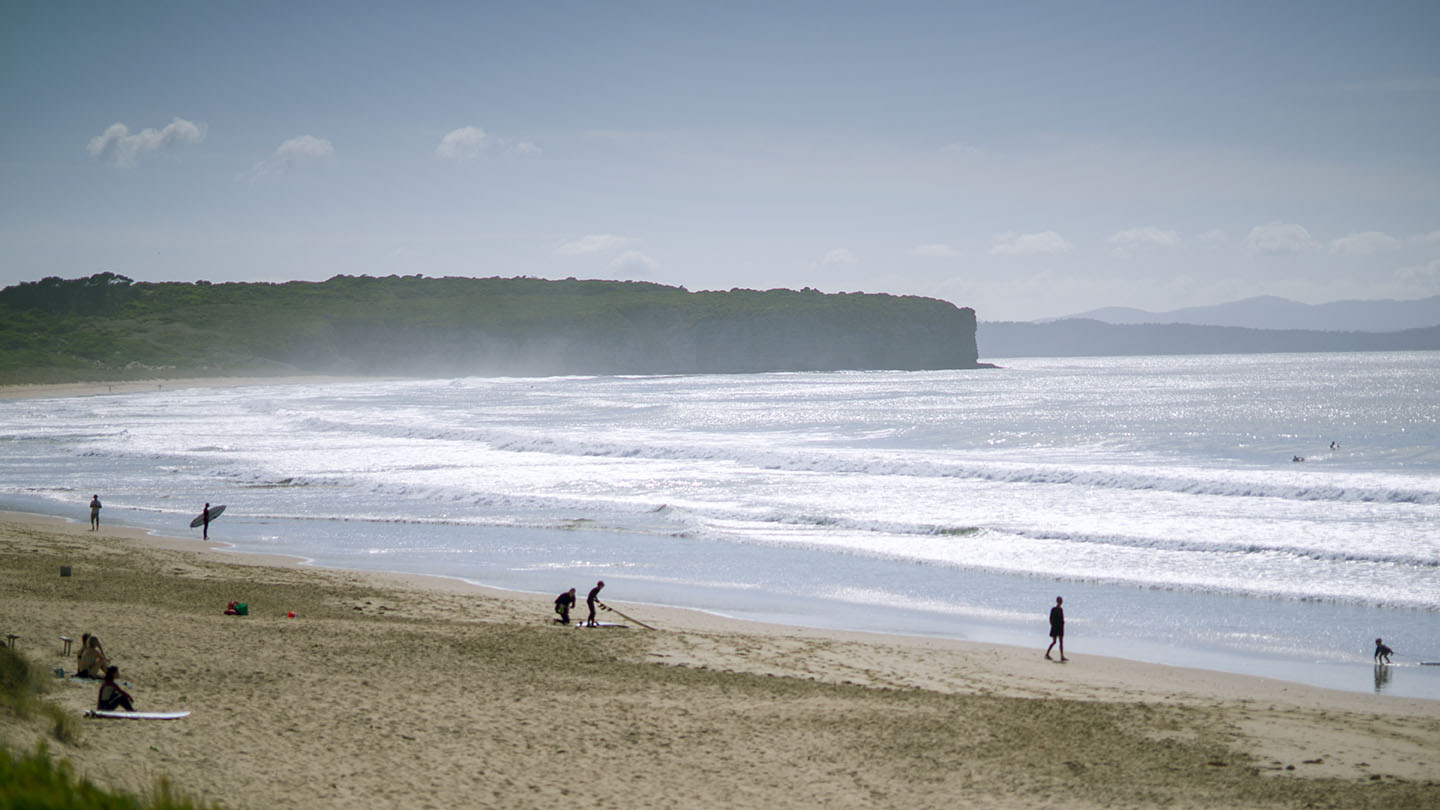
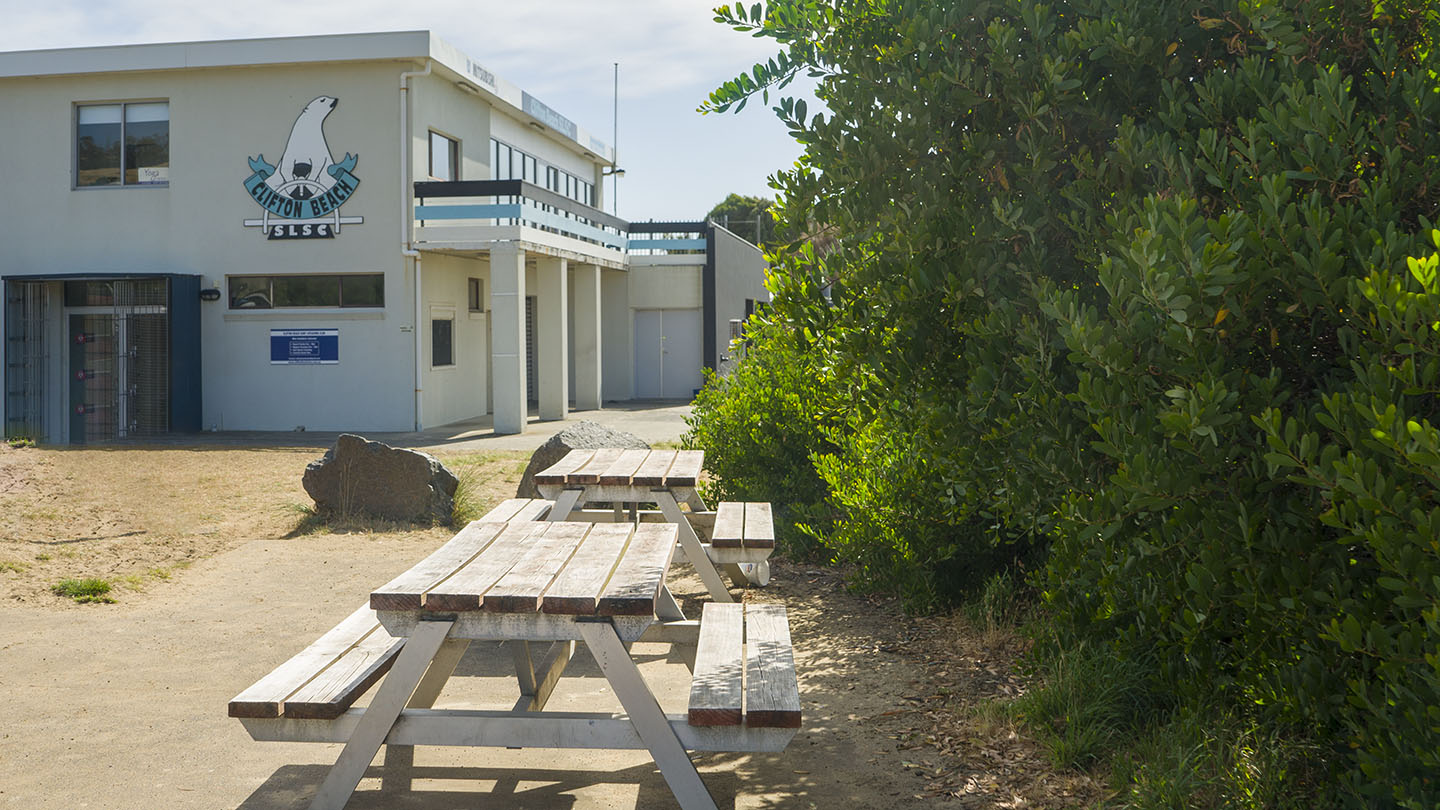
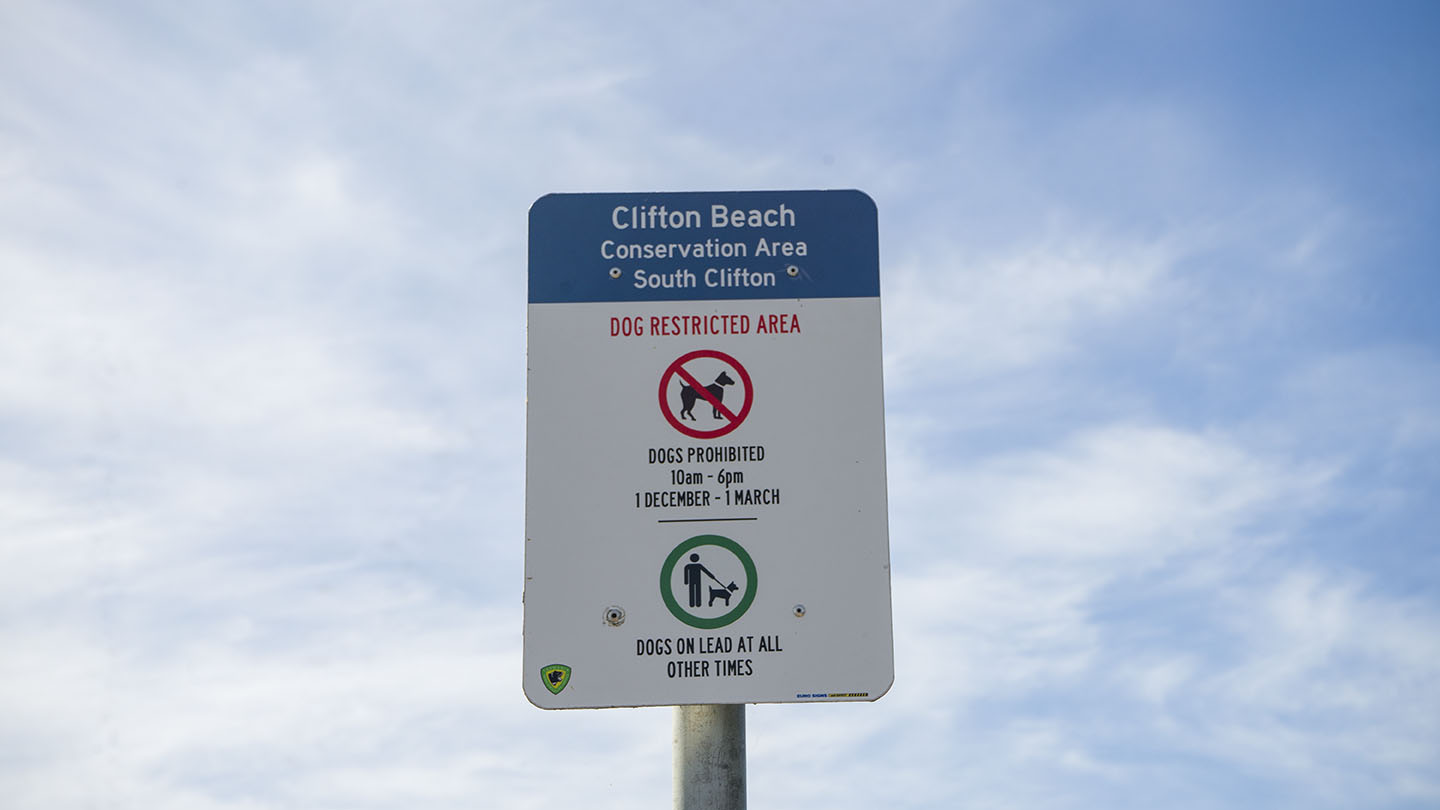
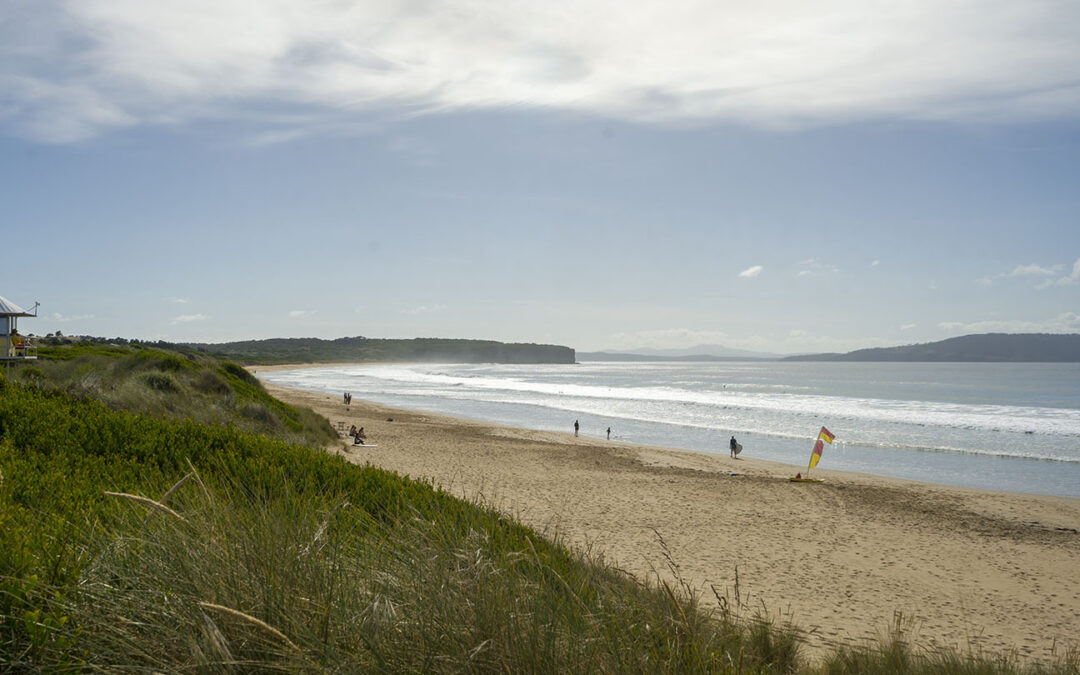
Located off South Arm Road, Clifton Beach is a popular surf beach. The west end is generally referred to as South Clifton and the east end as North Clifton?
South has close parking but may become busy on good days. Good amenities and is often patrolled.
North is accessed via Cape Deslacs Track and a 300m walk and has no amenities. Often has better surf than the south end.
South is a good beach to learn surfing and boarding as it has consistent surf and is often patrolled.