by Mickey Jarvis | Nov 18, 2024 | Bruny Island
Hazard Rating: 6/10 | Parking: Limited | Faces: South East into the Tasman Sea | Length: 10km
Original People: Nuenonne | Original Name: lunawannalonna (Bruny Island).
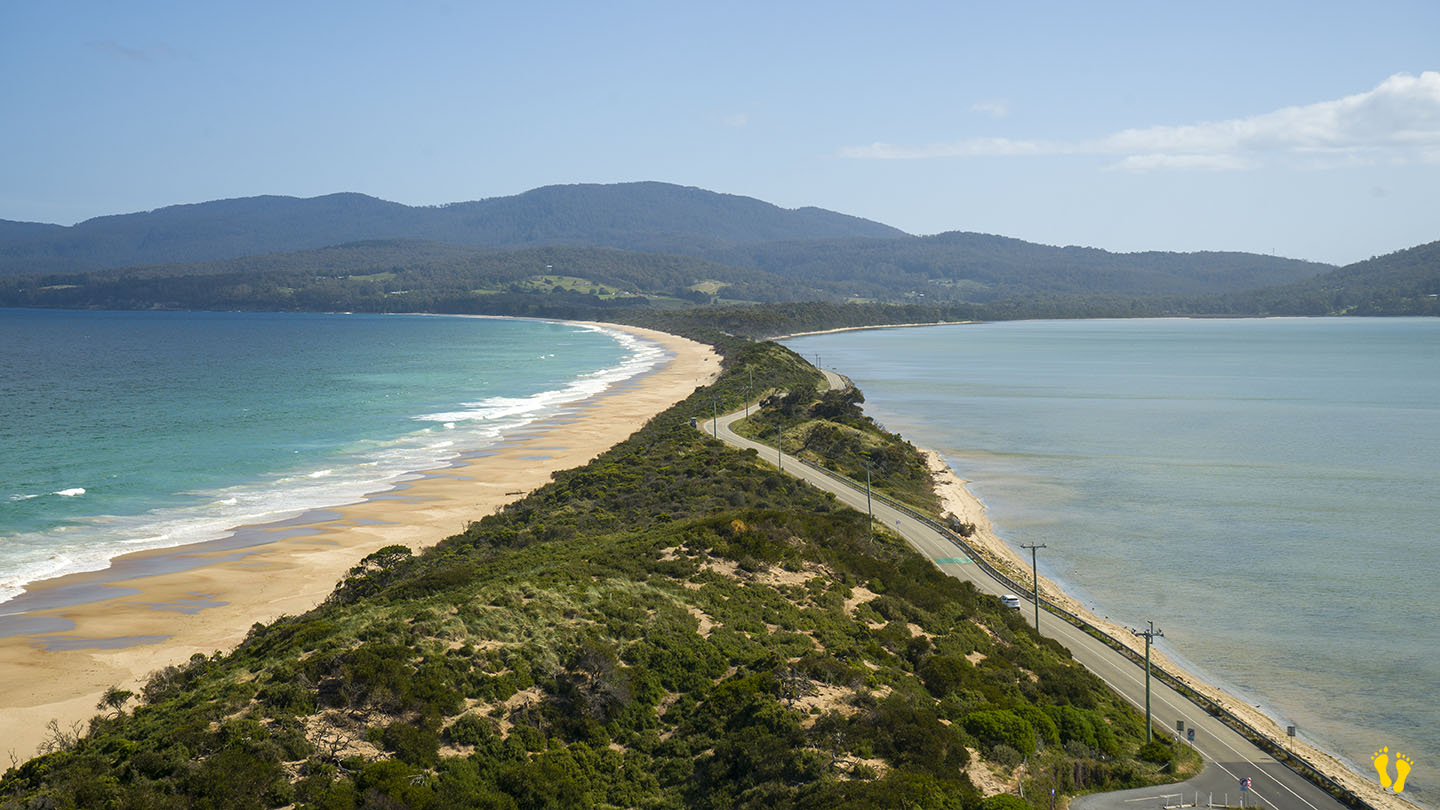
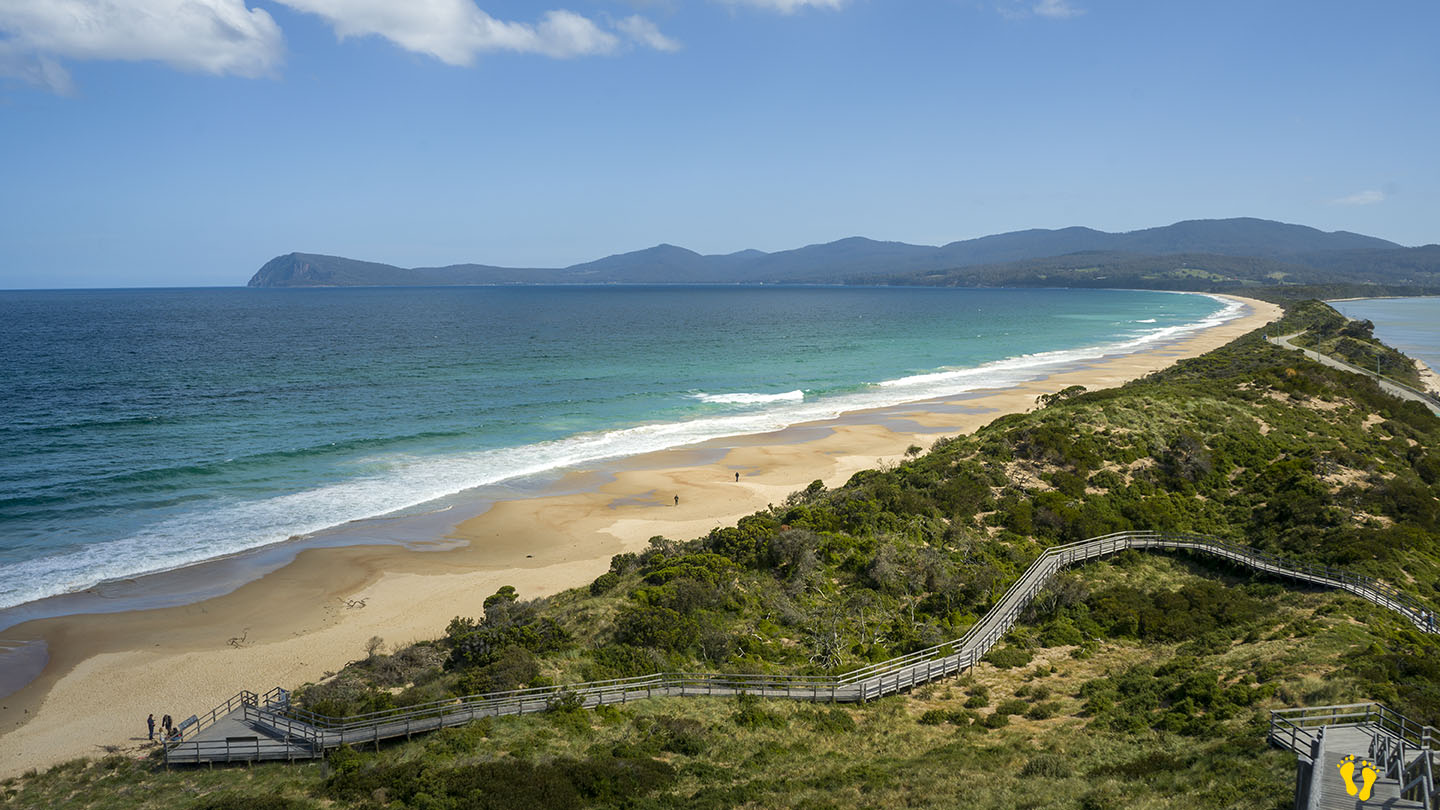
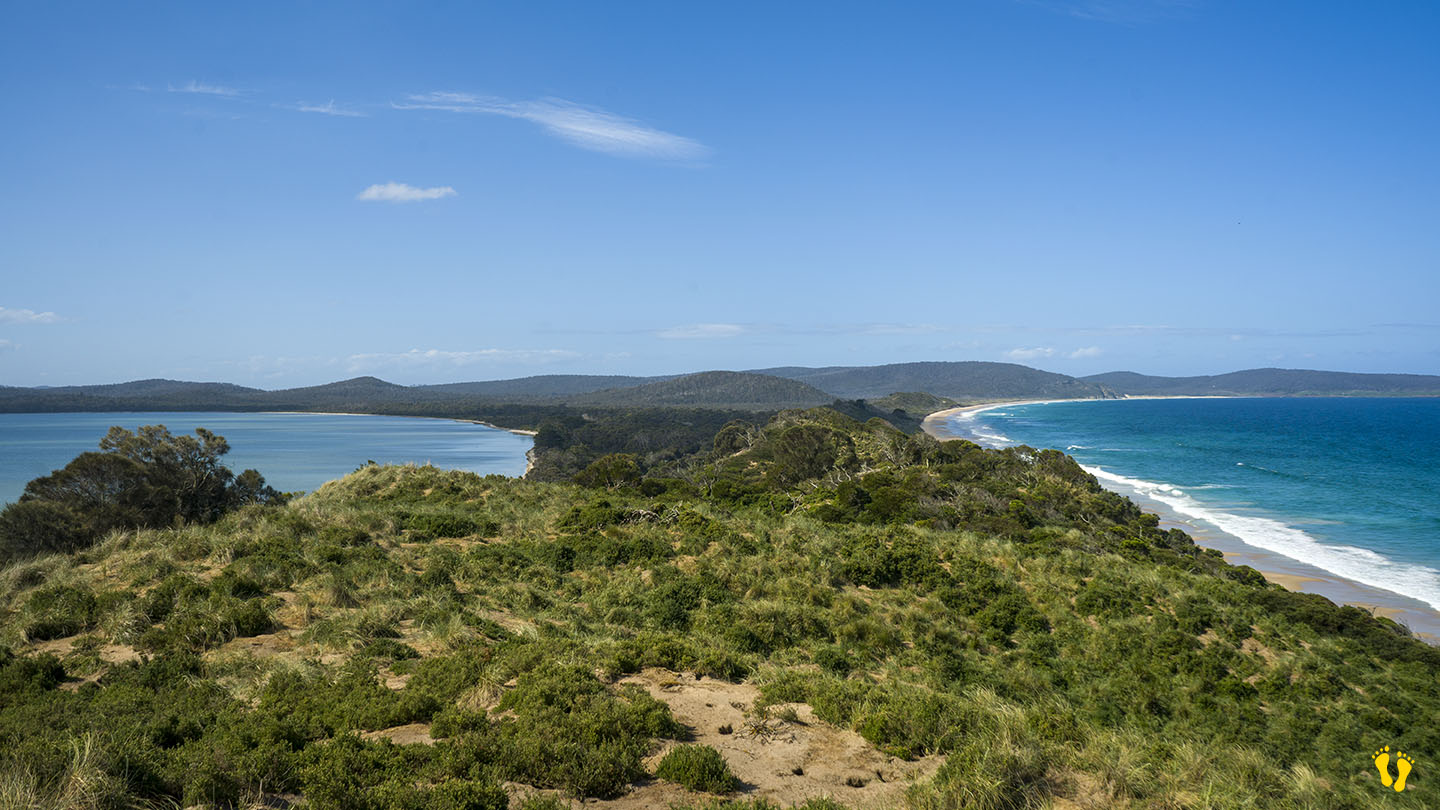
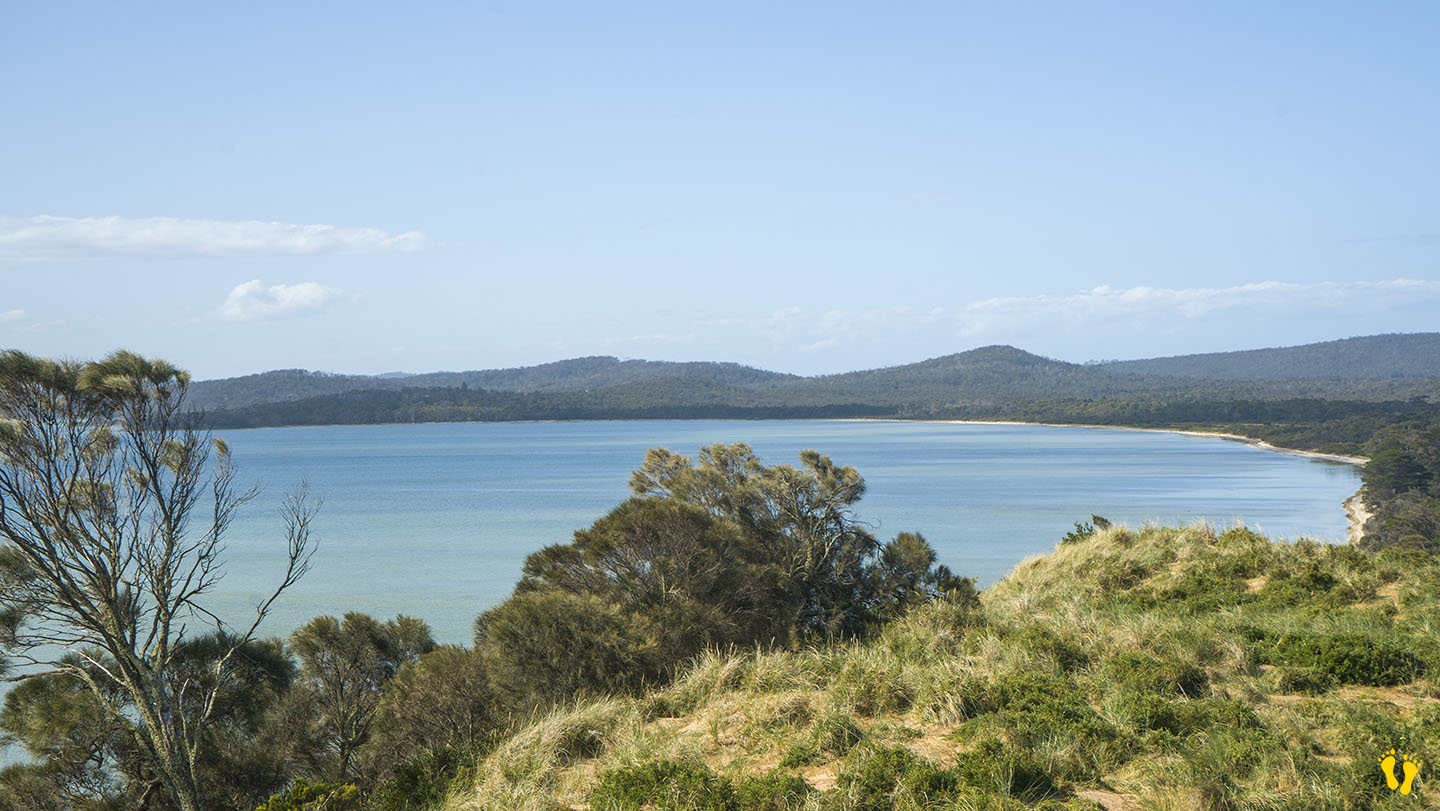
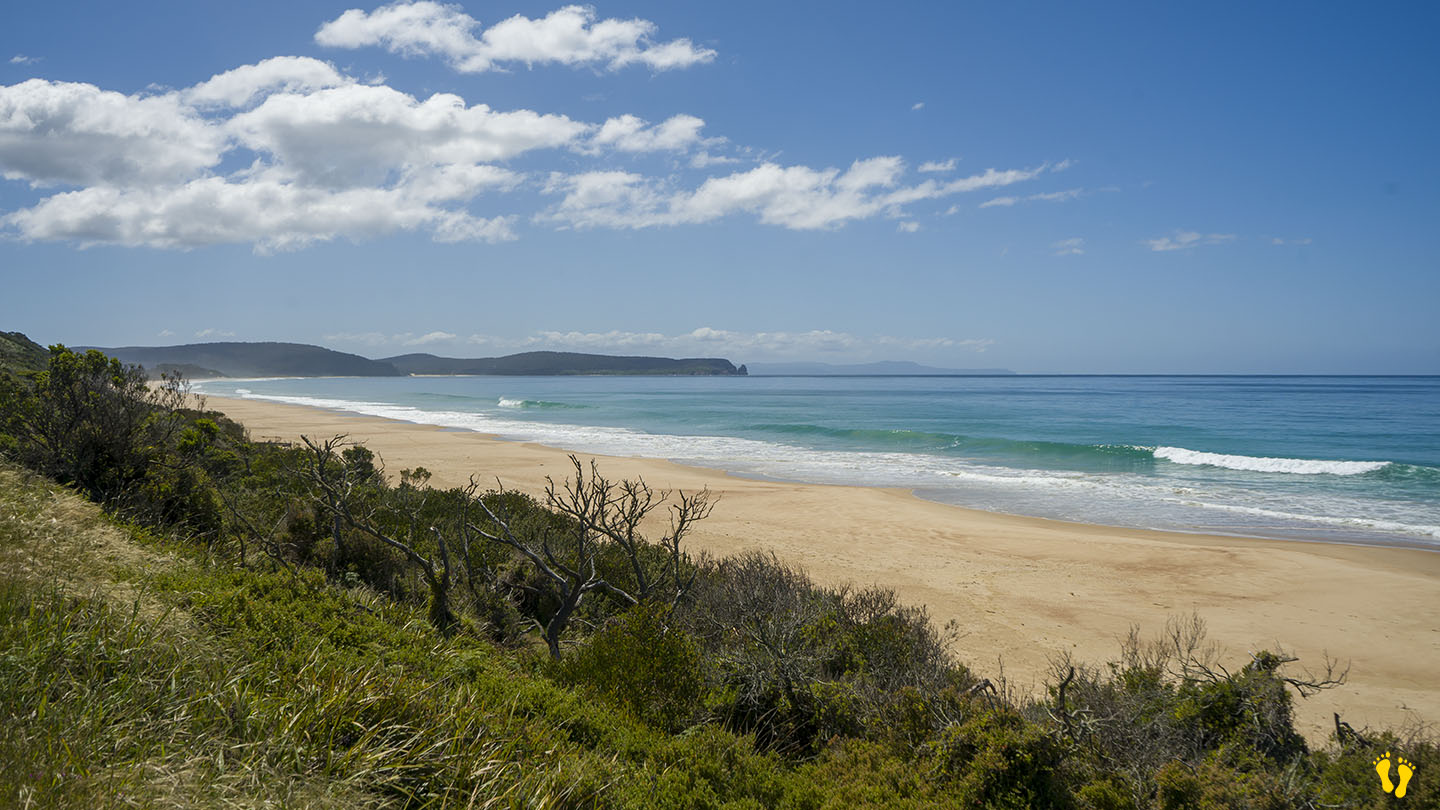
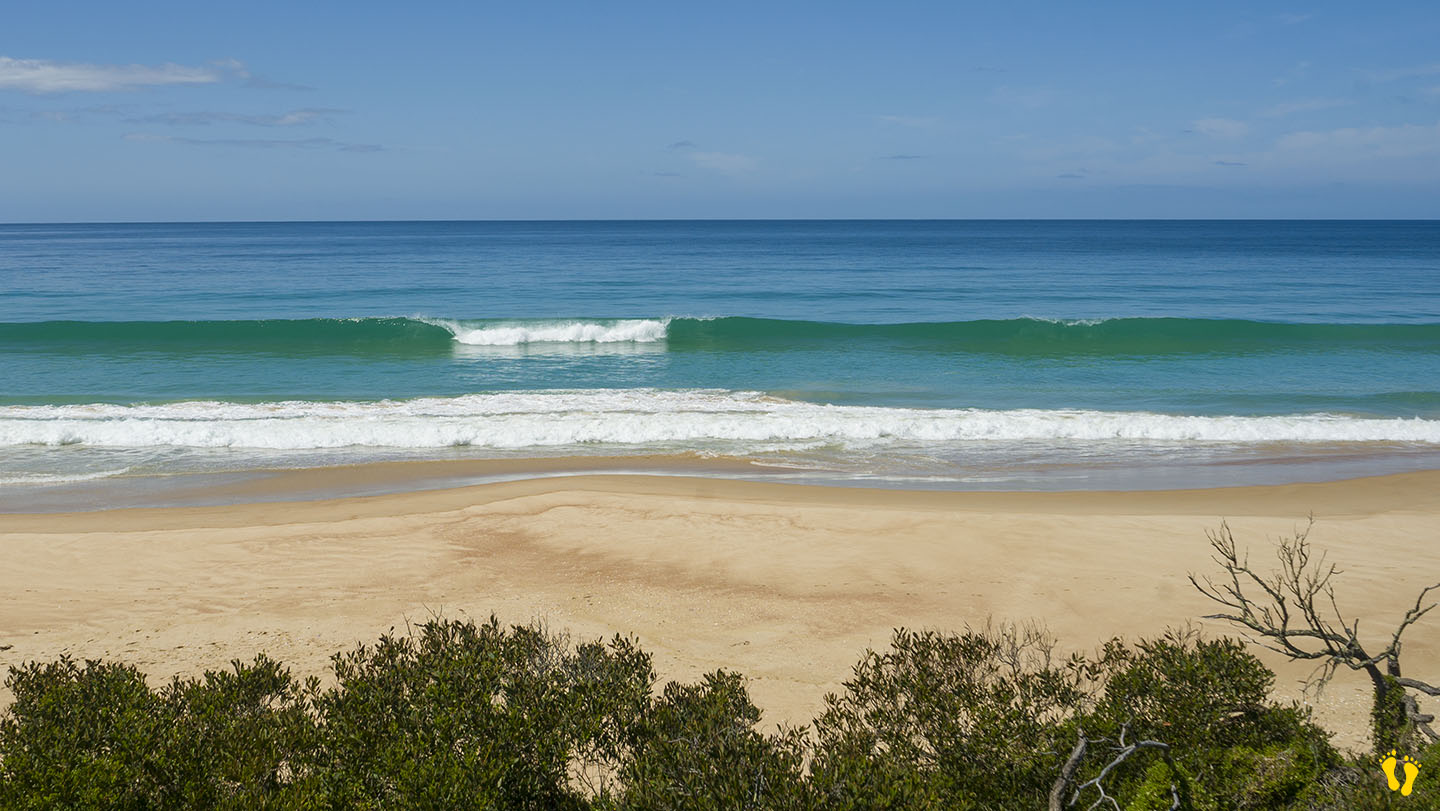
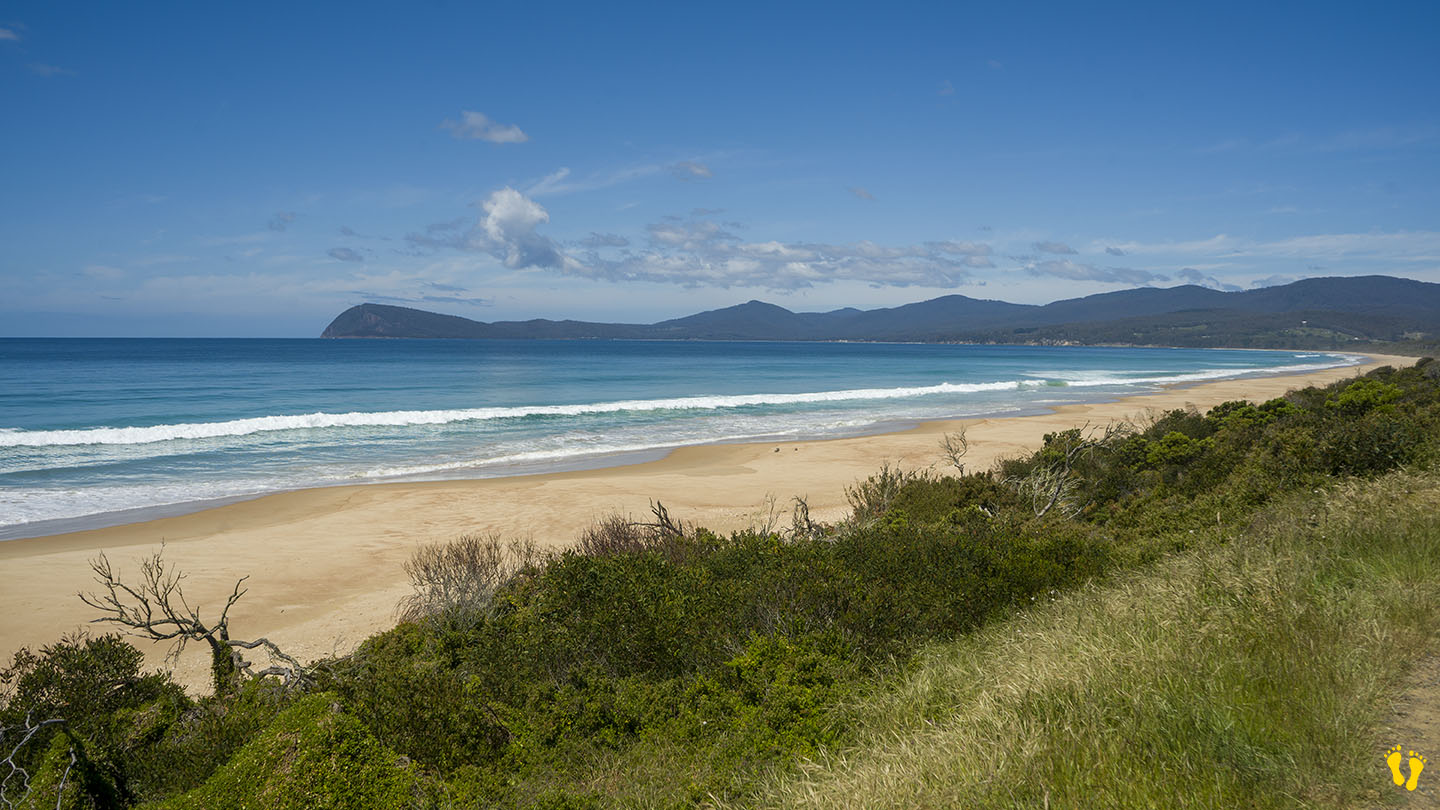
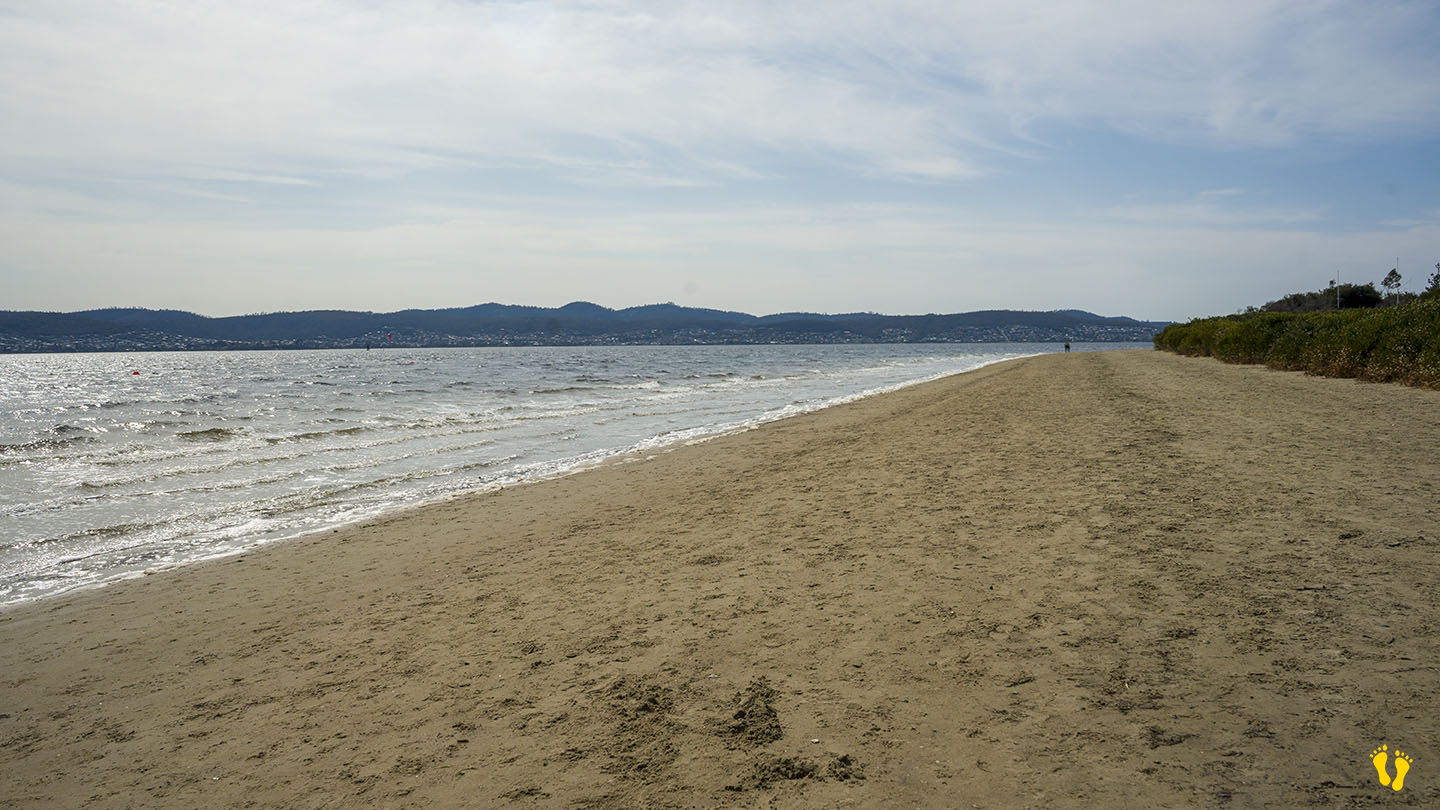
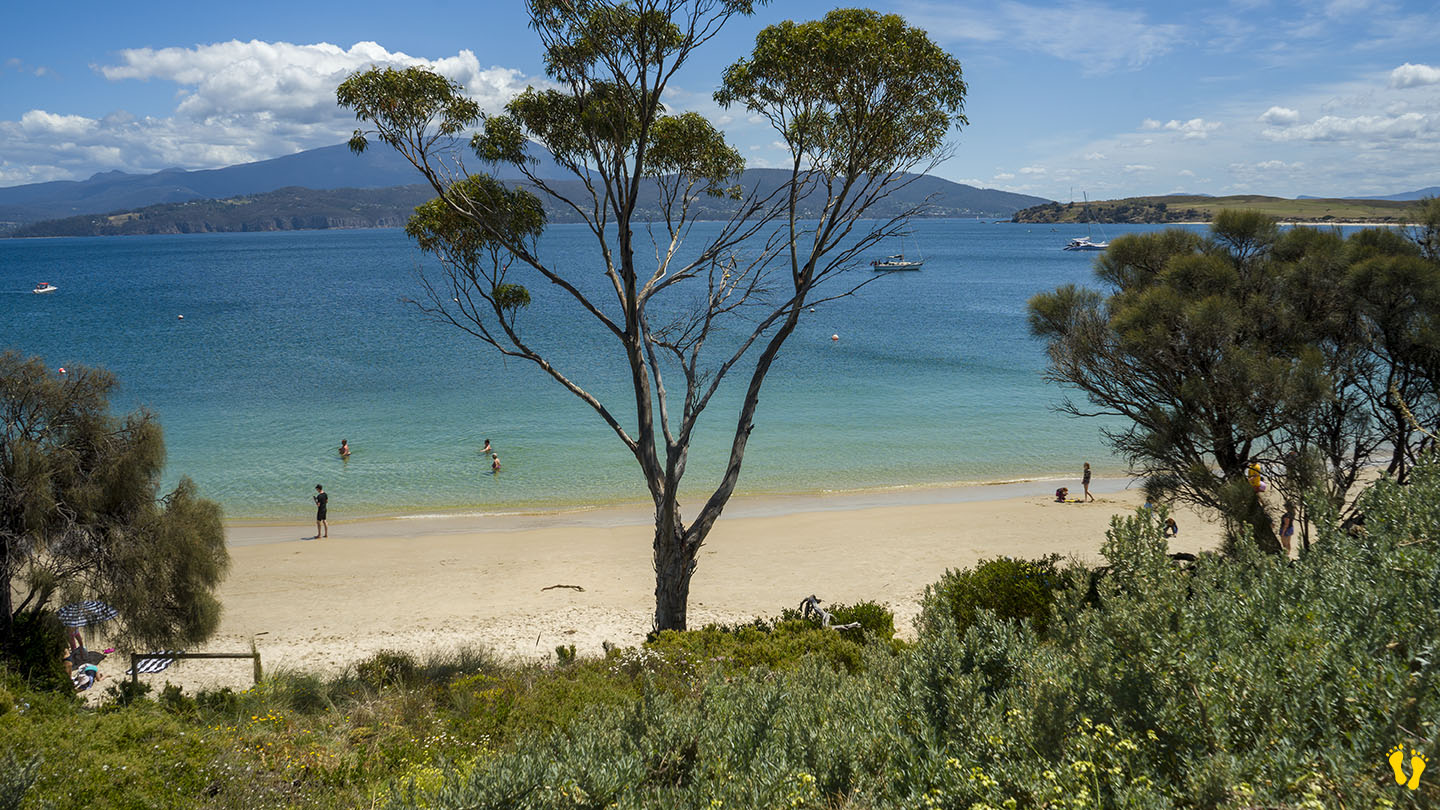
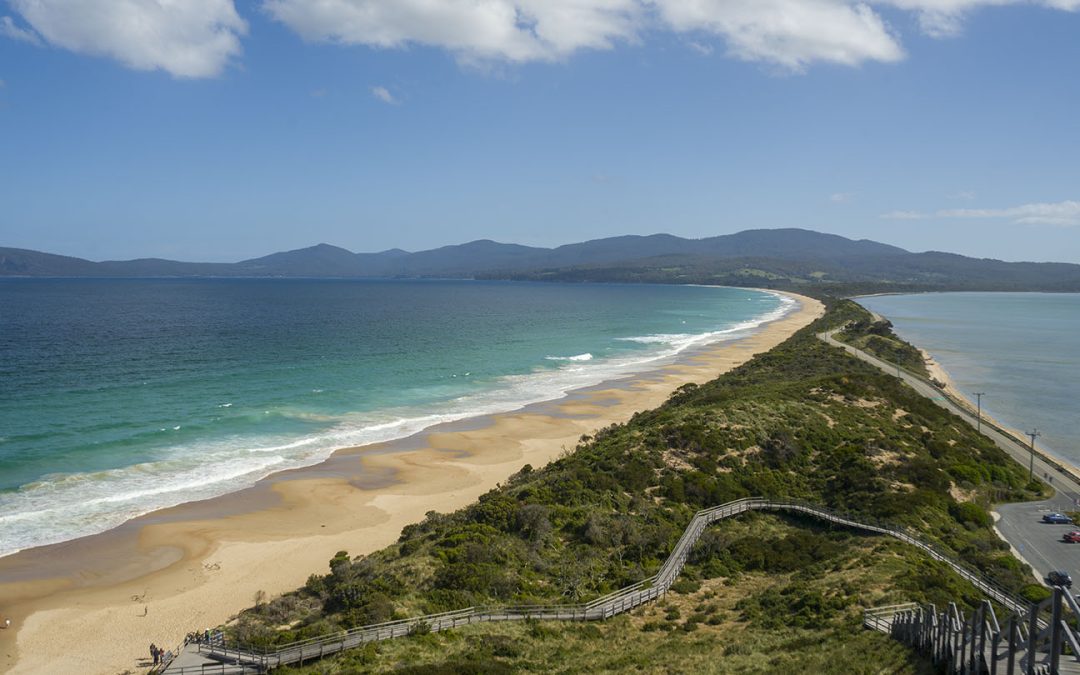
Neck Beach on Bruny Island is a spectacular beach. Dividing north and south Bruny it sits between Simpsons Bay to the west and Isthmus Bay to the east. This beach has won a Tourism Australia award for best beach, and rightfully so – 10km of pure beauty.
Conditions vary greatly and there are many RIPS, so only swim when the conditions suit your ability. Often a good surf beach.
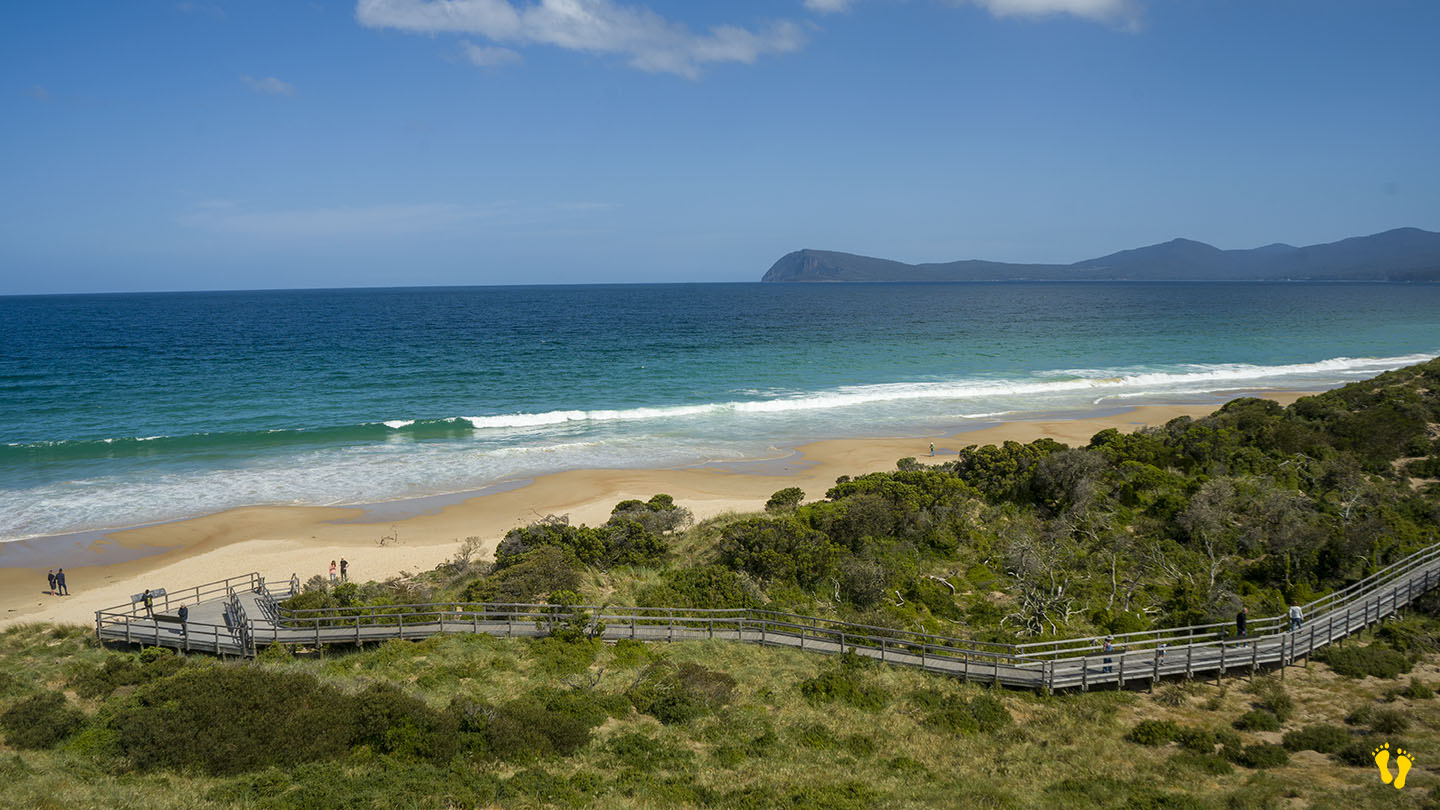
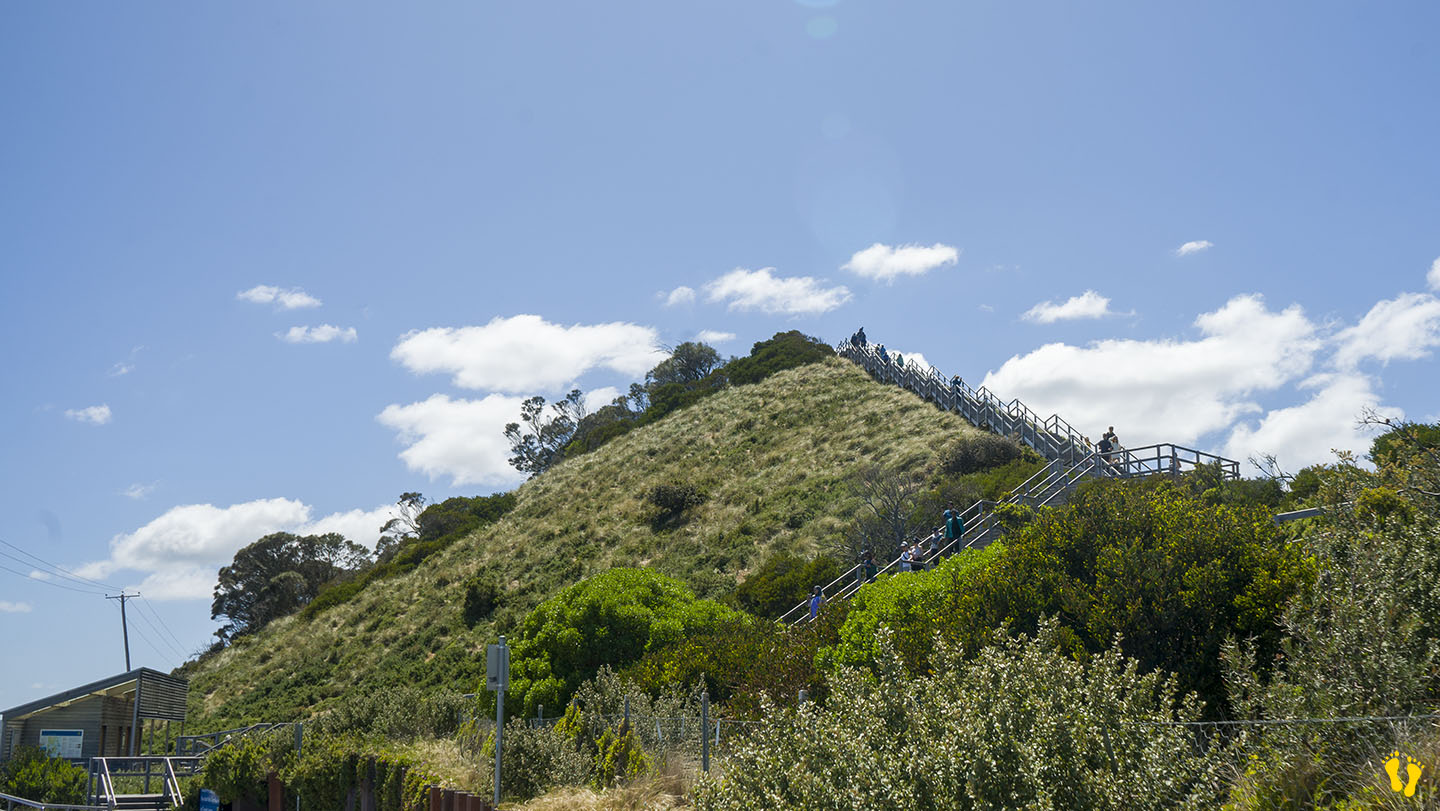
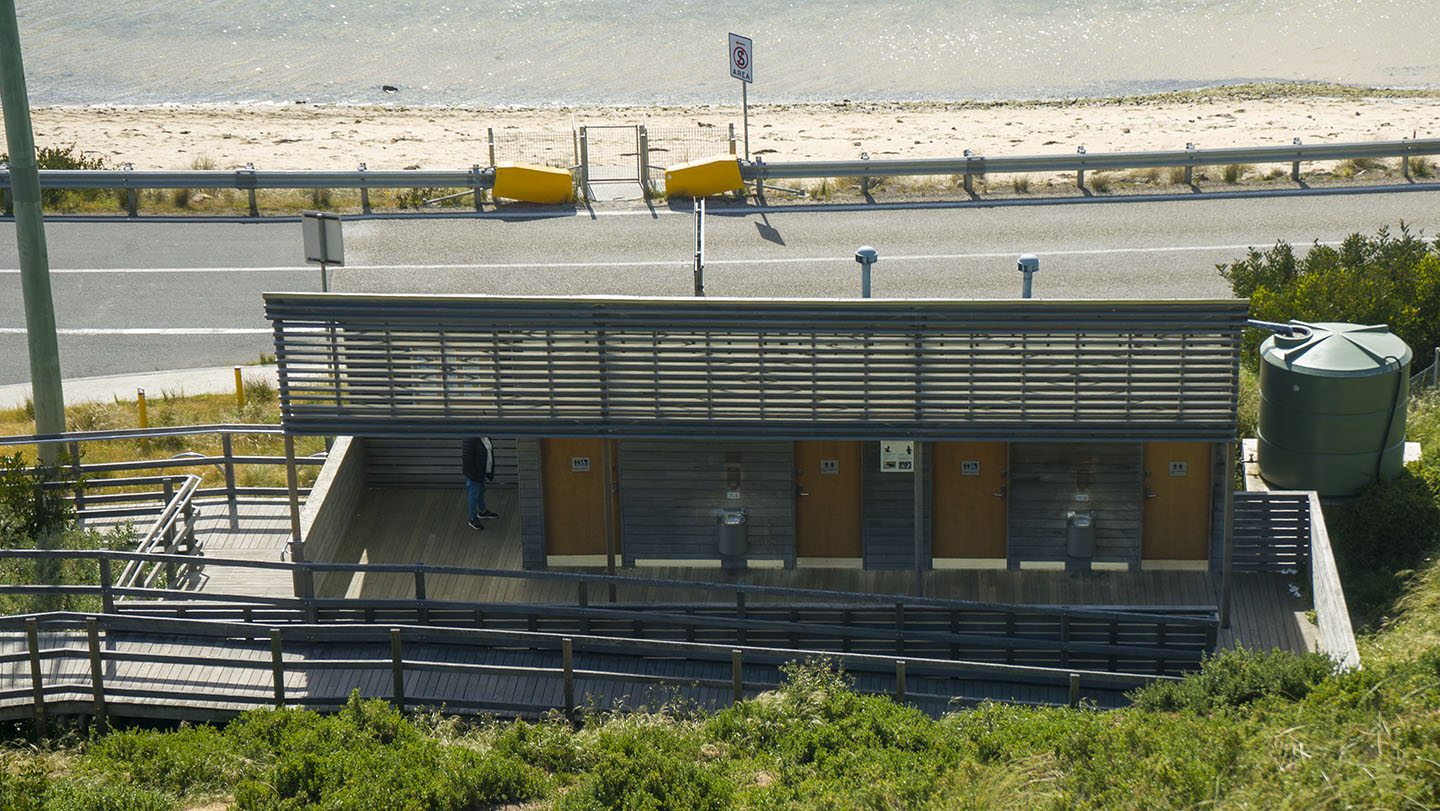
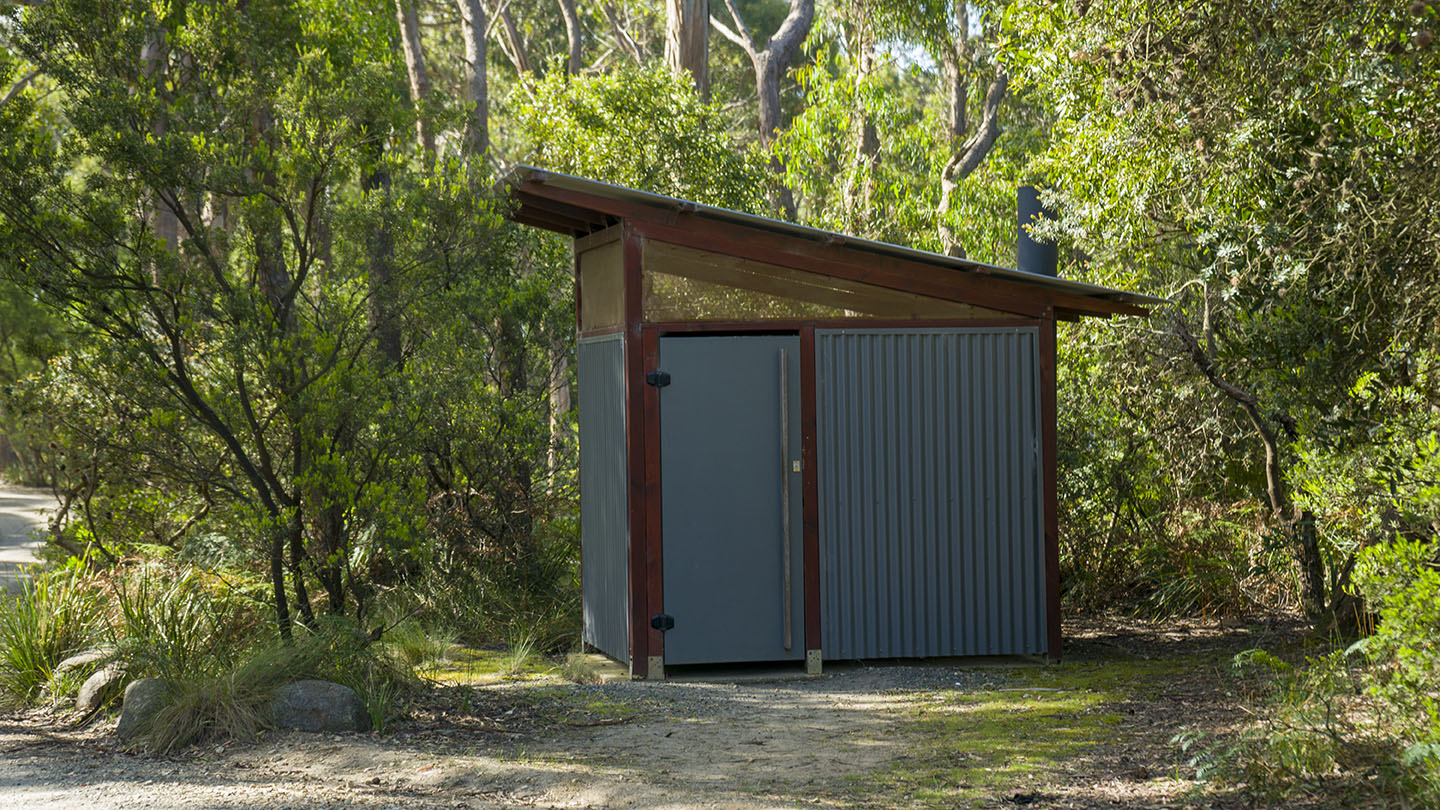
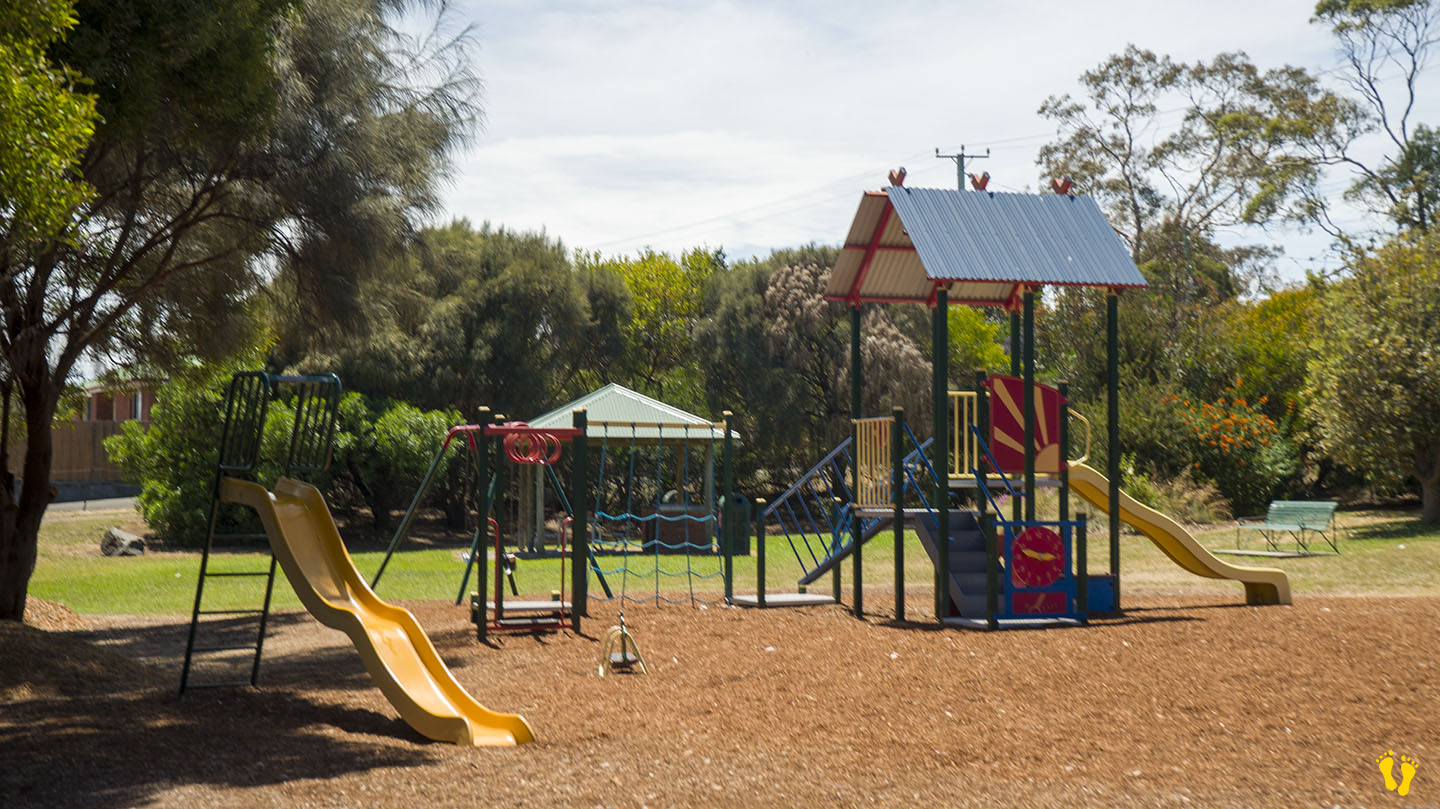
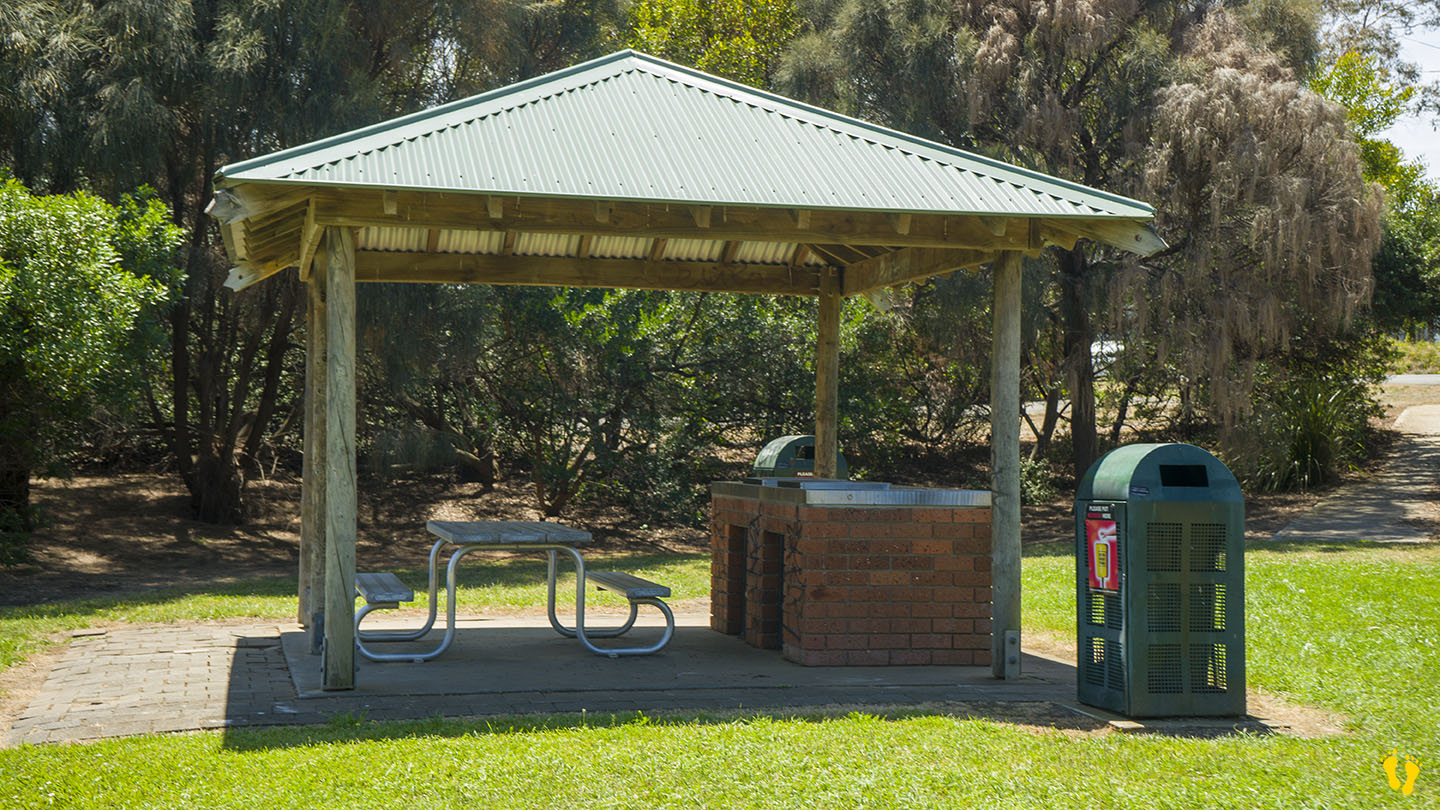
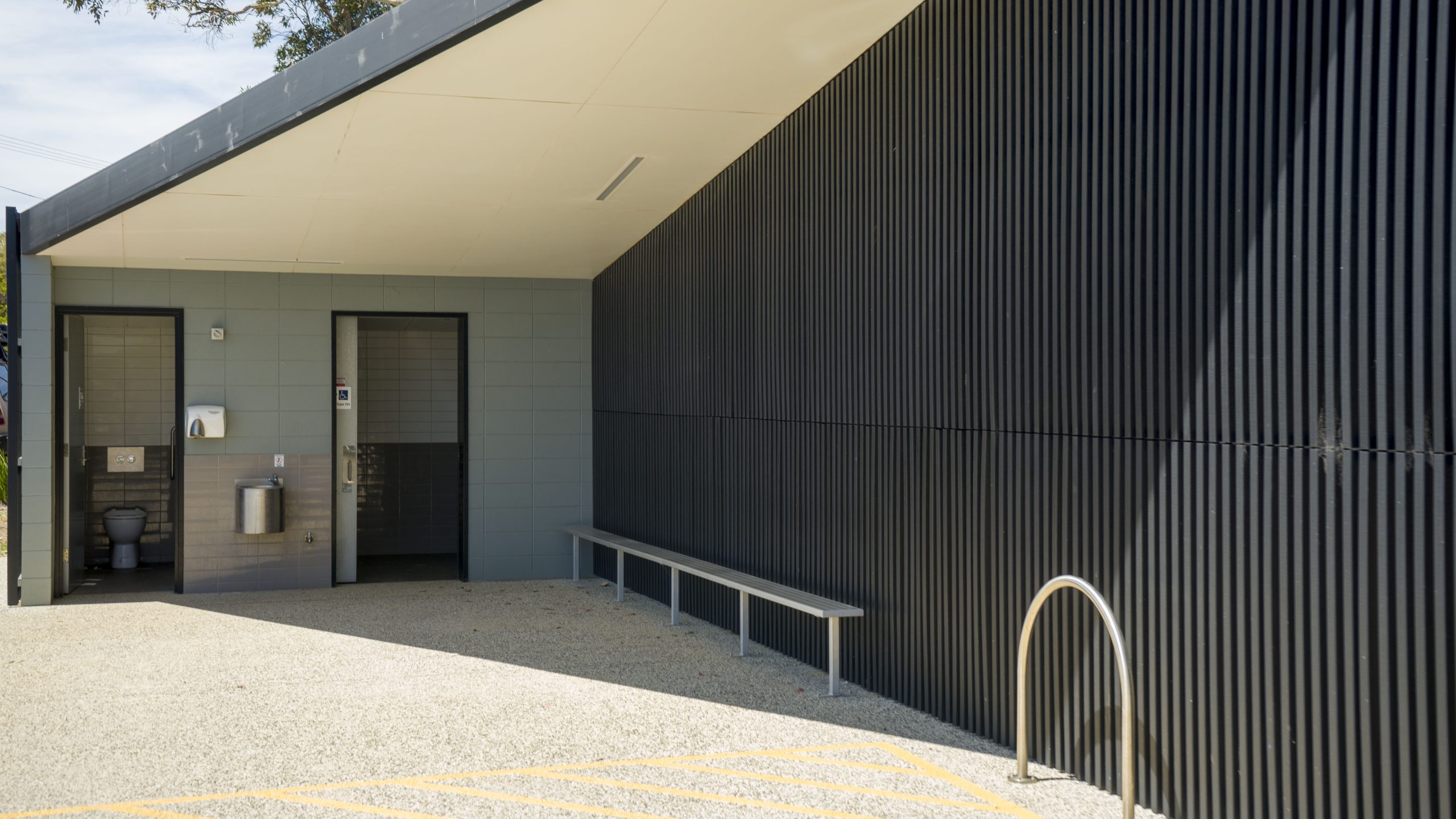
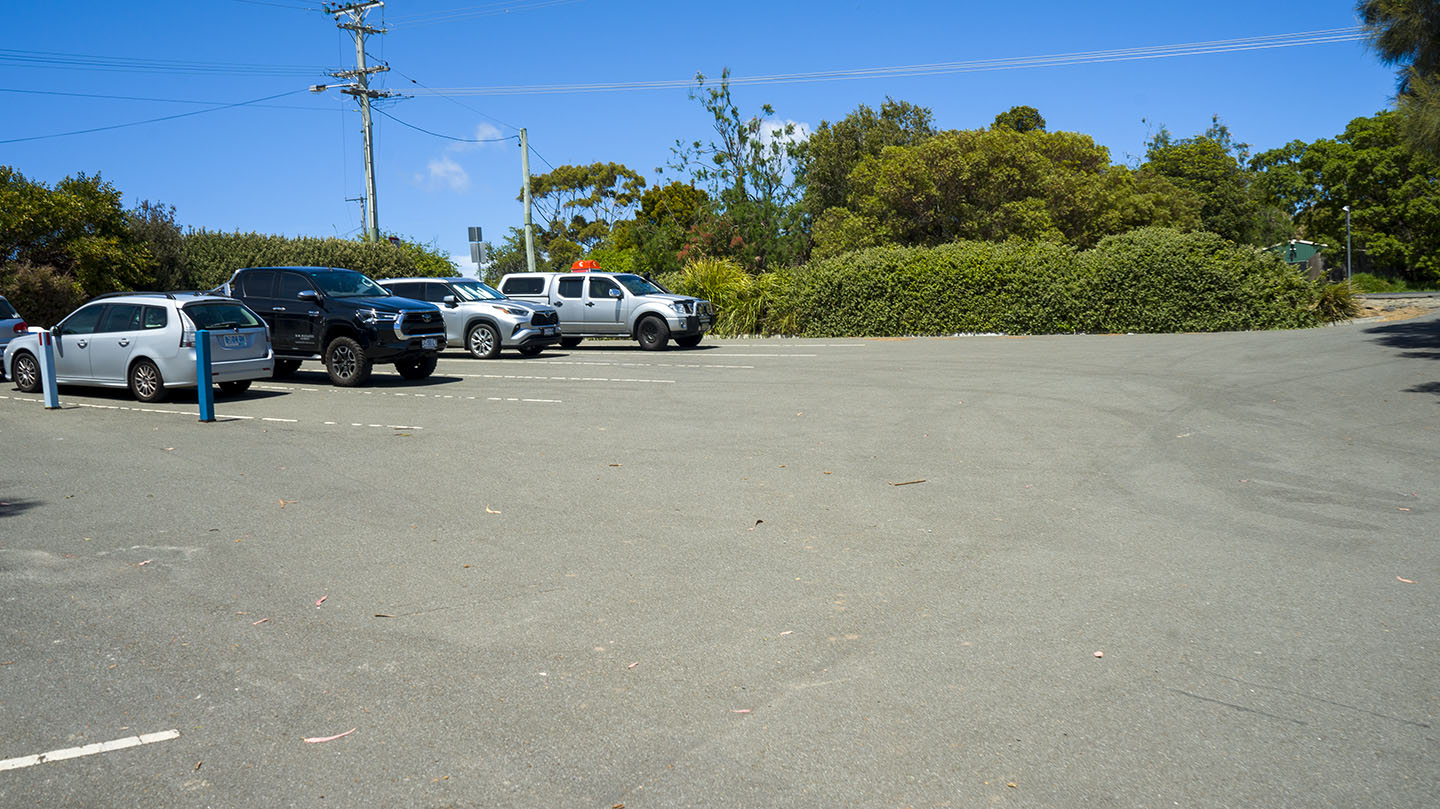
Access is somewhat limited, parking and toilets mid-beach at the Trugunini viewing station with a 300m walk to the beach. There are also stairs to a viewing platform with spectacular views up and down the beach on both sides. There are also small roadside offsets with limited parking along the beach shore – your best option is a camping ground at the south end with parking, toilets, overnight camping, and caravan options—a 50m walk to the beach.
by Mickey Jarvis | Sep 28, 2024 | Greater Hobart, Low Hazard
Near Sandy Bay |
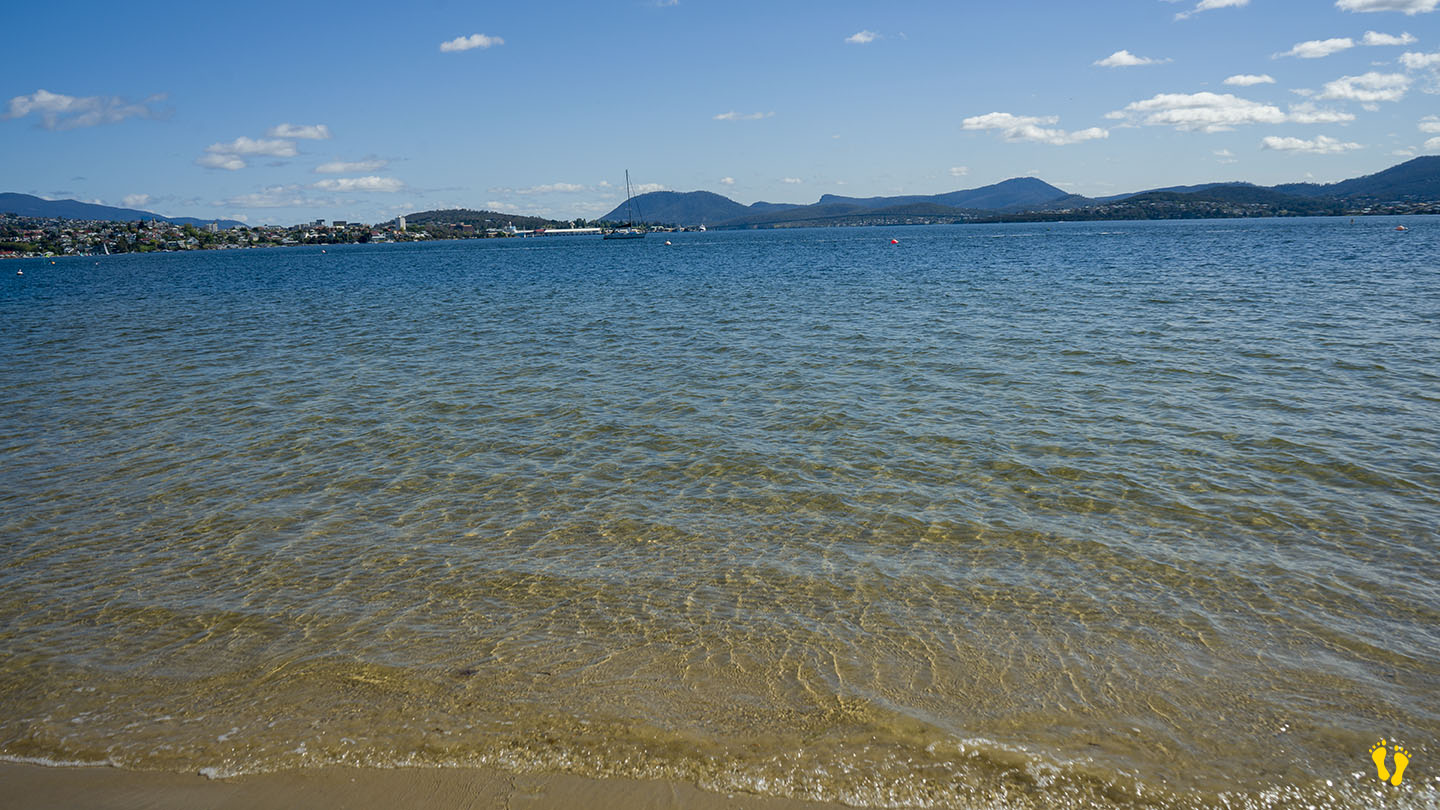
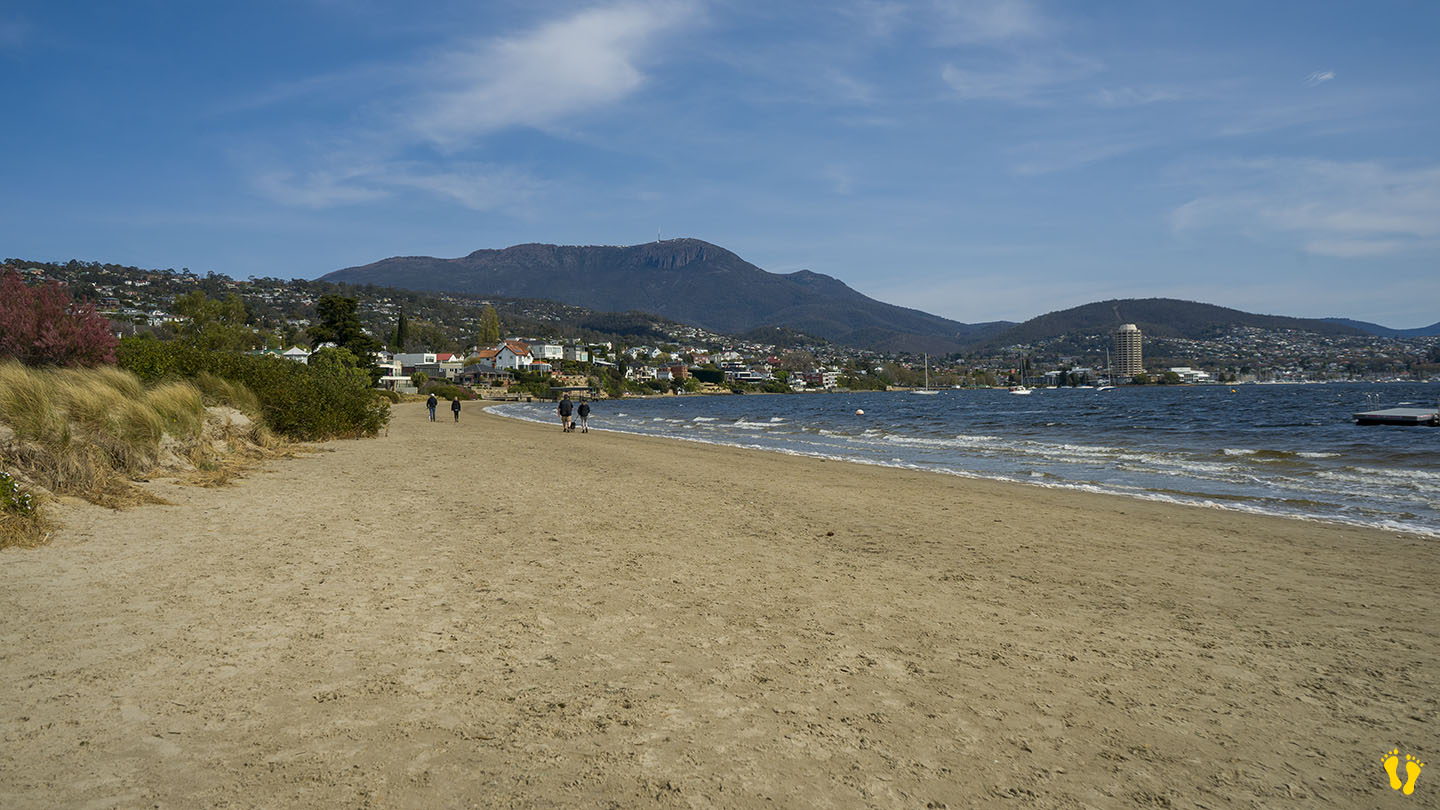
Hazard Rating: 2/10 | Parking: Varied | from Hobart: 5 km | Faces: North into The Derwent River | Length: 700 m
Original People: Mouheneener people, a sub-group of the Nuennone. The Mouheneener held a permanent settlement on Long Beach called kreewer.
Originally Nutgrove Beach was a continuation of Long Beach. A basalt seawall was constructed in the 1970s to prevent foreshore erosion, dividing the beach in two. The new beach was named Nutgrove Beach after nearby Nutgrove House, an 1880s homestead built by John T. Read named after a small grove of walnut trees growing on the land.
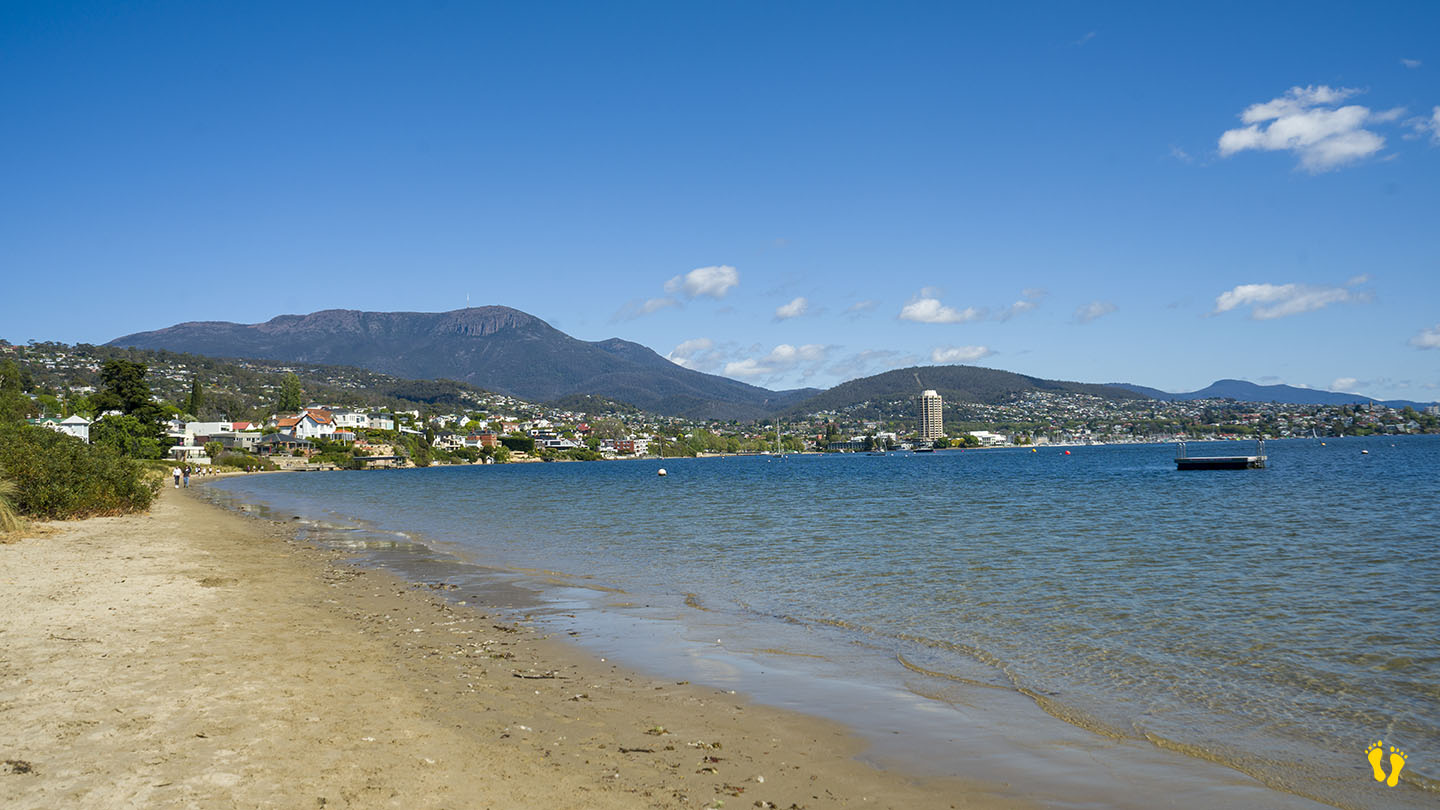
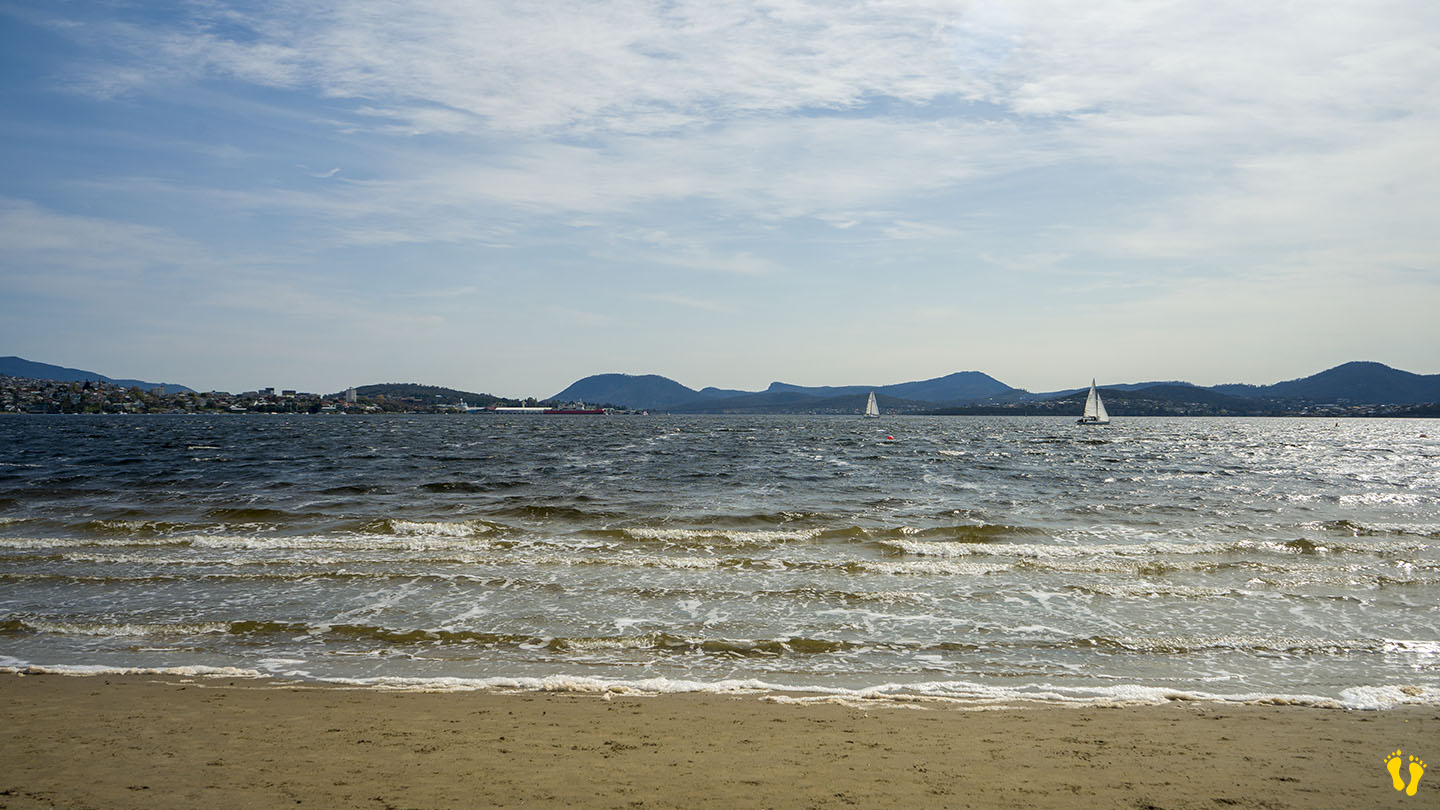
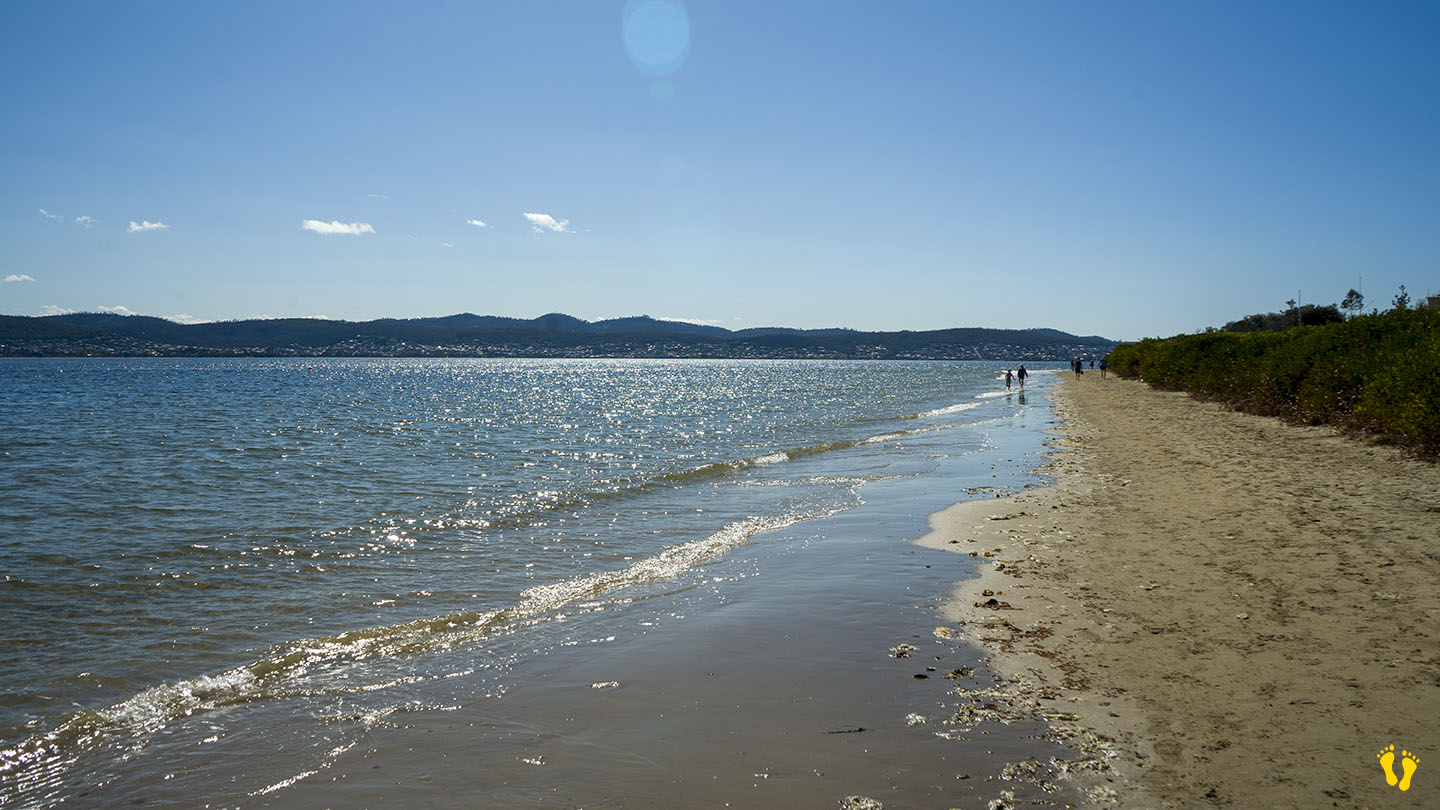
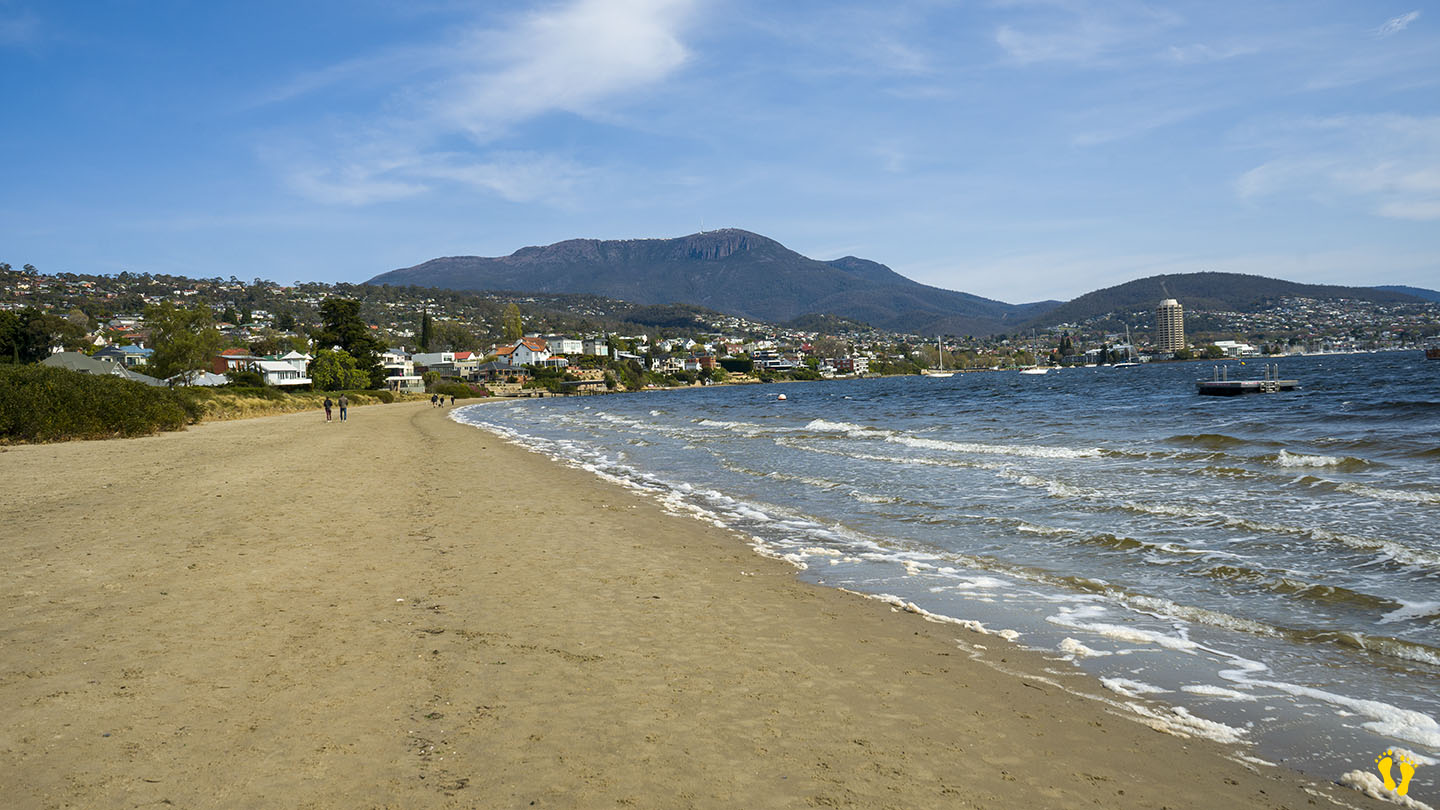
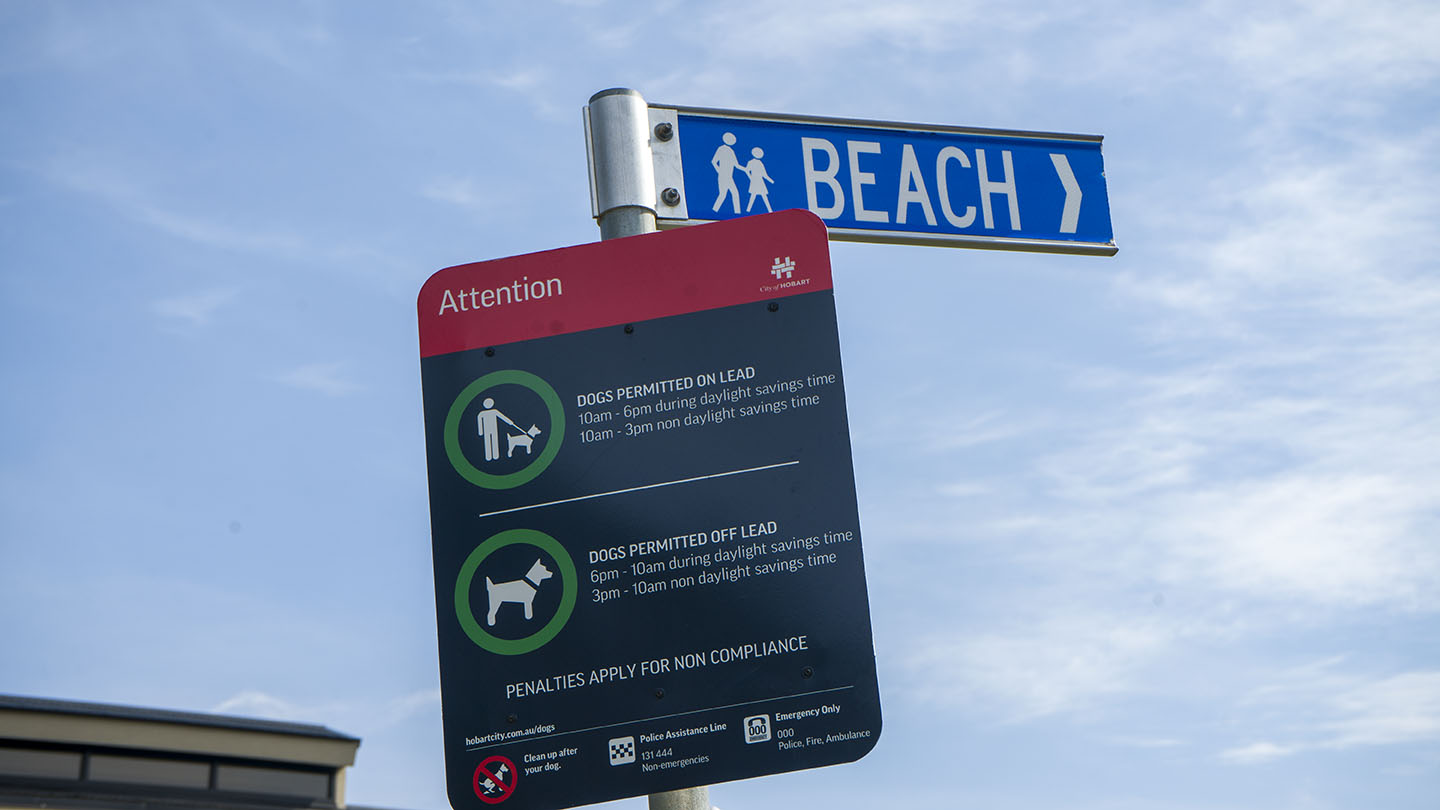
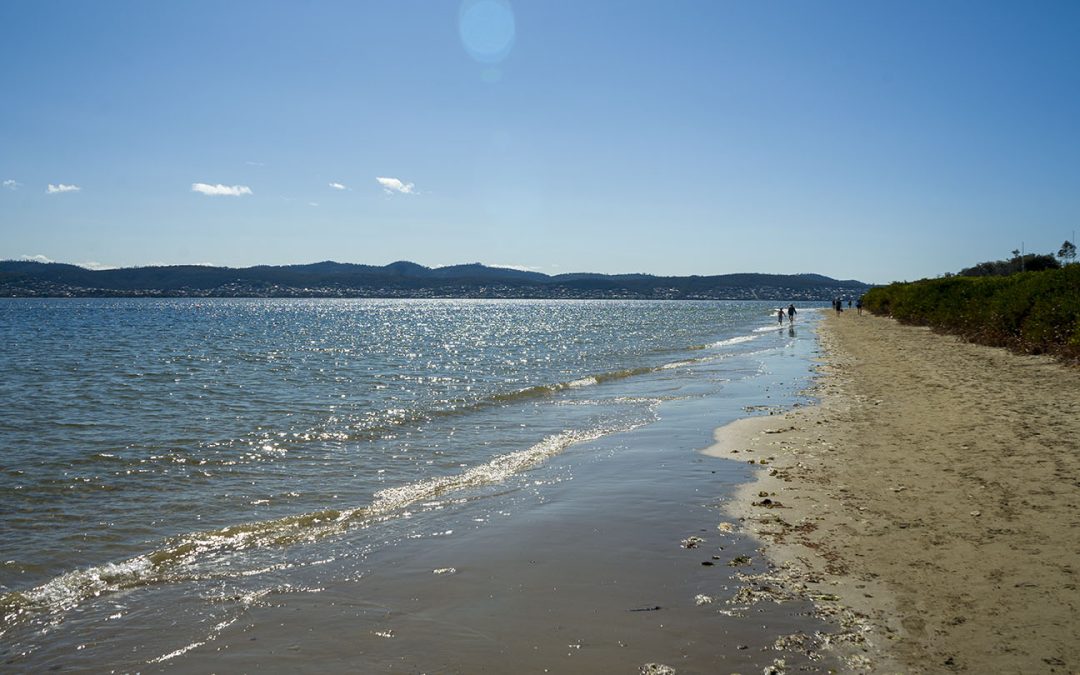
A beach with great views of kunanyi and the River Derwent – Timtumili Minanya. A floating pontoon is a great feature for kids. The beach is a favourite with dog walkers. No facilities except for nearby Long Beach.
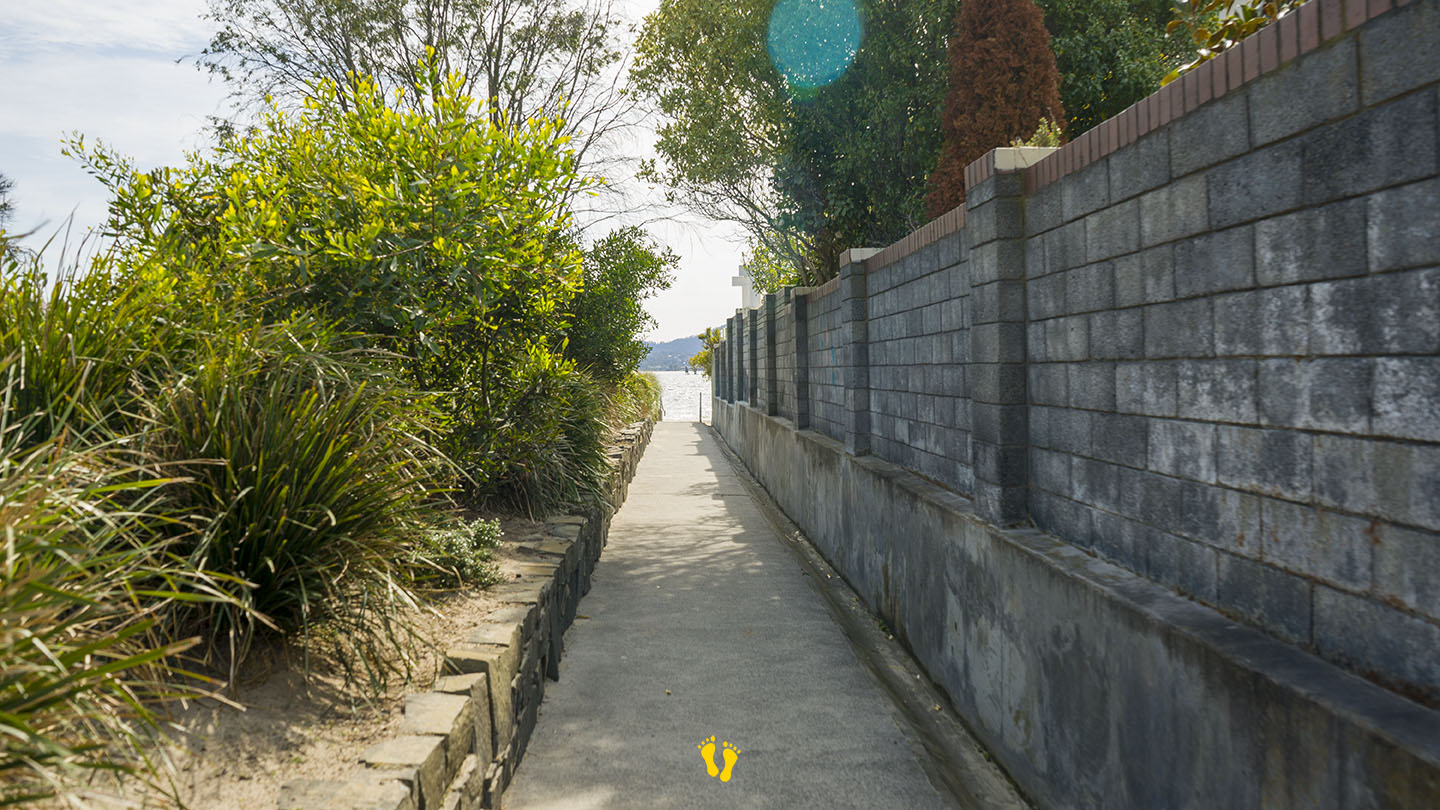
Access is via several walkways along its length with various degrees of parking availability. All are a 50m walk. Two access points mid-beach down Nutgrove Avenue at each end of Beechworth Road and two from the carpark at the end of Long Point Road, one beside the Sandy Bay Sailing Club which has good parking.
by Mickey Jarvis | Feb 28, 2025 | East Coast, Low Hazard, St Helens
Near: St Helens | from Hobart: 250 km | Launceston: 165 km |
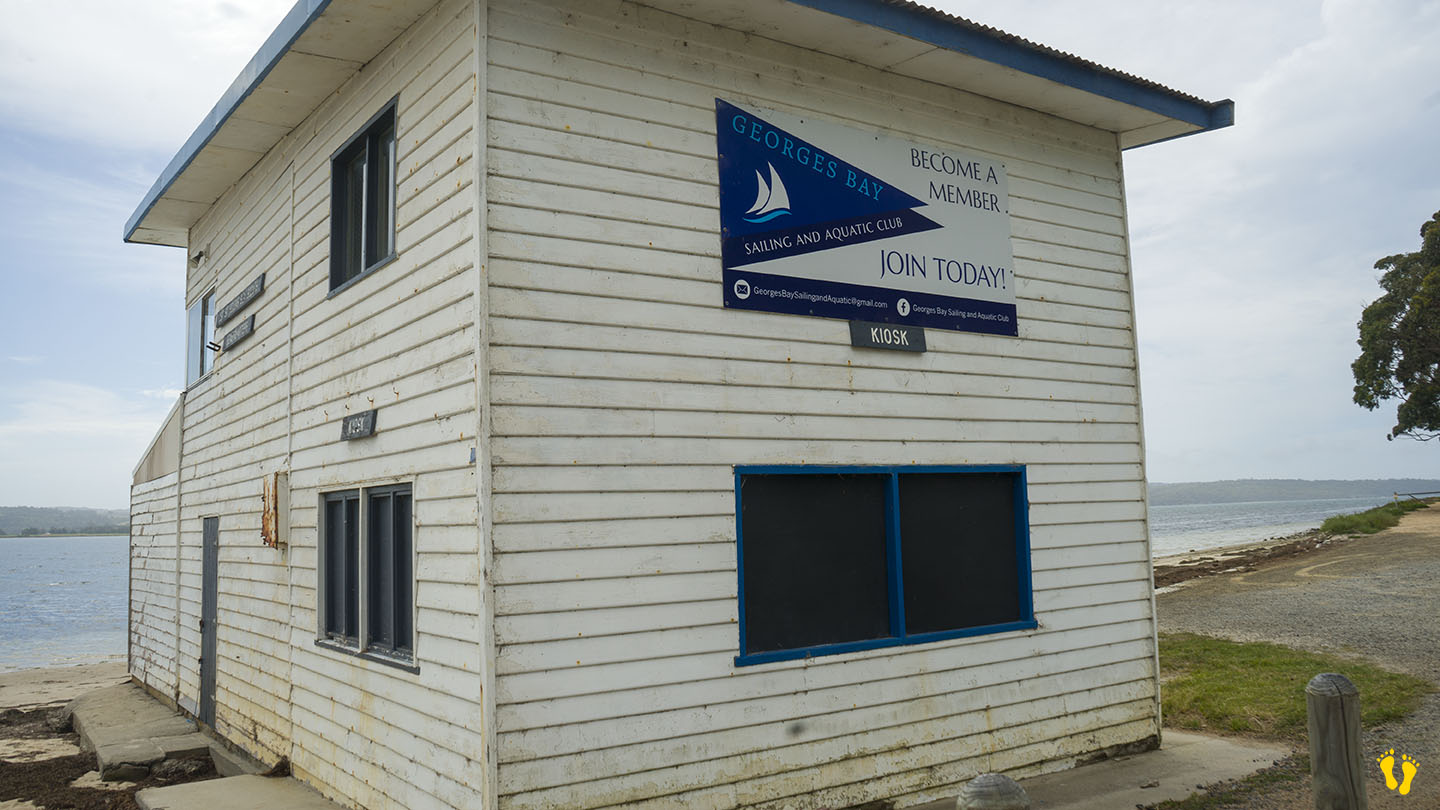
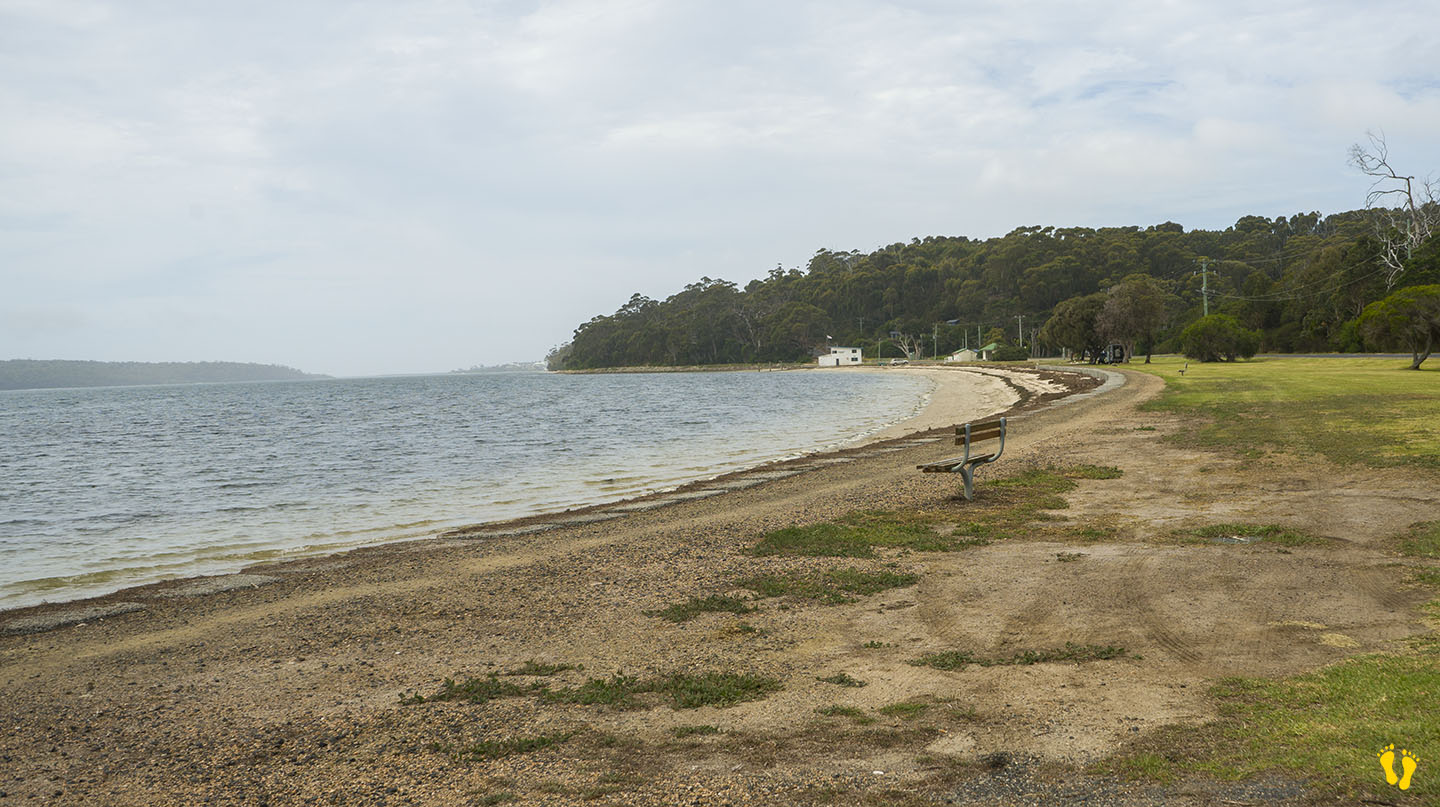
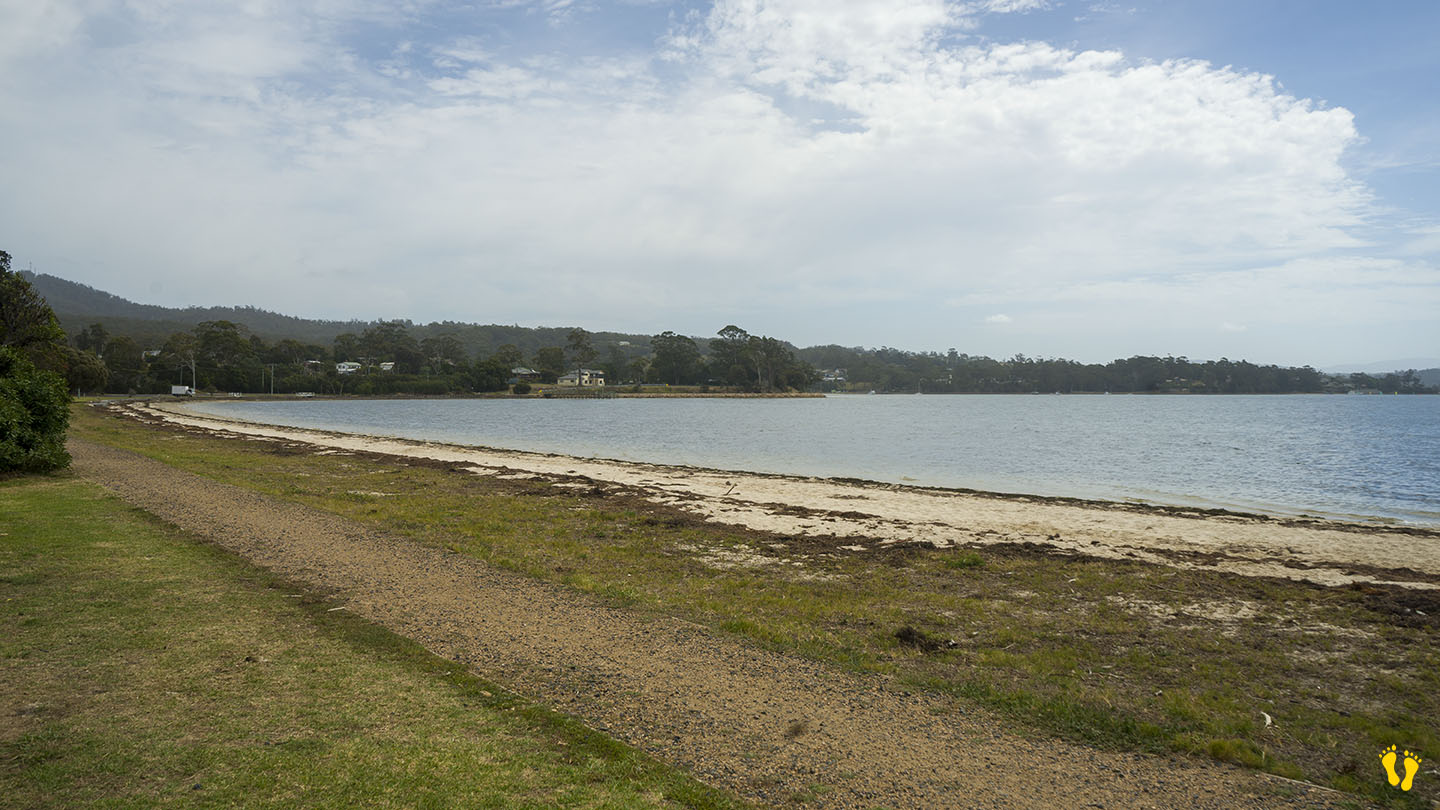
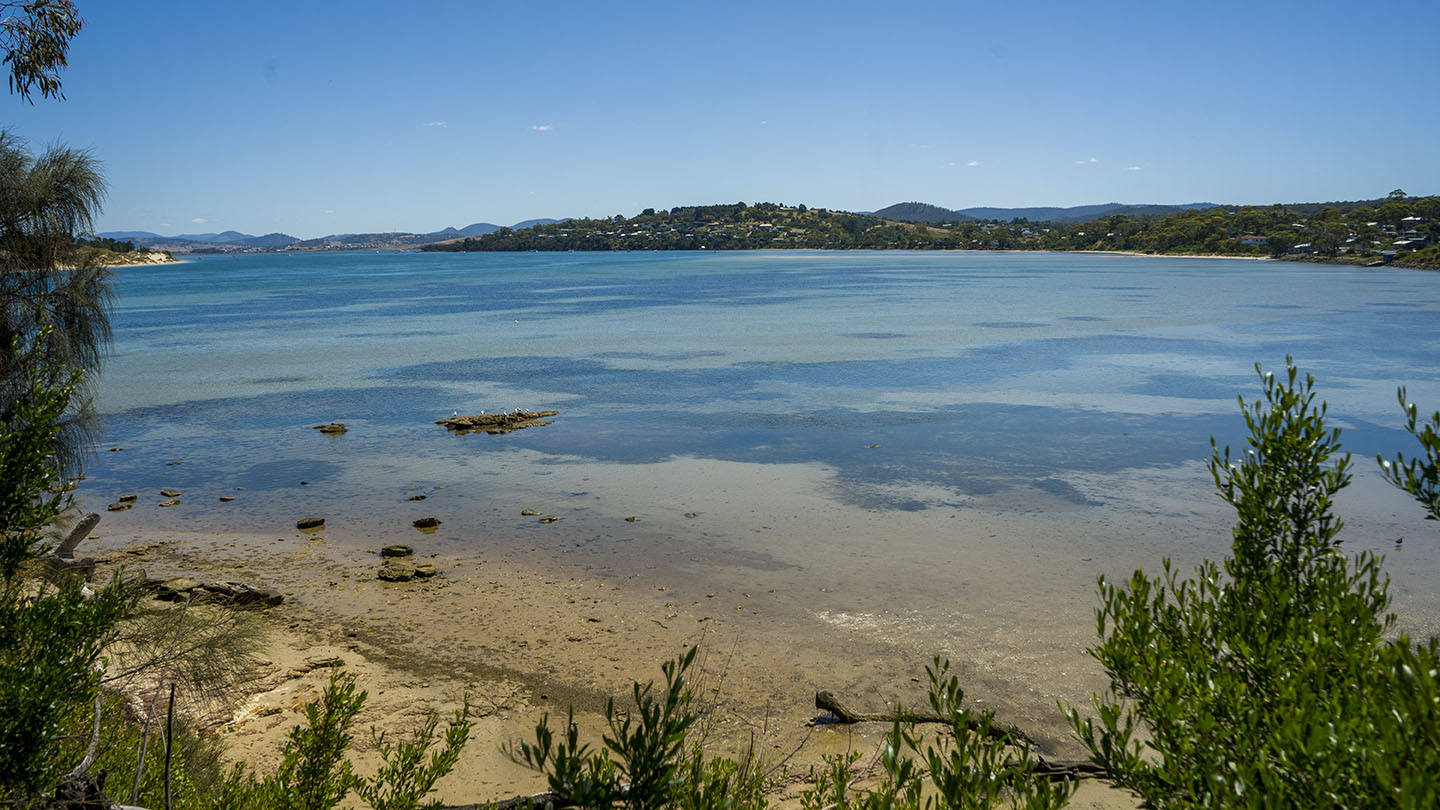
Hazard Rating: 1/10 | Parking: Good + close | Faces: into Georges Bay | Length: 400 m
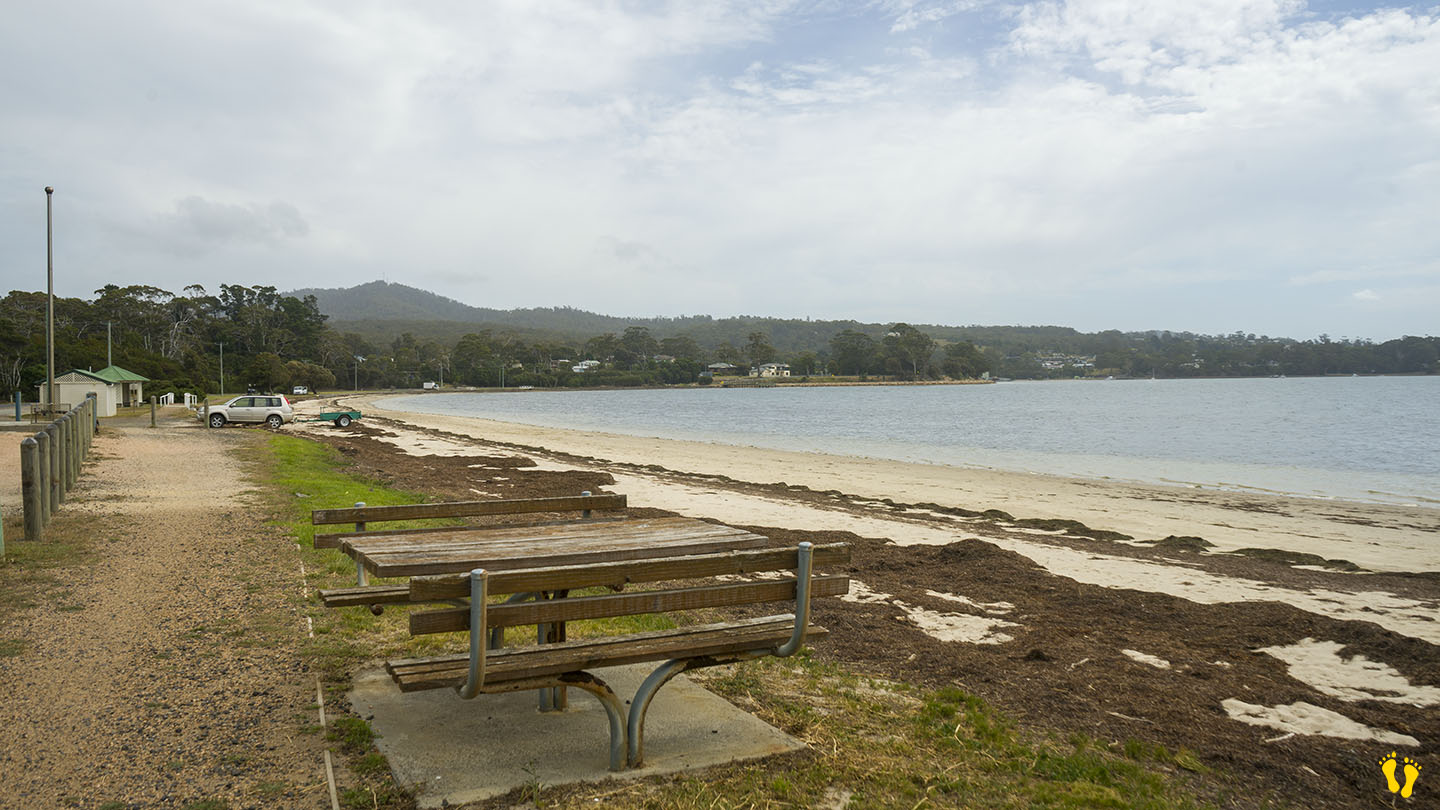
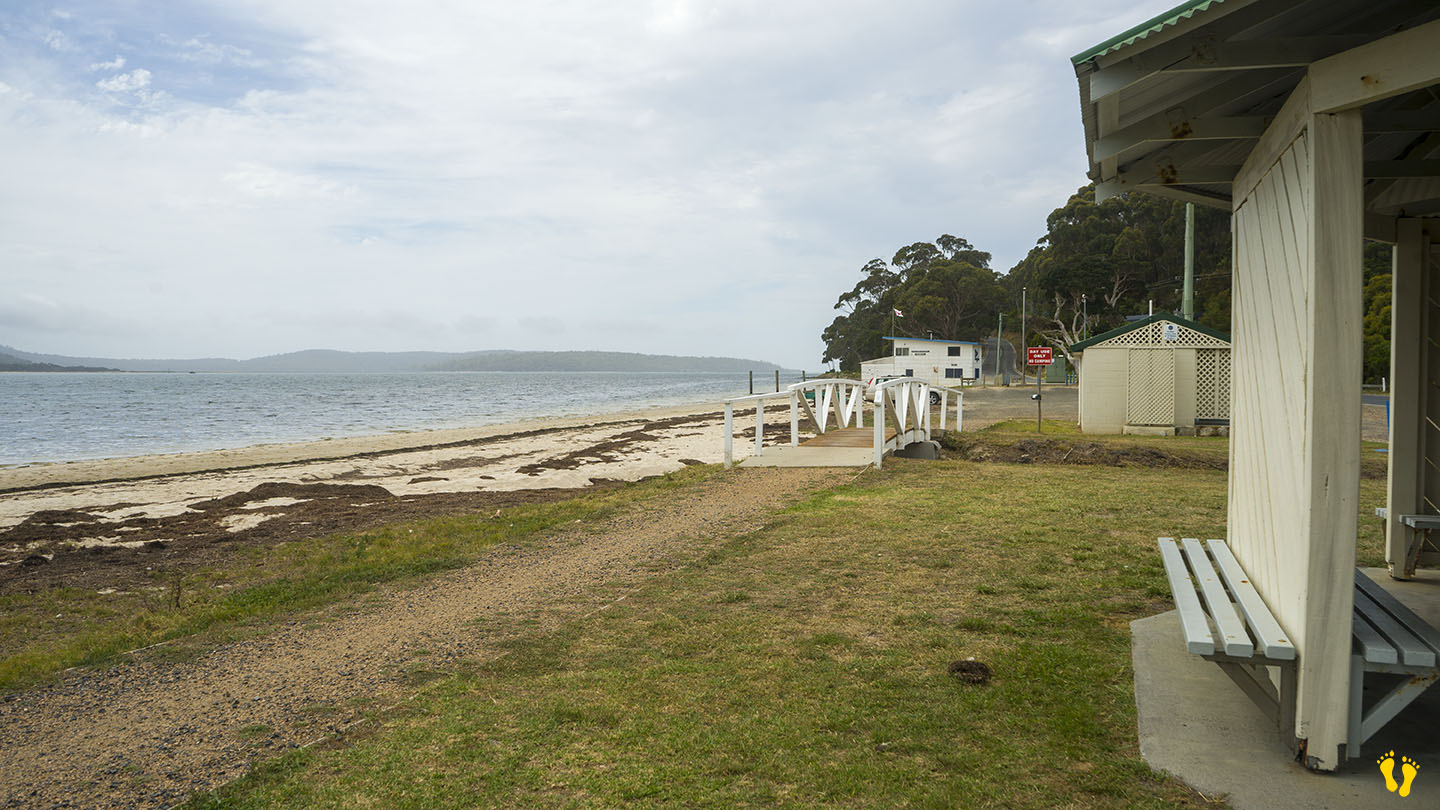
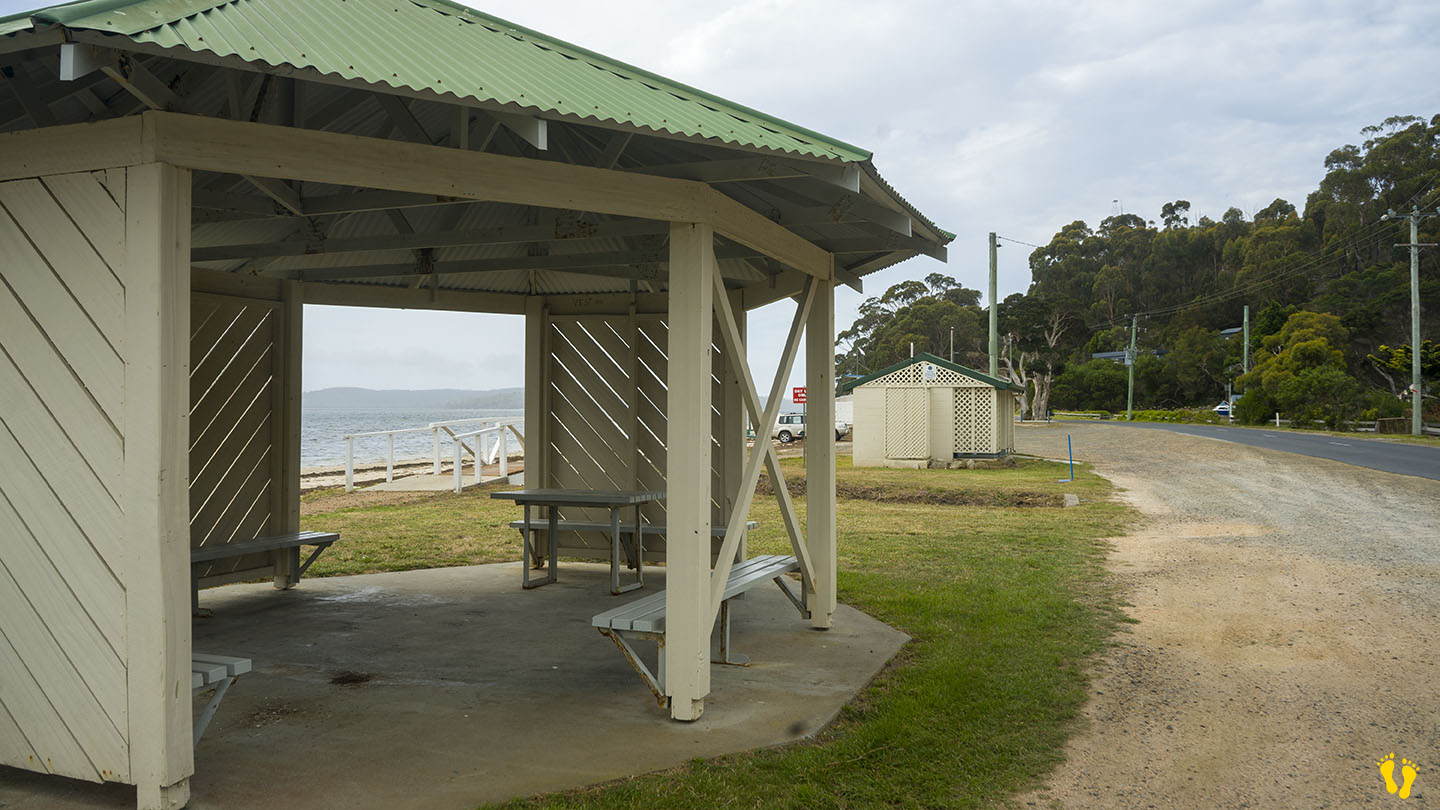
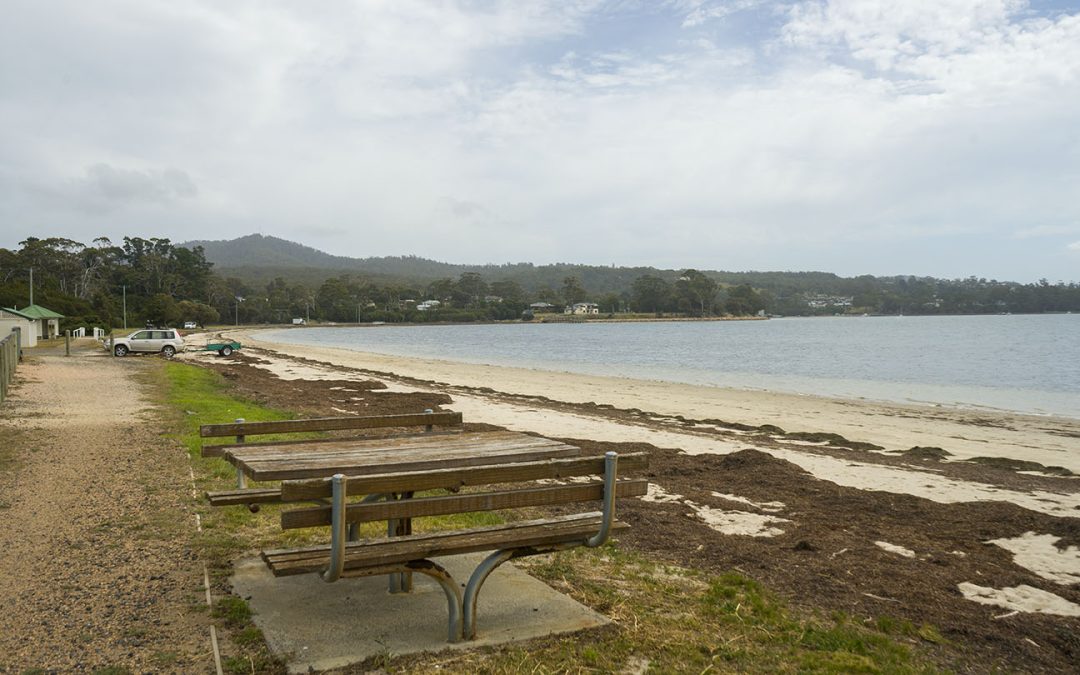
O’Connors Beach is situated in Georges Bay on St Helens Point Road.
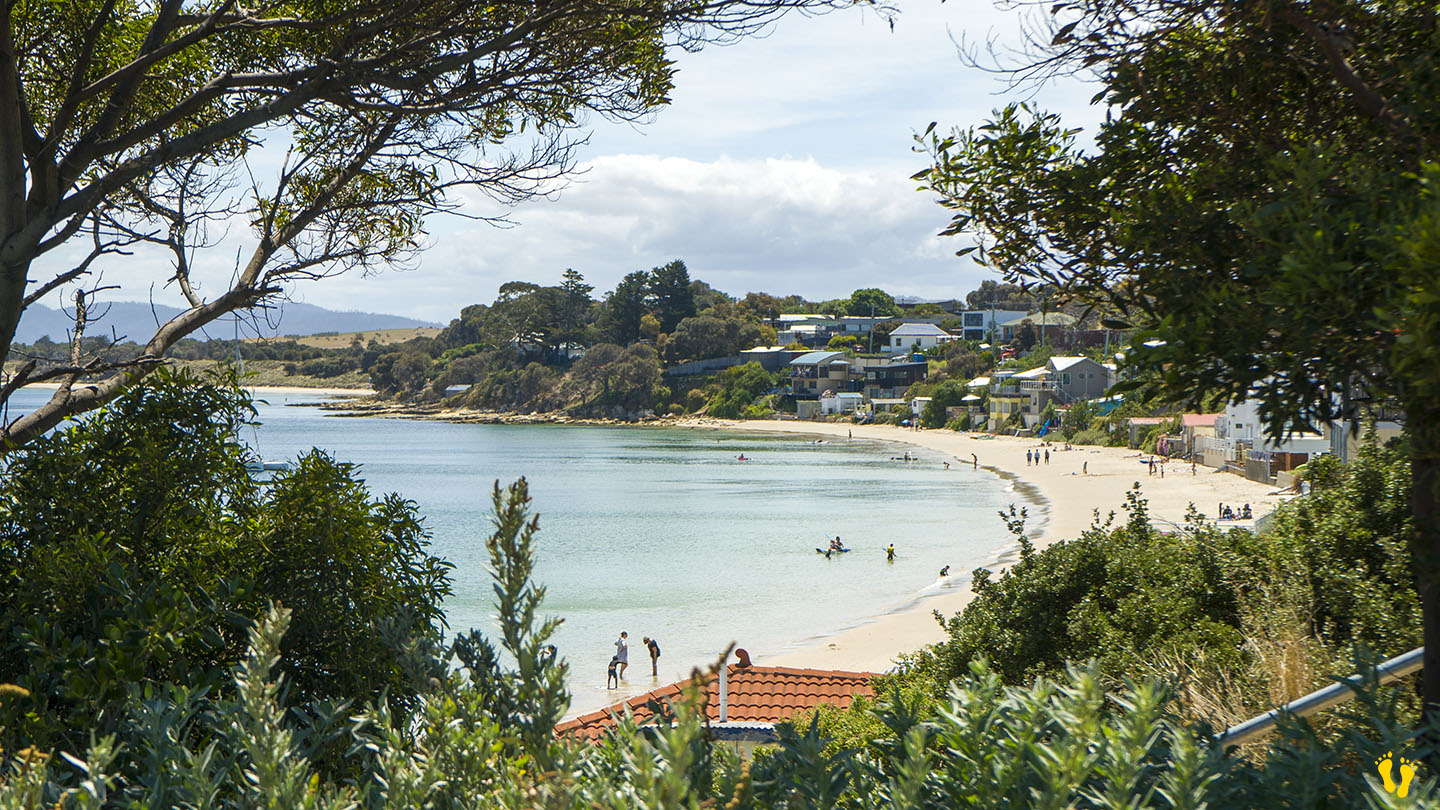
A safe beach to swim at, ideal for small kids. Good parking and toilets. Great for a picnic or a short walk.
The O’Connors Beach parkrun is a weekly free event – click here for more information.
Named after O’Connors Farm located in the area.
by Mickey Jarvis | Feb 5, 2023 | Dodges / Carlton, Low Hazard, South East
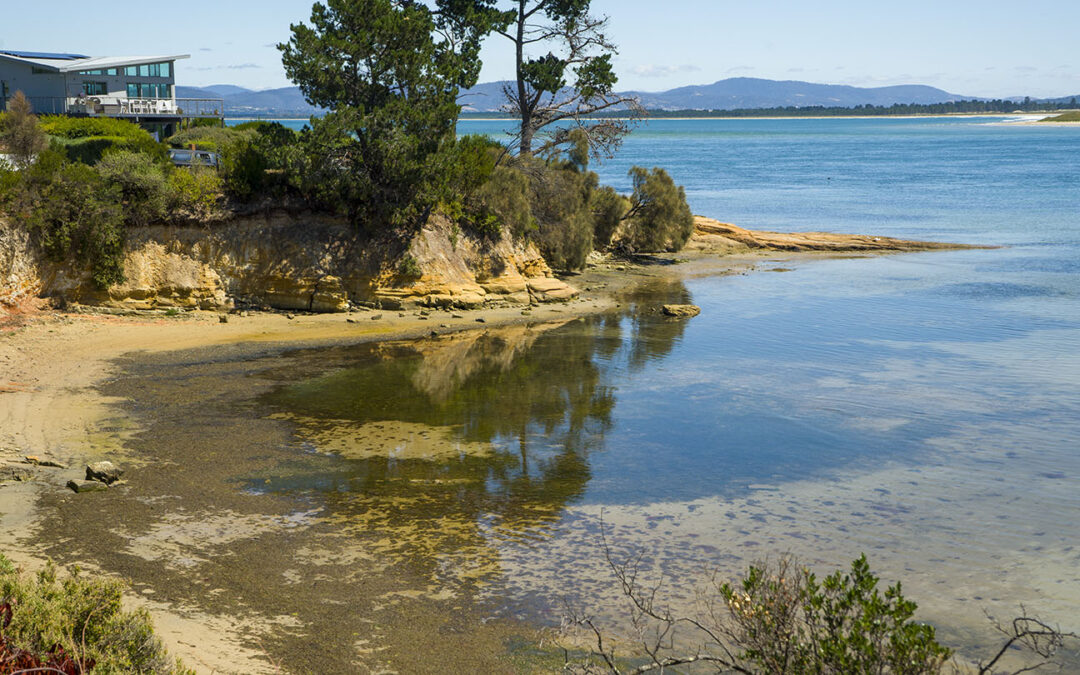
Near Dodges Ferry | Hazard Rating: Low | Parking: Varied | from Hobart: 24 km | Length: 2 km | Faces: West into Tiger Head Bay
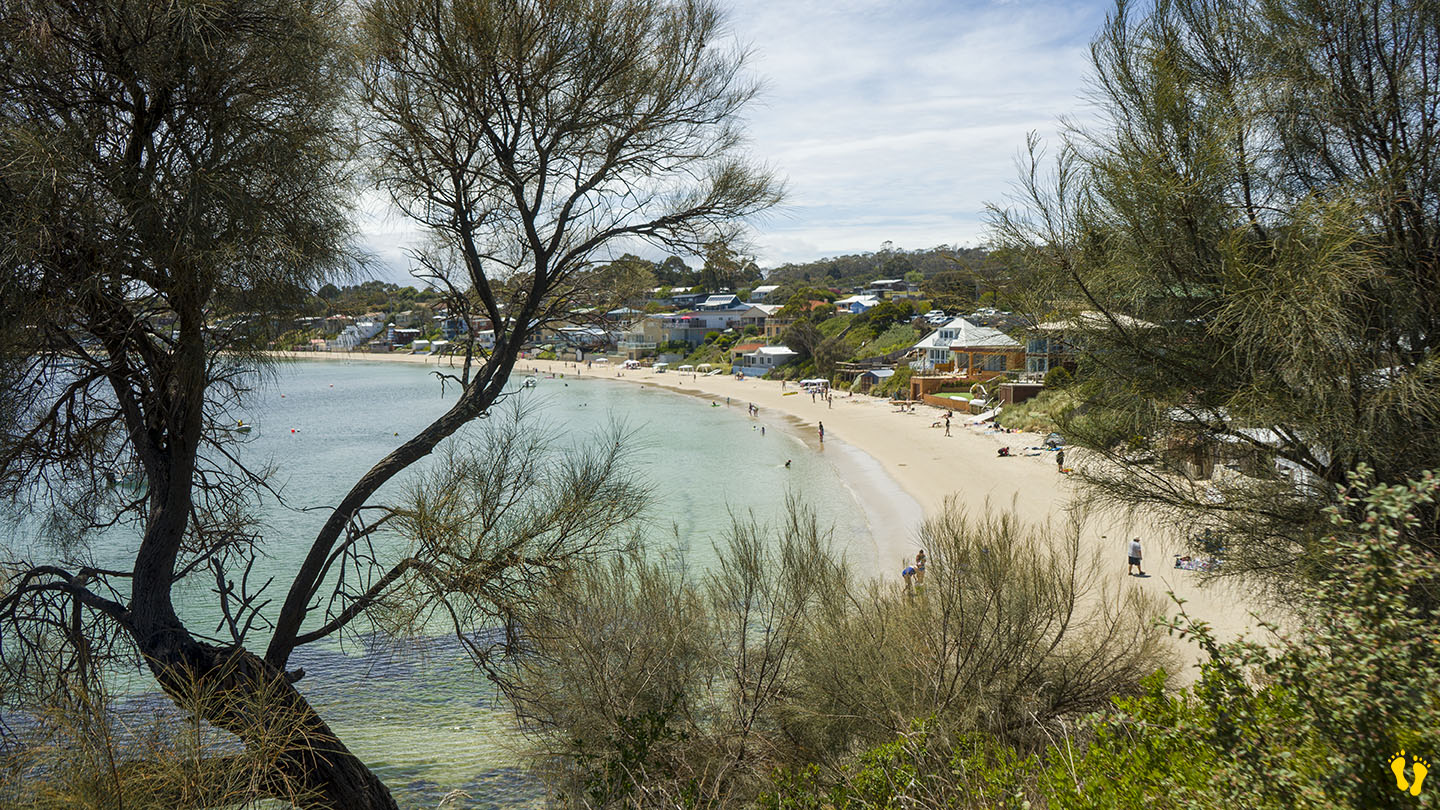
A protected beach in Dodges Ferry. The south end is great for kids to explore magical rock pools containing all sorts of sea life. Often has lots of birdlife.
Interesting rock formations and a shallow beach make it great to learn snorkeling. I have spent many hours with my children exploring the beach and rocks.
Named after Ernest Okines who leased the property in 1923 and purchased it in 1942. Views of Seven Mile Beach often with spectacular sunsets.
by Mickey Jarvis | Dec 28, 2023 | Low Hazard, South Arm Road
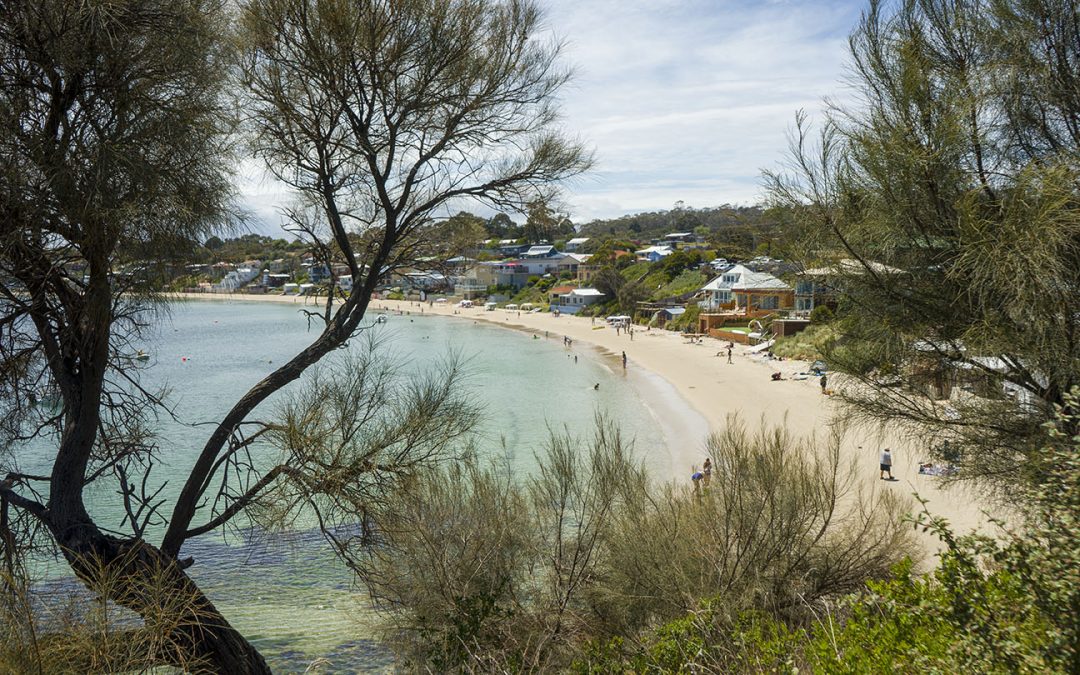
Hazard Rating: 2/10 | Parking: Varied | from Hobart: 49 km | Faces: West into the River Derwent | Length: 1 km
Original people: Moomairemener, believed to be members of the Paredarerme (Oyster Bay tribe)
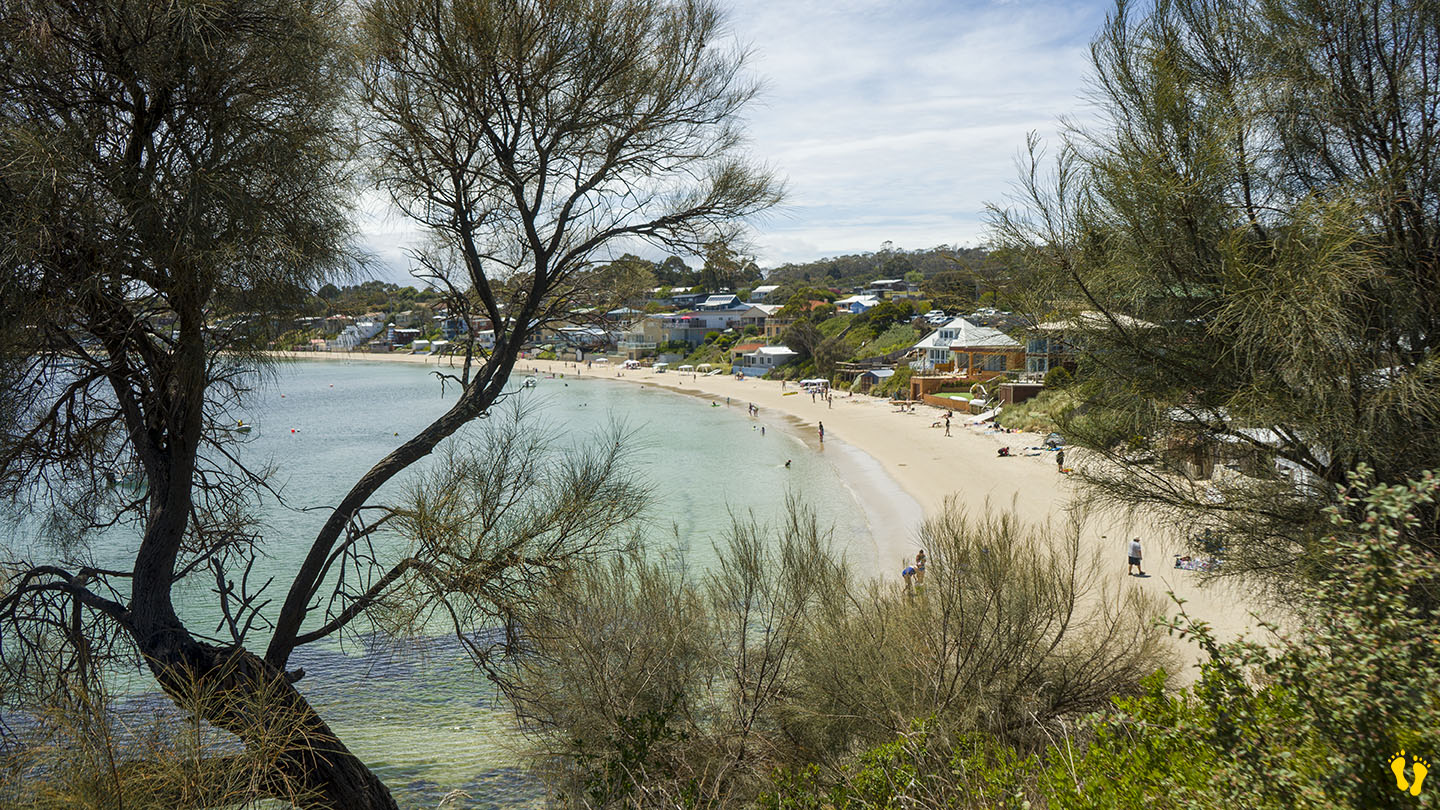
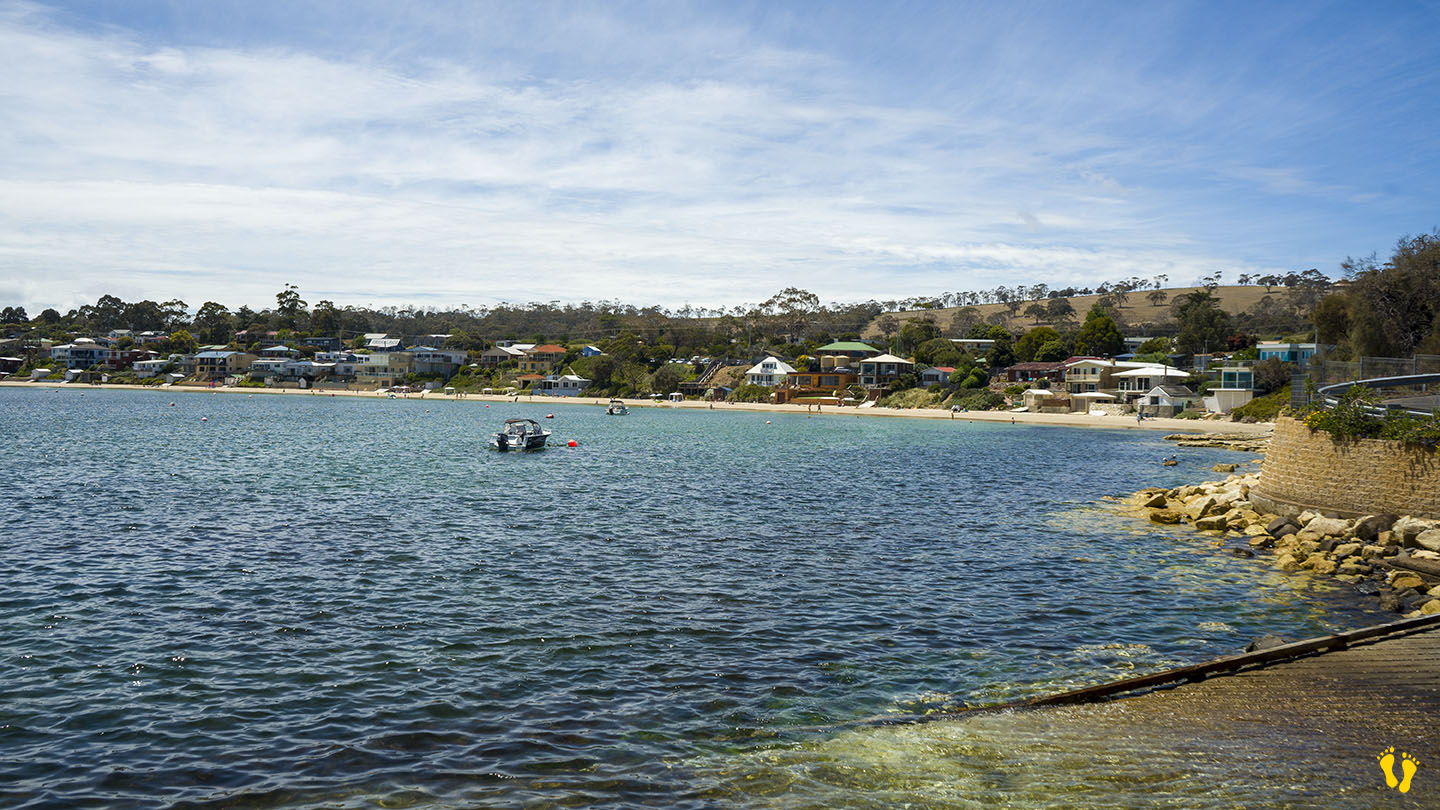
Situated towards the end of South Arm road this is a picturesque well protected beach great for kids. Okay access with shops nearby.
Good boat ramp with jetty for swimming, jumping and fishing.
Named after the American sloop ‘Opossum’ which was chartered by the government under Harbour-Master Capt. John Welsh to conduct numerous surveys in the River Derwent and River Huon in 1827. Opossum if a North American marsupial a bit similar to our possum.