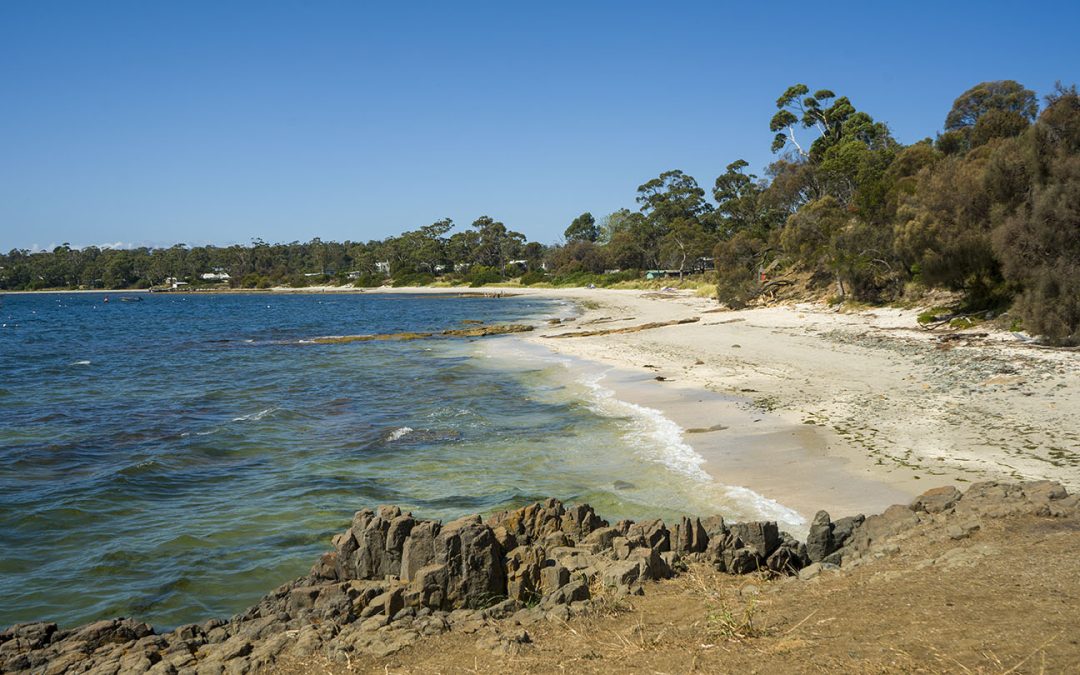
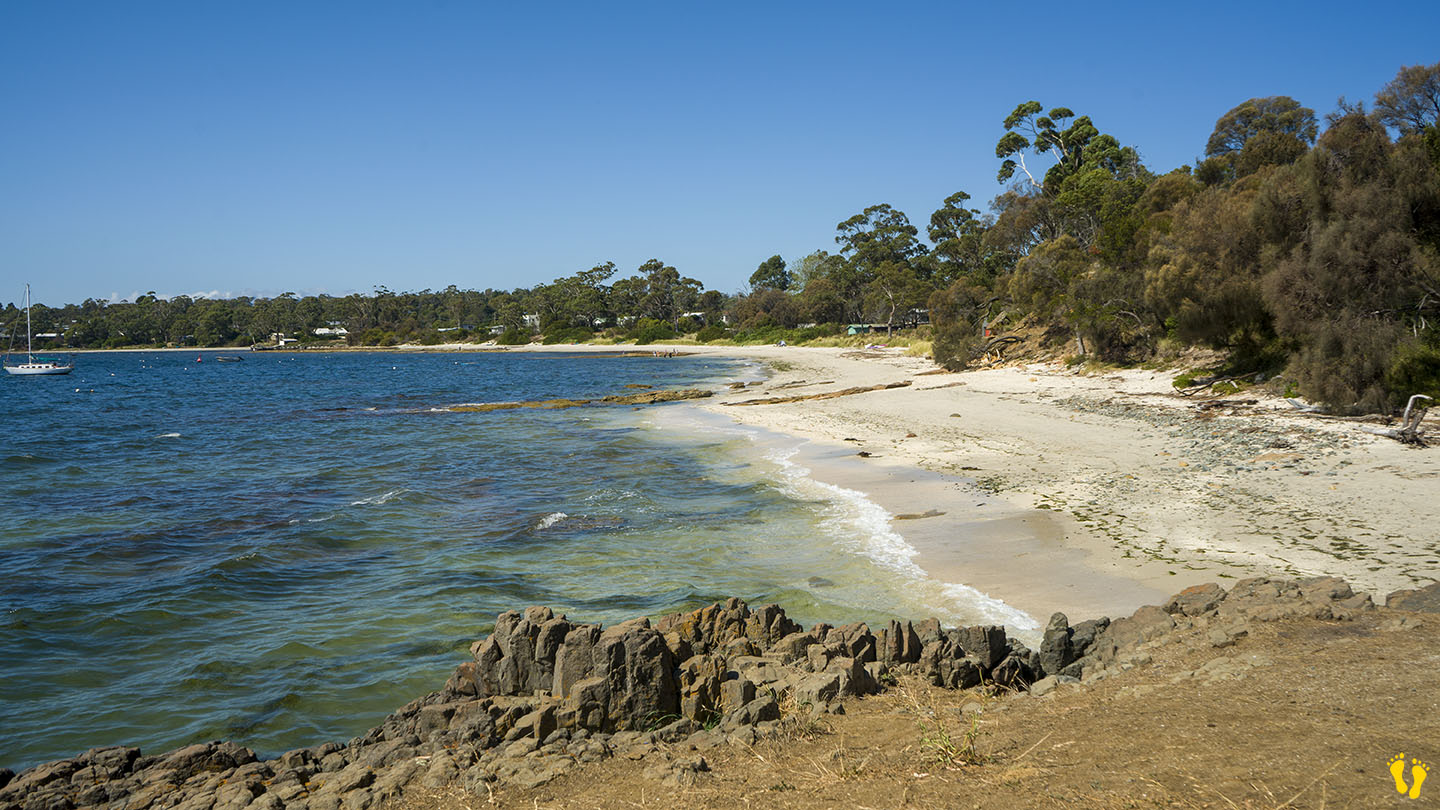
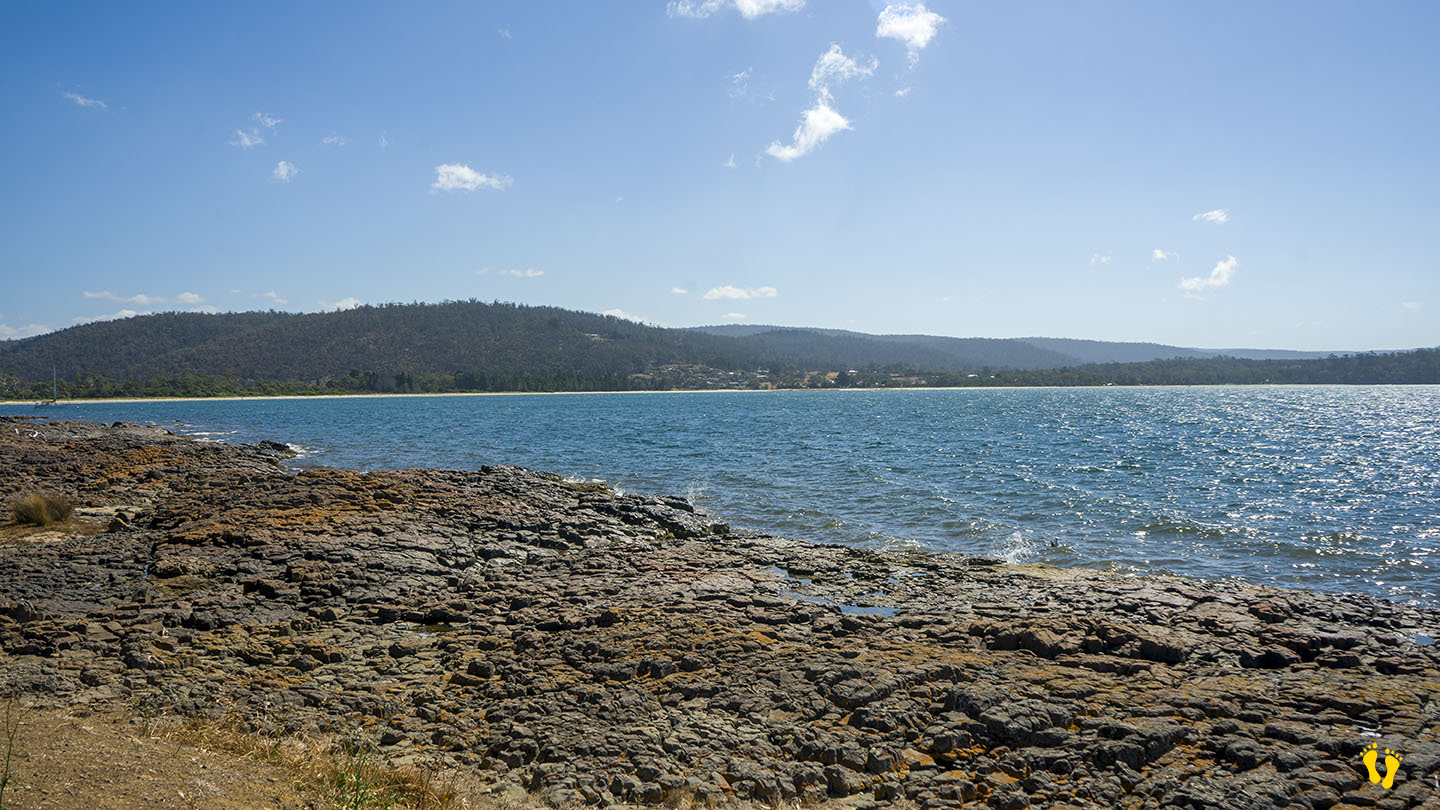
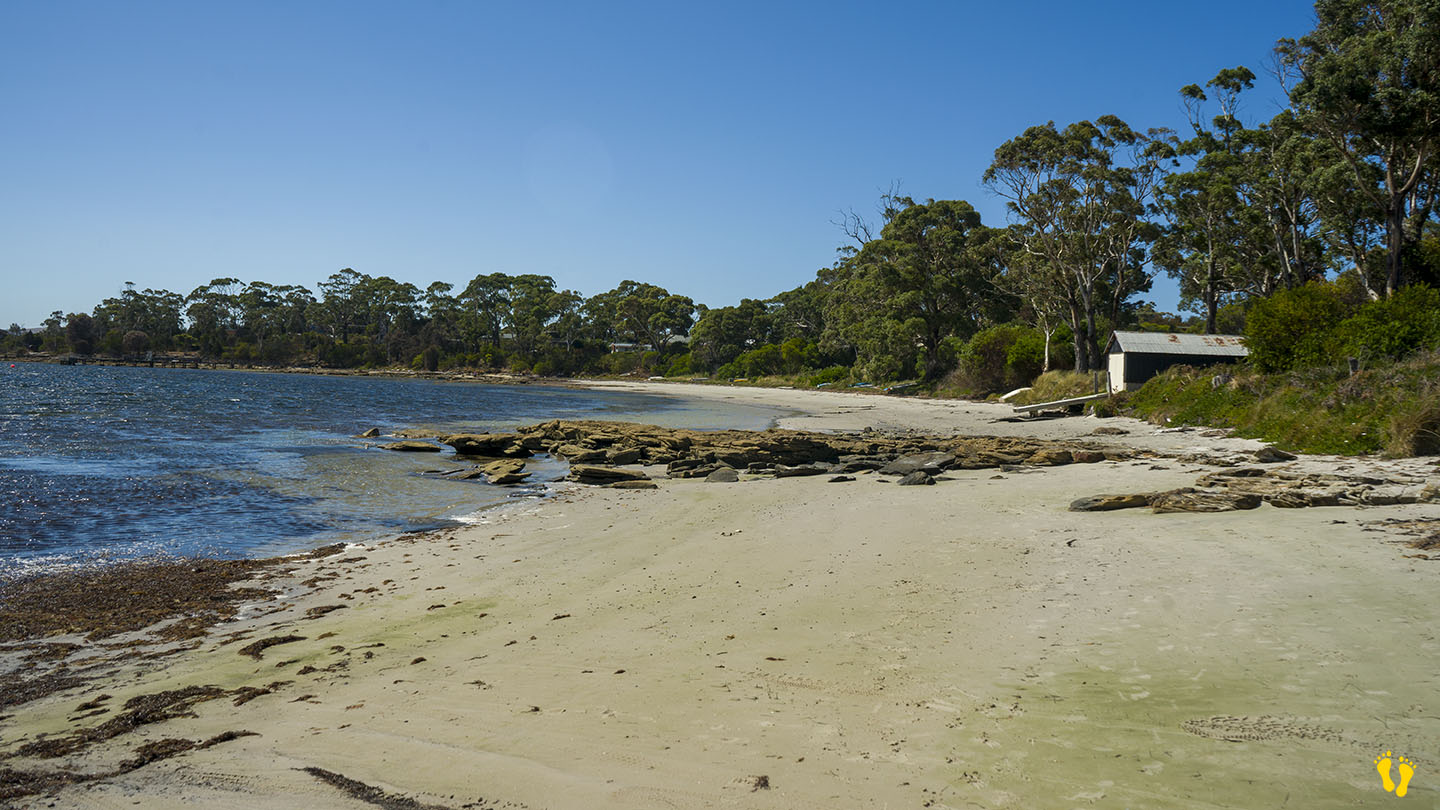
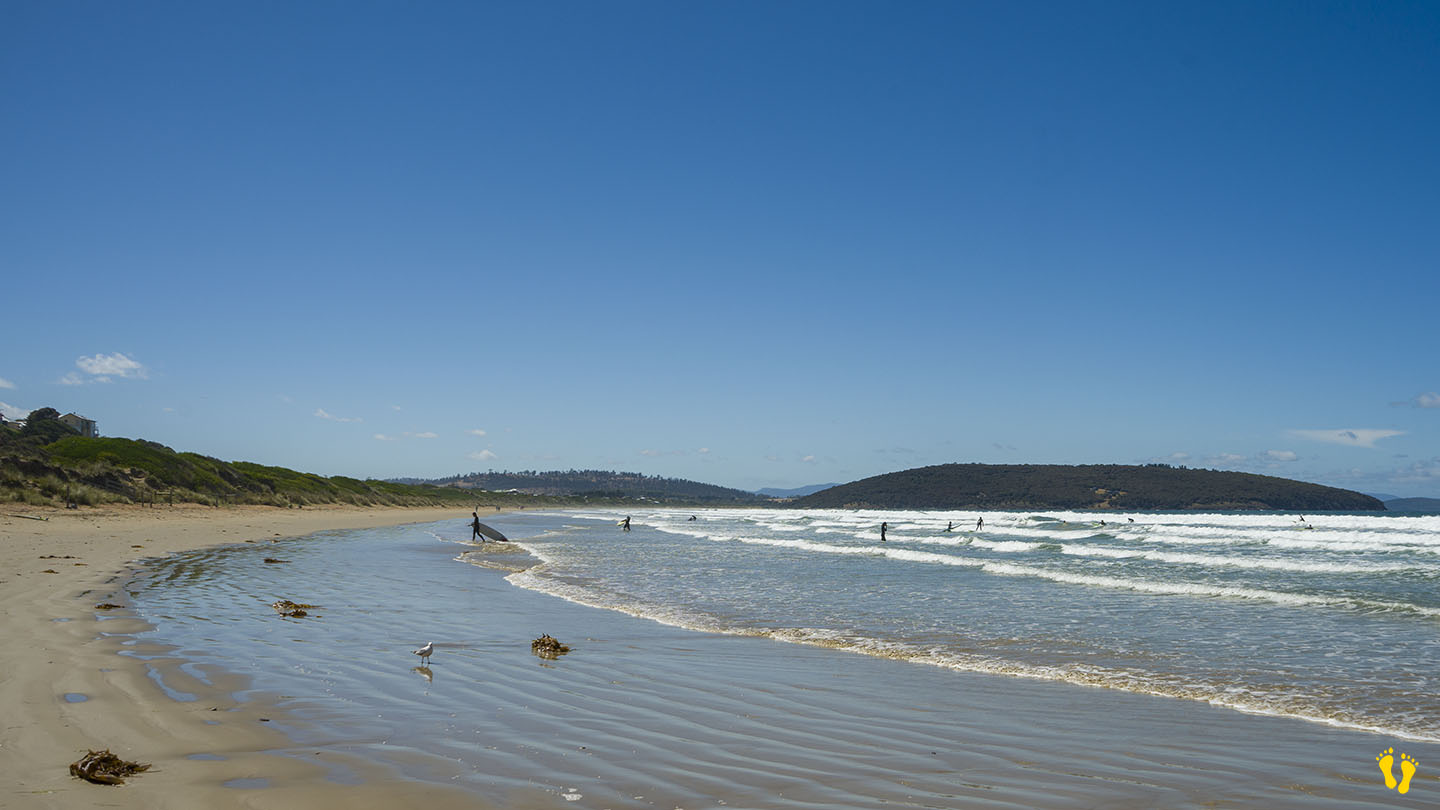
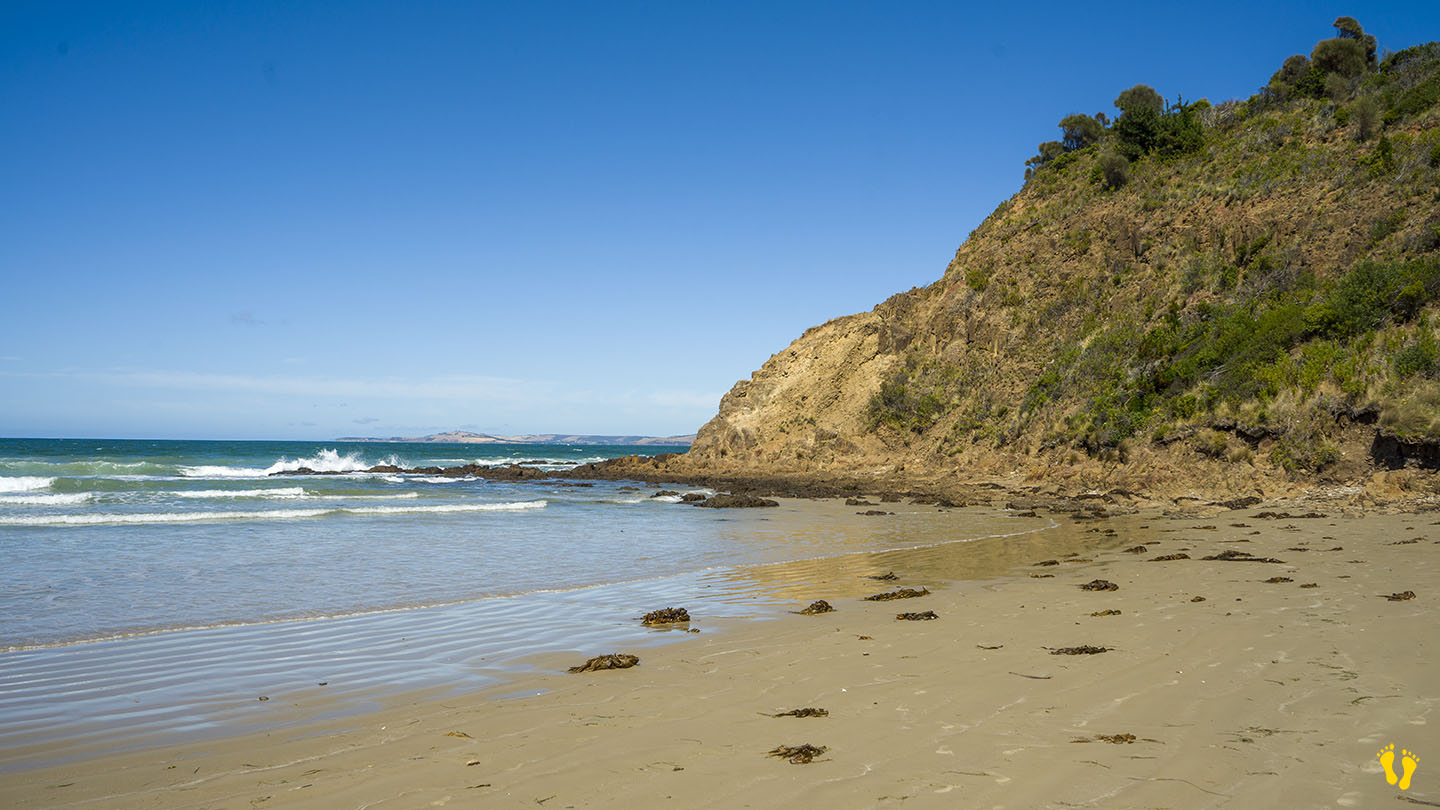
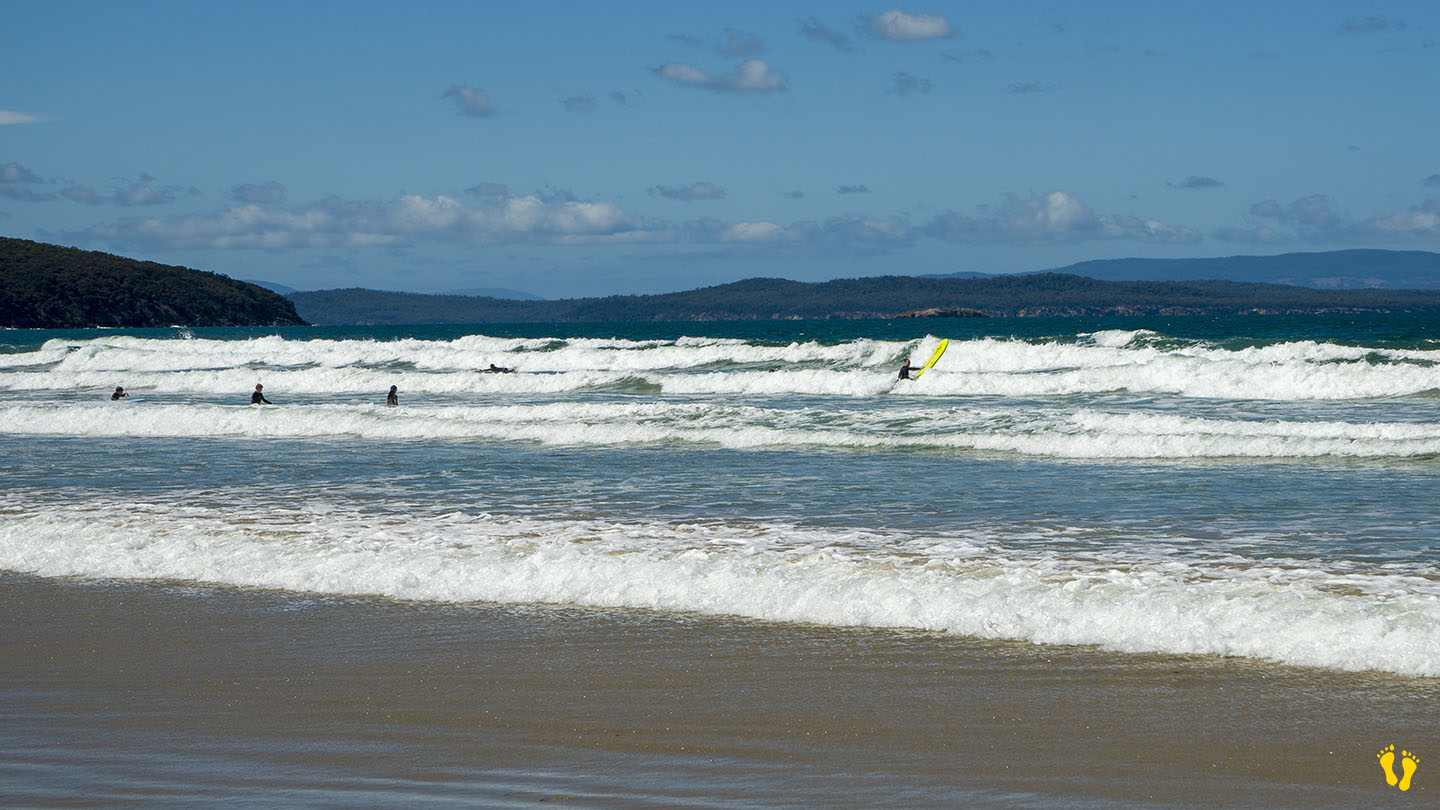
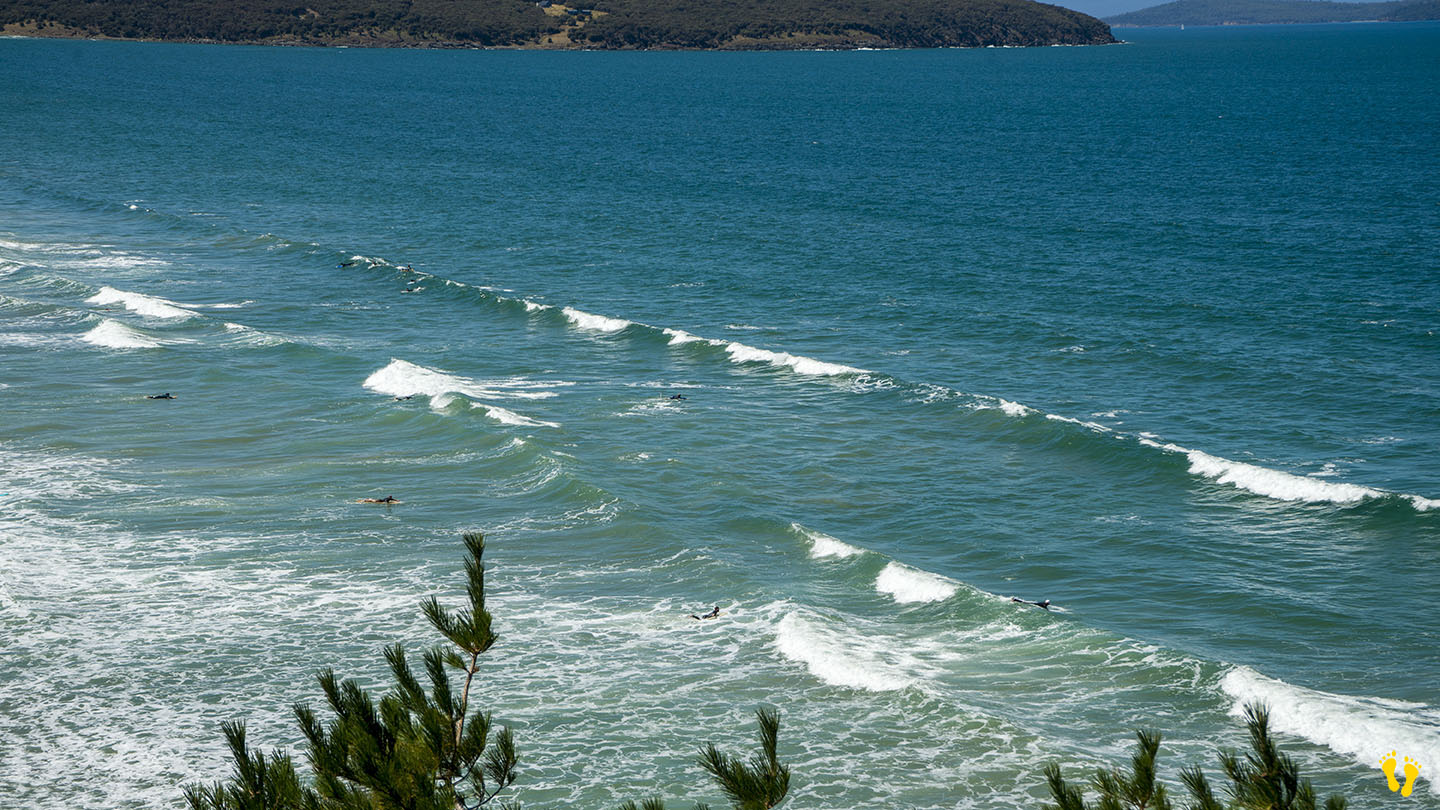
East Coast | Hazard Rating: Low | Parking: Minimal | from Hobart: 82 km | Faces: North into Prosser Bay | Length: 900 m
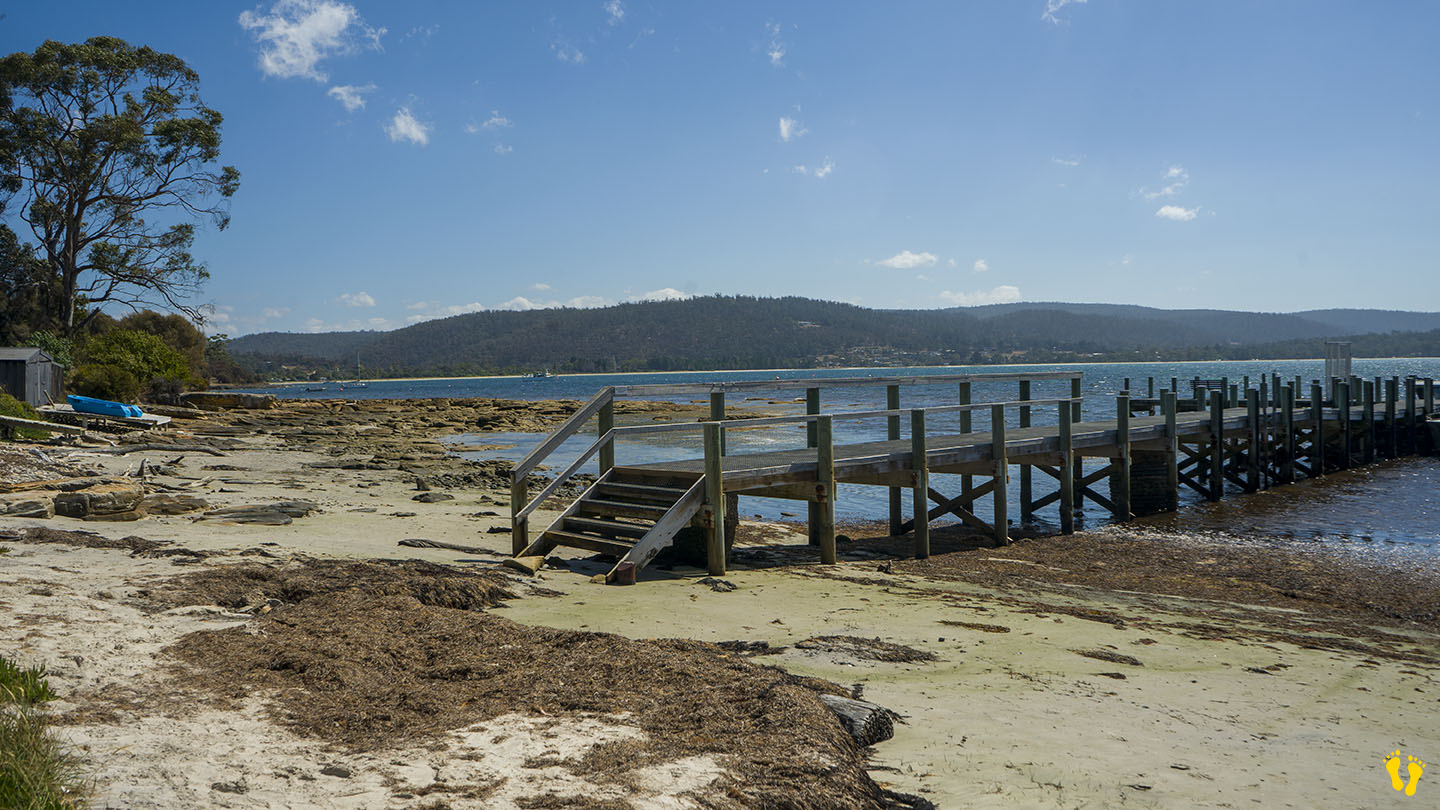
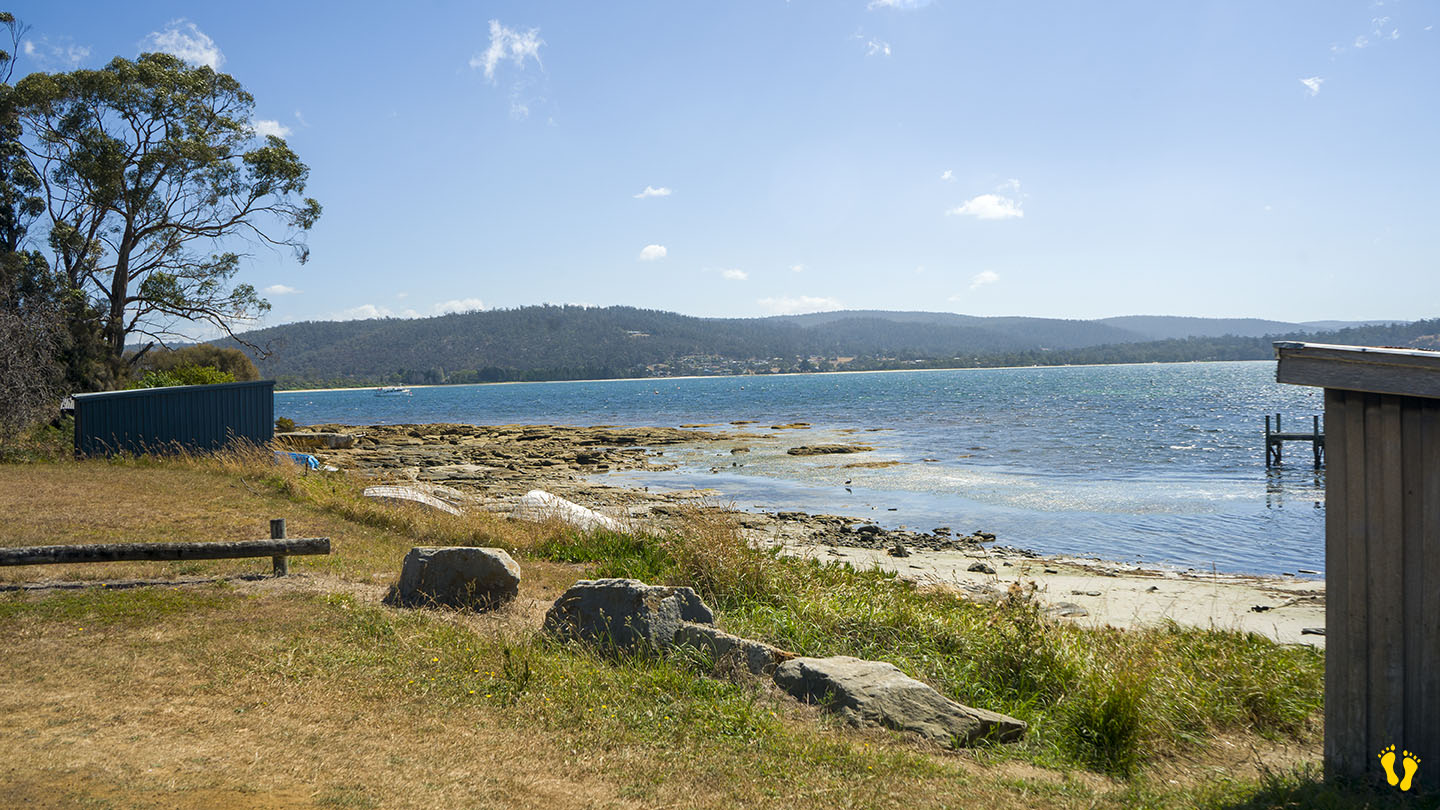
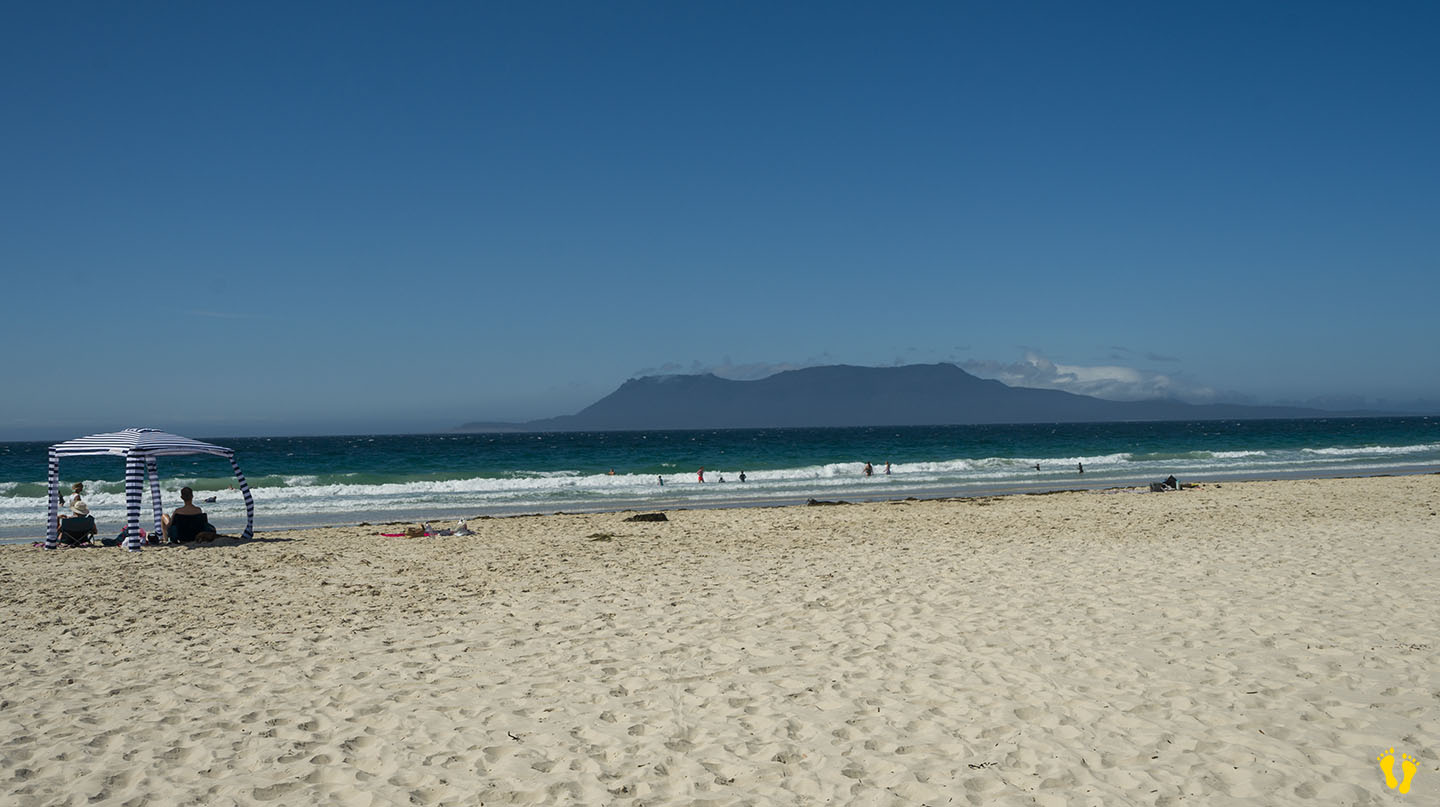
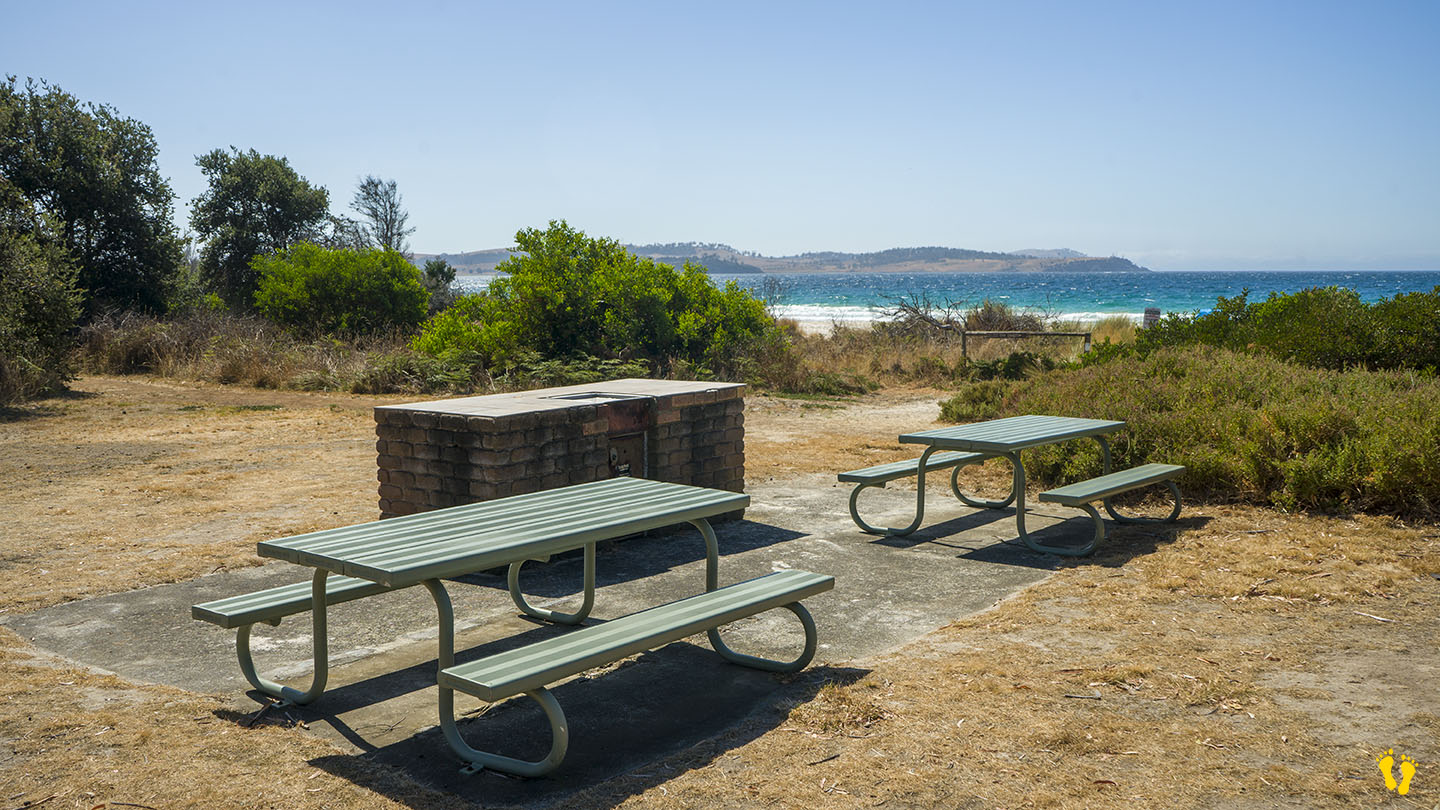
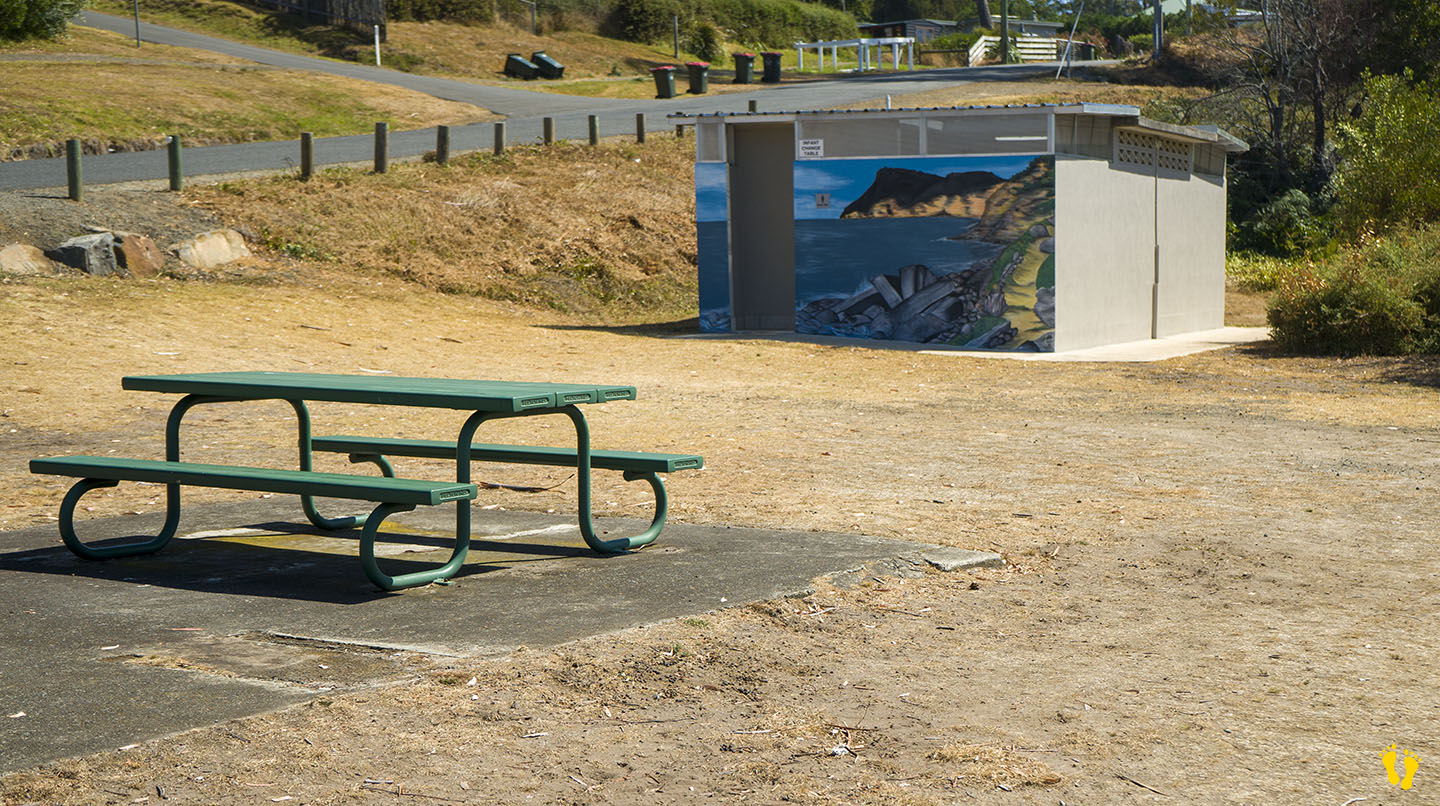
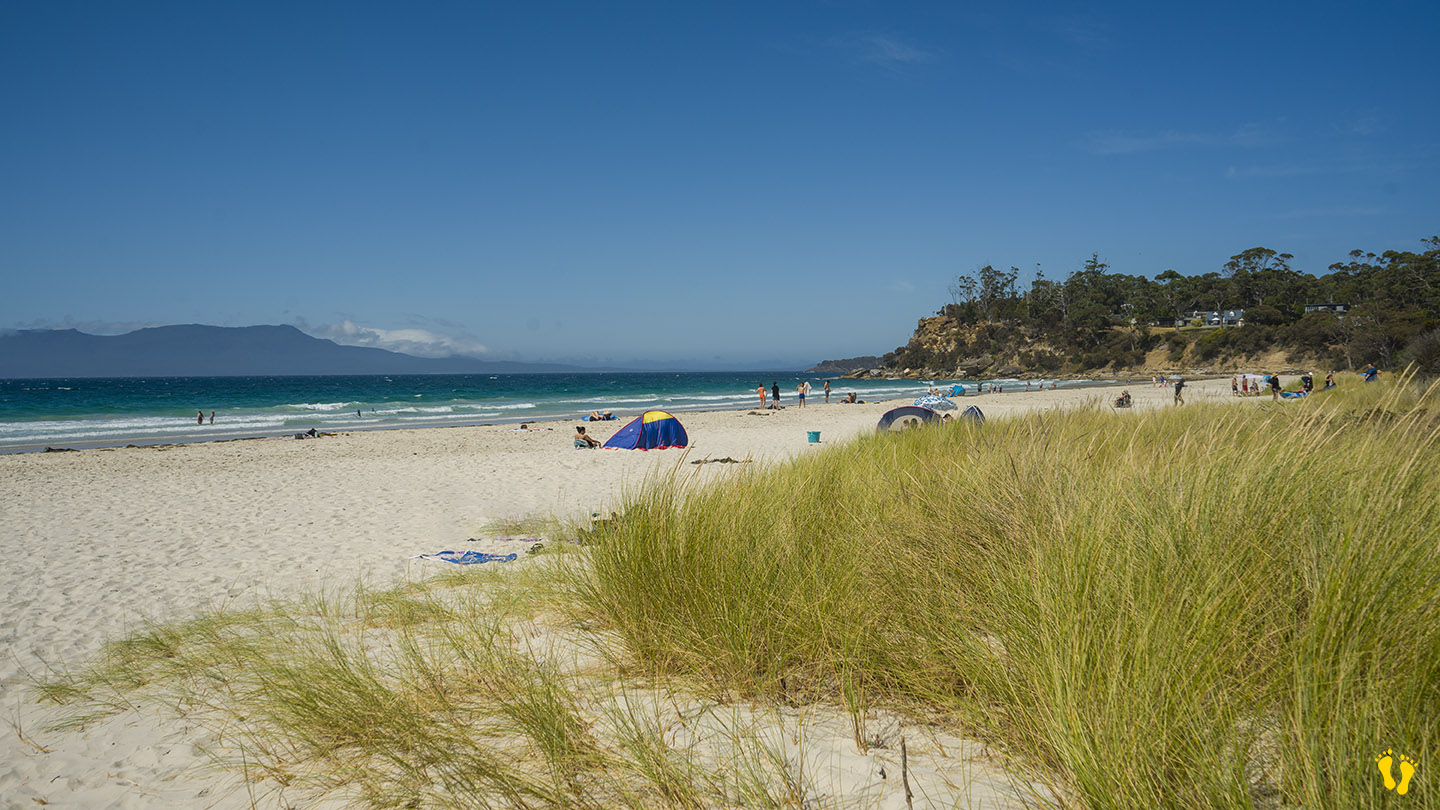
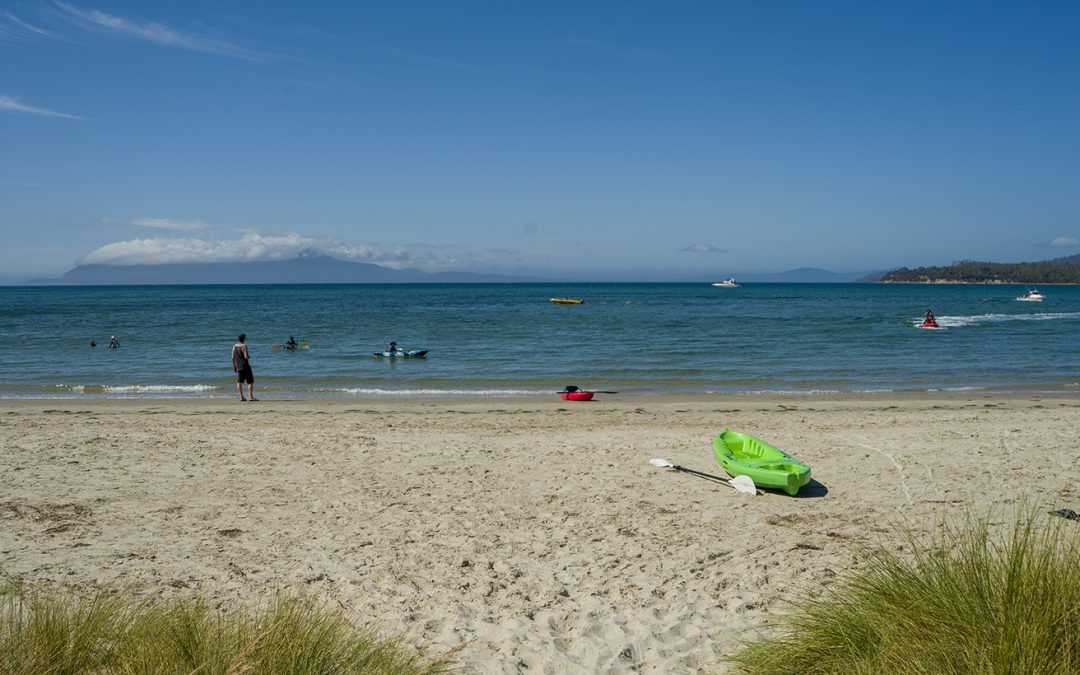
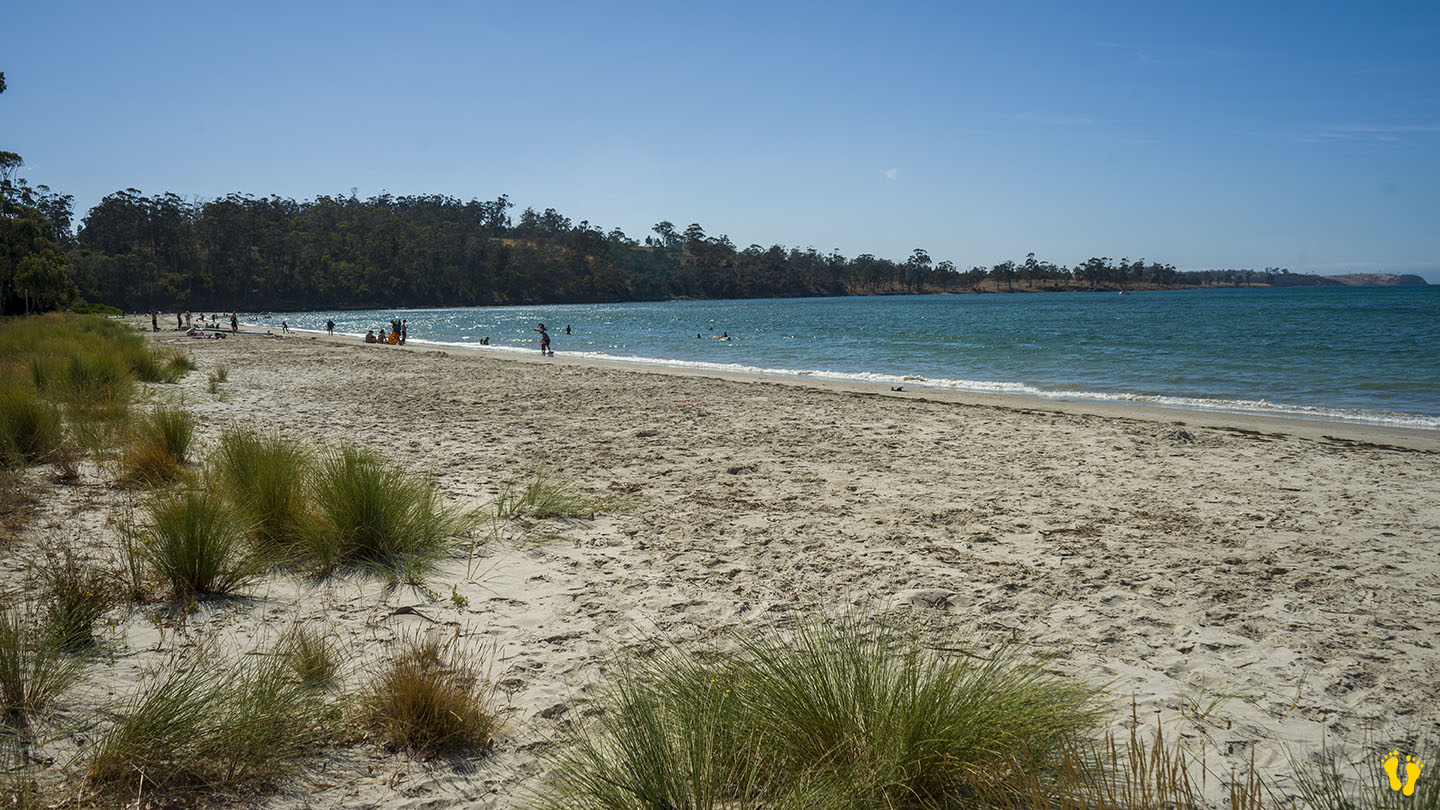
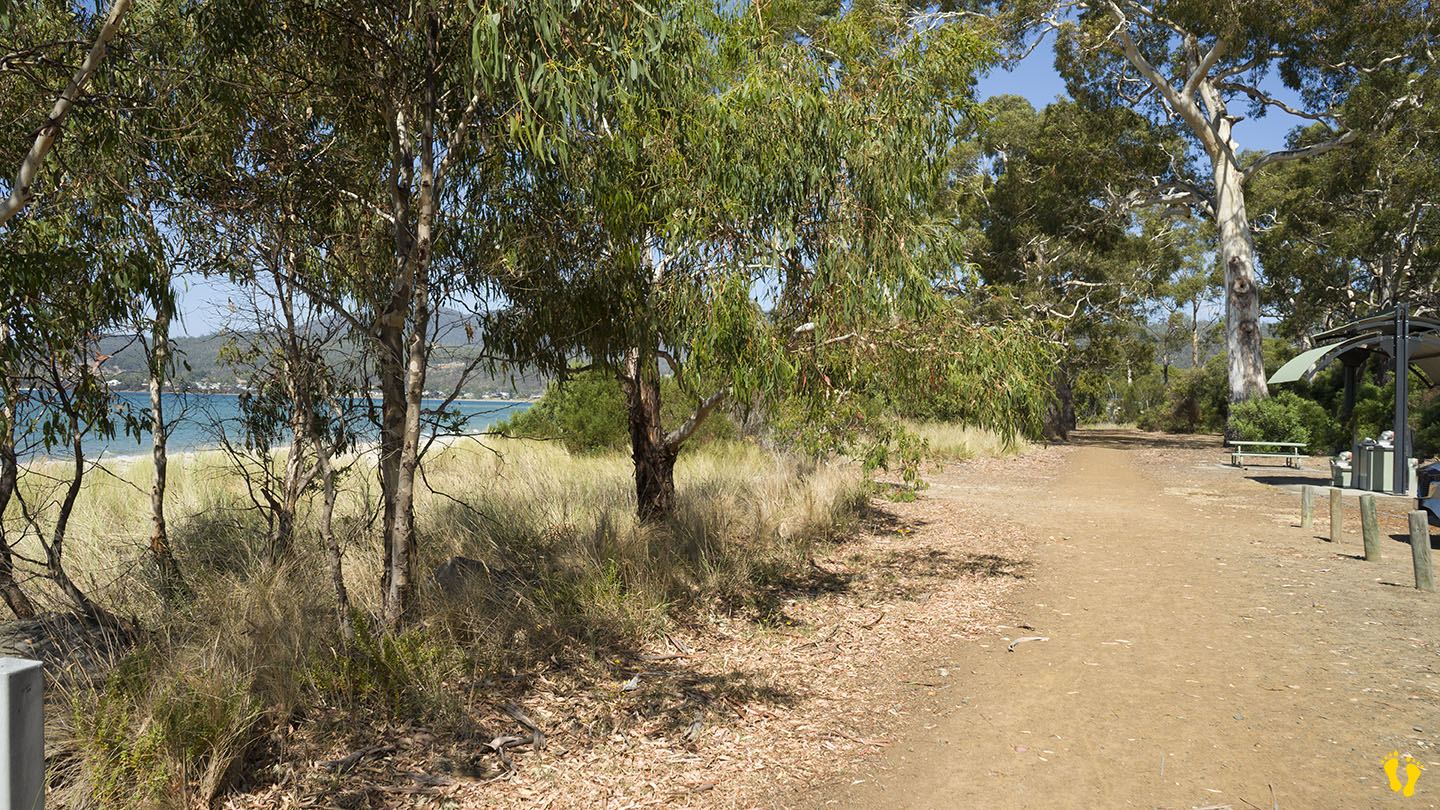
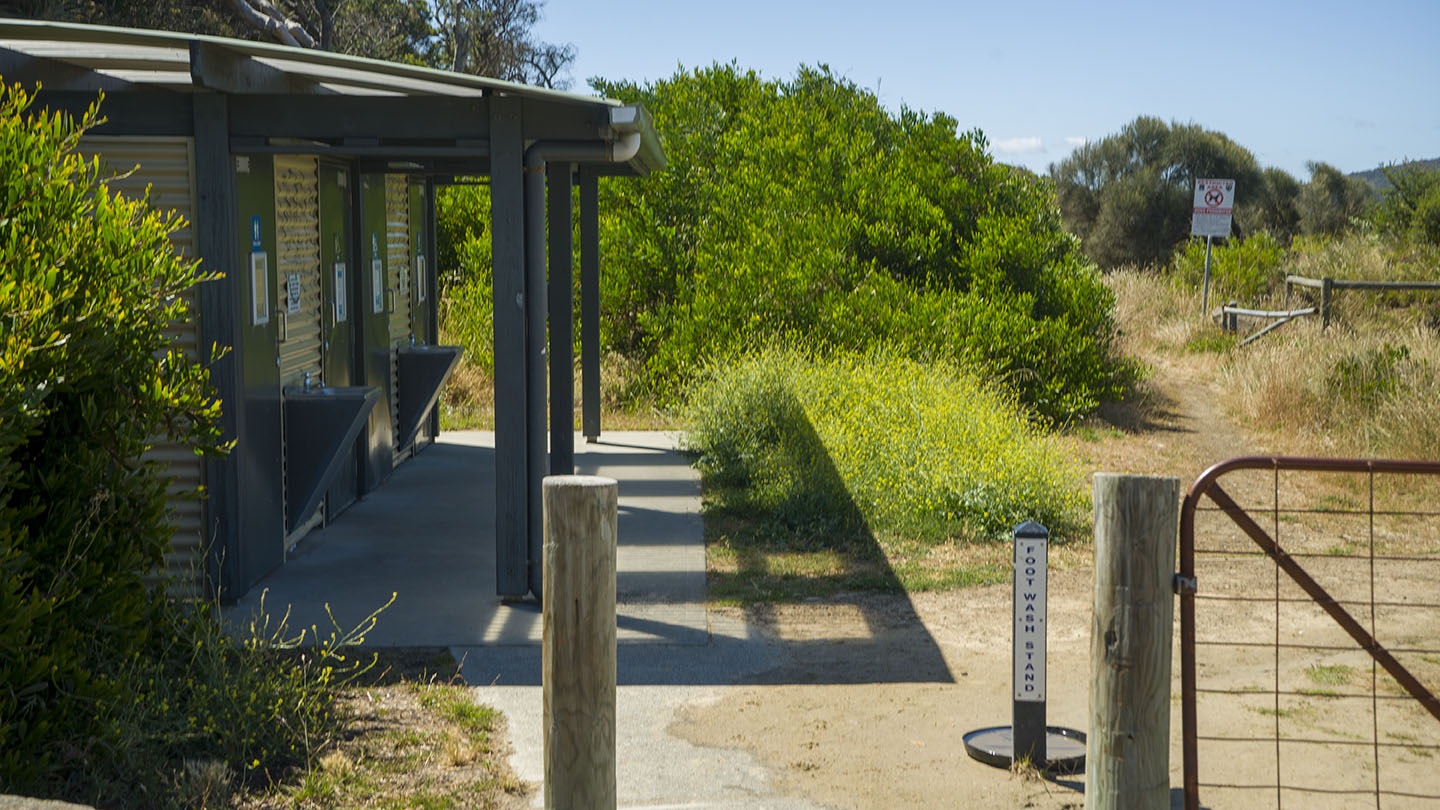
Shelley Beach is made of West Shelley and East Shelley Beaches with a rocky outcrop in between. Entry on the west end is via Jetty Road and down a short dirt road, with limited parking and no amenities. The east end is accessed via East Shelley Road (shown as E Shelly Road on Google Maps). Again, there is limited parking and no amenities.
A nice beach but with limited access and surprisingly not many shells! Also confusion on the spelling (Shelly vs Shelley).
EAST COAST | Hazard Rating: 2-3/10 | Parking: Good + close | from Hobart: 80 km | Faces: SE into Prosser Bay | Length: ~ 1km
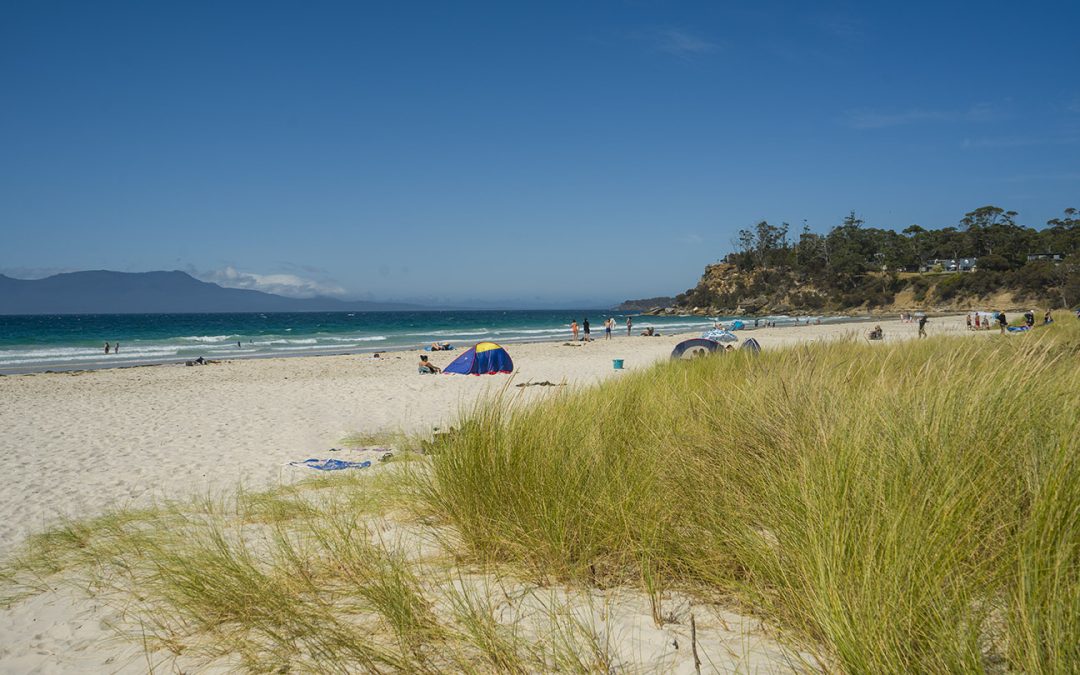
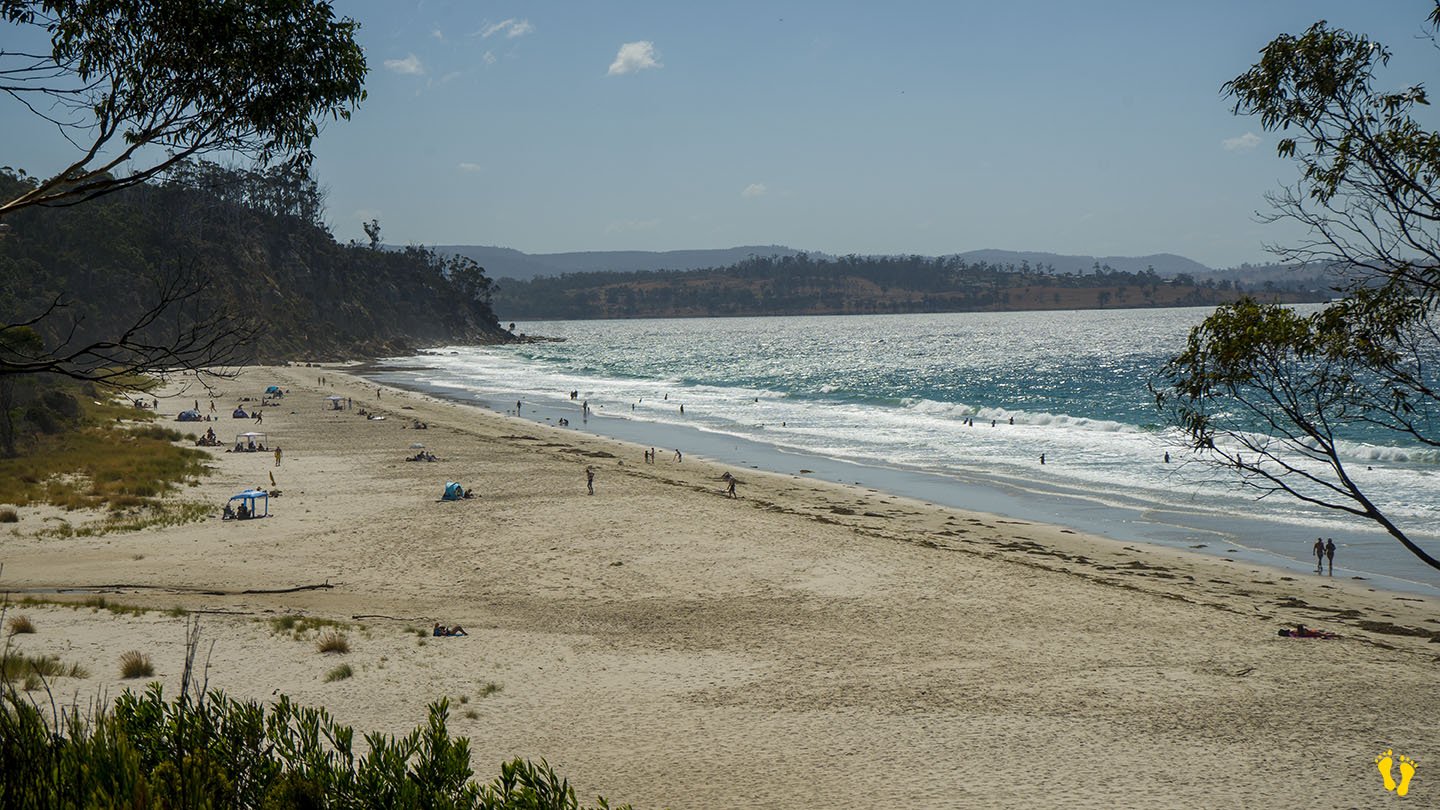
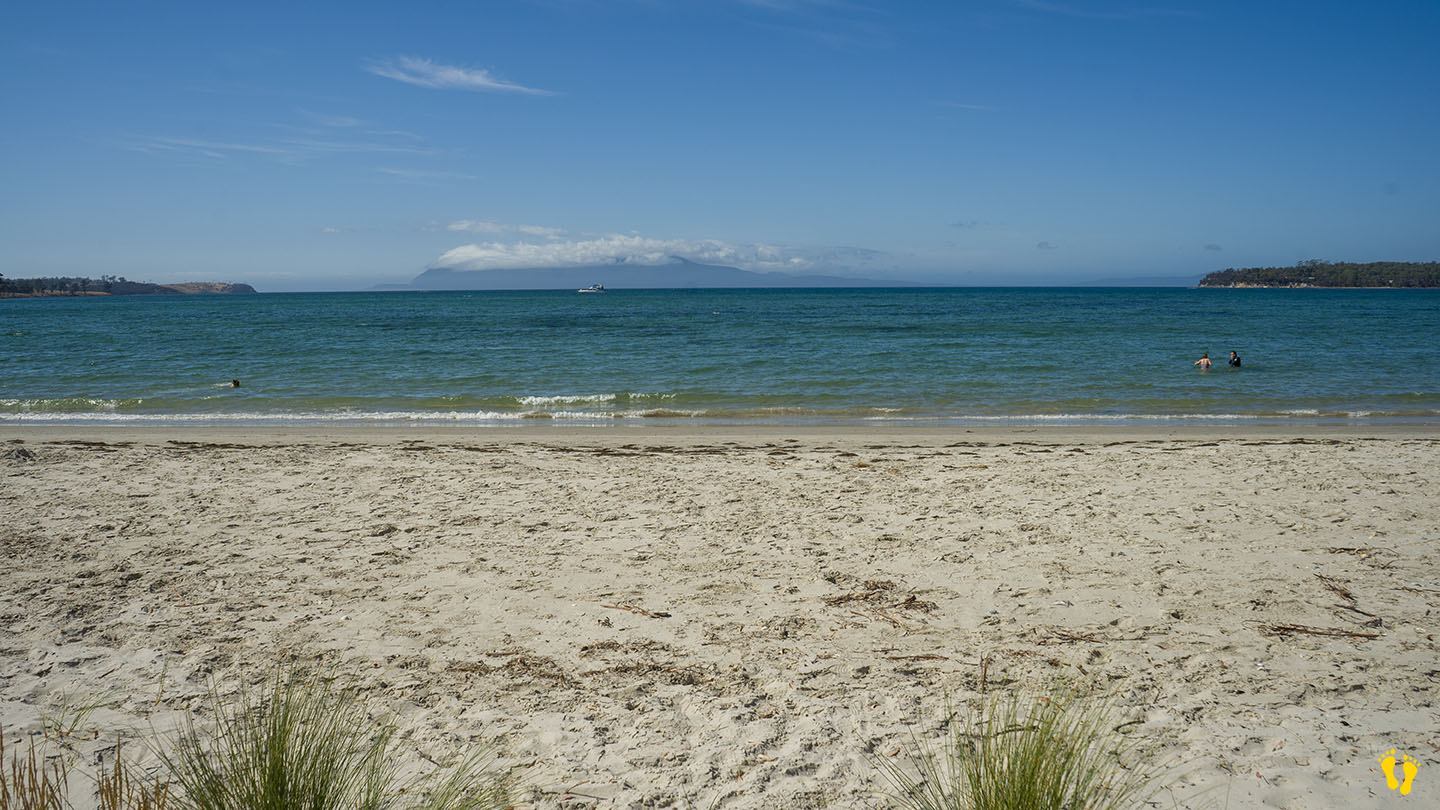
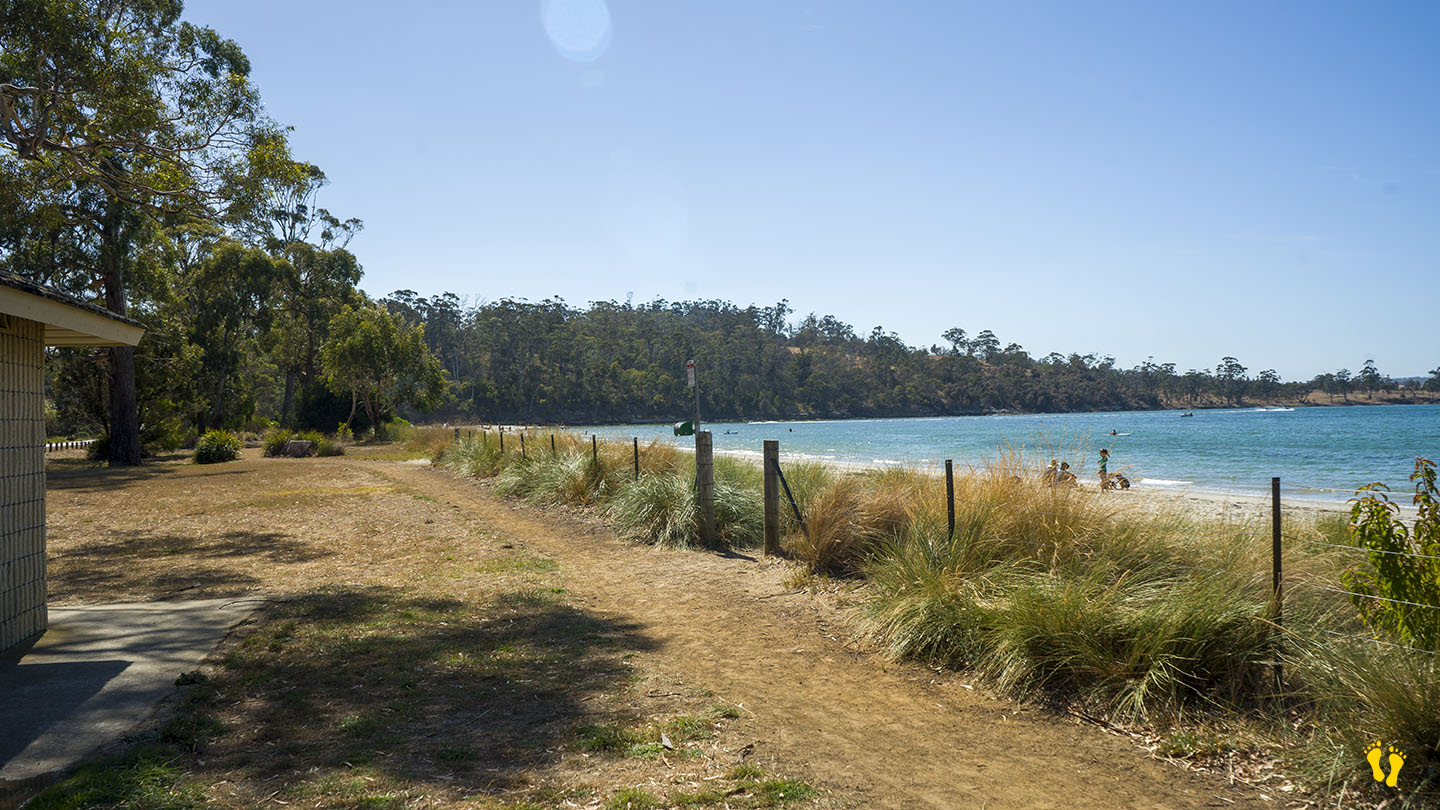
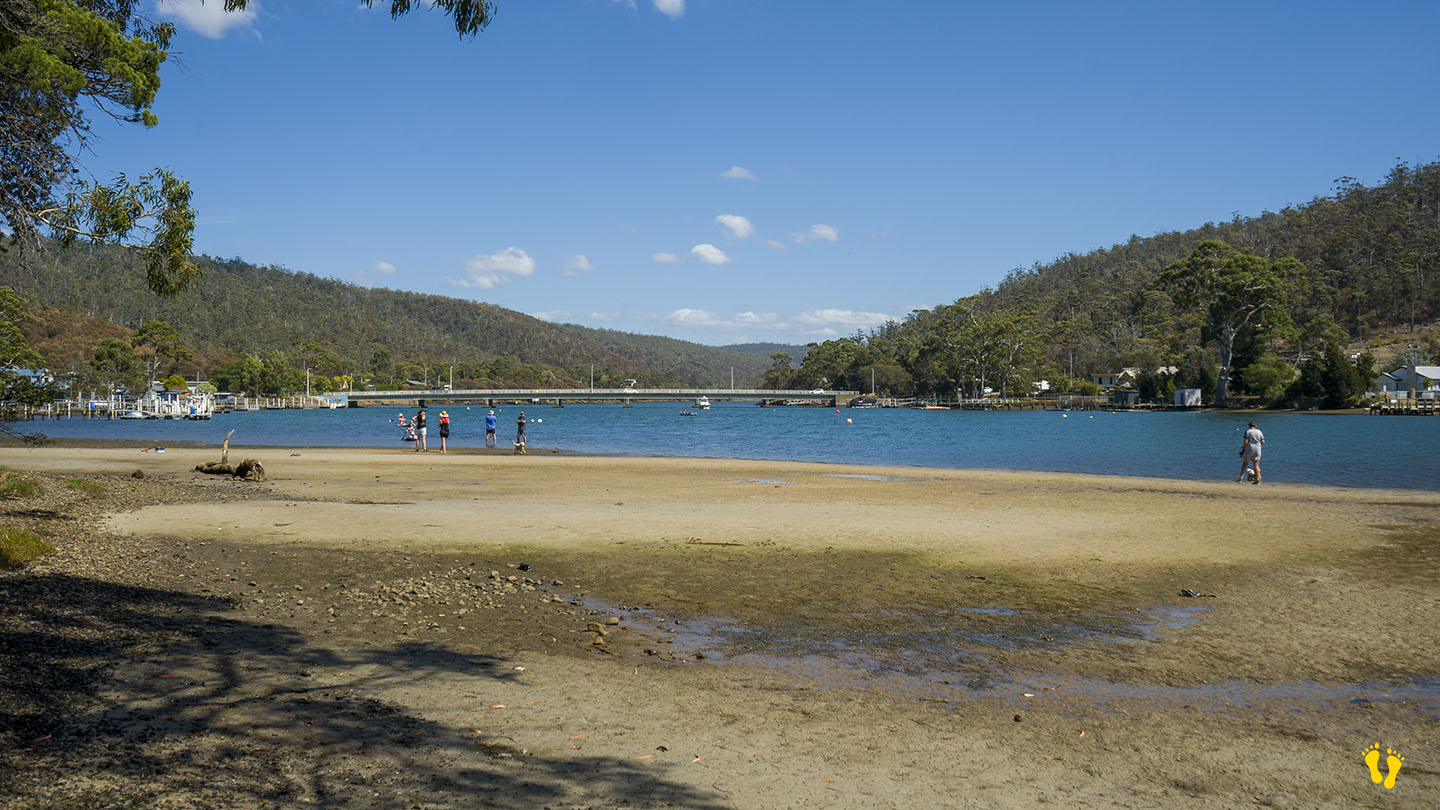
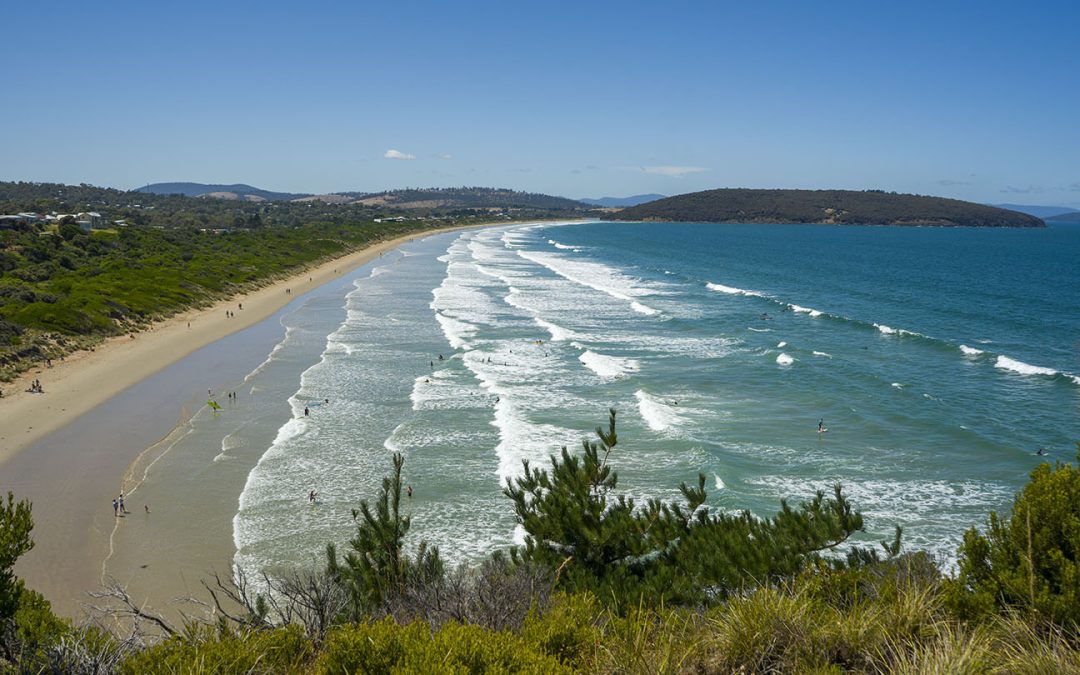
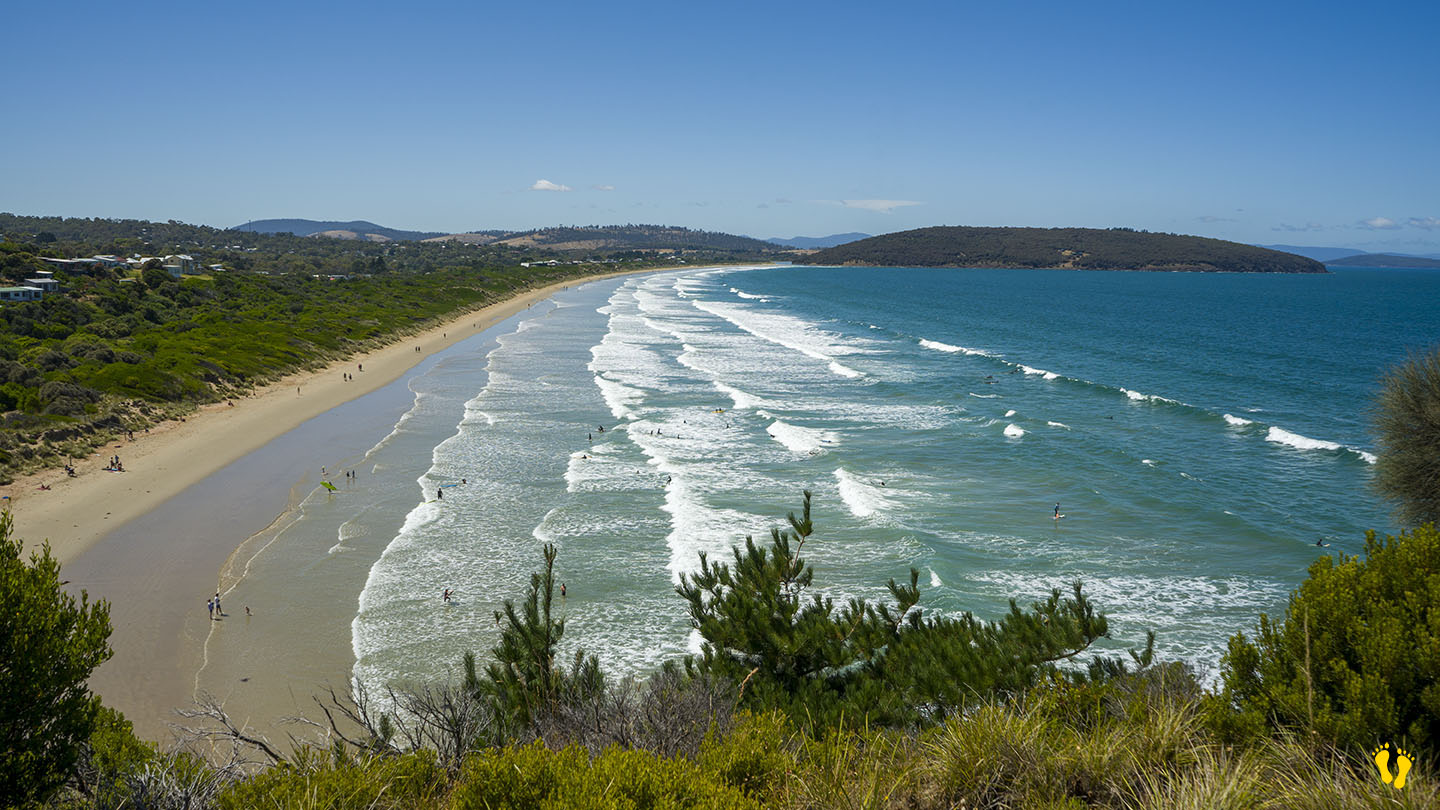
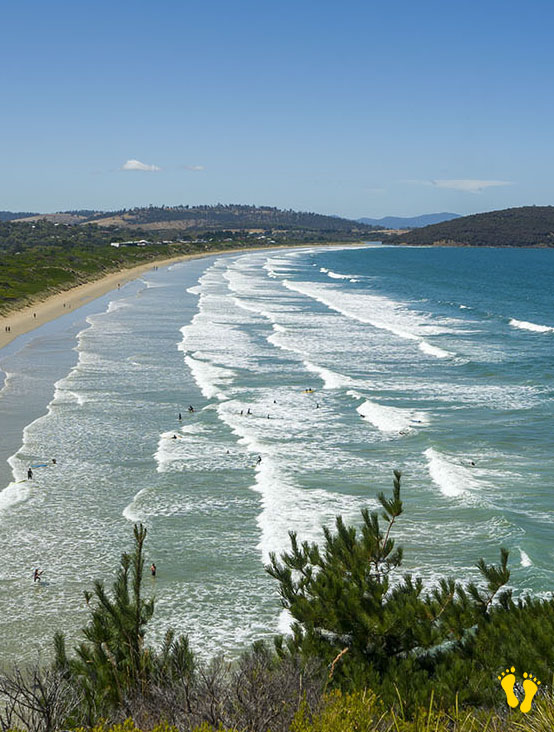
Raspins \ Orford Beach is just north of Orford on the east coast of Tasmania. A great for families, with views of Toarra-Marra-Monah (Maria Island).
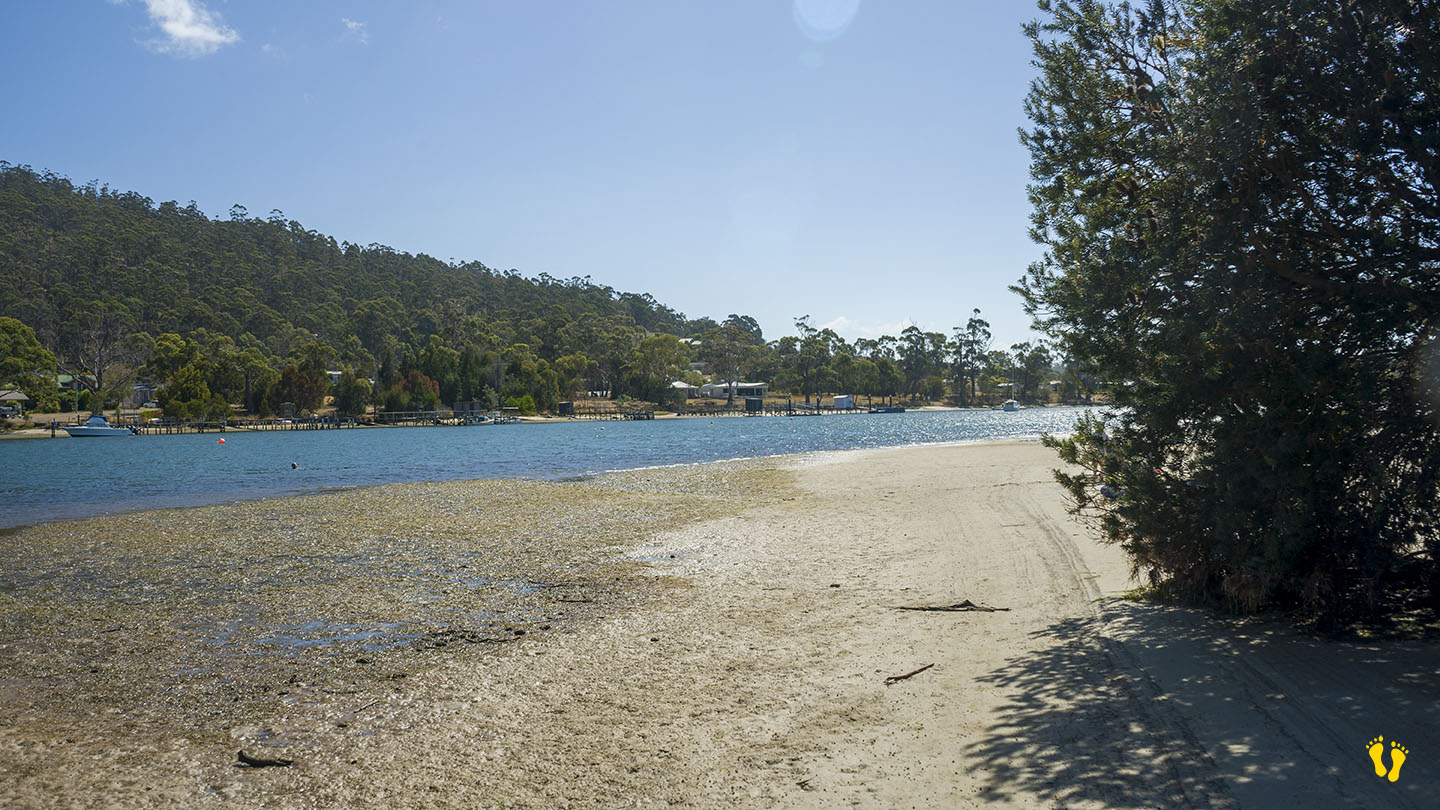
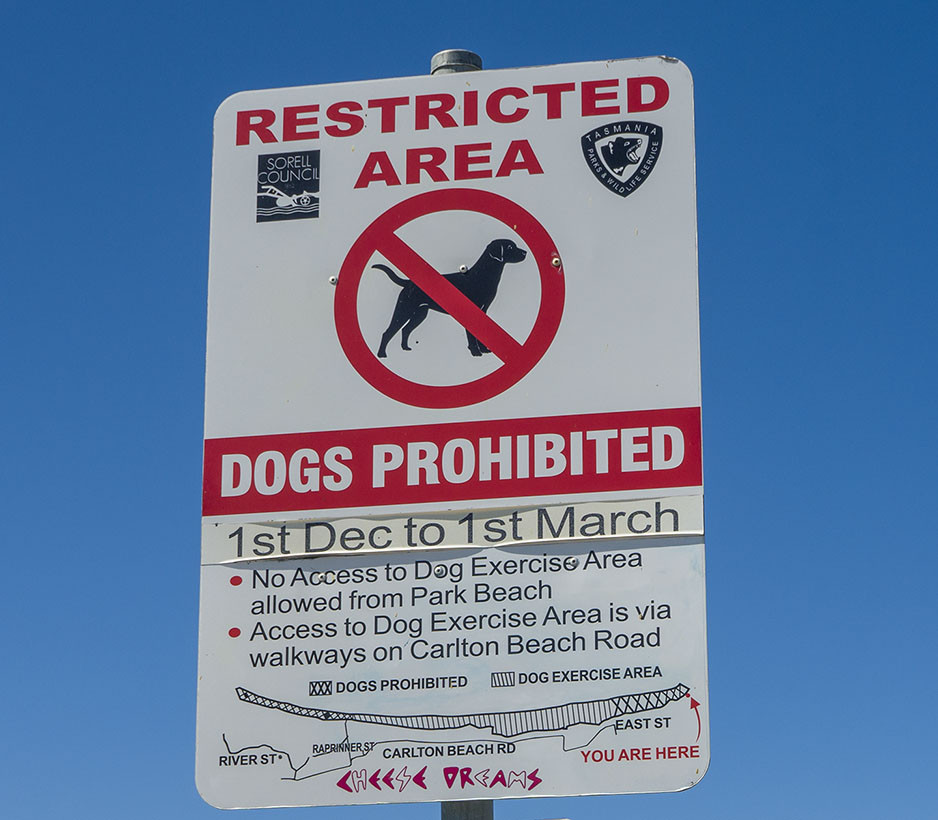
Starting as ‘Raspins Beach’ at the north end and blending into ‘Orford Beach’ at the south end, and then ending at the Prosser Rivermouth. Toilets mid-beach and good parking from several entry points along its length. Alas, although I spent many a summer camping here – that is no more – it is now only a day visit area with BBQ’s, park and walk areas and ideal for a swim or canoe\kayak. If lucky you may see a whale in Prosser Bay.
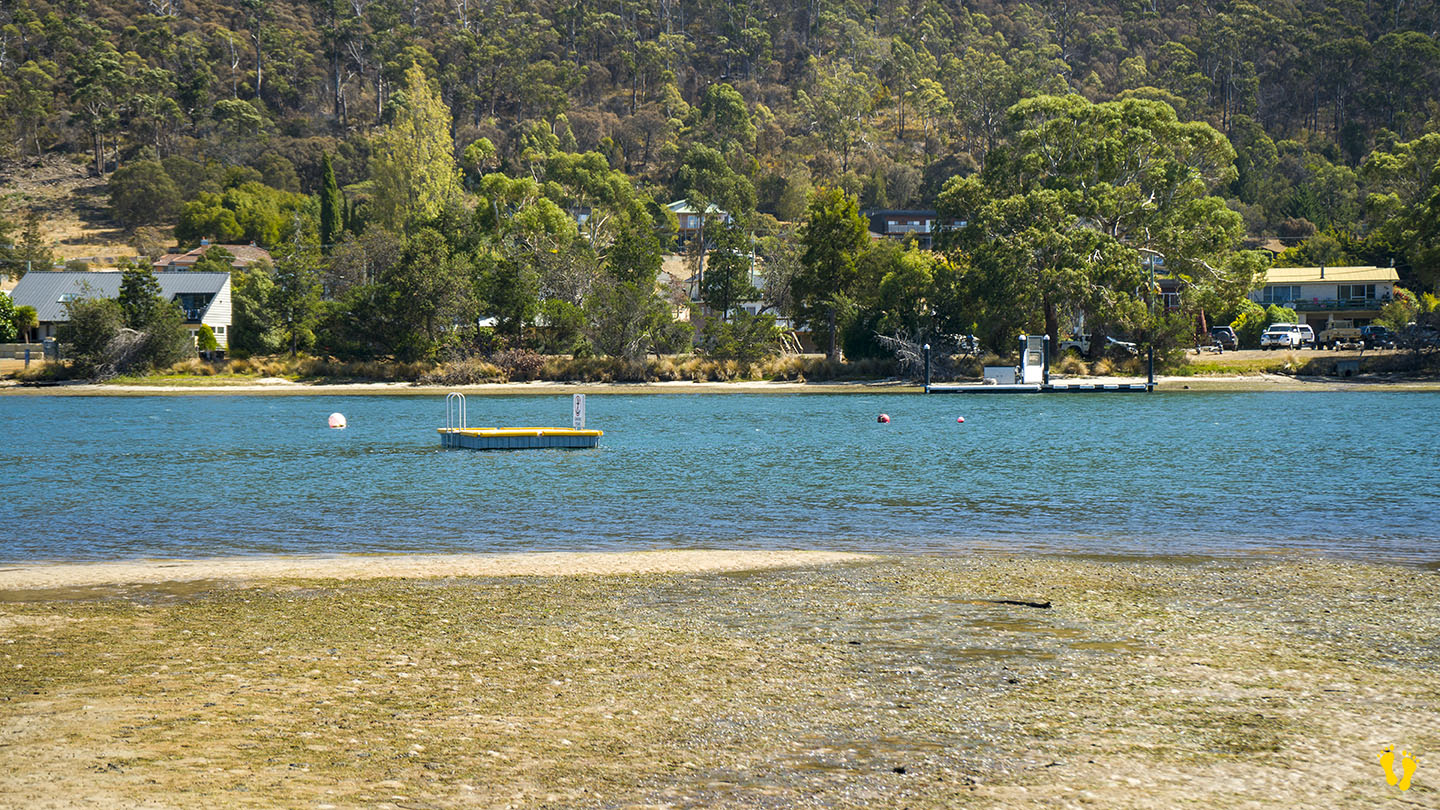
Crossing the bridge to the south and following the Esplanade takes you to another small beach in the Prosser River – not sure what this is called but it is well protected and includes a floating pontoon you can swim to.
Original people: The original inhabitants of the Orford area were the Paredarerme, also known as the Oyster Bay tribe. Historians estimate that they were the largest of the Tasmanian tribes. They tended to migrate inland during the warmer months but stayed on the coast in autumn and winter.
Orford comes from an English name made up of Old English – ‘ora’ (river bank) and ‘ford’ (river crossing), named after the Earl Orford.
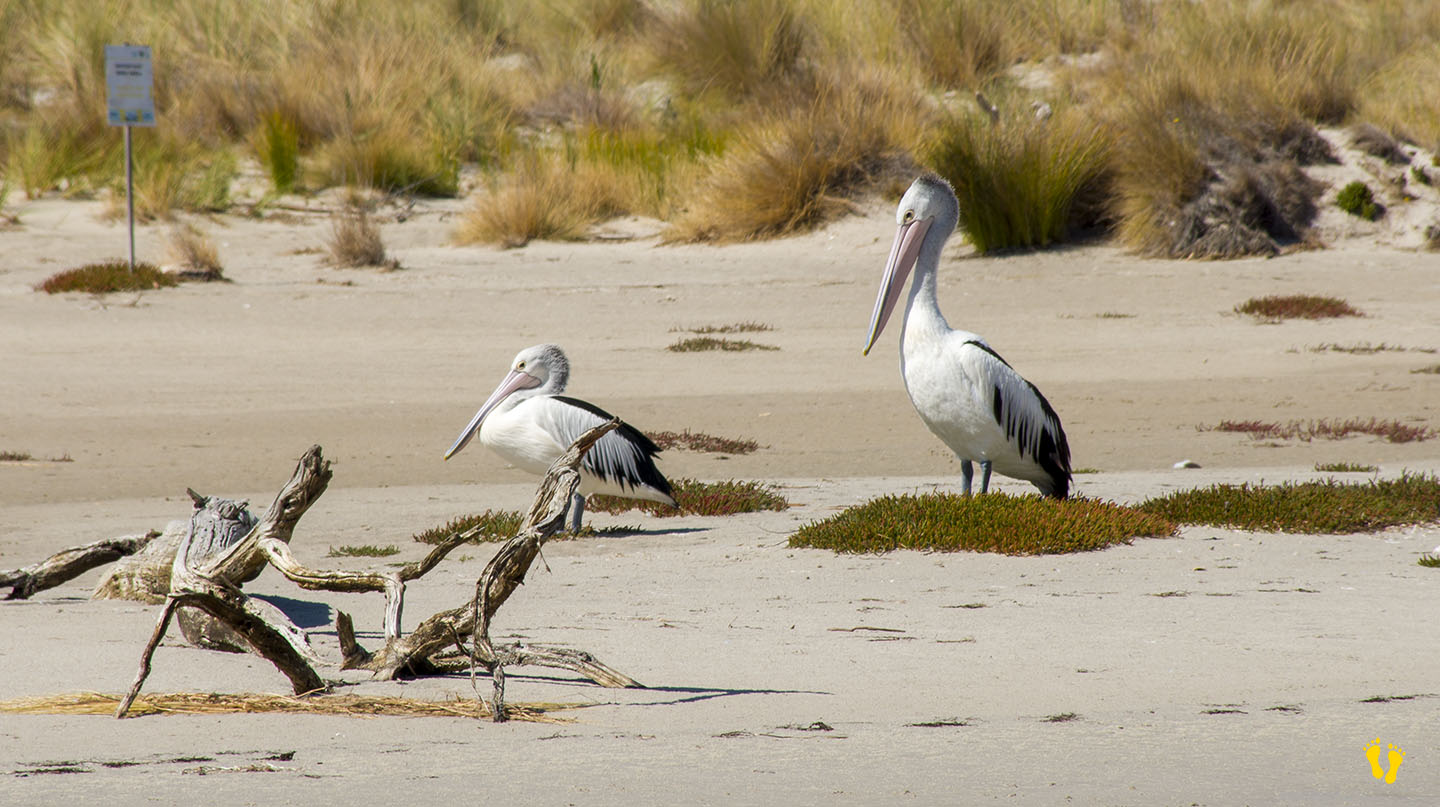
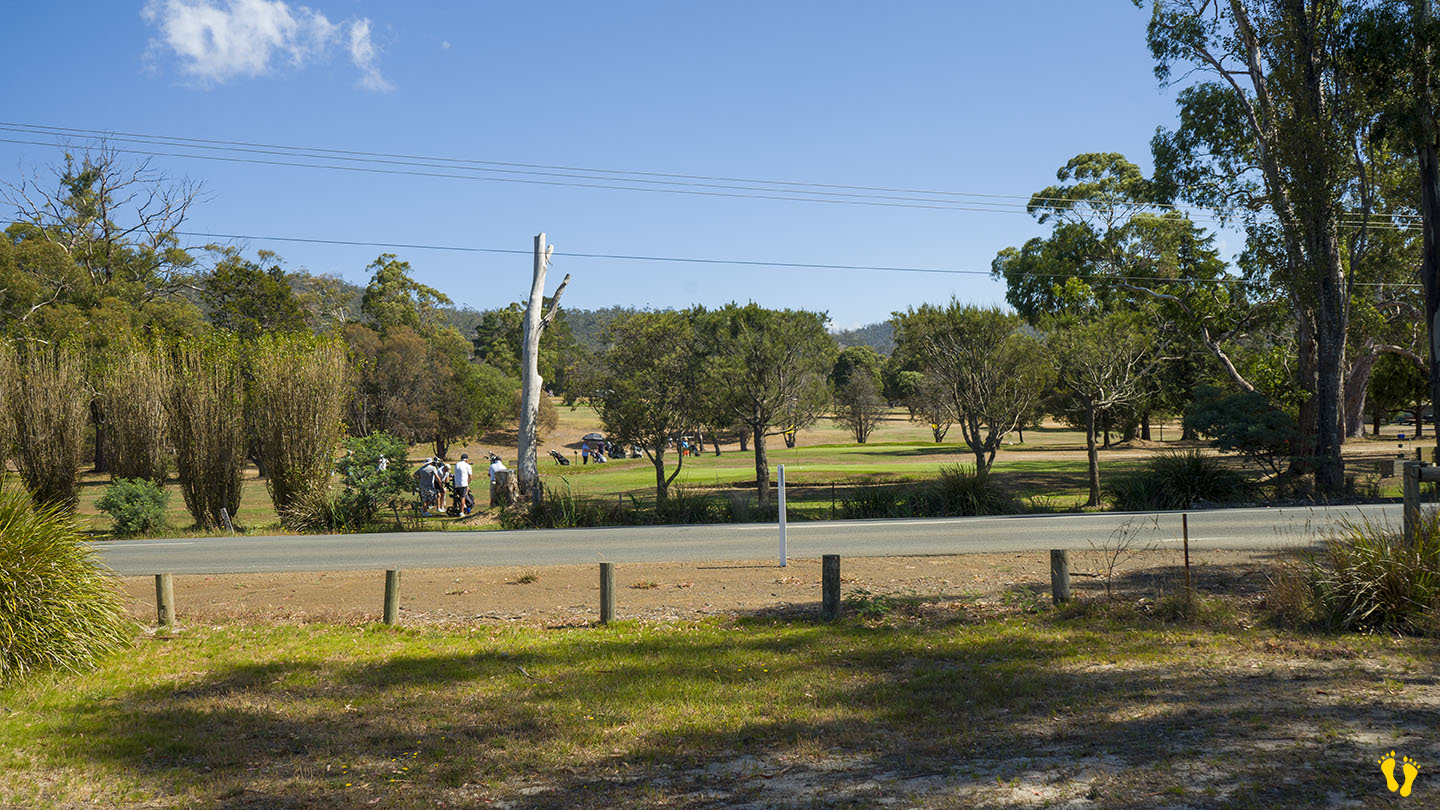
Originally named ‘North Beach’ it was renamed ‘Raspins Beach’ after a family who owned a farm opposite the beach. The farm was sold to become the golf club in 1957. Areas of the beach to the south are being regenerated and protected to encourage bird and fauna life including a bird sanctuary.
Hazard Rating: 10+/10 | Parking: None | from Hobart: A long way | Faces: South into Antarctica
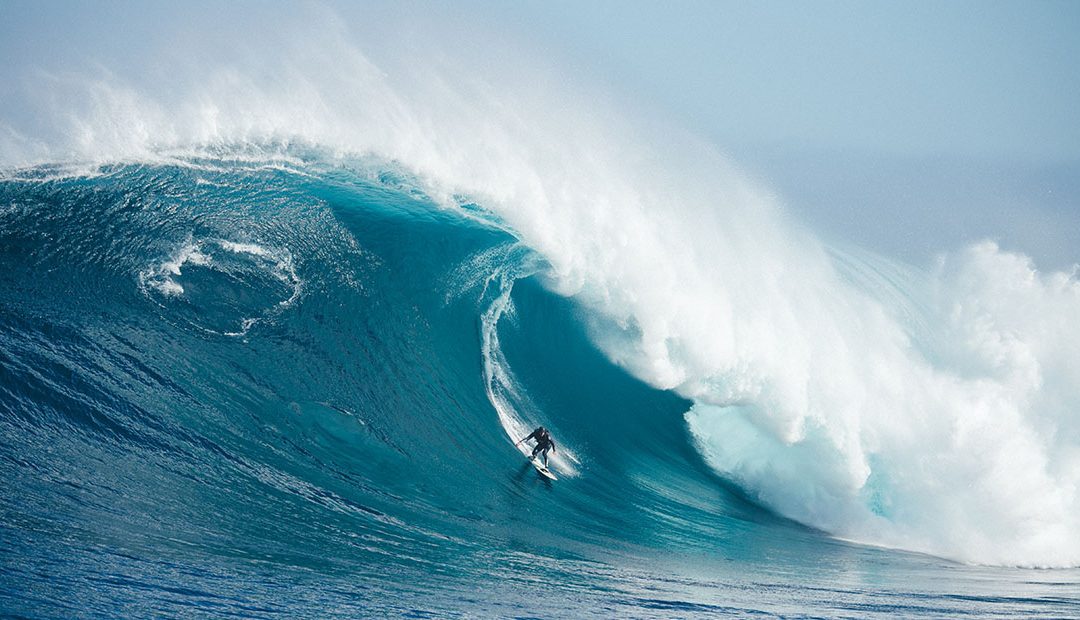
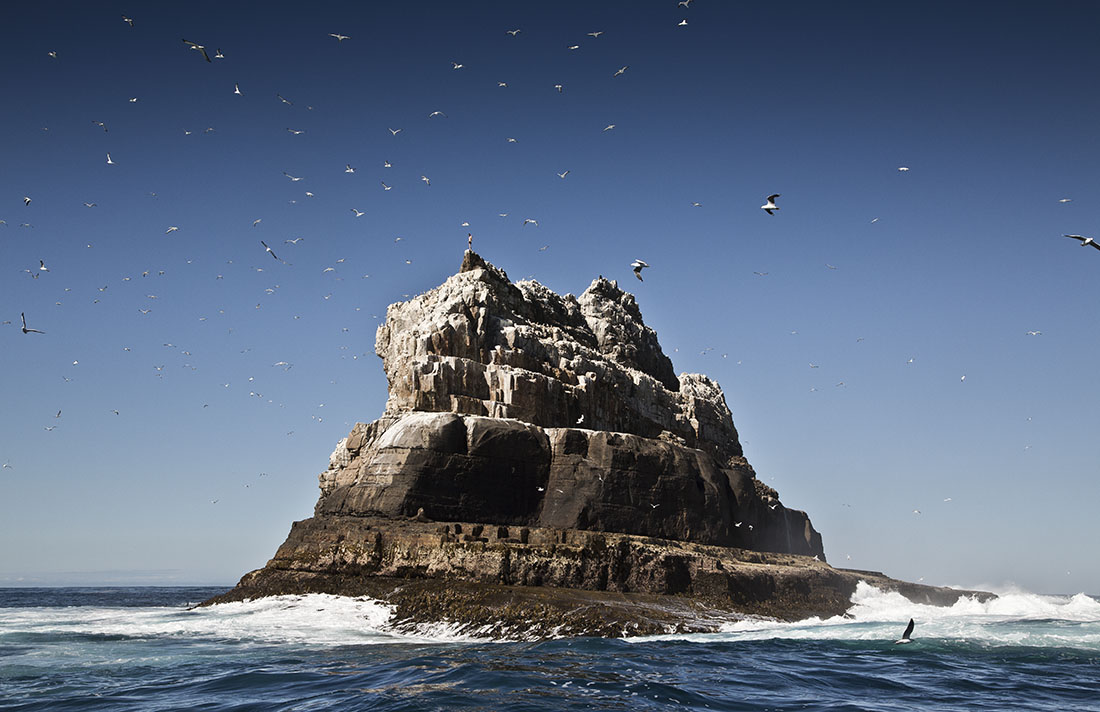
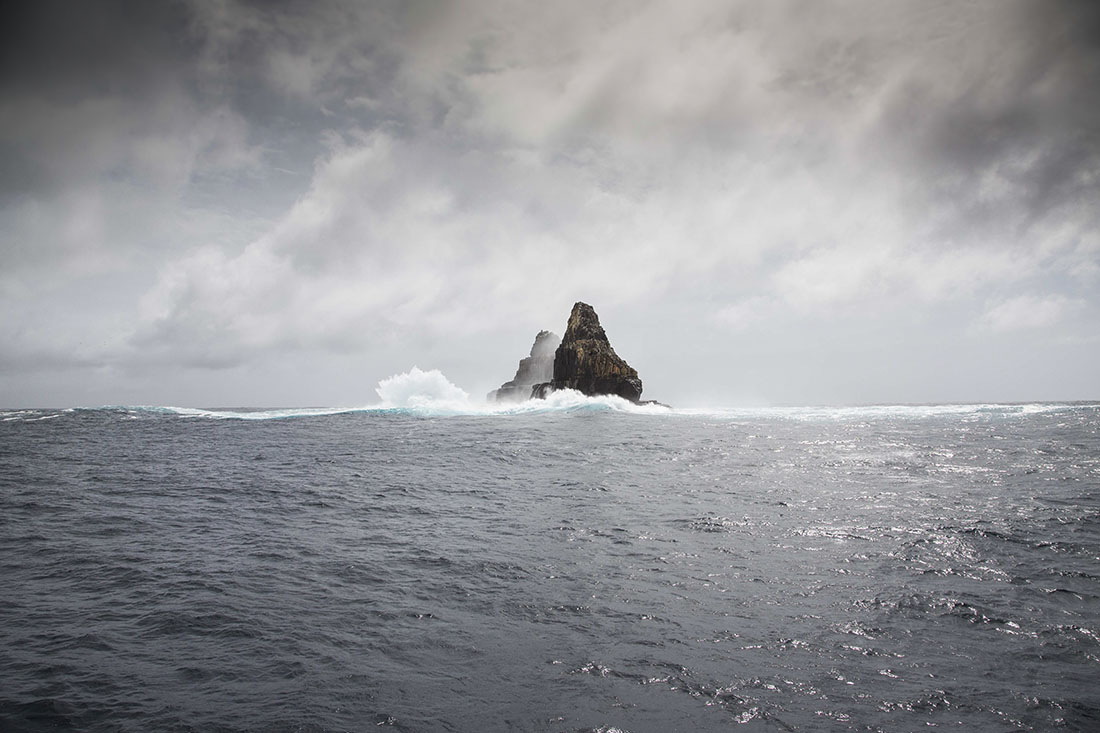
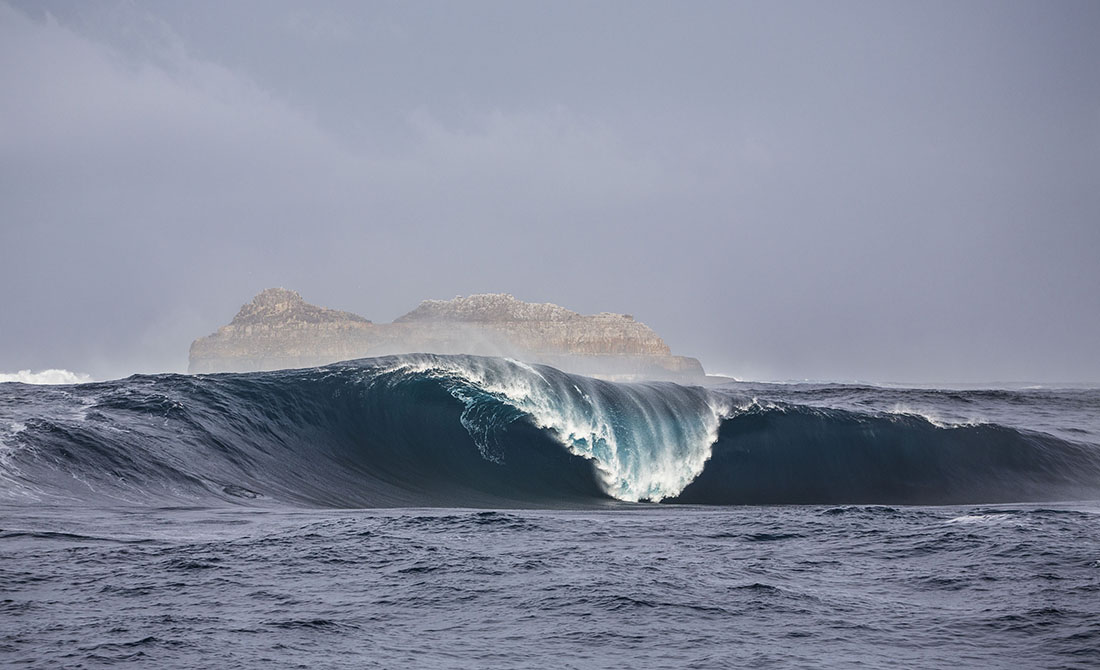
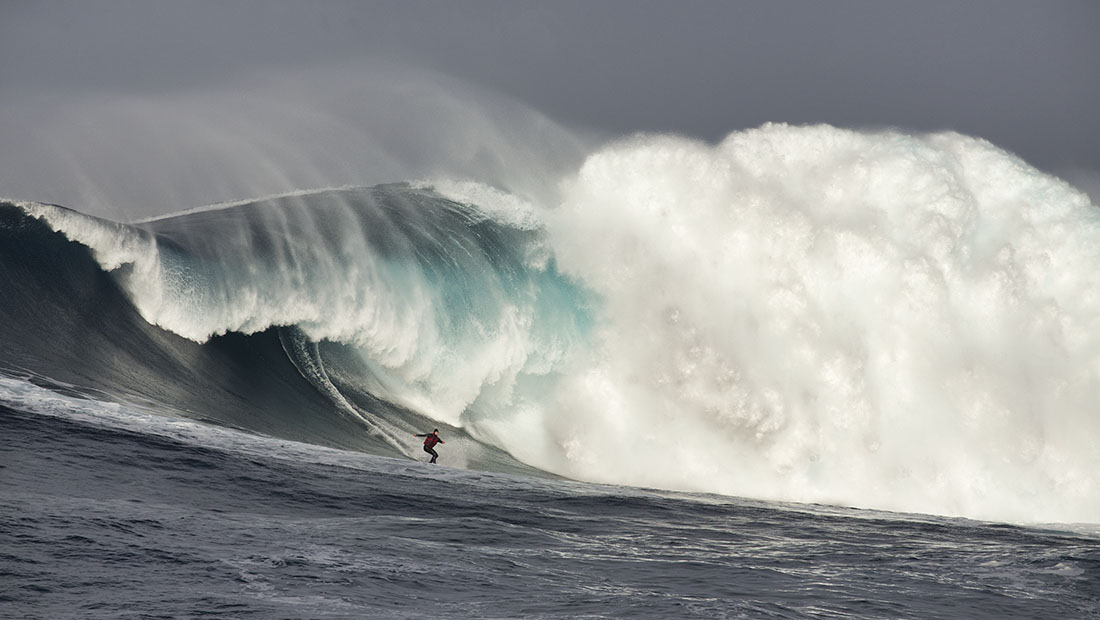
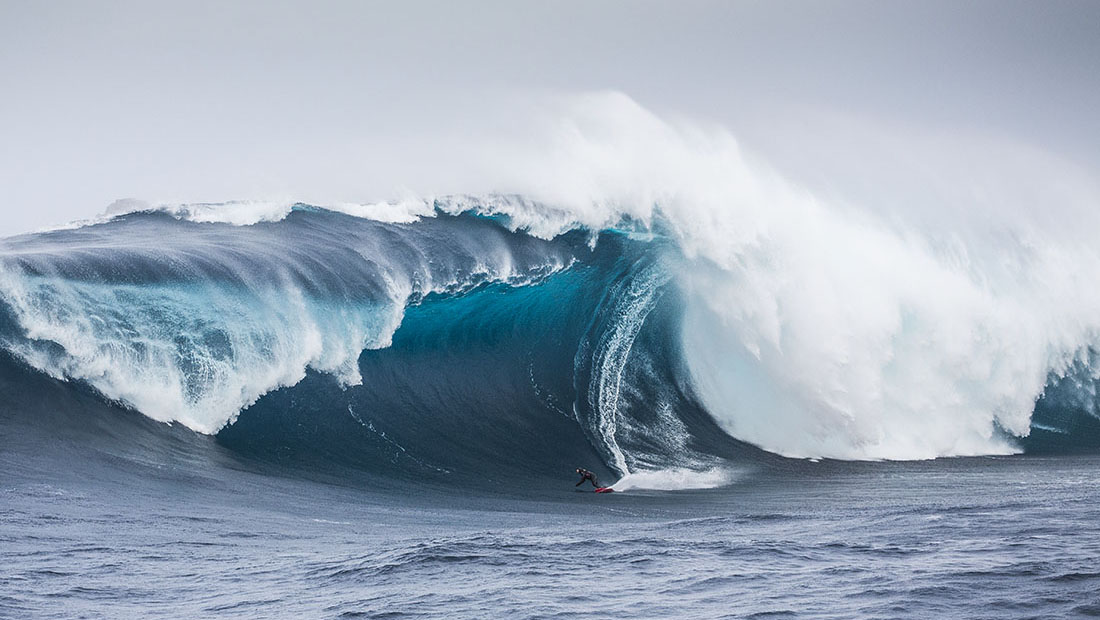
Pedra Branca is an islet (rock or little island) situated 26km south of Tasmania with some of the most insane waves in the world. An erosional remnant of the Tasmanian mainland, approximately 270m long, 100m wide and an elevation of 60m, estimated to have separated from the Tasmanian mainland at least 15,000 years ago. Another nearby islet is Eddyston also a tower rock also with thunderous waves.
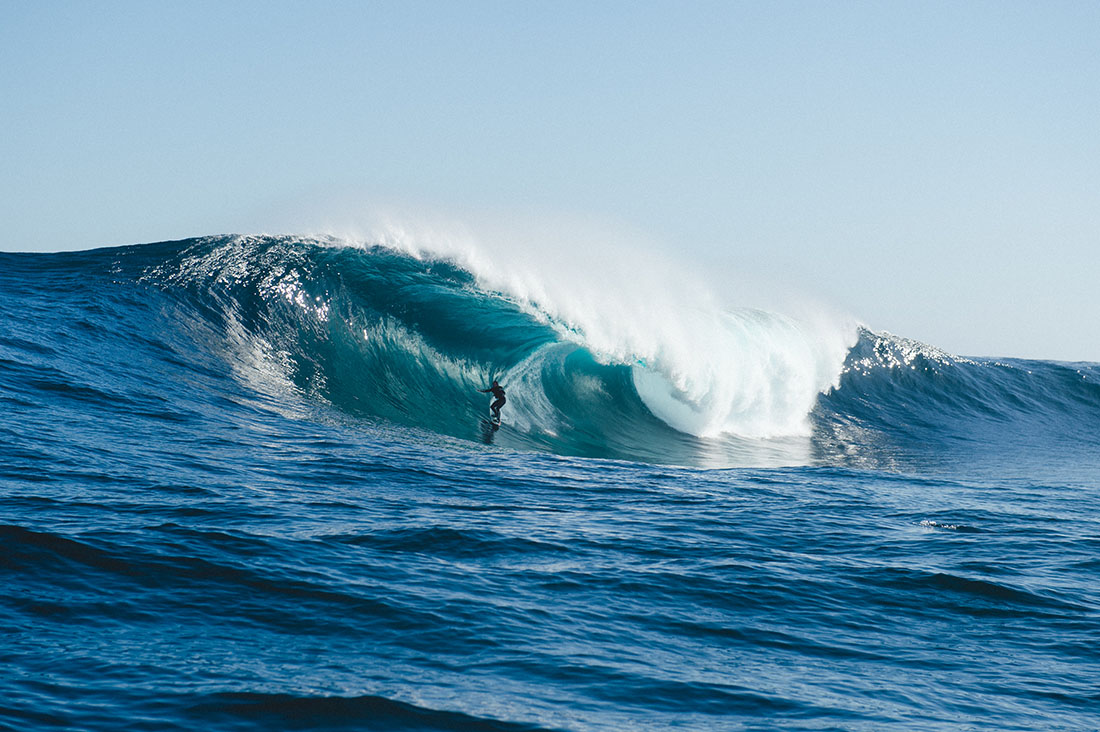
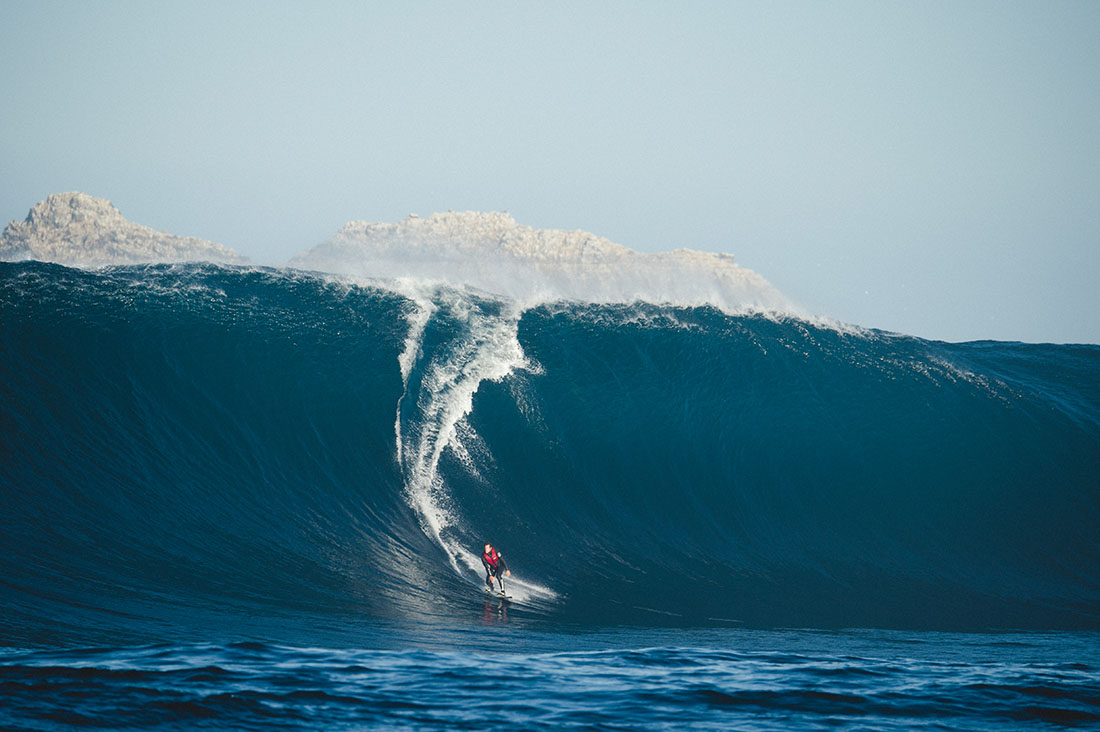
Pedra requires specific conditions to work. A long trip to get there and when you do the water is cold, great white sharks are common and the waves are bone breaking. Jet ski support is mandatory.
Pedra Branca was first recorded in 1642 by the Dutch explorer Abel Tasman and first surfed in October 2008 by Marti Paradisis. Pedra Branca is Portugese for White Rock, probably because it’s covered in bird poo.
Surf photos provided by Stu Gibson, a leading Tasmanian surf photographer.