by Mickey Jarvis | Apr 2, 2024 | Low Hazard, Tasman Peninsula
Hazard Rating: 1/10 | Parking: Campground | from Hobart: 110 km | Faces: NE into Lime & Norfolk Bays| Length: 1.1 km
Original Name: Turrakana, the homeland of the Pydairrerme (Tasman Peninsula’s Aboriginal people)
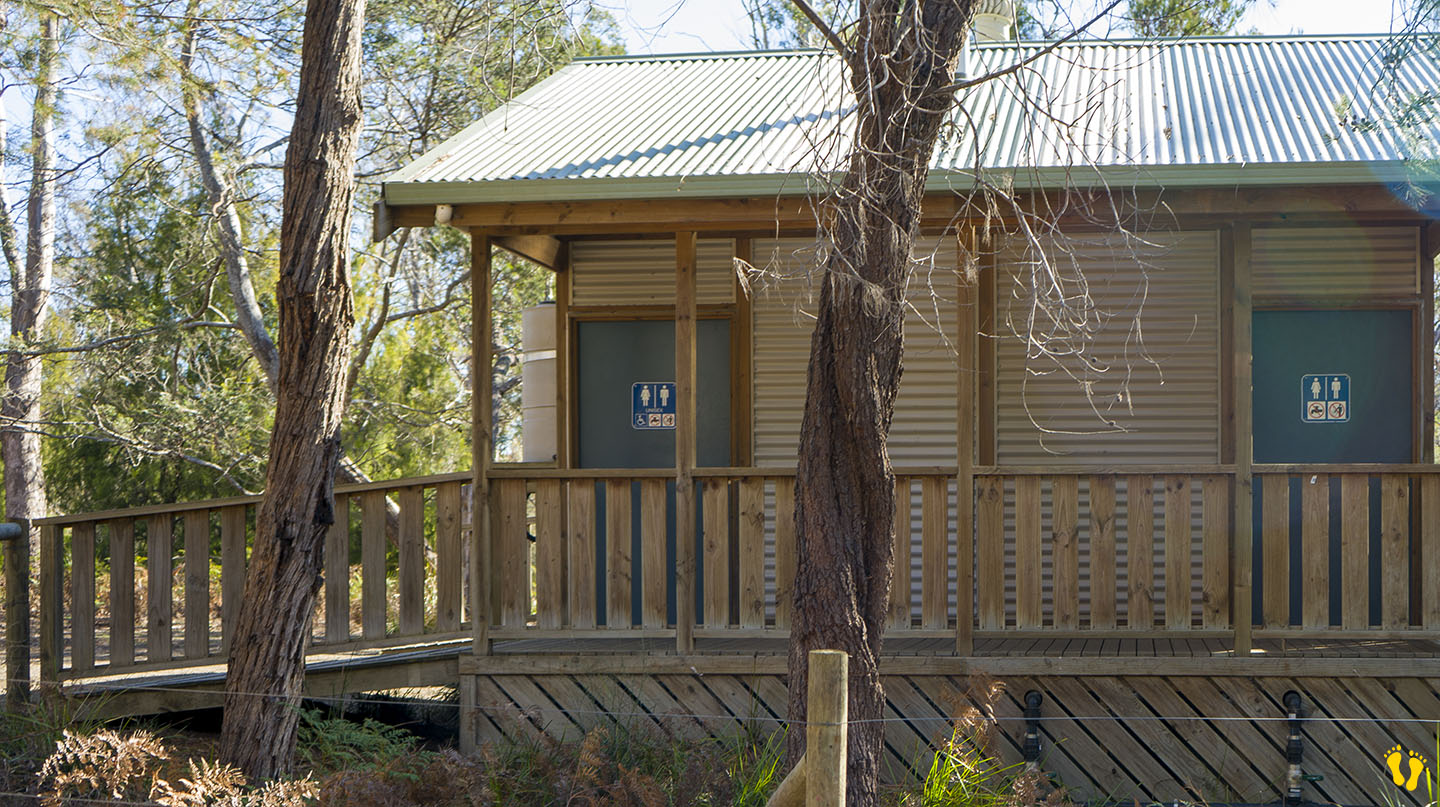
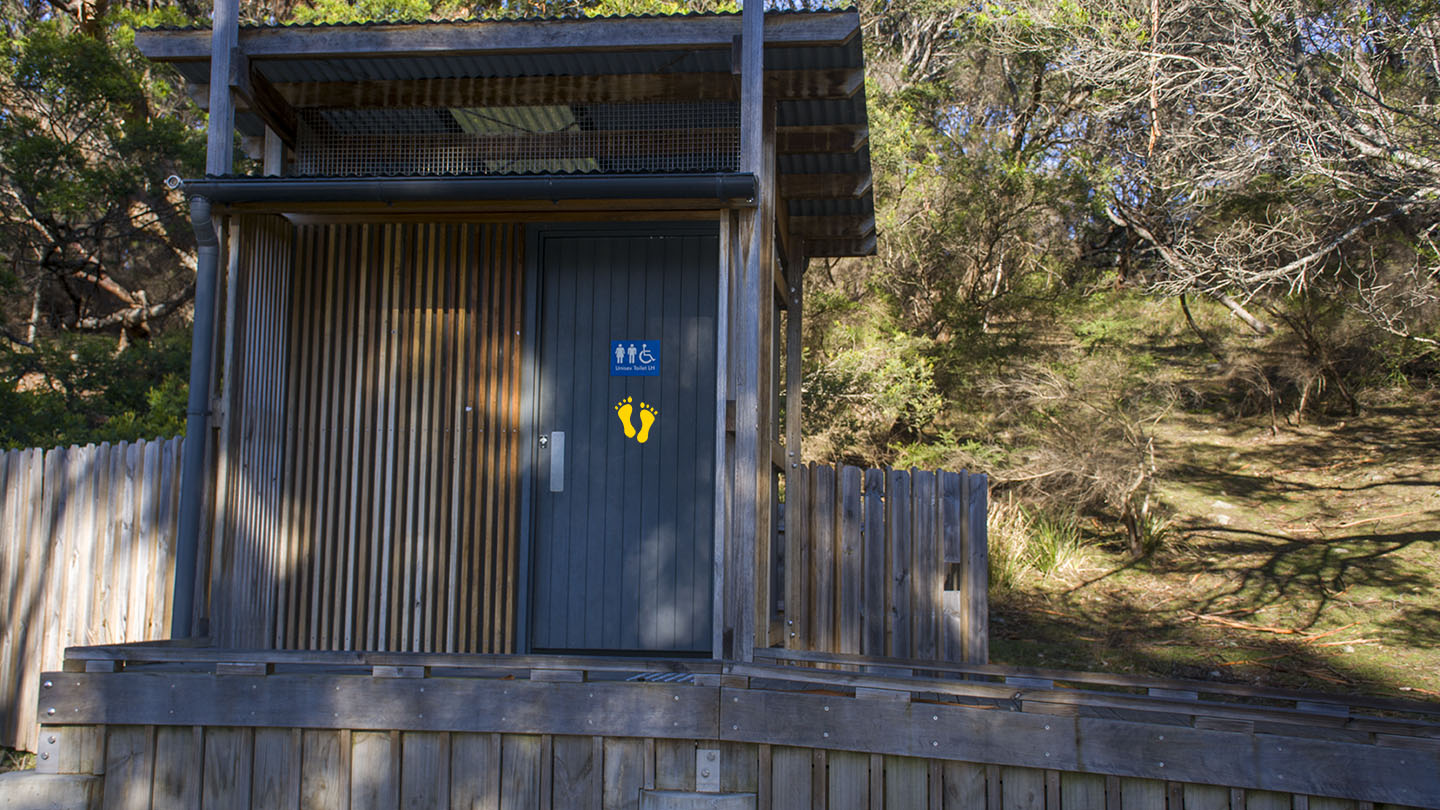
Wheelchair access: Disabled toilets and some access to the beach down a hard-packed dirt track to the left beach.
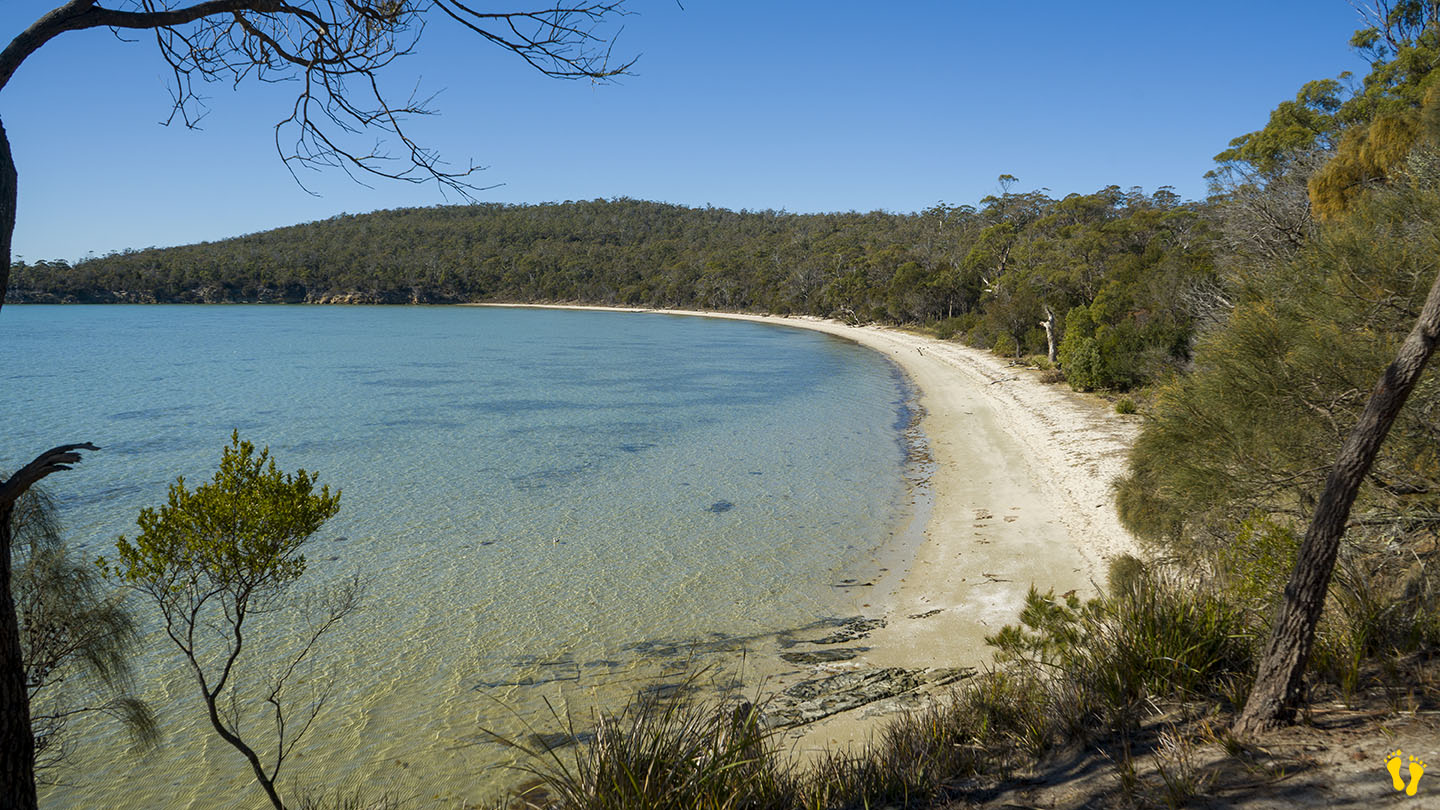
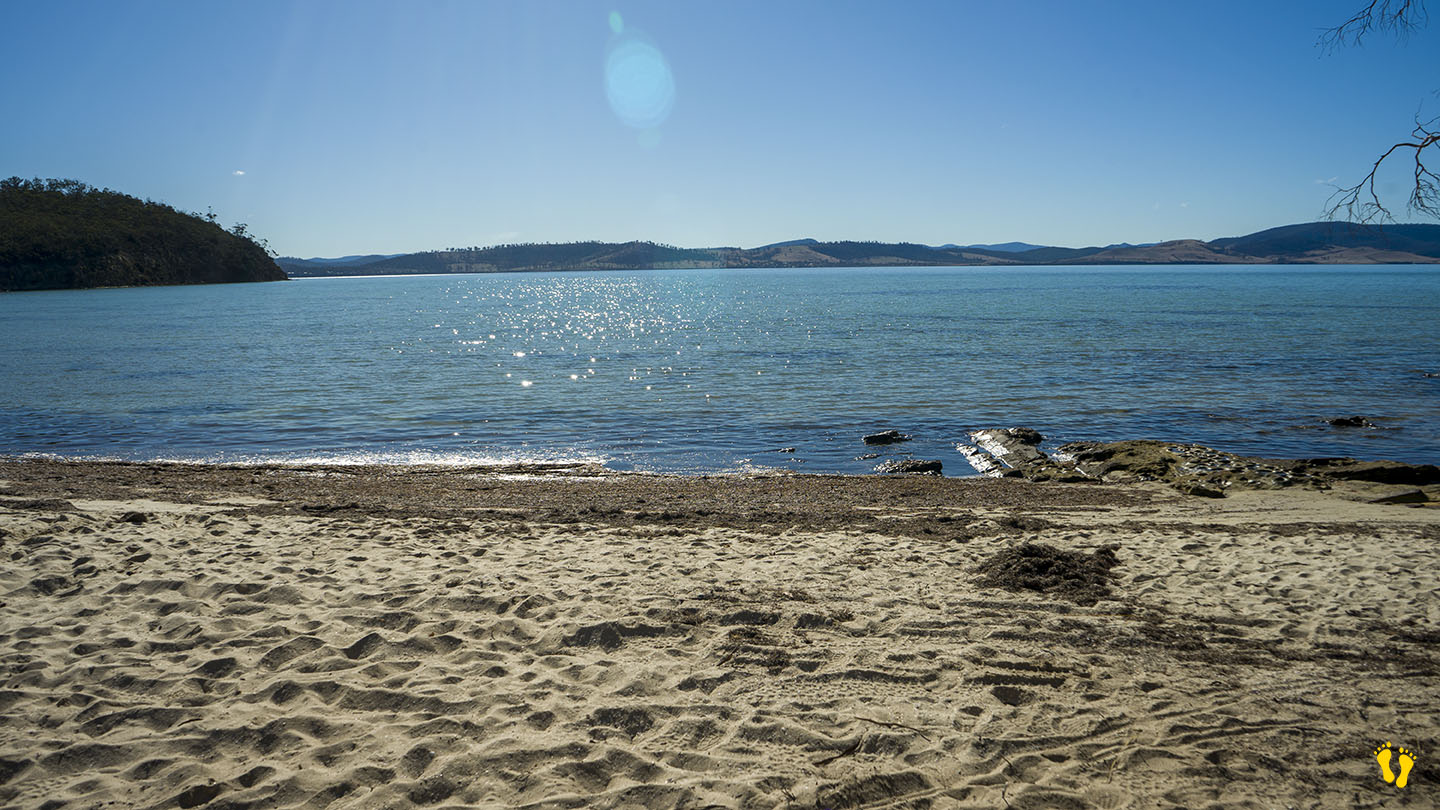
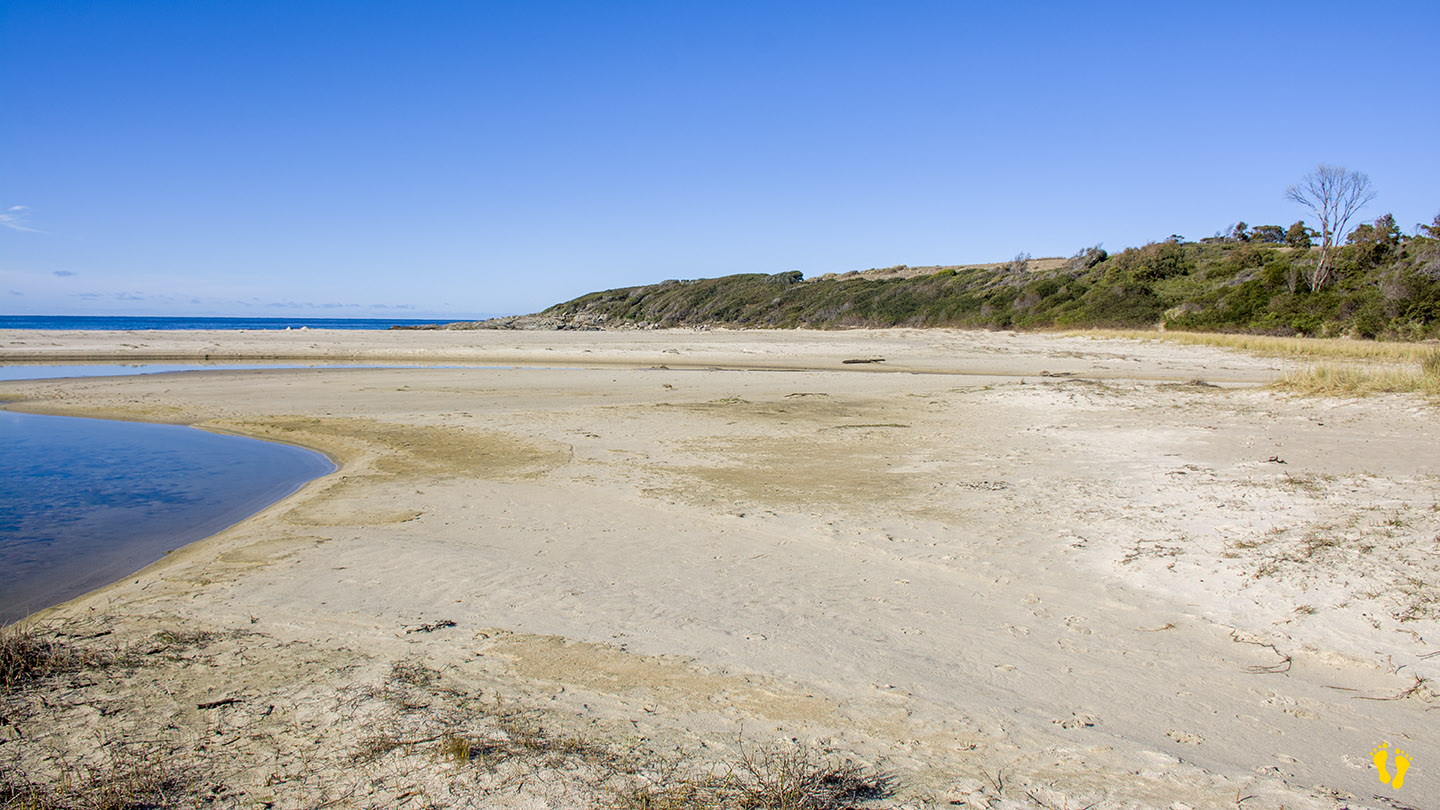
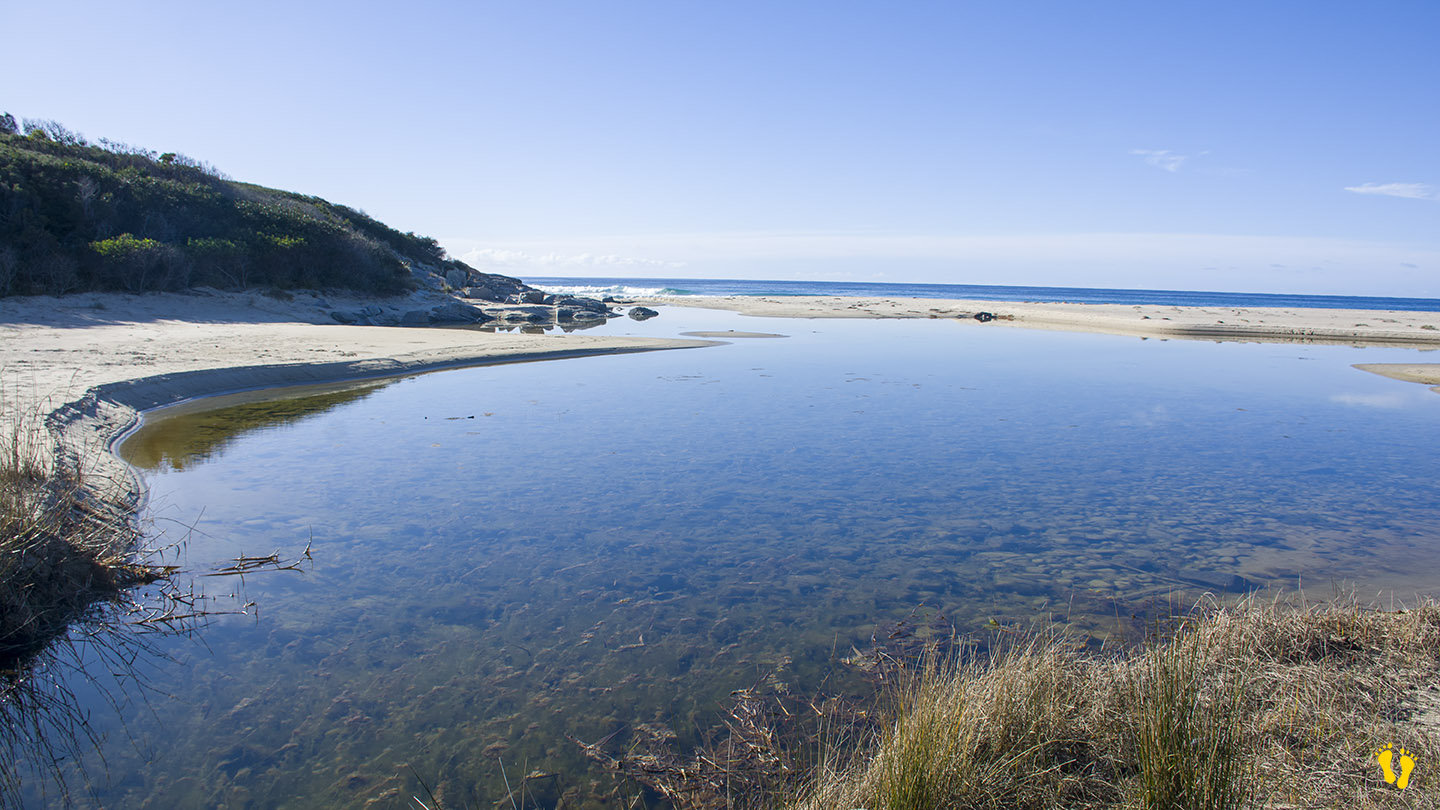
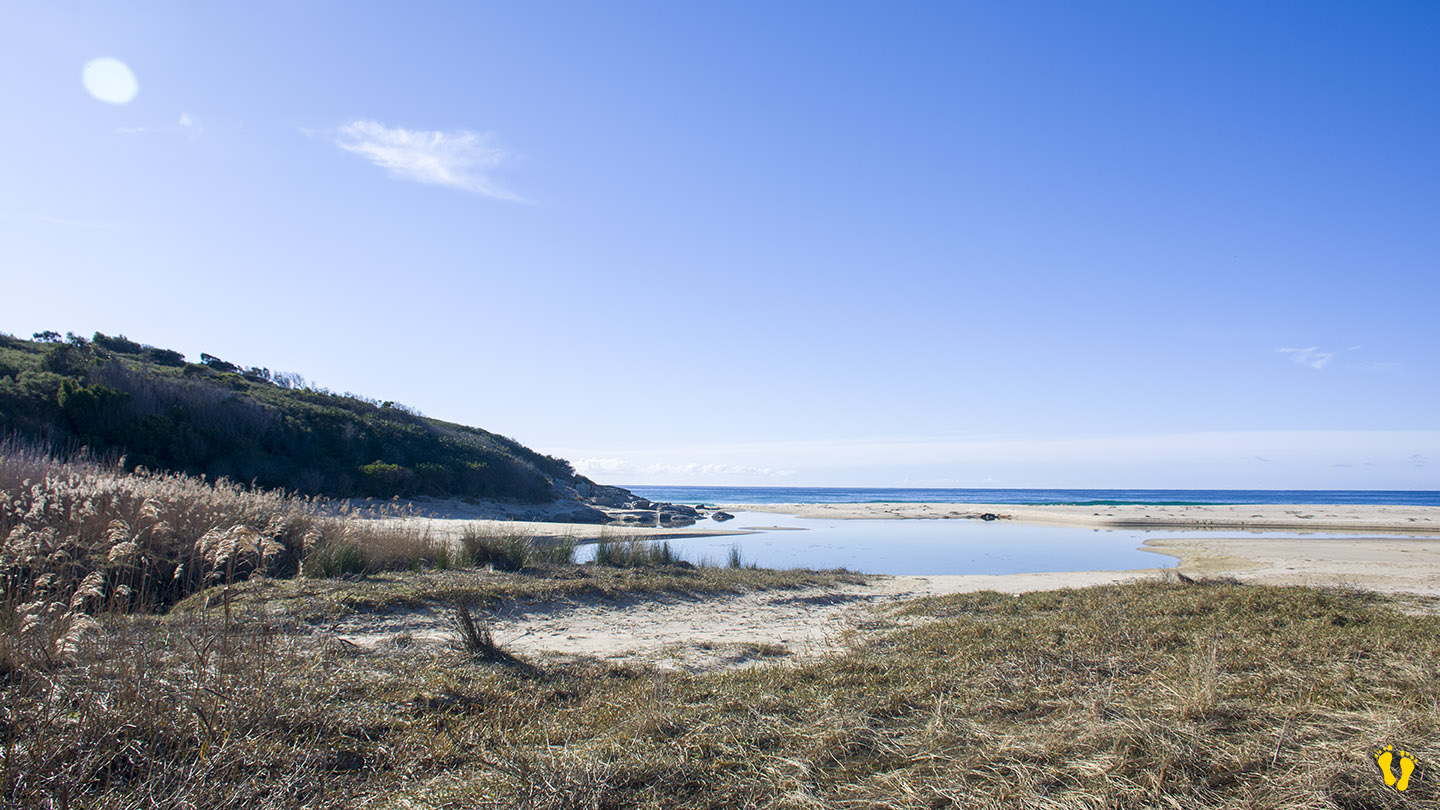
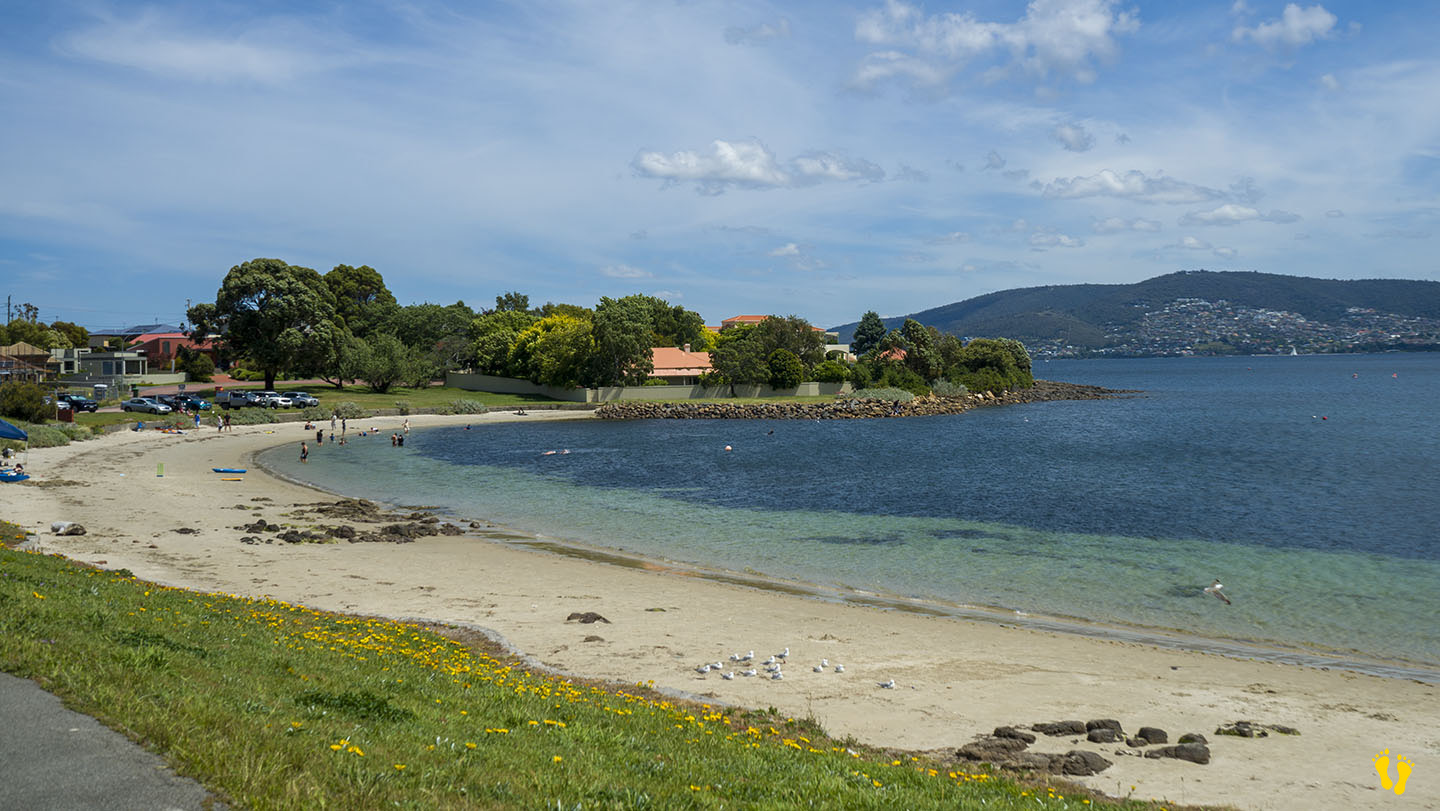
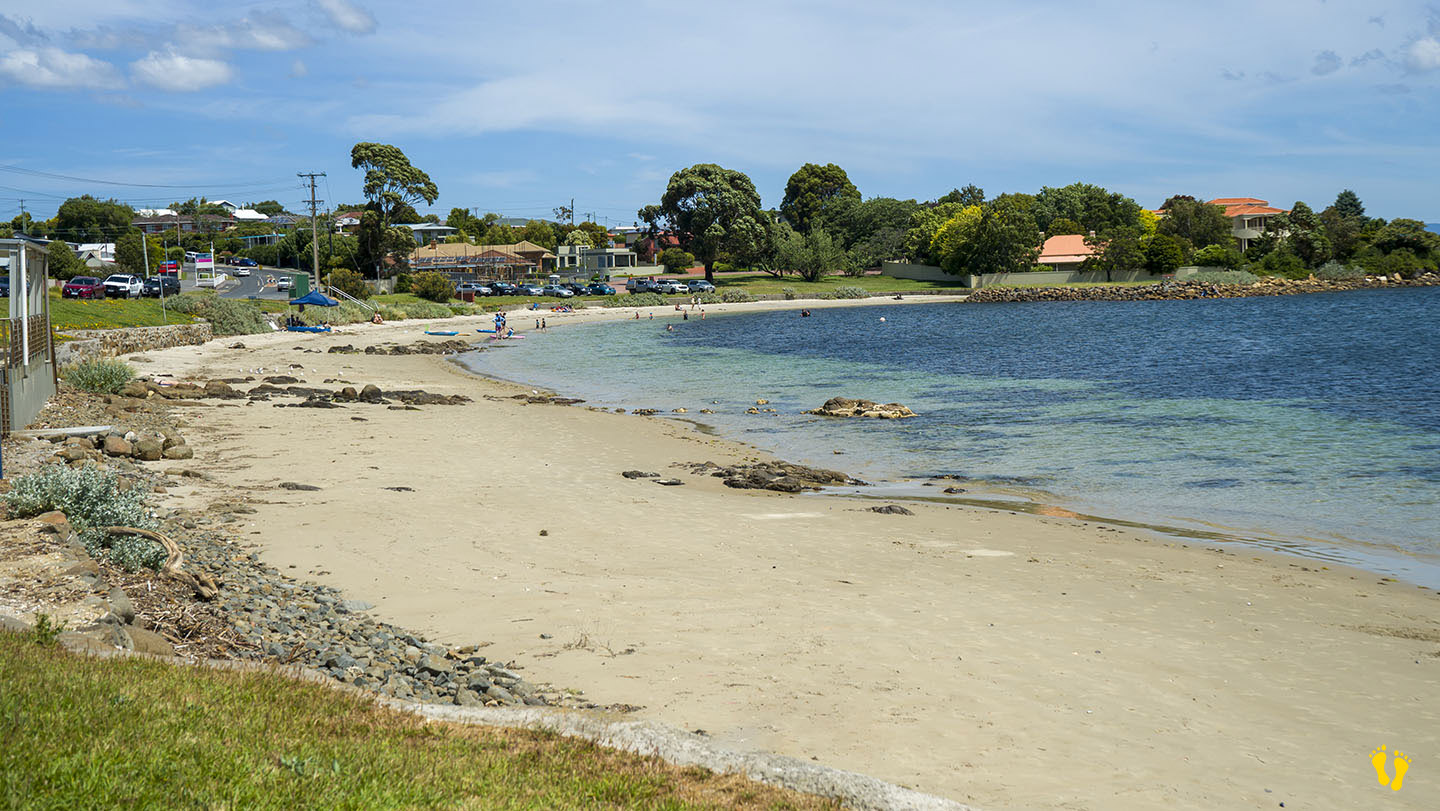
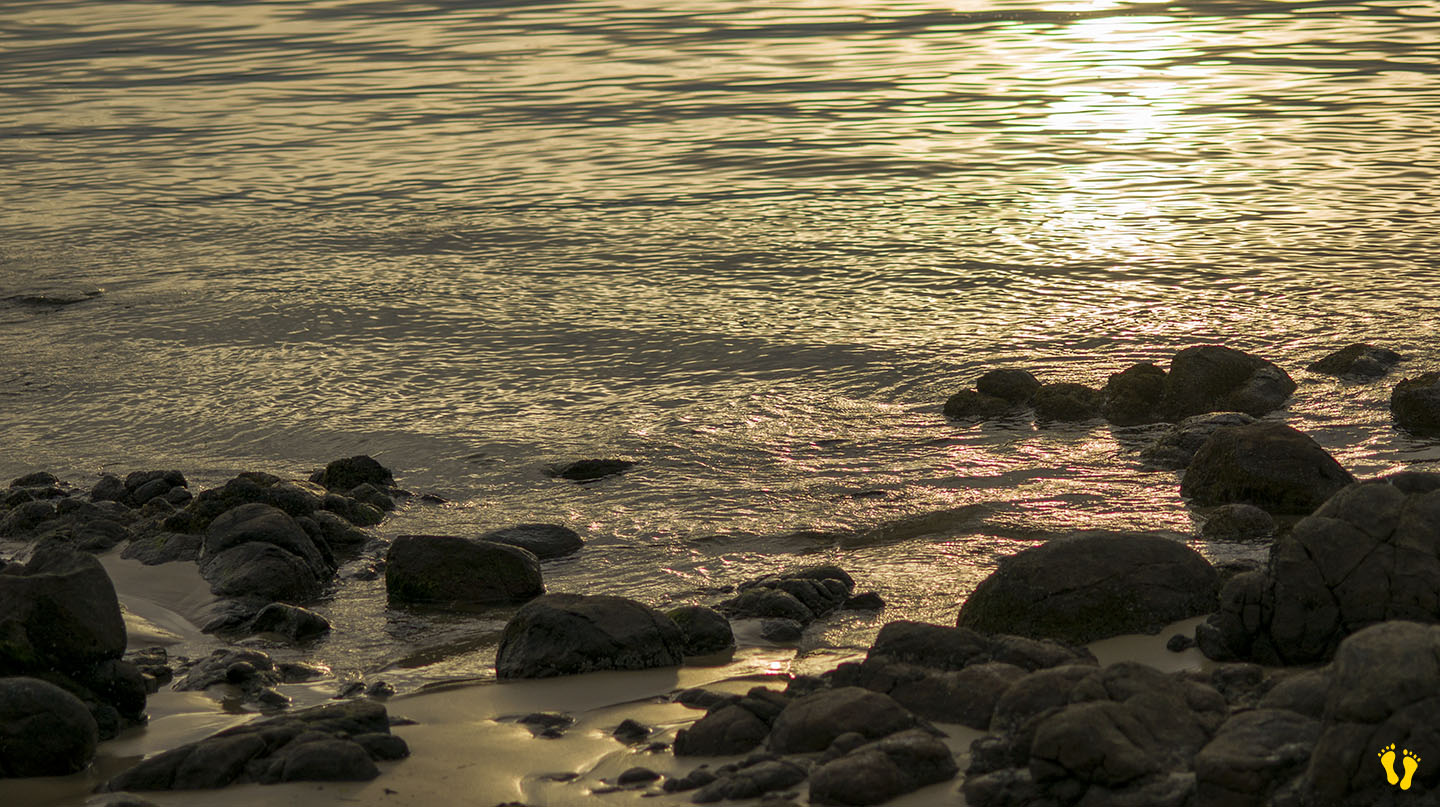
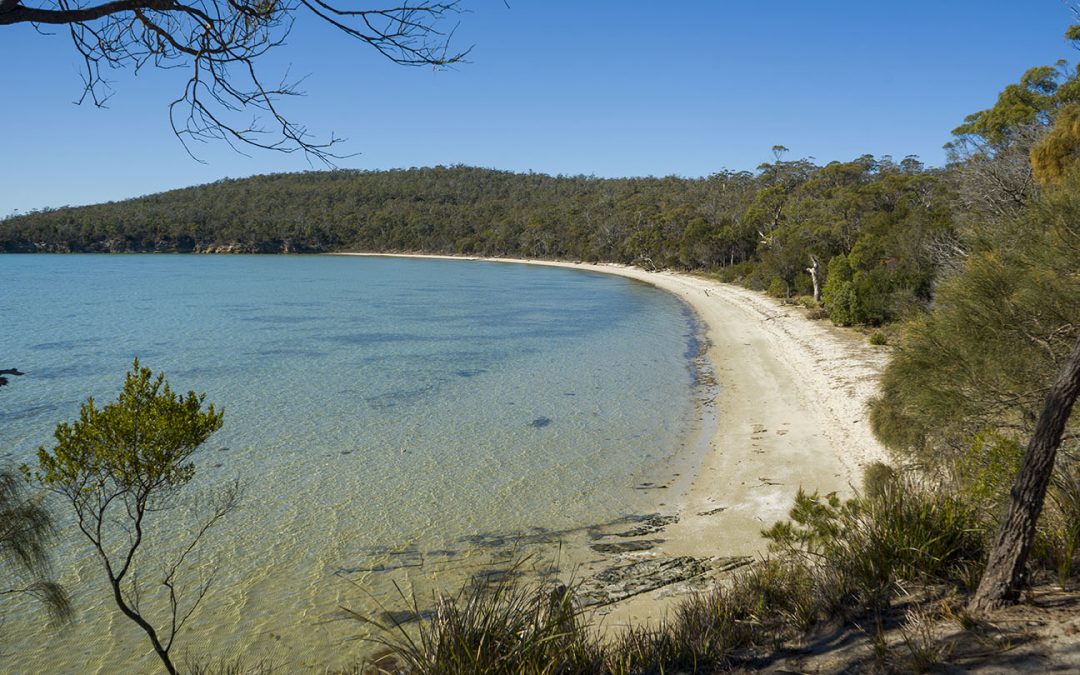
Lime Bay on the northwest side of the Tasman Peninsula consists of 2 beaches facing north-ish with a 150m headland between them.
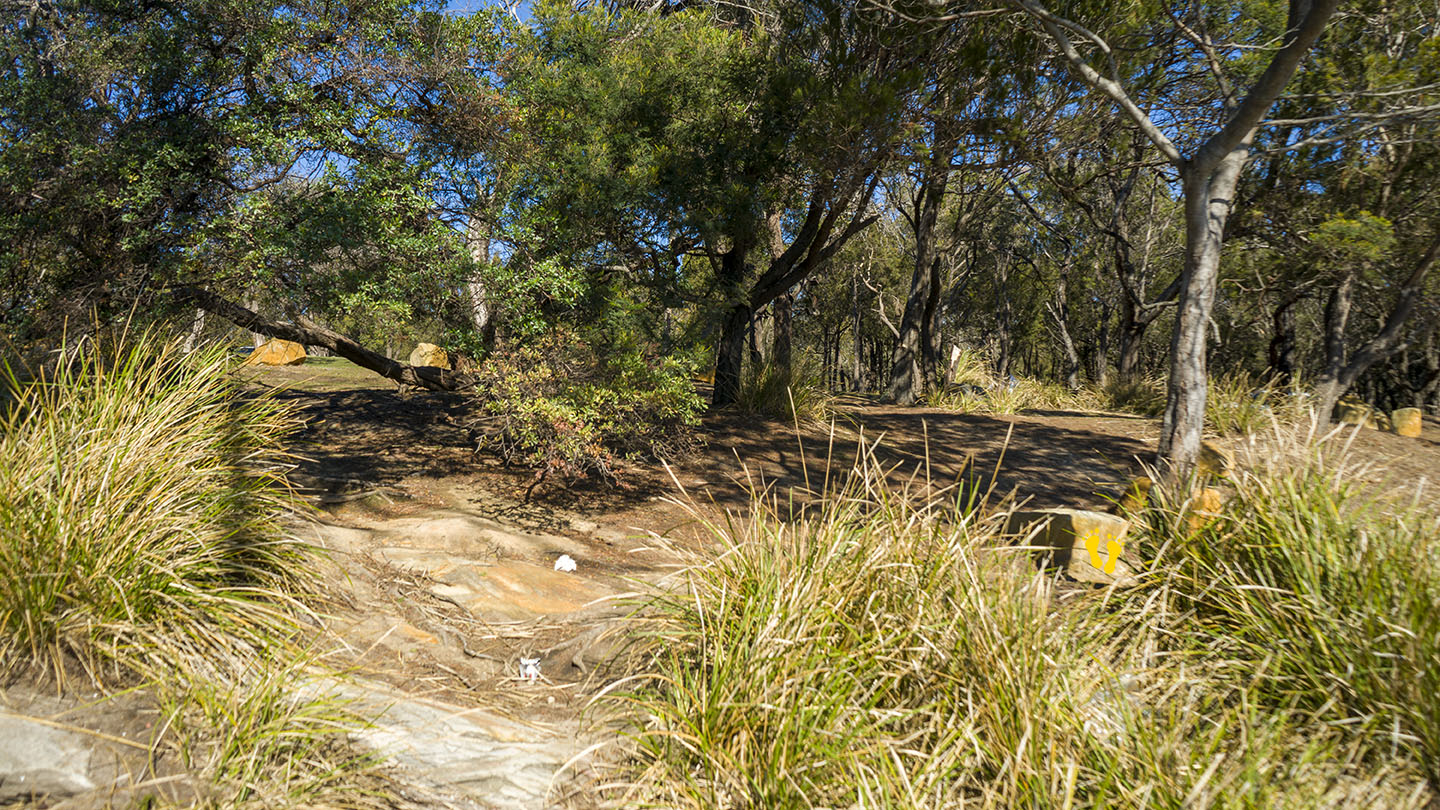
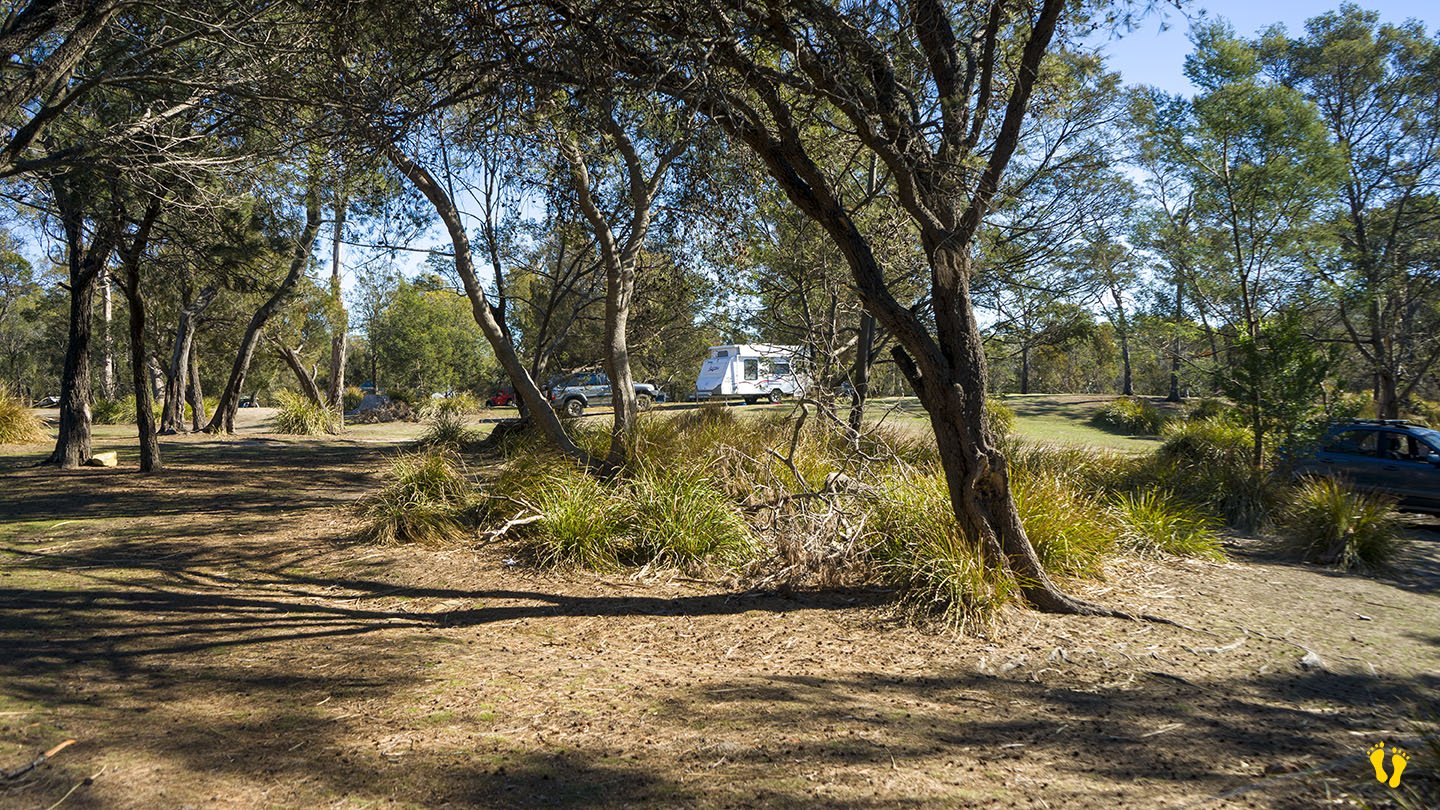
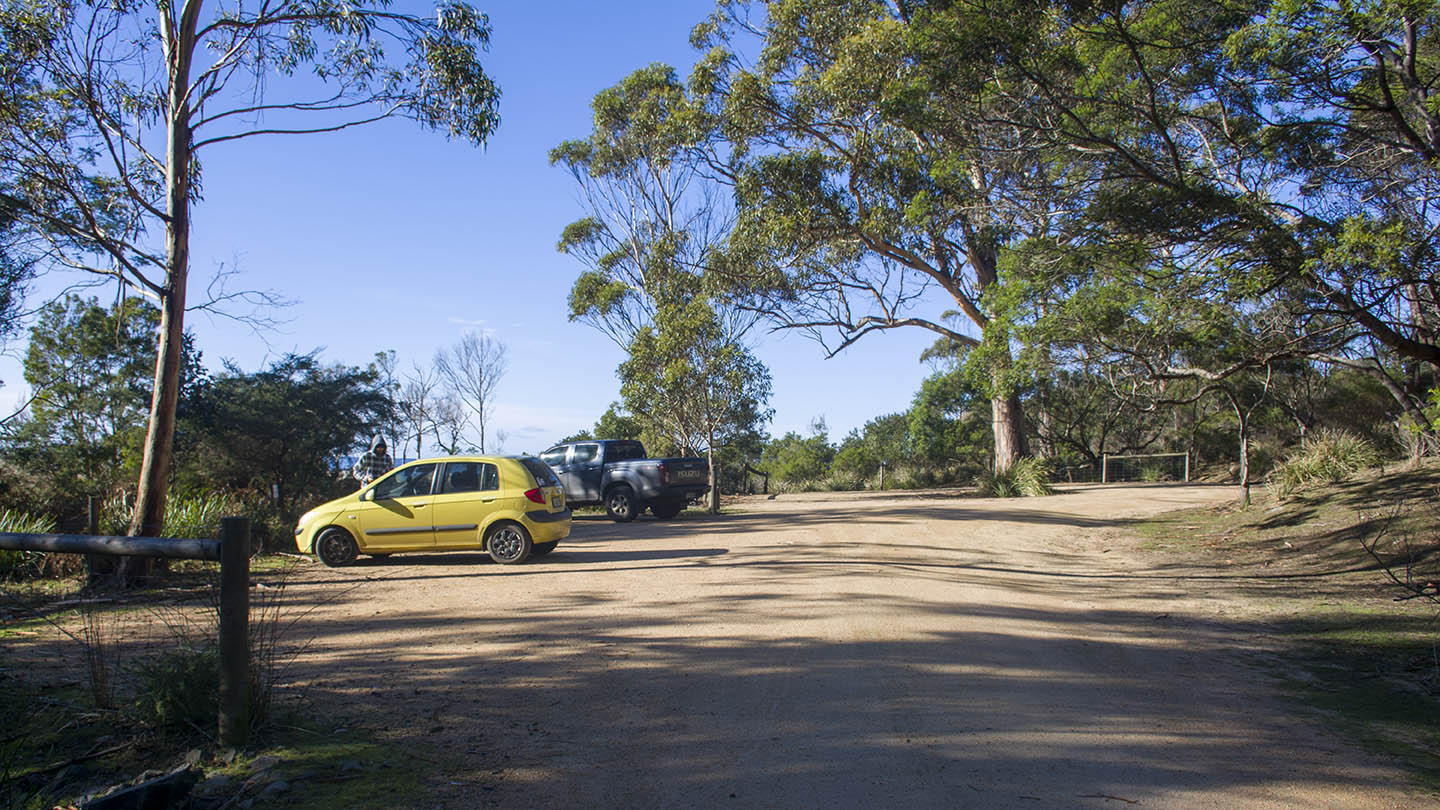
The camp-ground is on the headland. No dogs allowed.
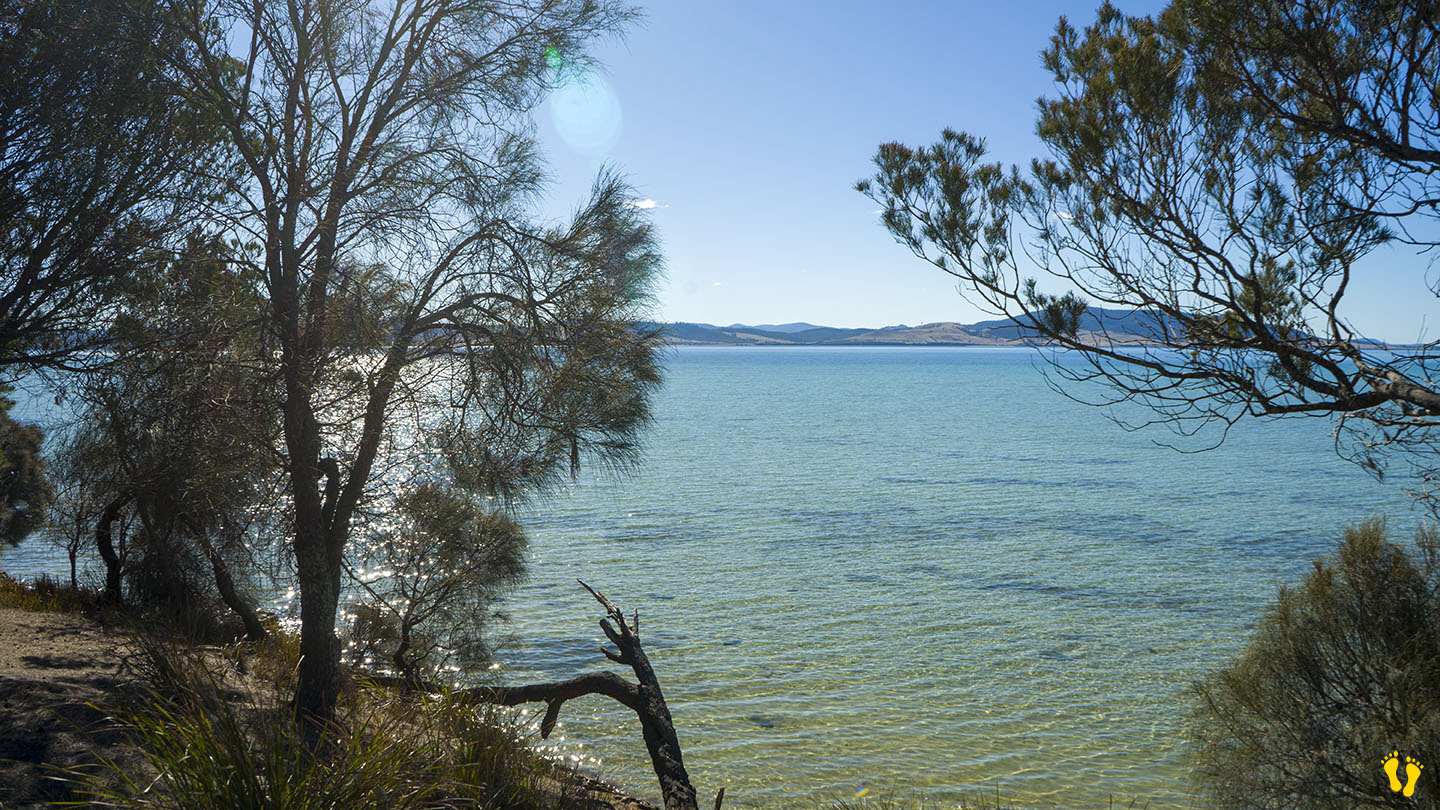
Each beach is a low-gradient beach with occasional minor wind waves. Access to the beaches is from the camp-ground, about 50m to each beach. The beaches are tranquil, well-protected and great for swimming, snorkeling and kids (and adults) to enjoy.
A great camping site ideal for kids that operates a no-booking, honesty box system. There are long-drop toilets, picnic tables and fireplaces. Campers must bring their own water and firewood but cooking is recommended on fuel stoves due to occasional fire bans. Camping is run by Parks and Wildlife Tasmania. Watch out for the headland cliffs which have no fencing. Lots of walking trails including a two-hour return walk to Lagoon beach.
You get to Lime Bay by taking Saltwater River Road at Premaydena and then Coal Mines Road, the last part is on a good dirt road. Many historic sites in the area date back to penal colony days and are worth a look. Lime Bay was named after the process of extracting lime from the remains of shellfish (oysters, abalone, mussels, cockles, etc.) from aboriginal middens in the area.
.
by Mickey Jarvis | Aug 17, 2026 | Camping, East Coast
Hazard Rating: 6/10 | Parking: Good | from Hobart: 200 km | Faces: East | Length: 200 m
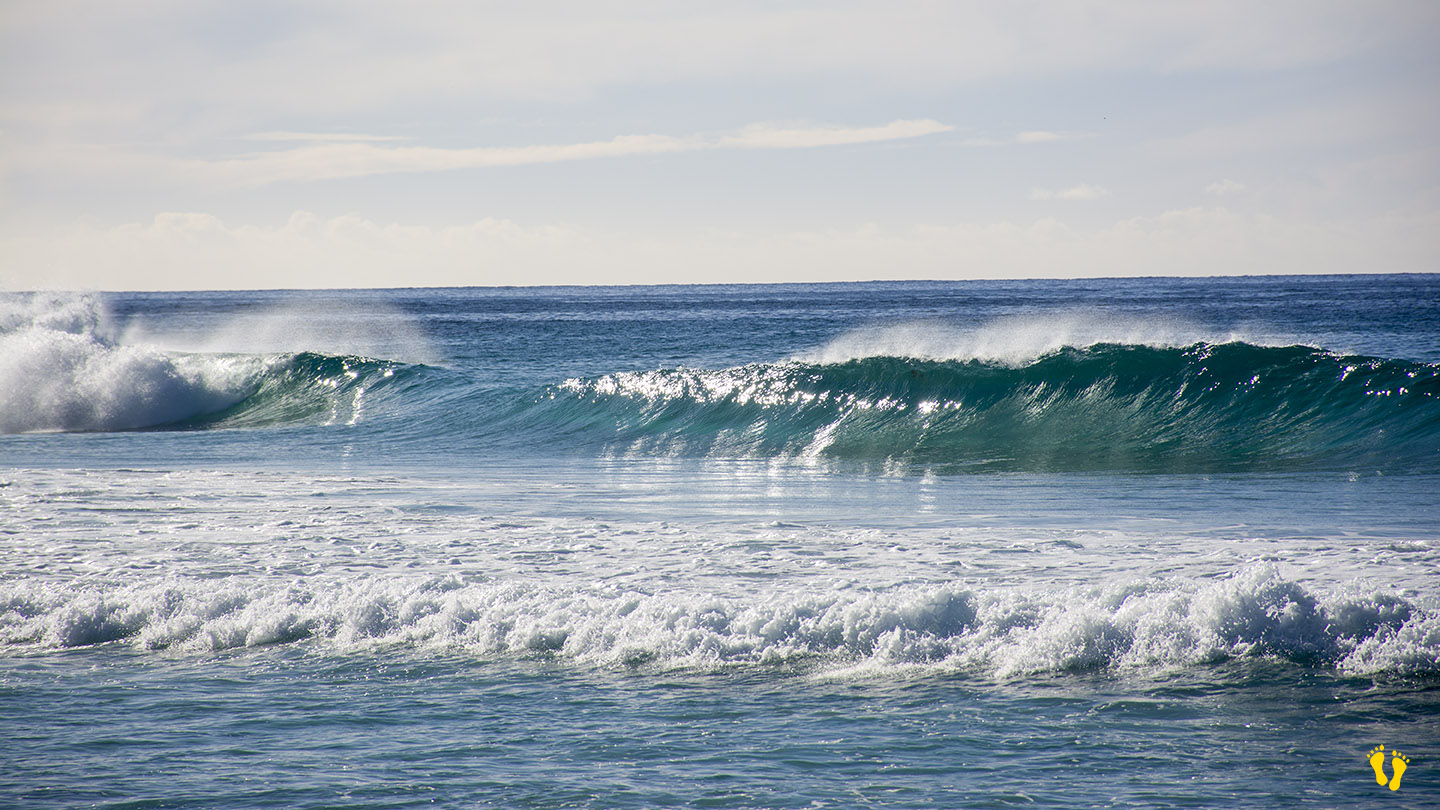
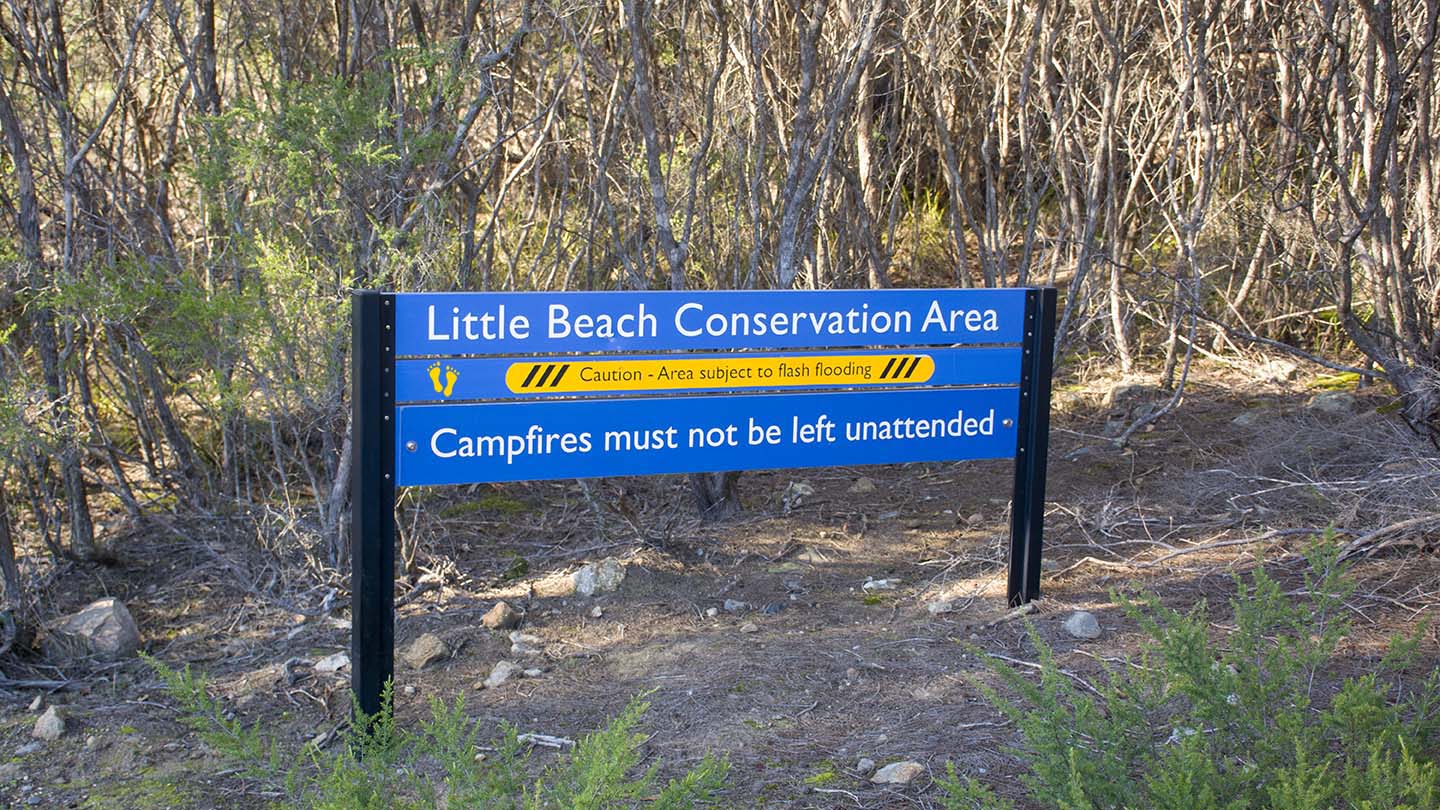
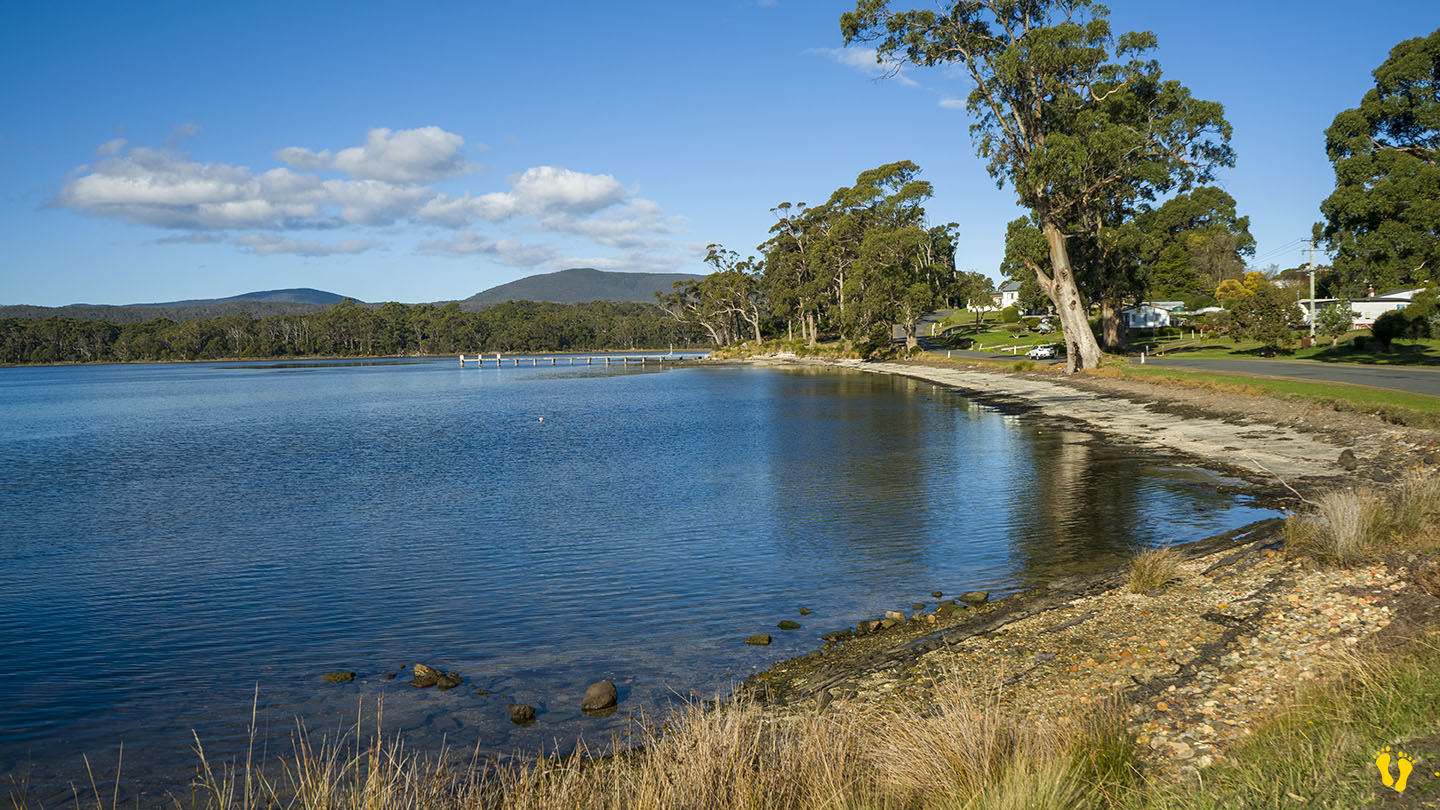
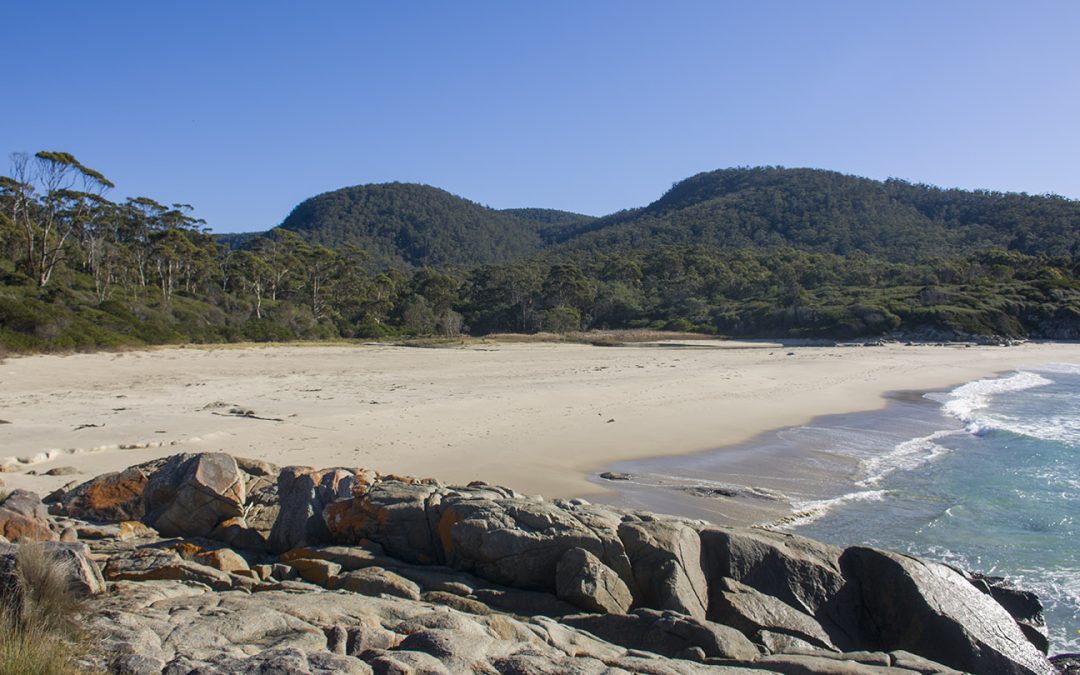
A small, somewhat unknown beach between Bicheno and Scamander that allows camping.
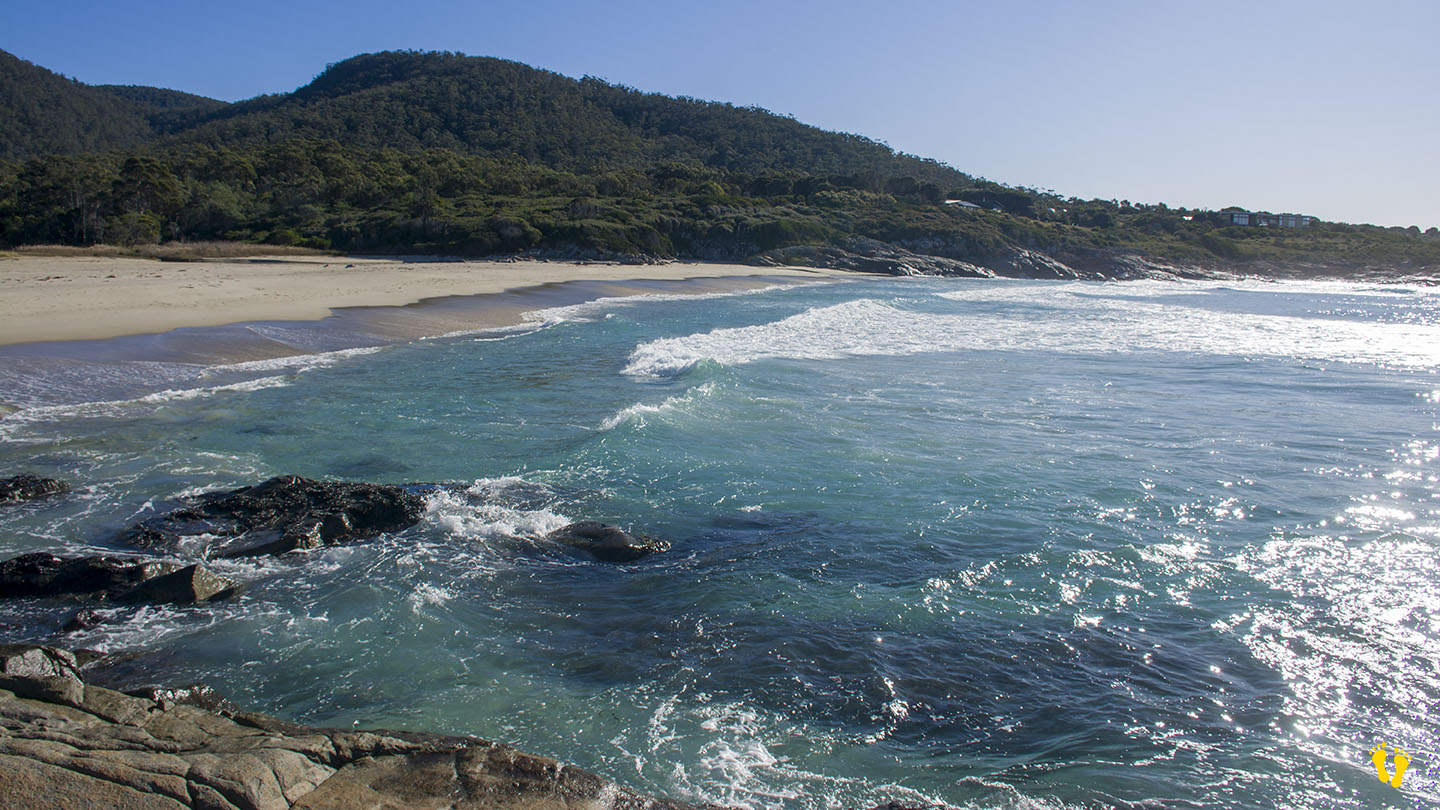
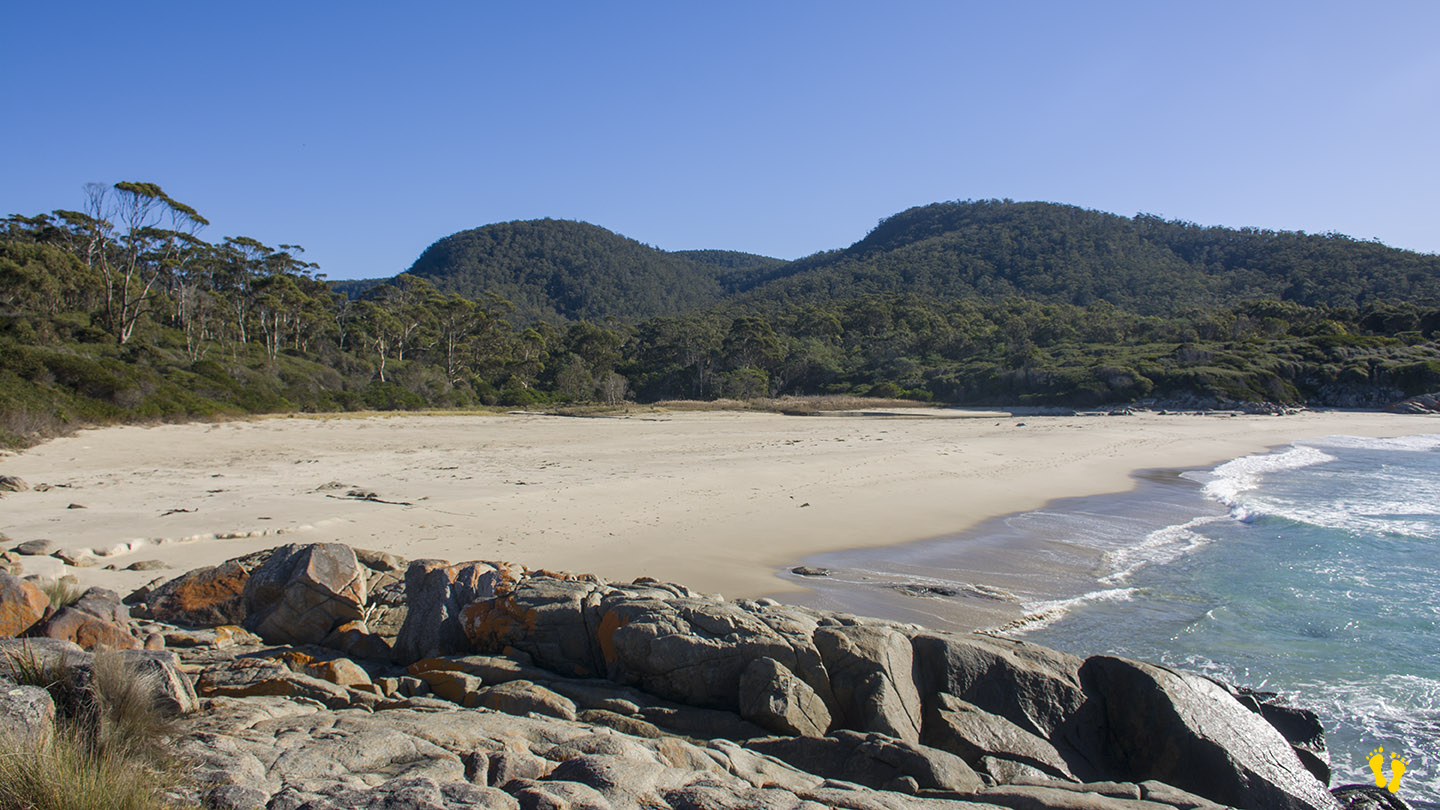
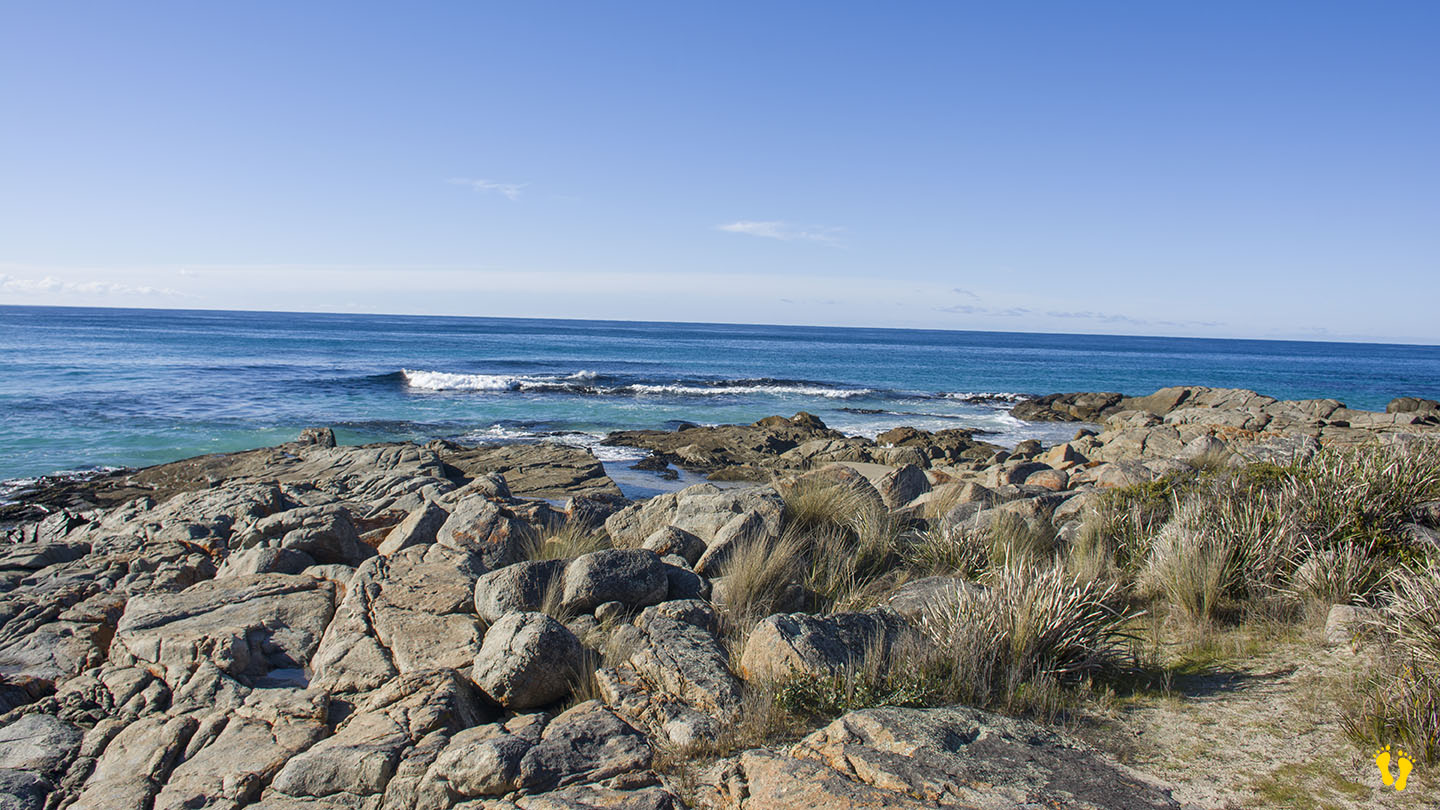
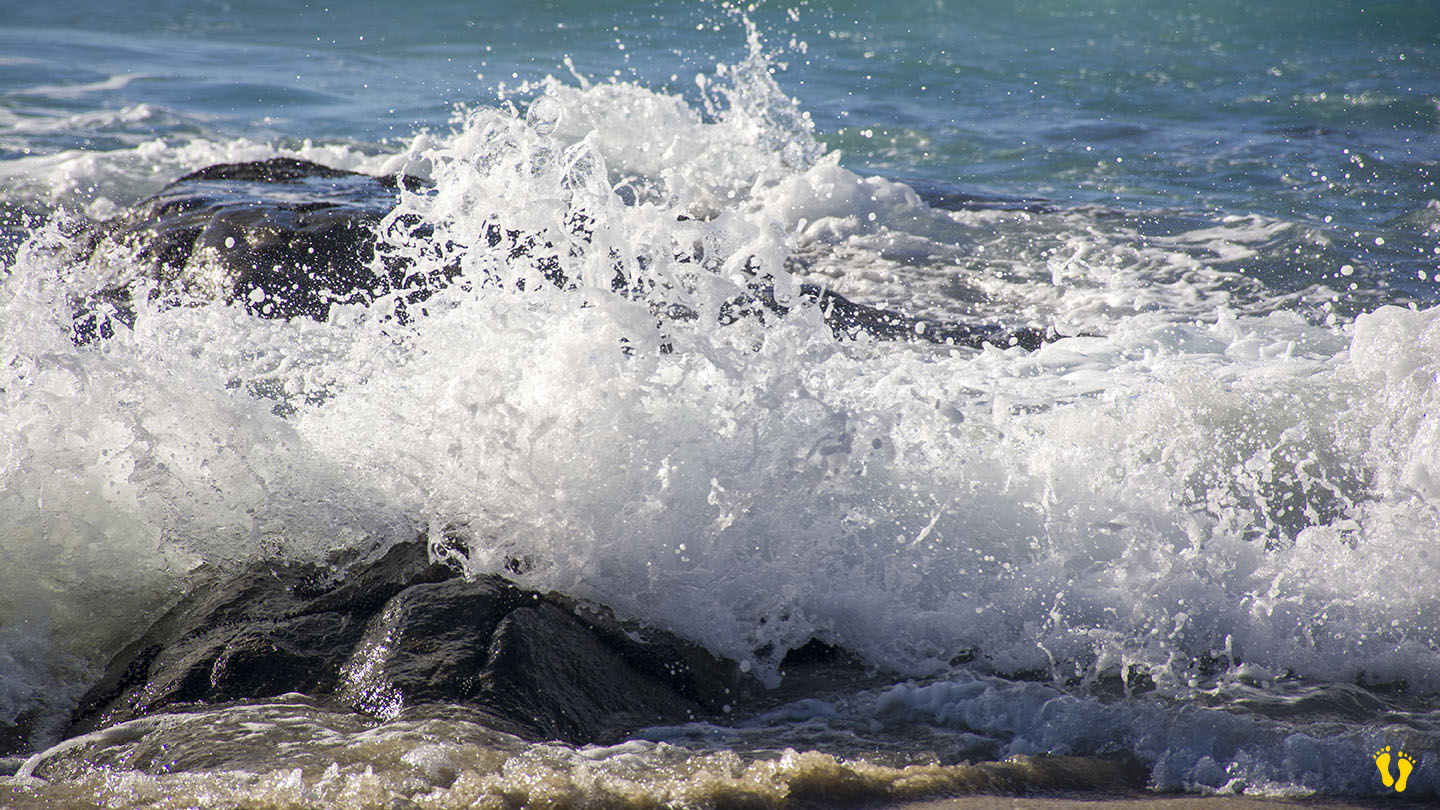
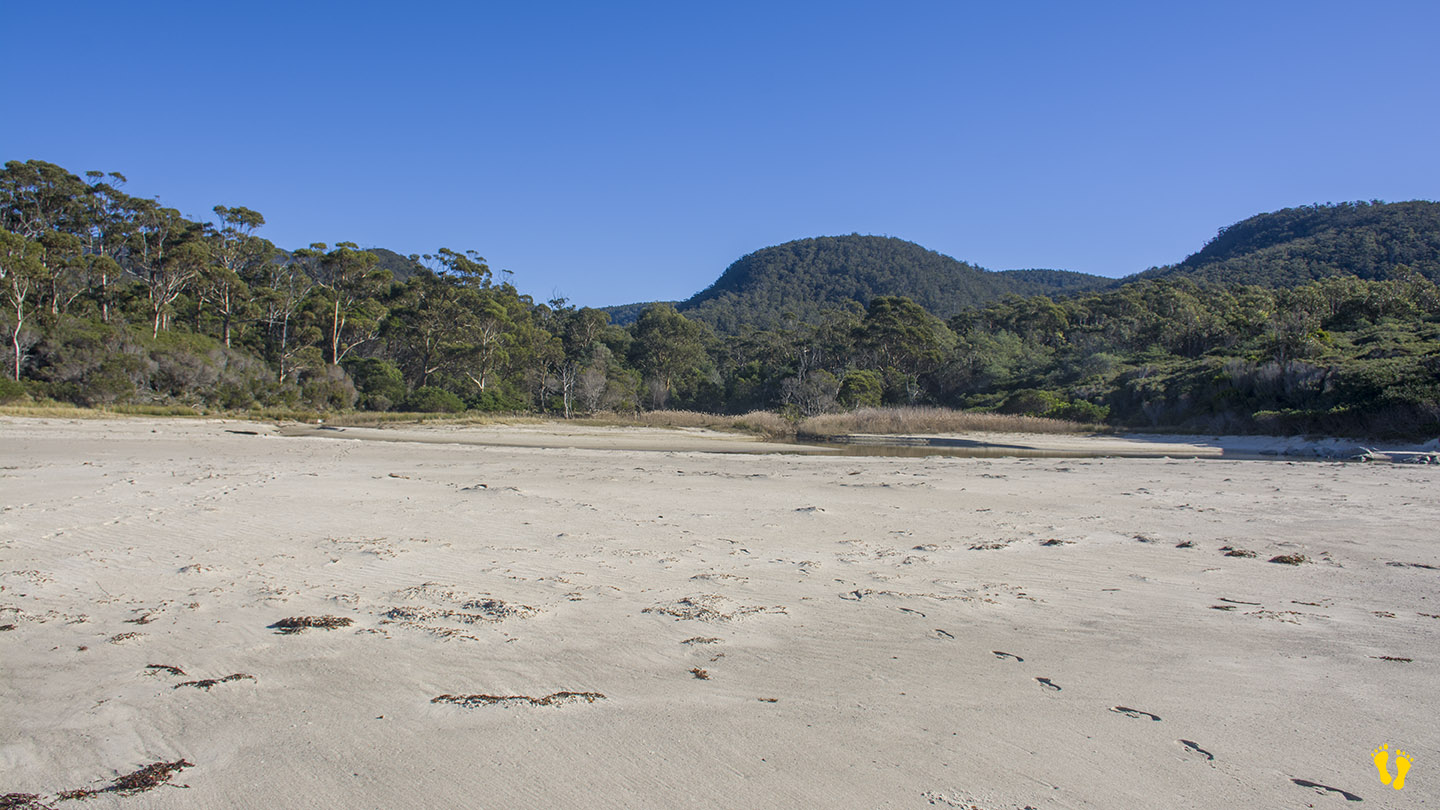
Without trying to state the obvious, it is a small beach only 200m wide. Like most east coast beaches, it has beautiful sand, aqua water and is surrounded by forests and rocky granite headlands. Also a surf beach and good for fishing and a swim, but be careful as it can be hazardous.
Photos by Rani Casey.
This is a TasBeach review of Little Beach – you can contact us at contact@tasbeach.com.au.
If this page was helpful, please give us a thumbs up.
by Mickey Jarvis | Dec 29, 2022 | Greater Hobart, Low Hazard
Eastern Shore near Hobart |
Hazard Rating: Low | Parking: Good + close | from Hobart: 14 km | Faces: West into the Derwent River | Length: 200 m
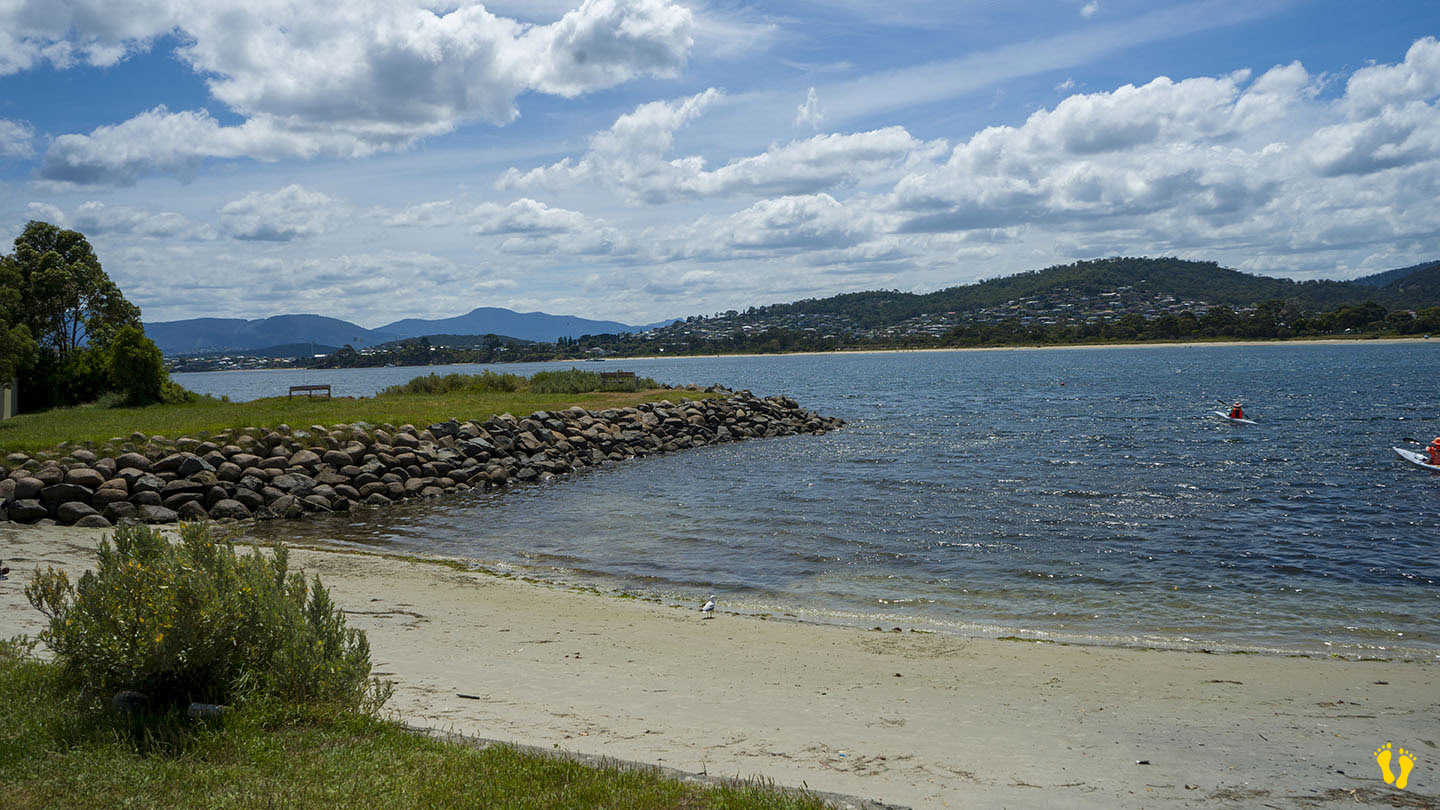
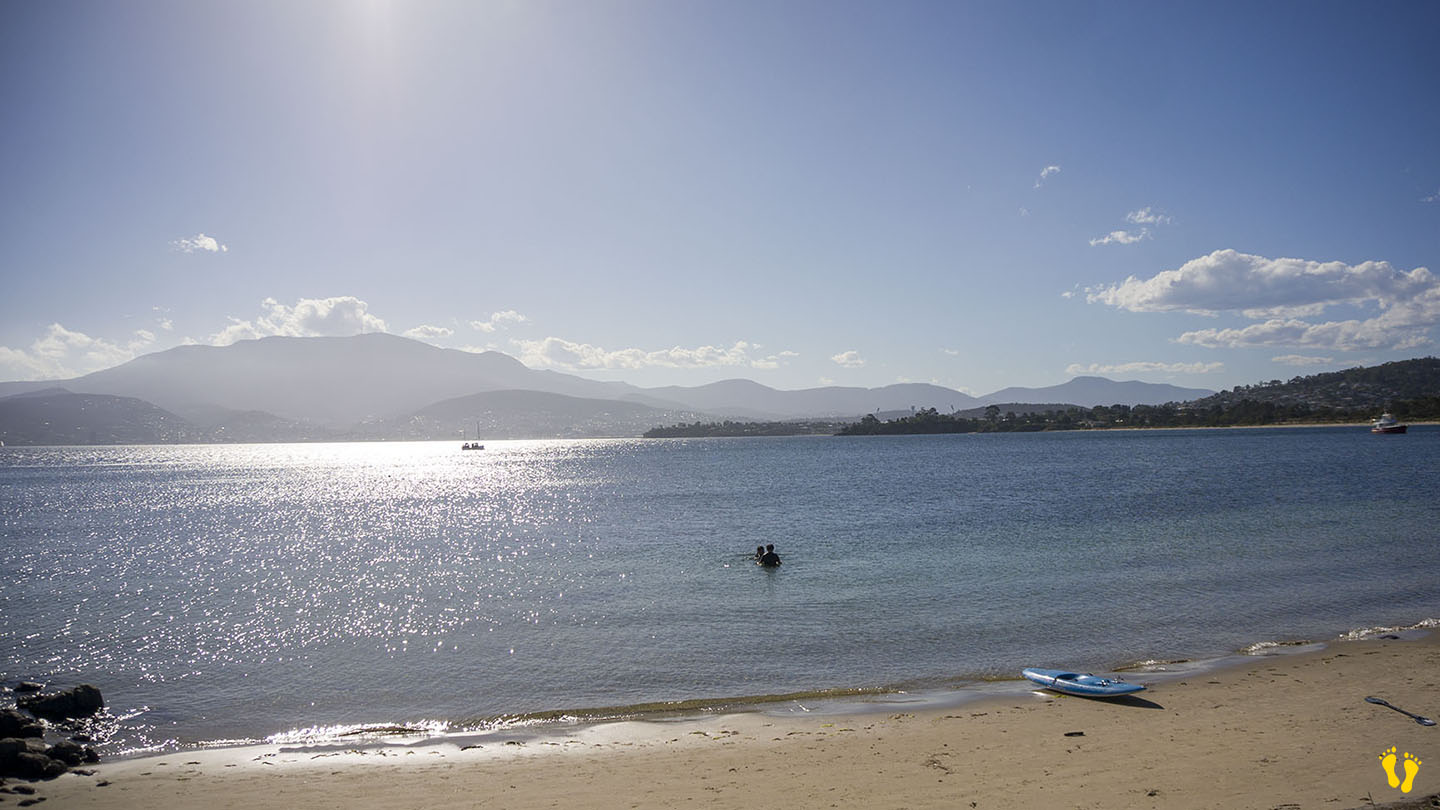
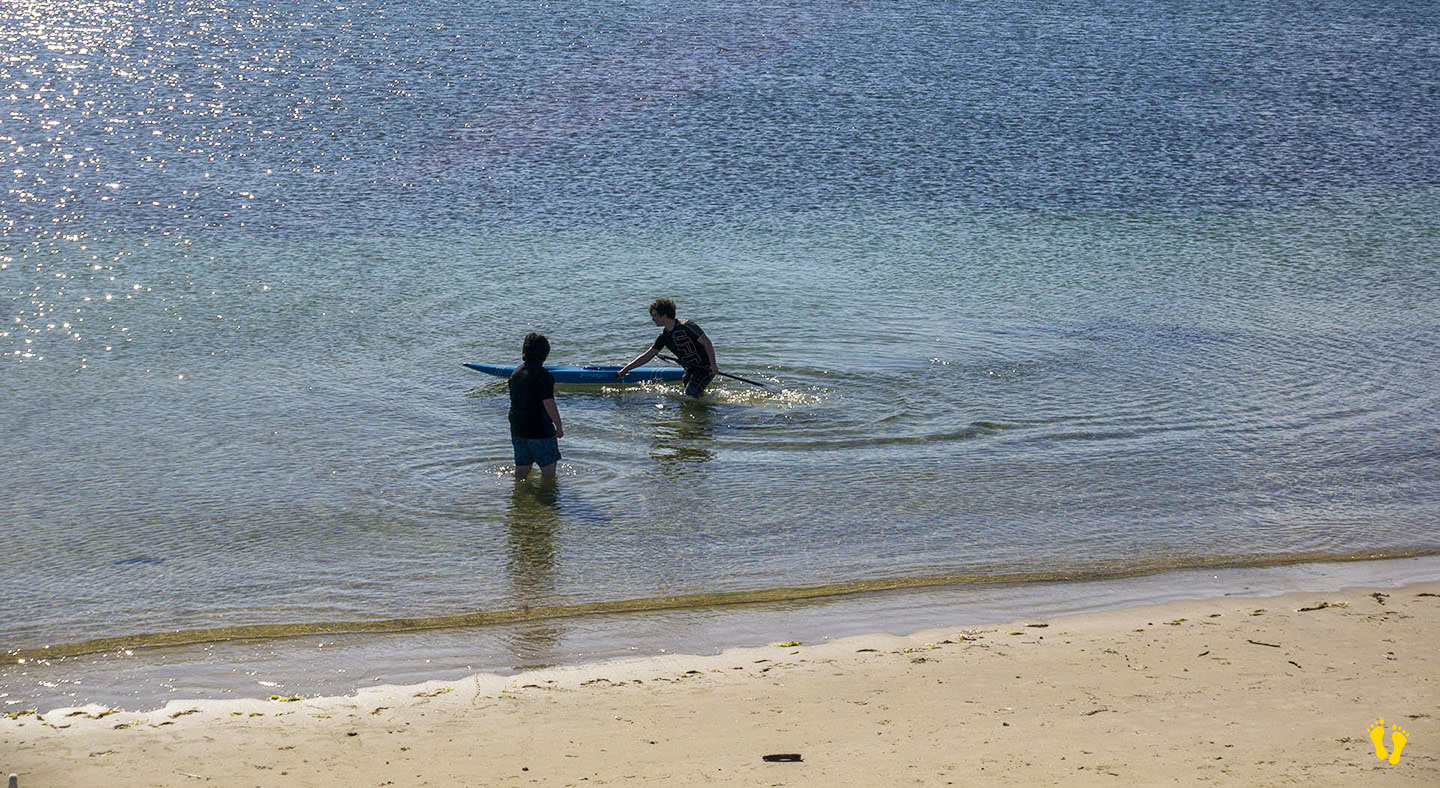
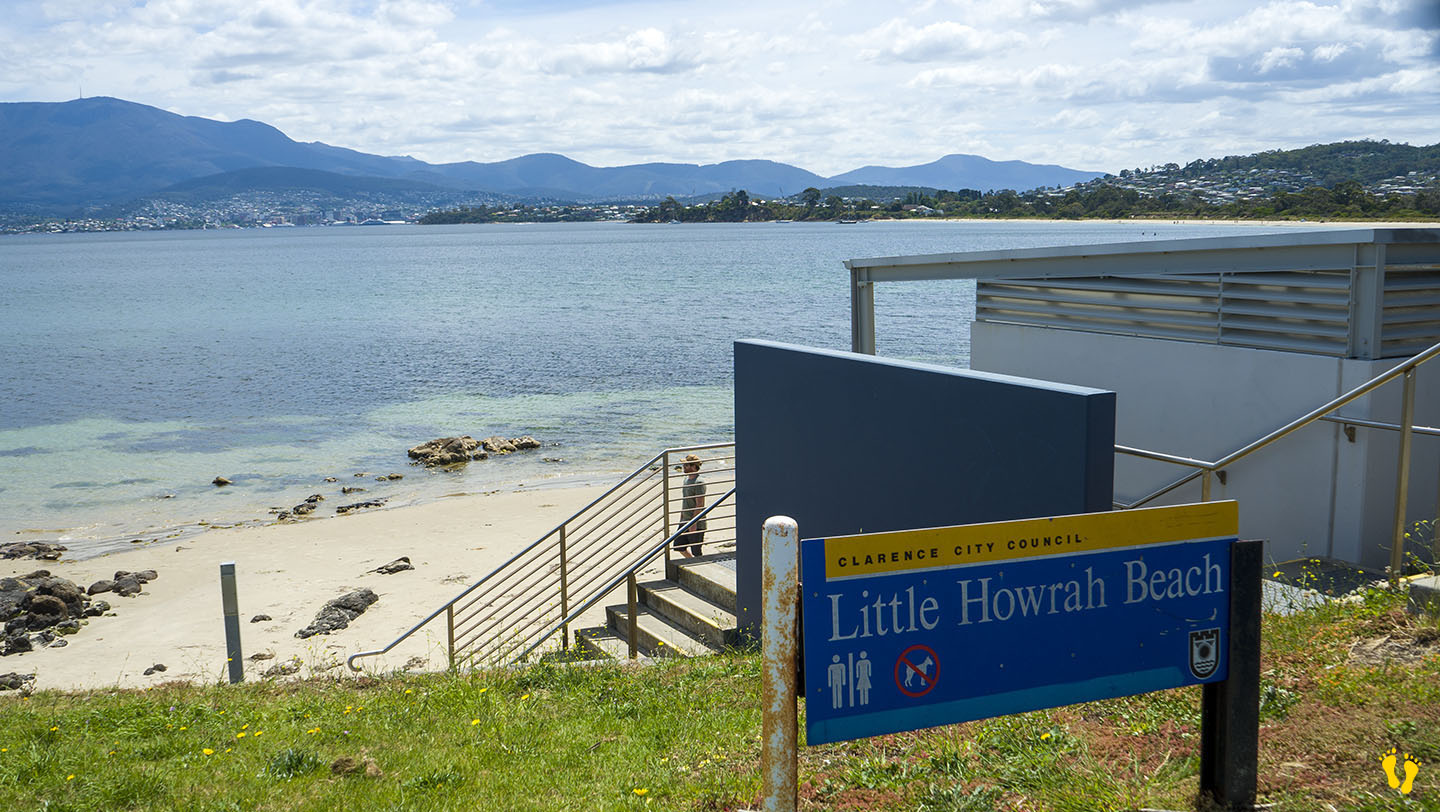
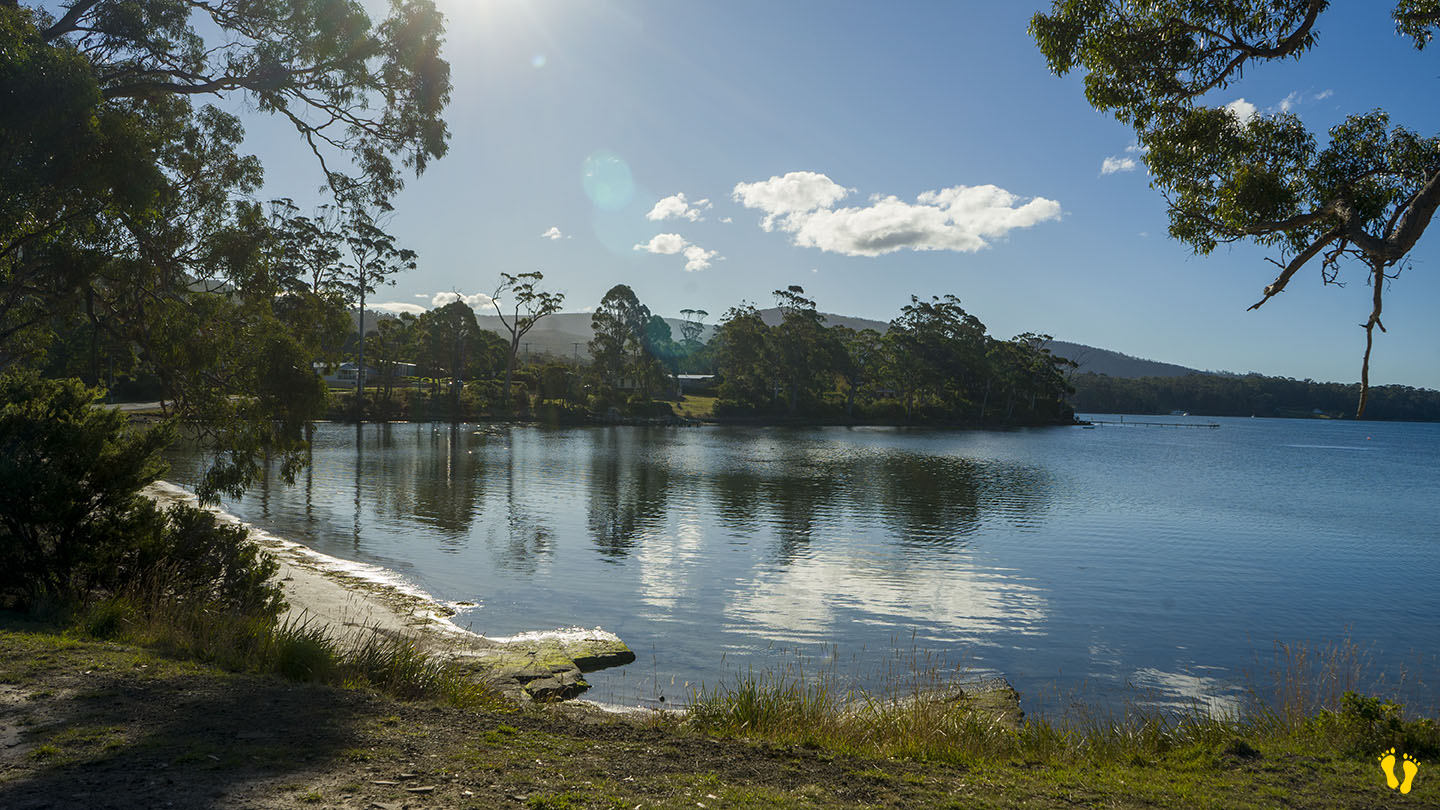
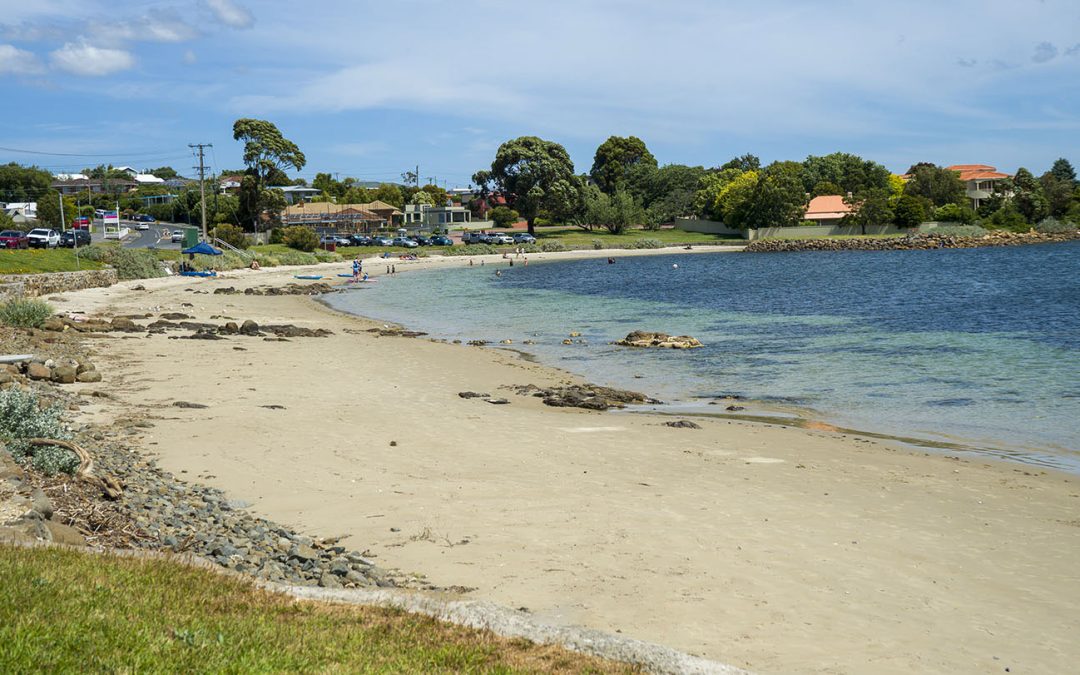
Little Howrah Beach just south of Howrah Beach is a protected beach ideal for families with young children. Great for learning to paddle board or kayak. Sand and grassy areas to relax. Shops nearby, good parking and toilets. Guess what – it’s small – but I highly recommend it. Good amenities and great views of Kunanyi. No dogs.
by Mickey Jarvis | May 7, 2024 | Low Hazard, South East, Tasman Peninsula
Near Port Arthur |
Hazard Rating: 1/10 | Parking: Roadside | from Hobart: 93 km | Faces: NE into Carnarvon Bay | Length: 150 km
Original Name: Turrakana, the homeland of the Pydairrerme (Tasman Peninsula’s Aboriginal people)
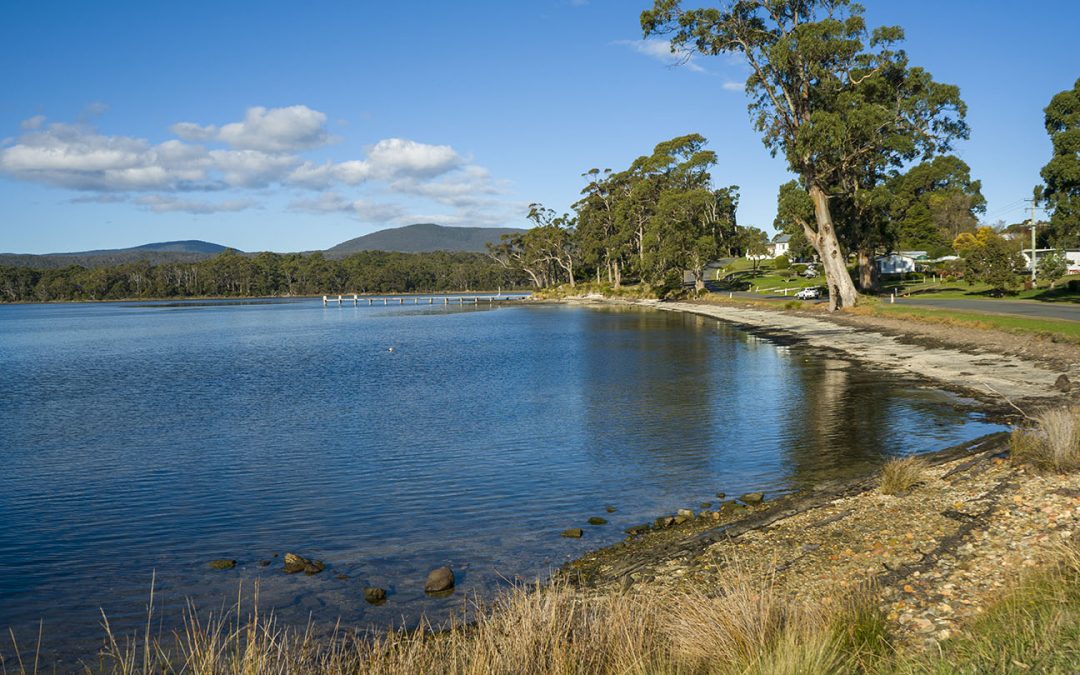
Little Possum Beach is about 2 km south of Port Arthur and the little cousin of Big Possum Beach a bit north. It is a beach but only just!
A small roadside beach ideal for a walk and paddle along the beach while enjoying the views. A classic old wooden jetty at the bottom end to wander onto and take in the whole experience of the bay and its surroundings.
by Mickey Jarvis | Jan 21, 2023 | Greater Hobart, Low Hazard, Patrolled, Wheelchair Friendly
Little Sandy Bay |
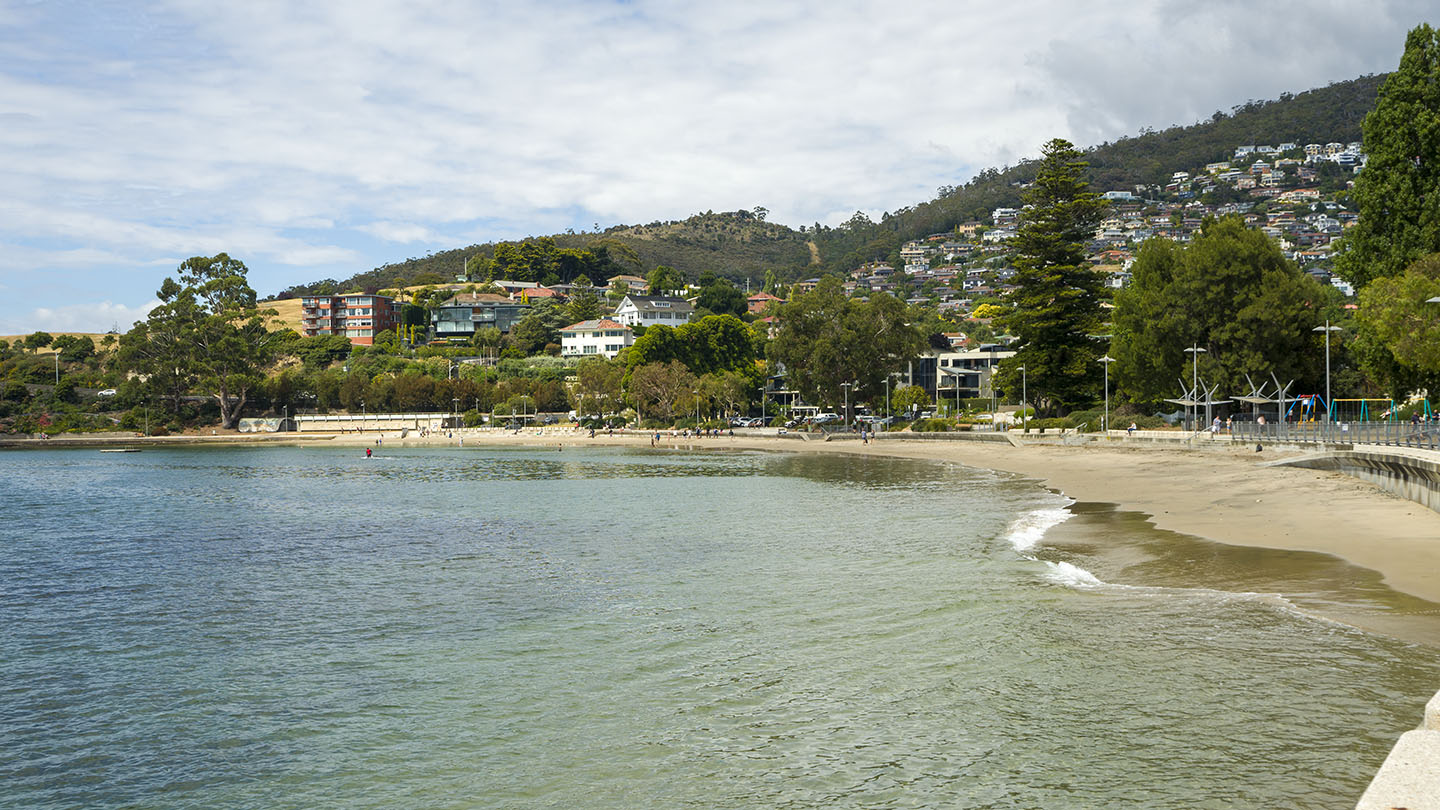
Hazard Rating: 2/10 | Parking: Good + close | from Hobart: 5 km | Faces: West into the Derwent River and Little Sandy Bay | Length: 400 m
Original People: Originally named Kreewer and occupied for 35,000 years by the semi-nomadic Mouheneener people, a sub-group of the Nuennone.
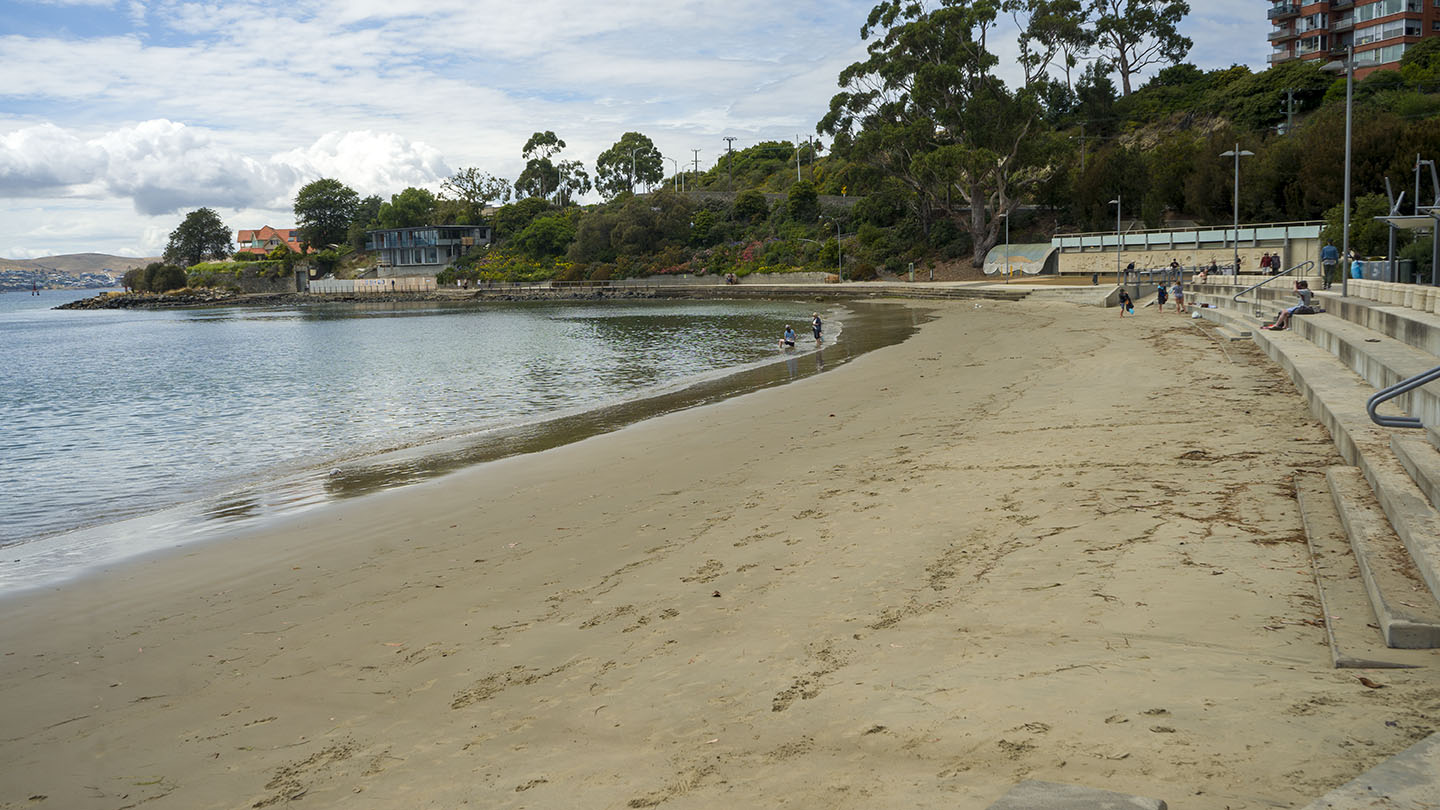
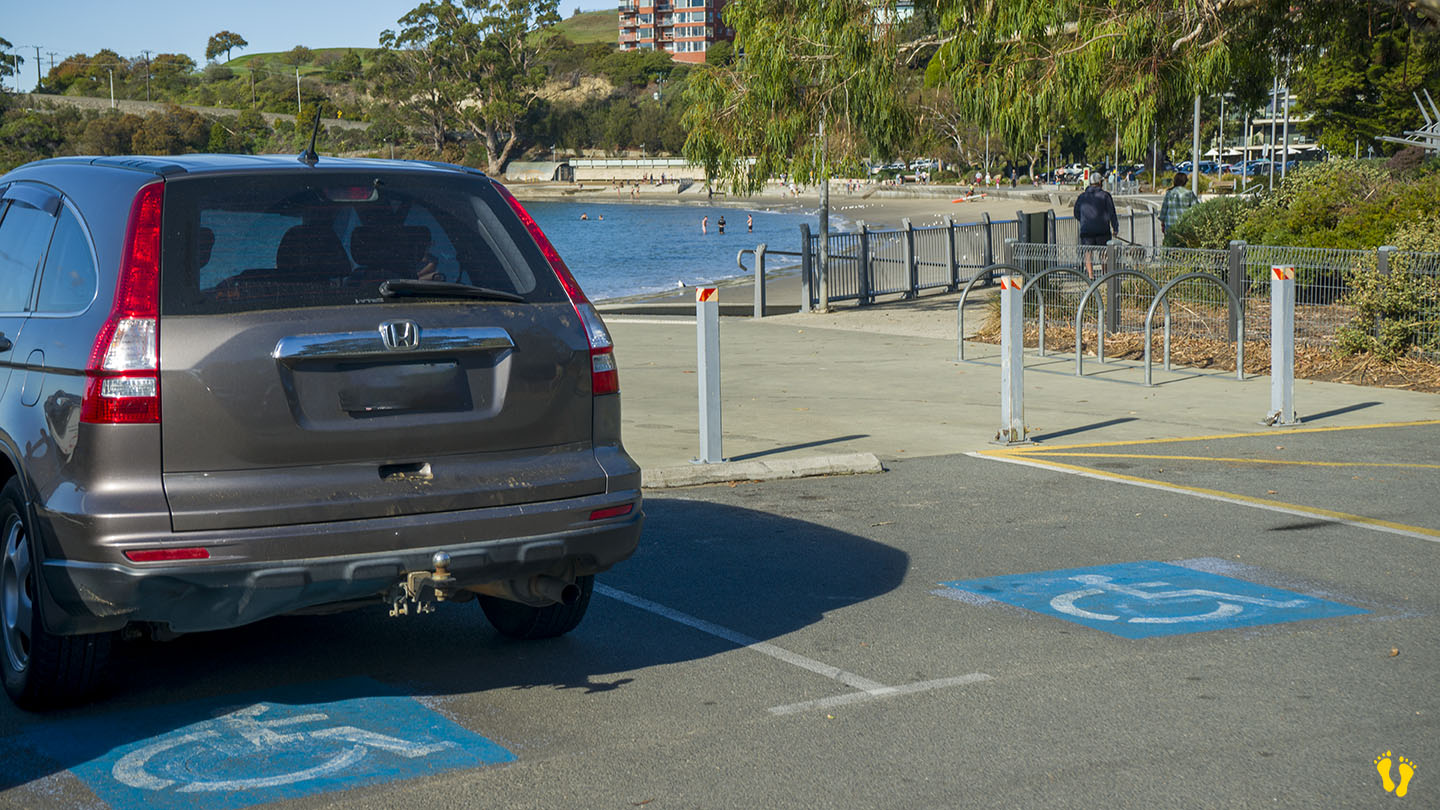
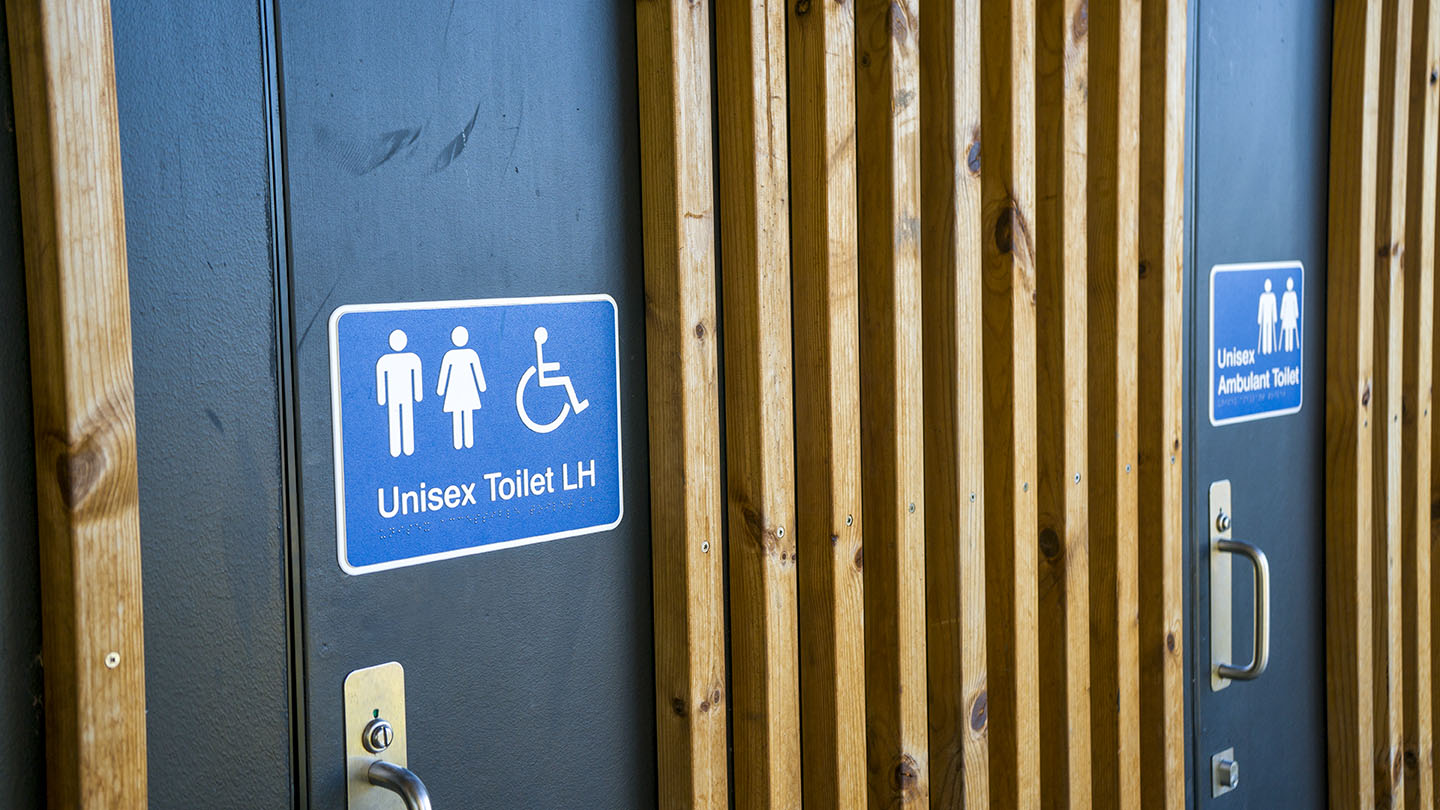
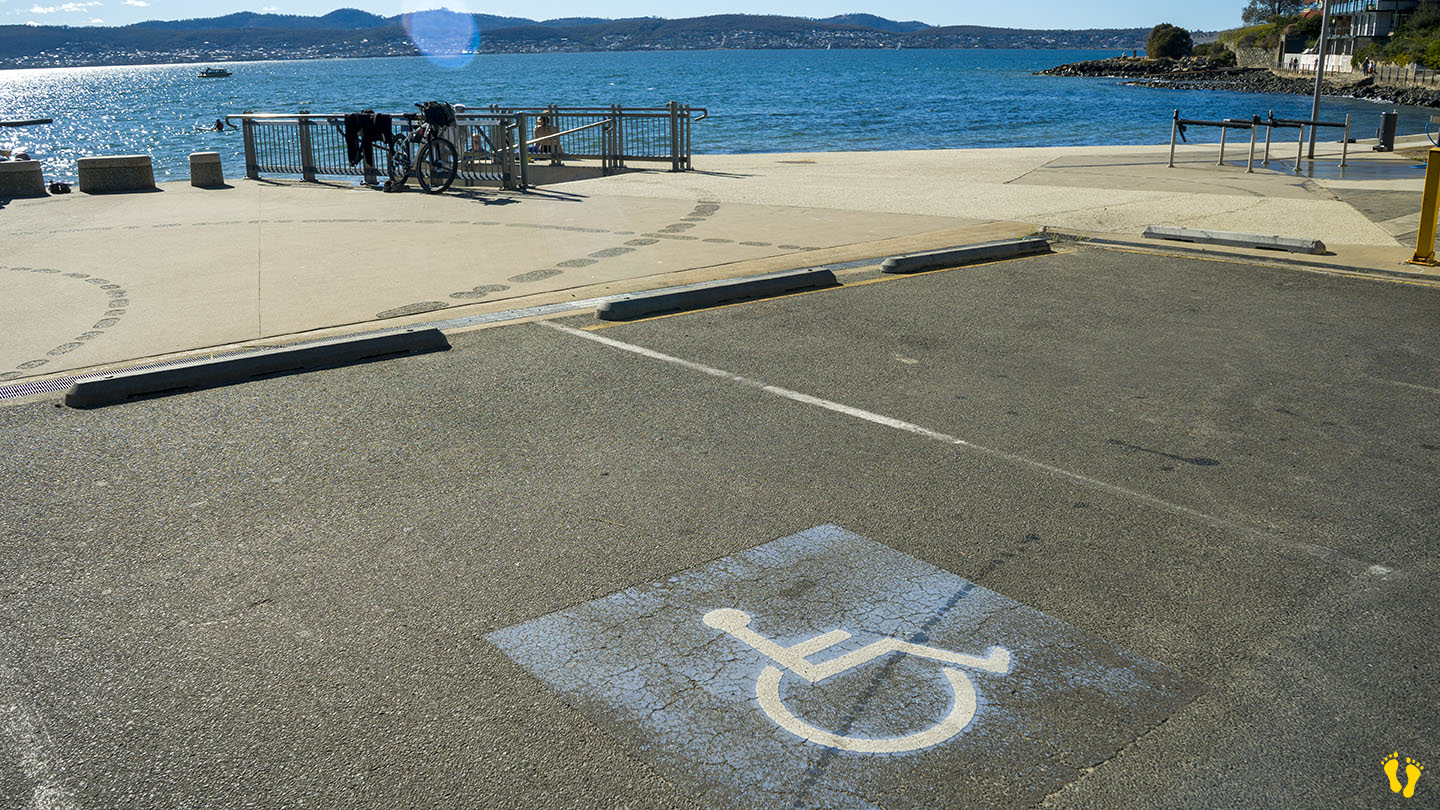
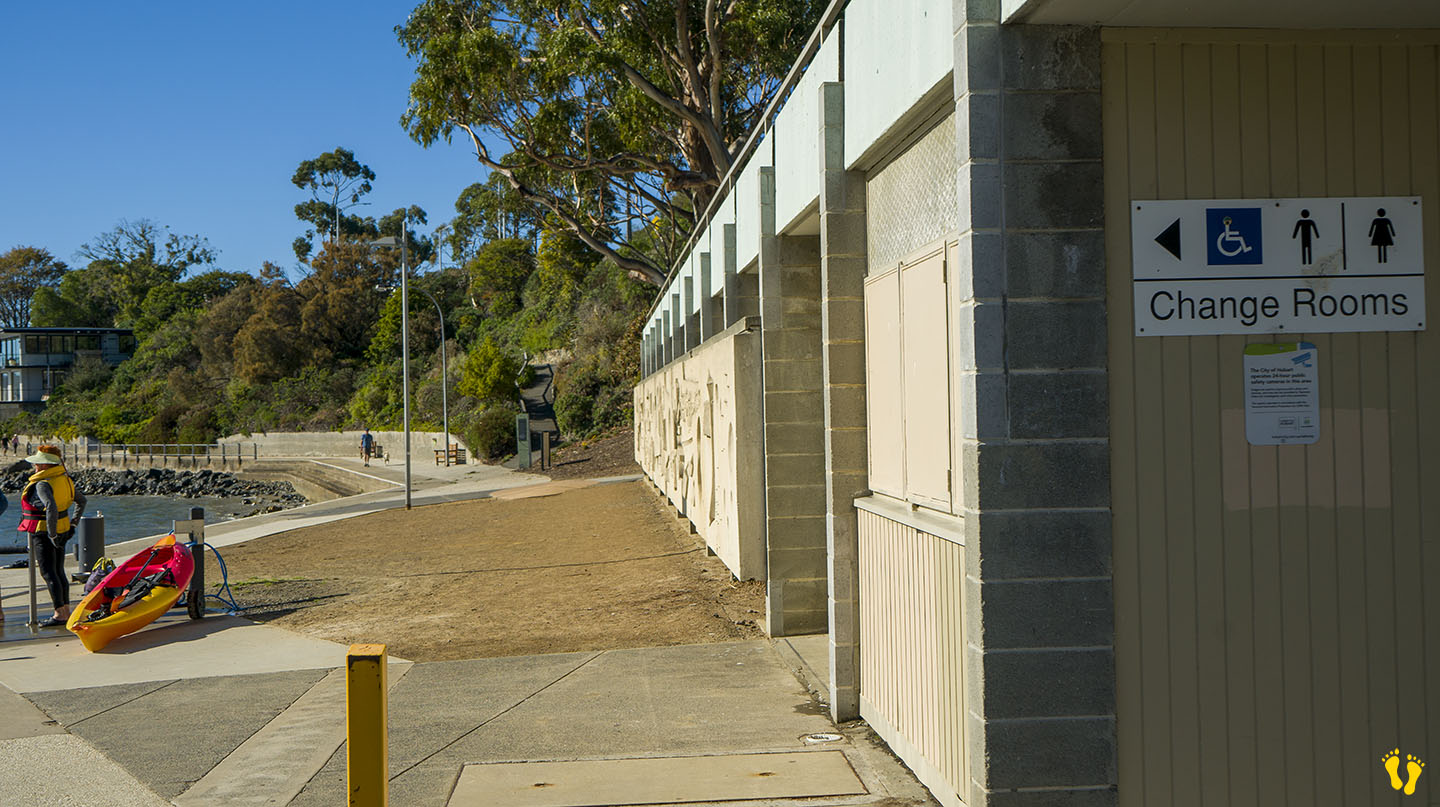
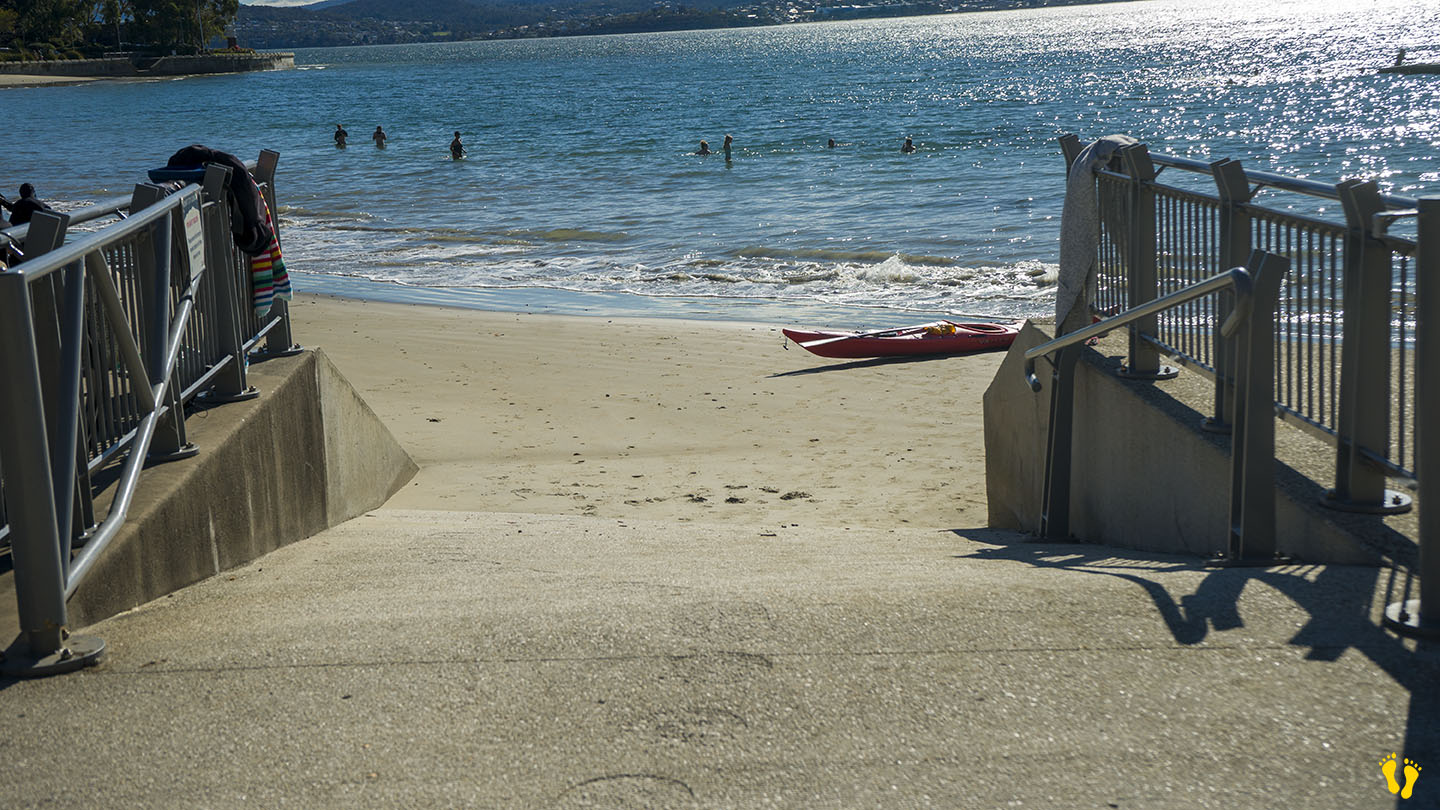
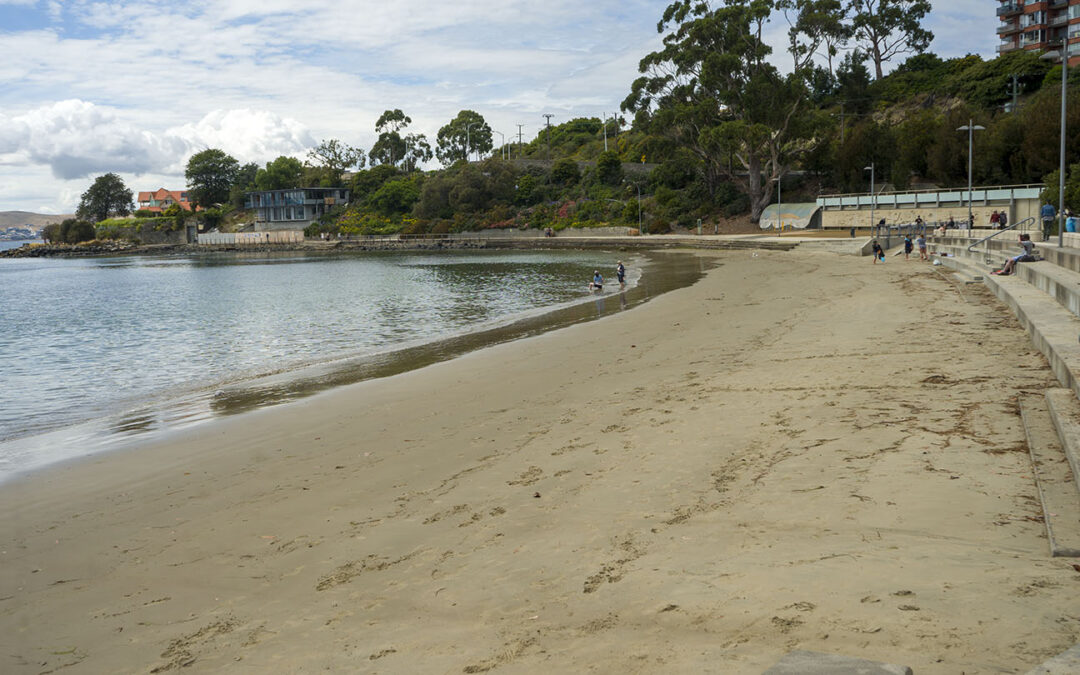
Wheel Chair Access: 2 ramps onto an often packed sand beach. Disabled toilets and parking on the north and south ends.
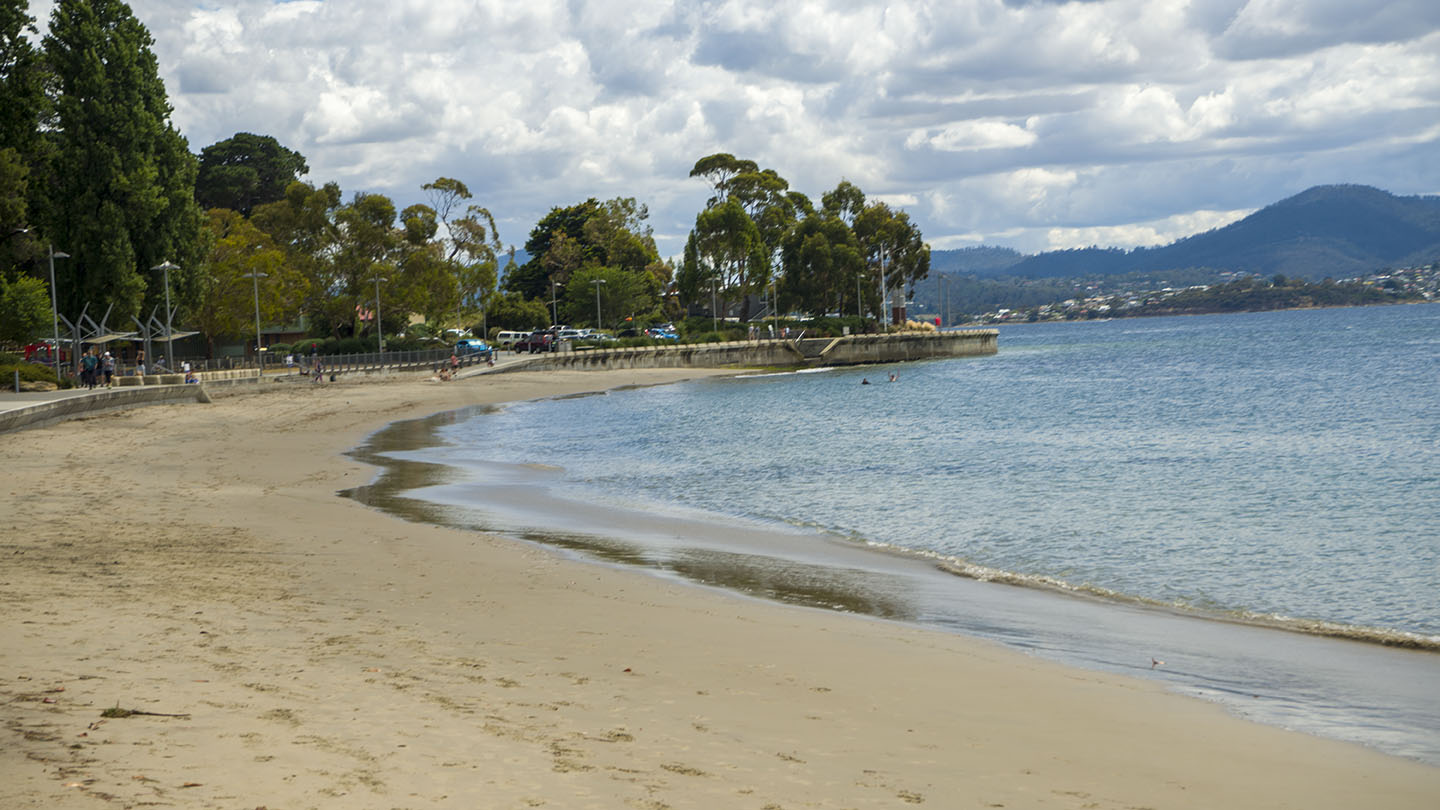
In Sandy Bay south of Hobart. Excellent amenities include a playground, BBQs, toilets and a large park area. It is a great family beach and park.
Accessible from 3 different main road turnoffs. The north end via Long Point Road provides access to the park and beach and is the best option for disabled access. The middle is accessed via Beach Road, near food outlets and a good general access point. The south end is good for kayak and board access.
Originally a single continuous beach, a basalt seawall was built to prevent coastal erosion in the 1970’s creating Nutgrove Beach to the north. So technically it’s now not a very long beach, but hey the name stuck.