by Mickey Jarvis | Mar 9, 2024 | East Coast
EAST COAST | Hazard Rating: 2-3/10 | Parking: Good + close | from Hobart: 80 km | Faces: SE into Prosser Bay | Length: ~ 1km
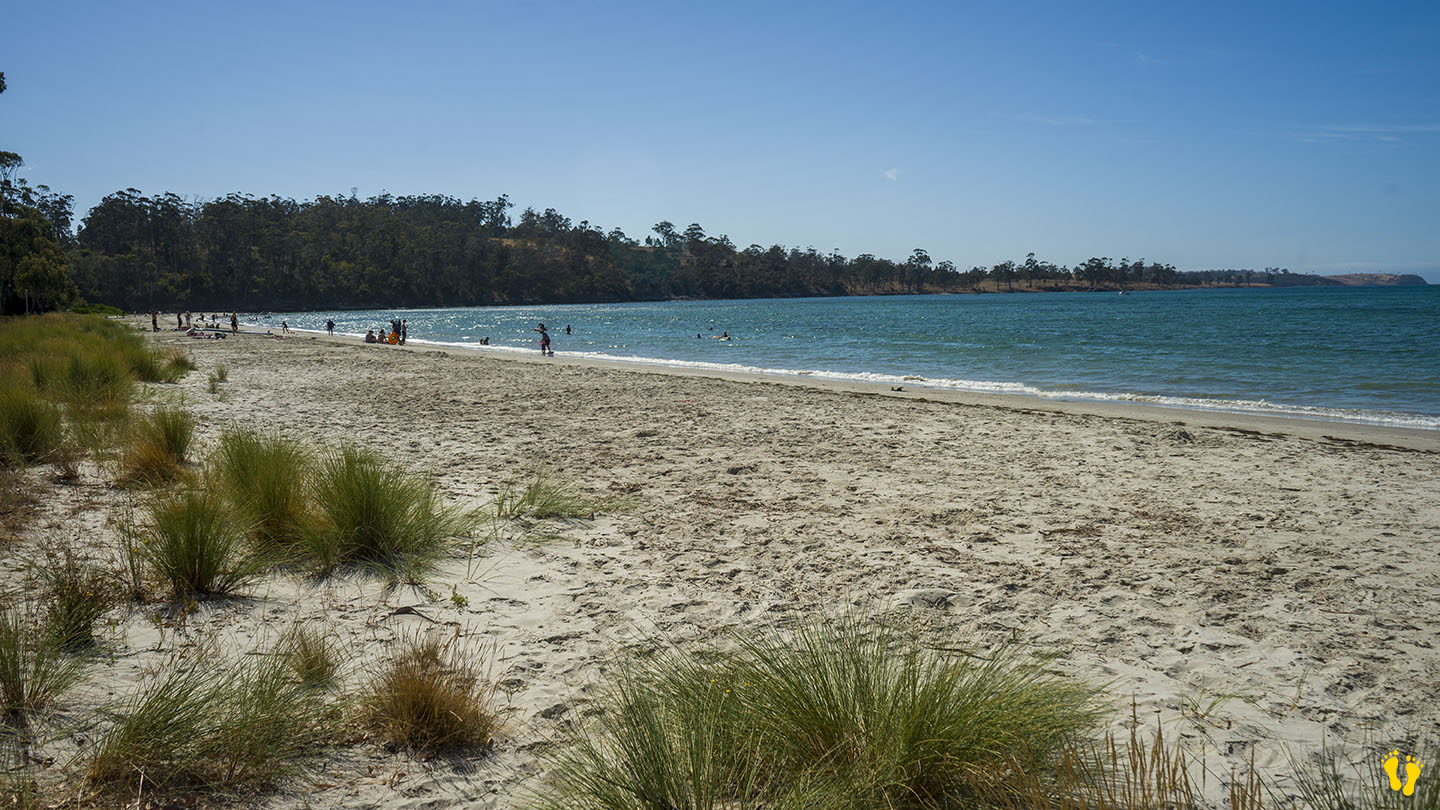
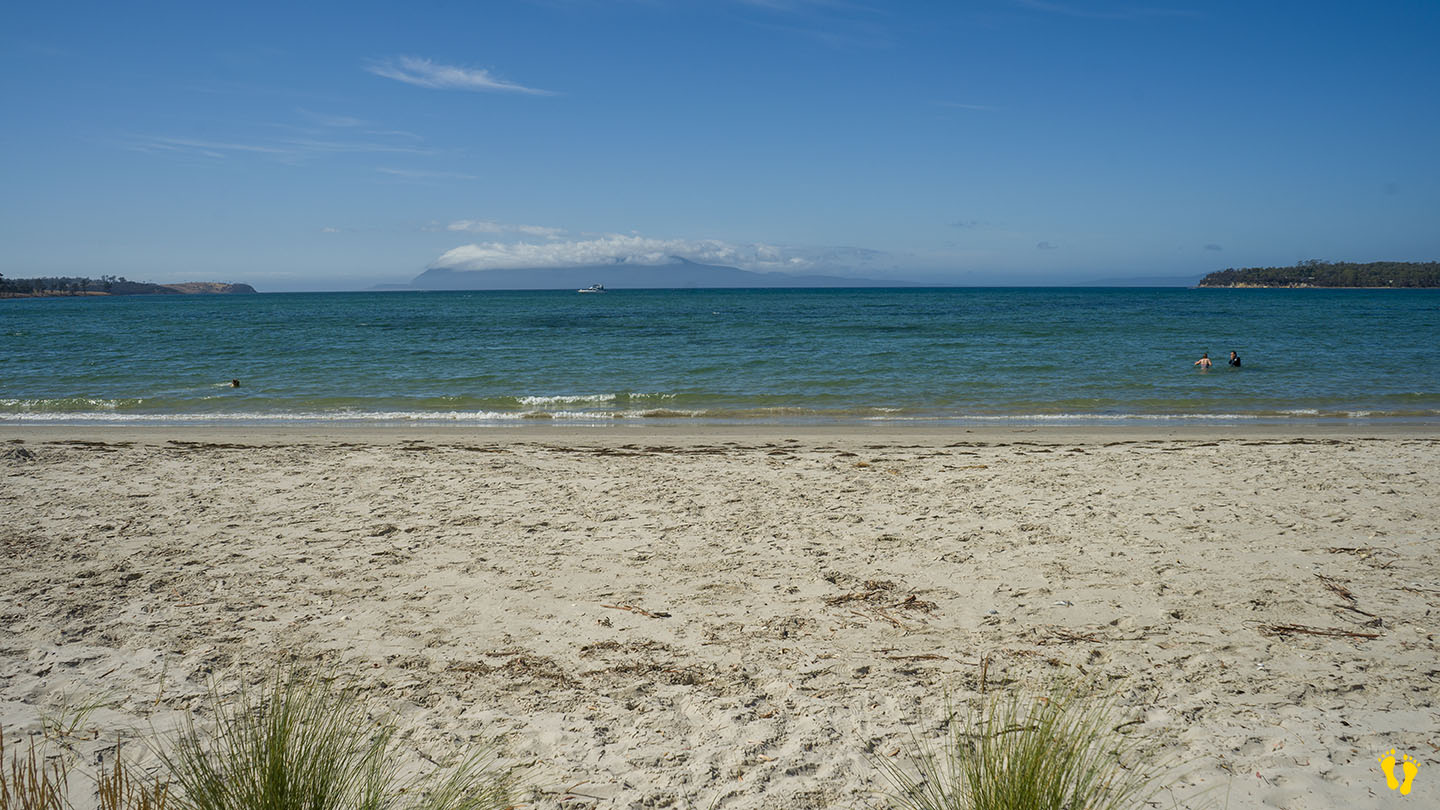
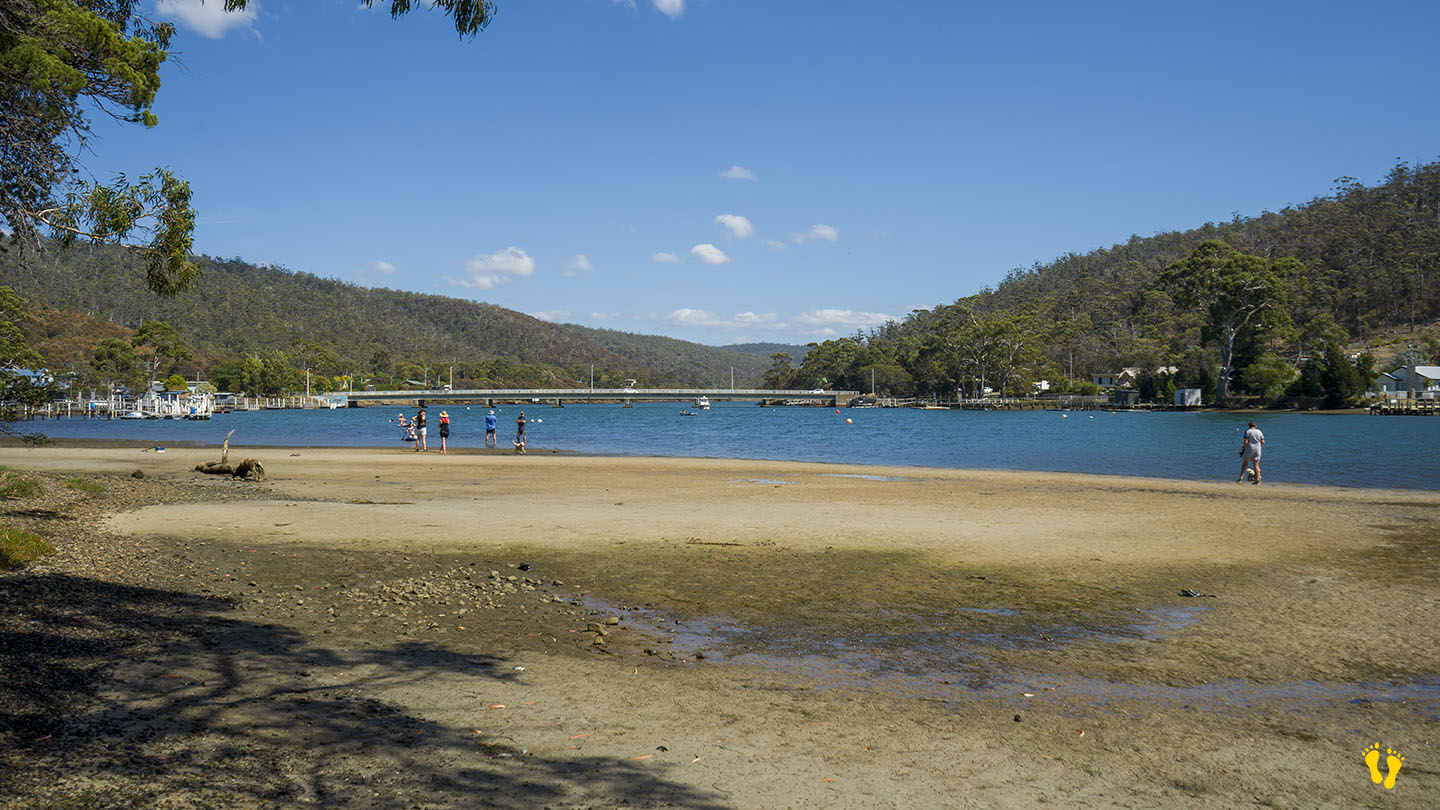
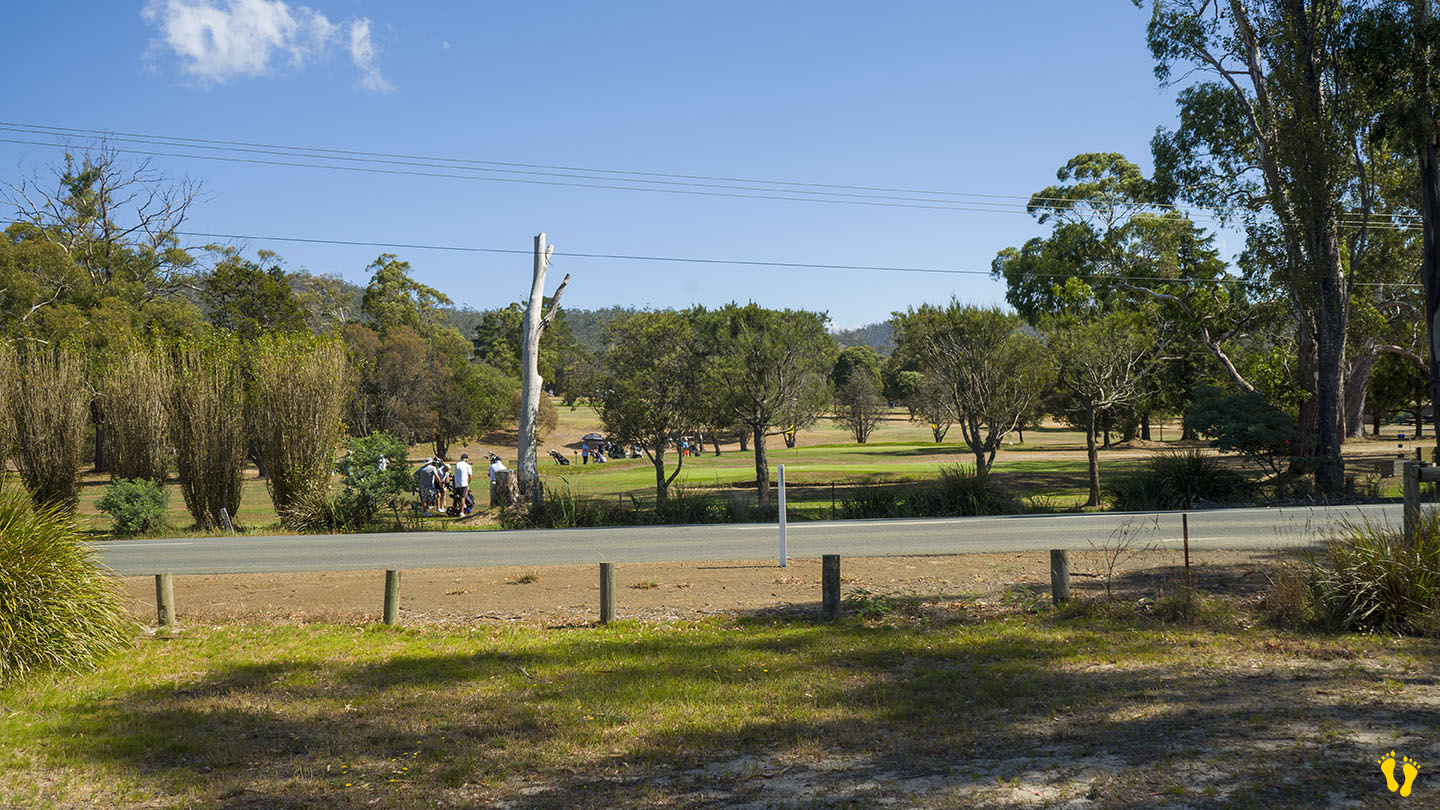
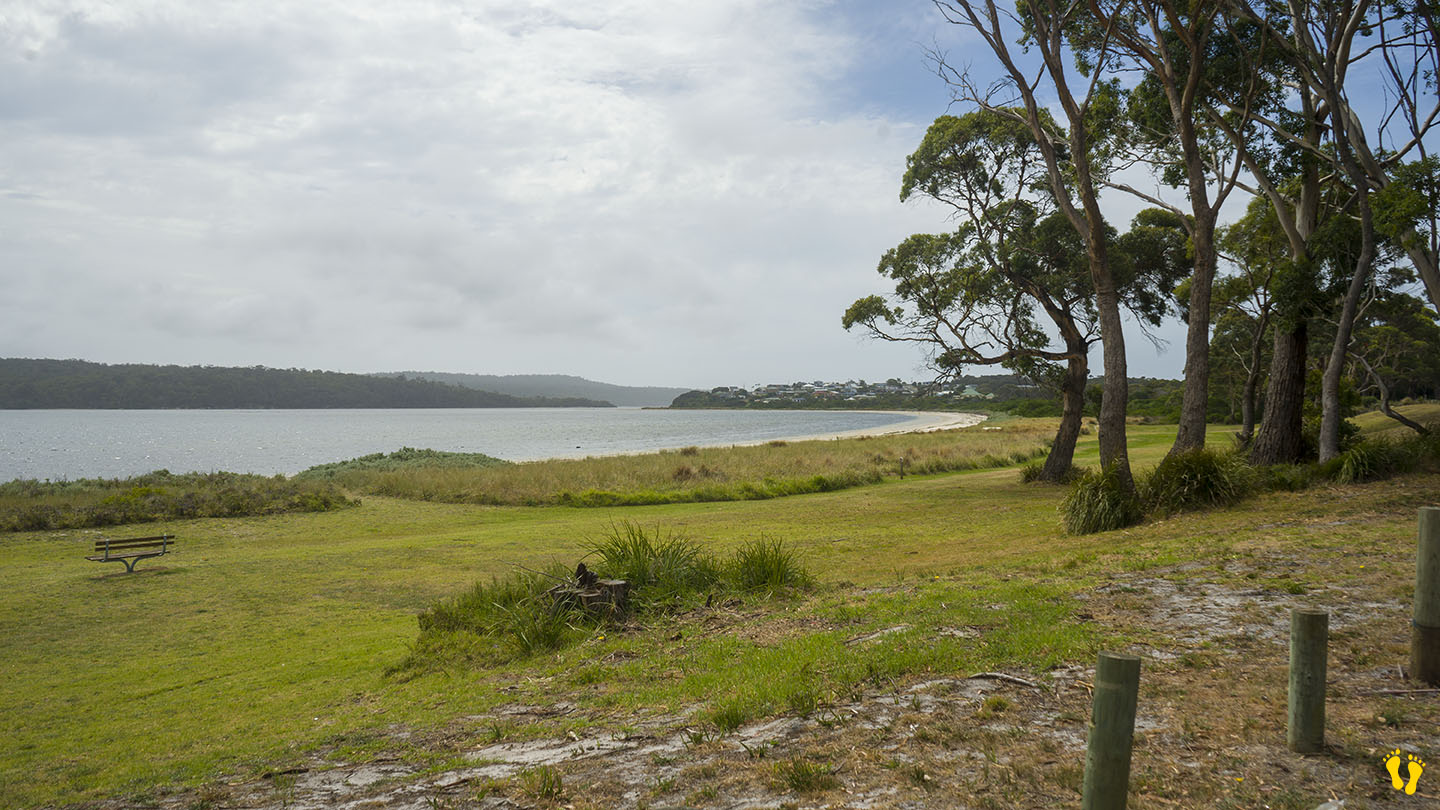
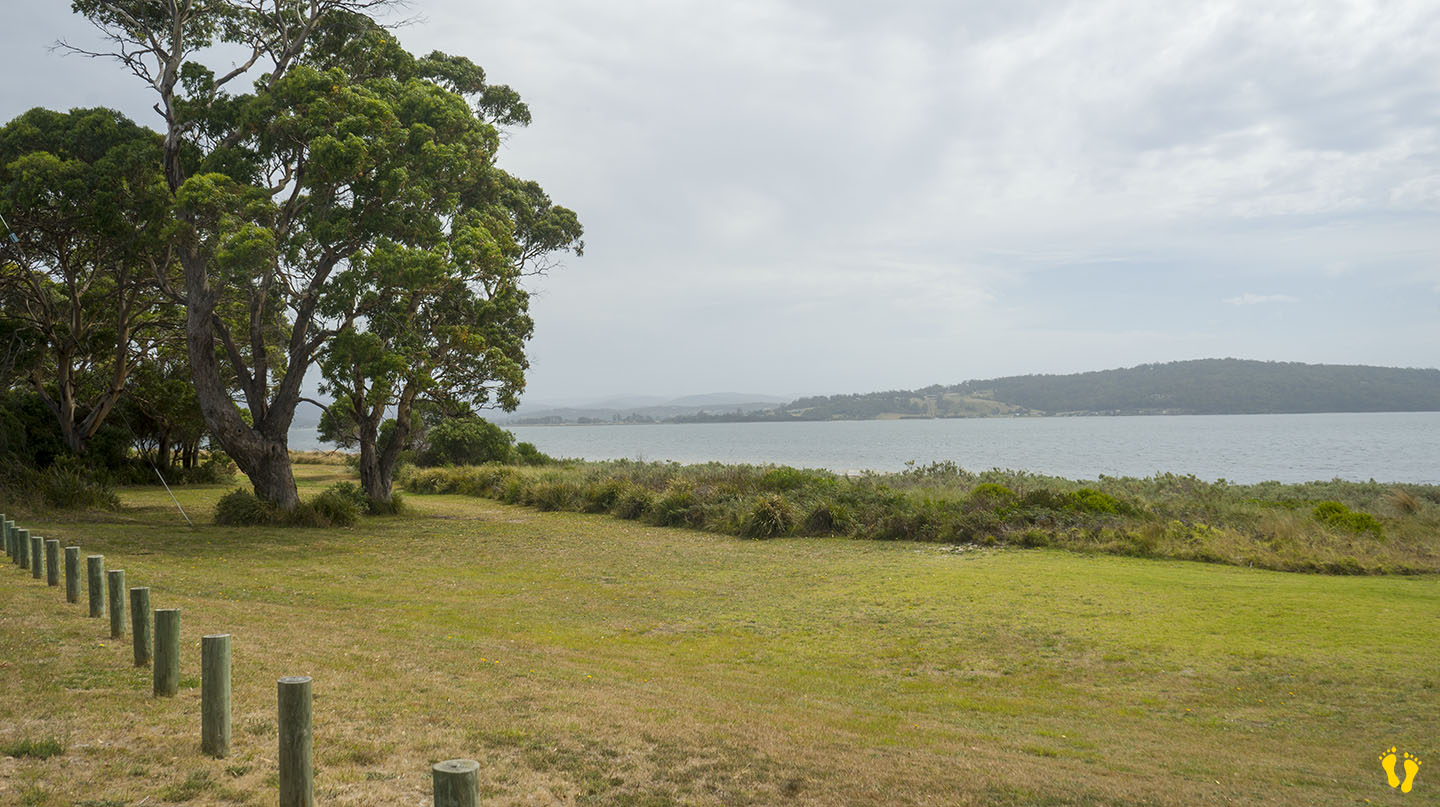
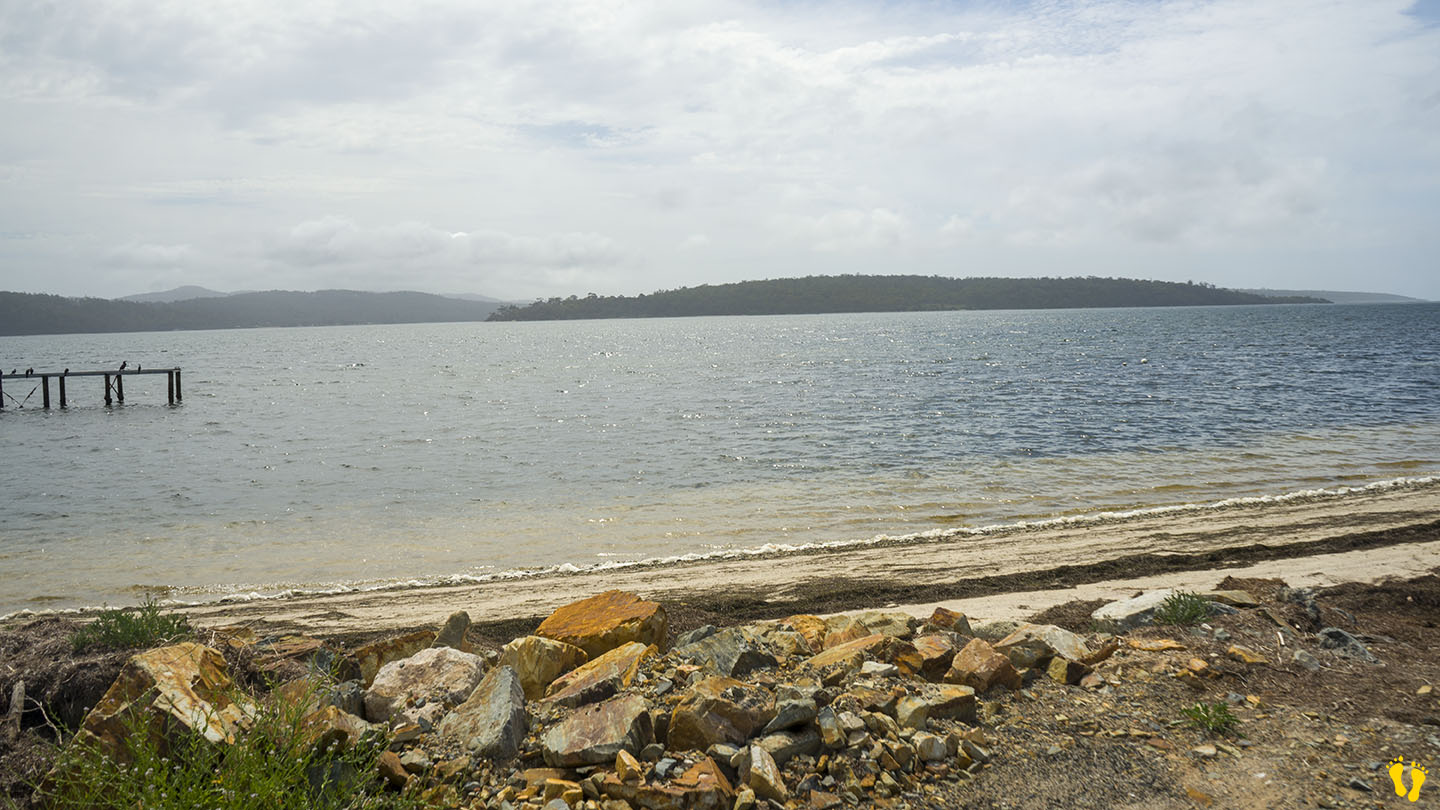
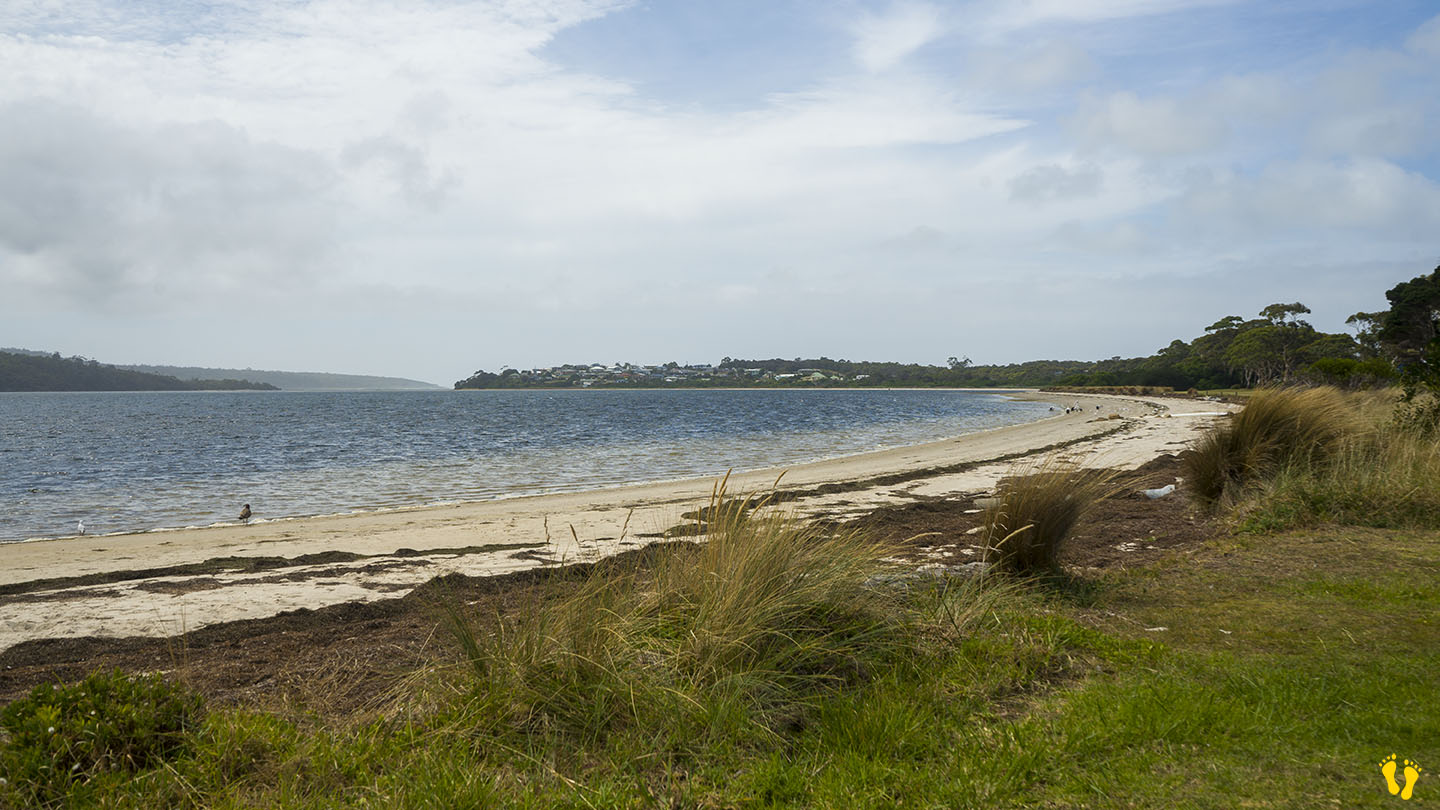
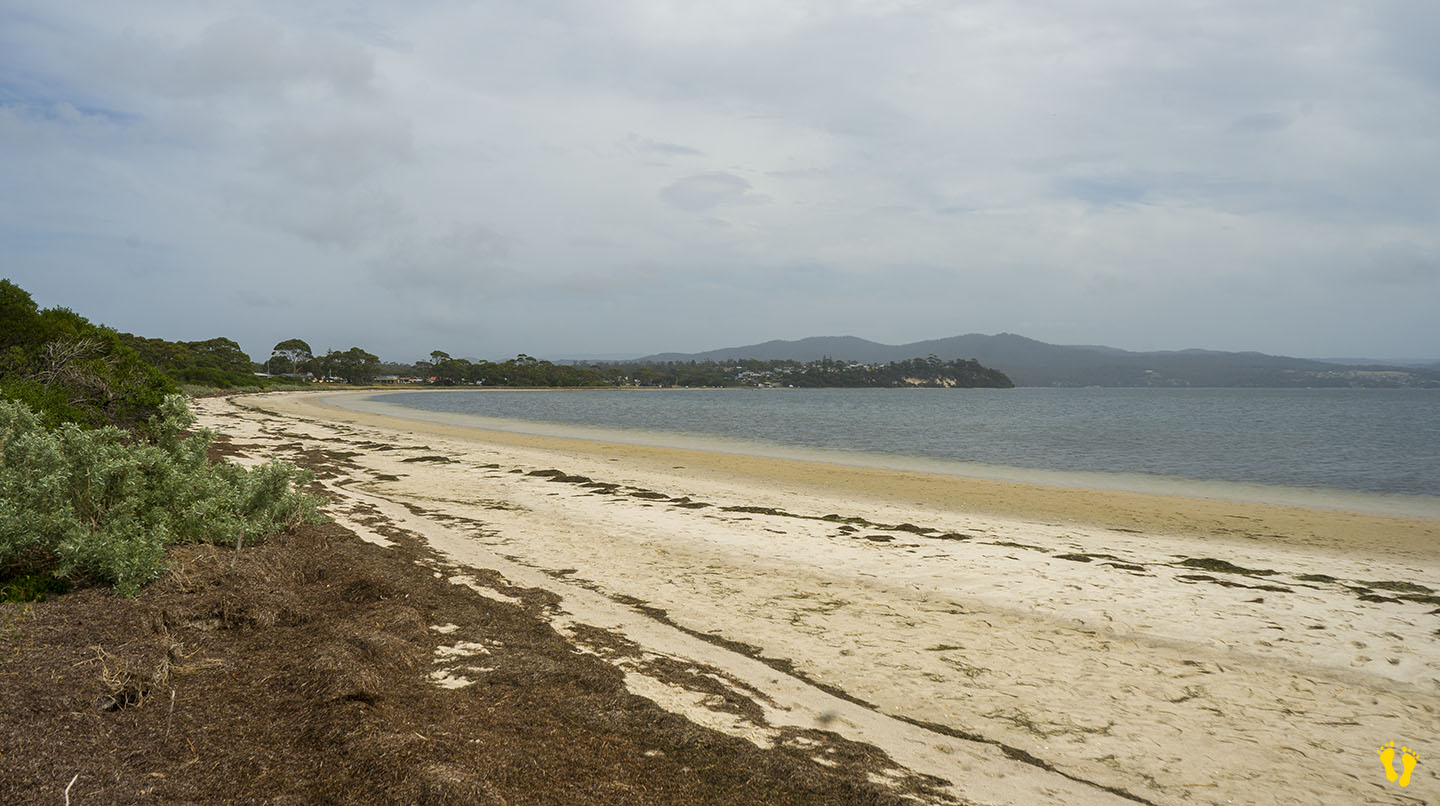
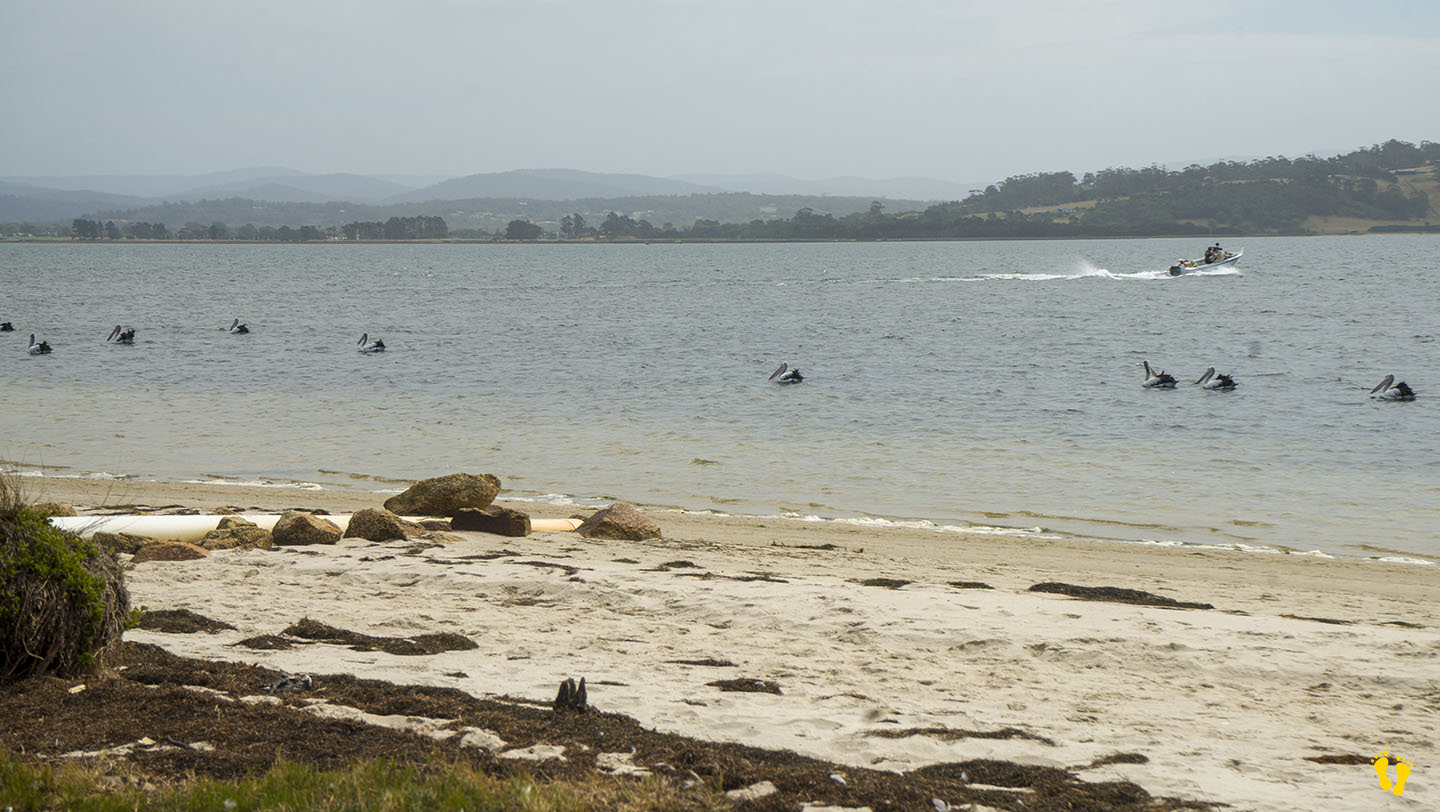
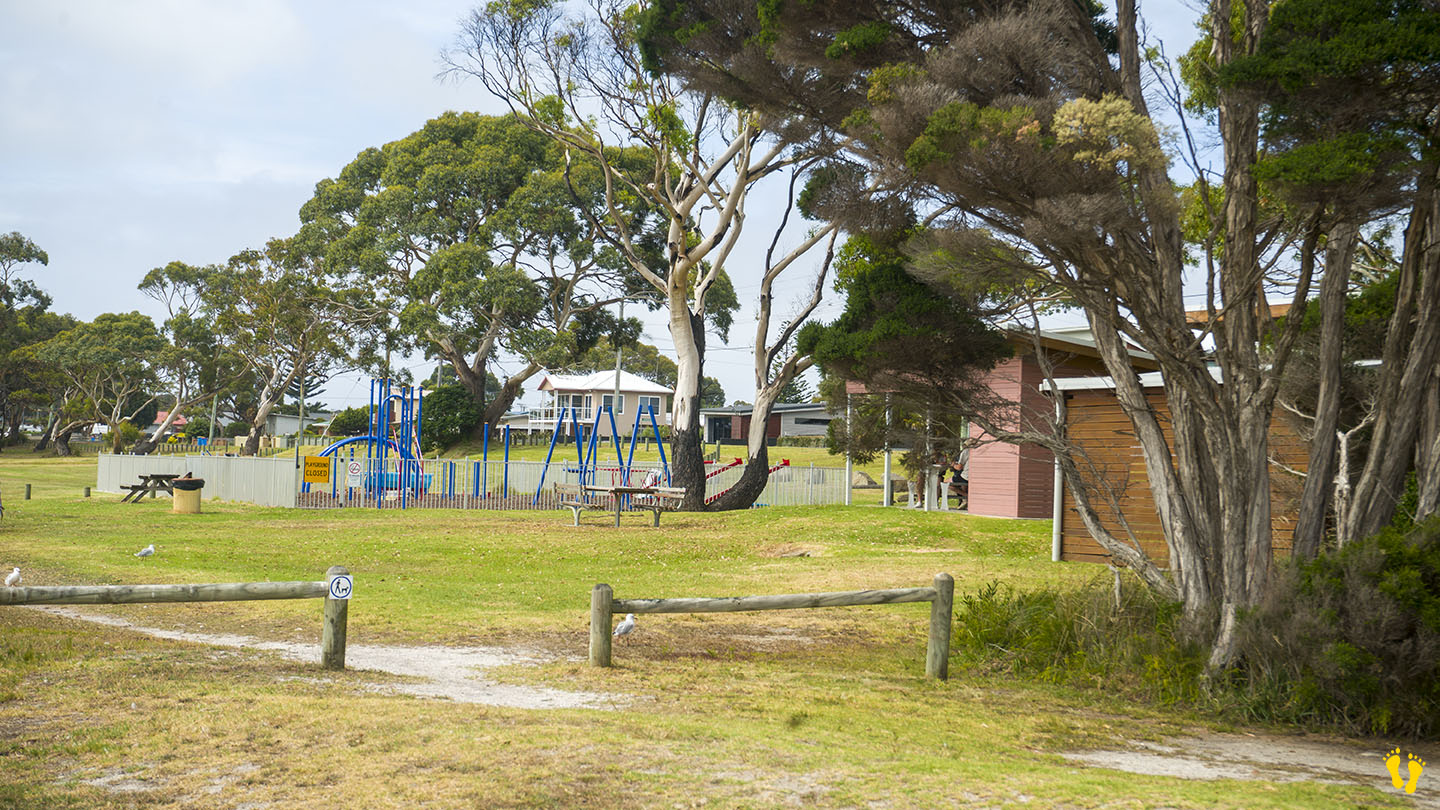
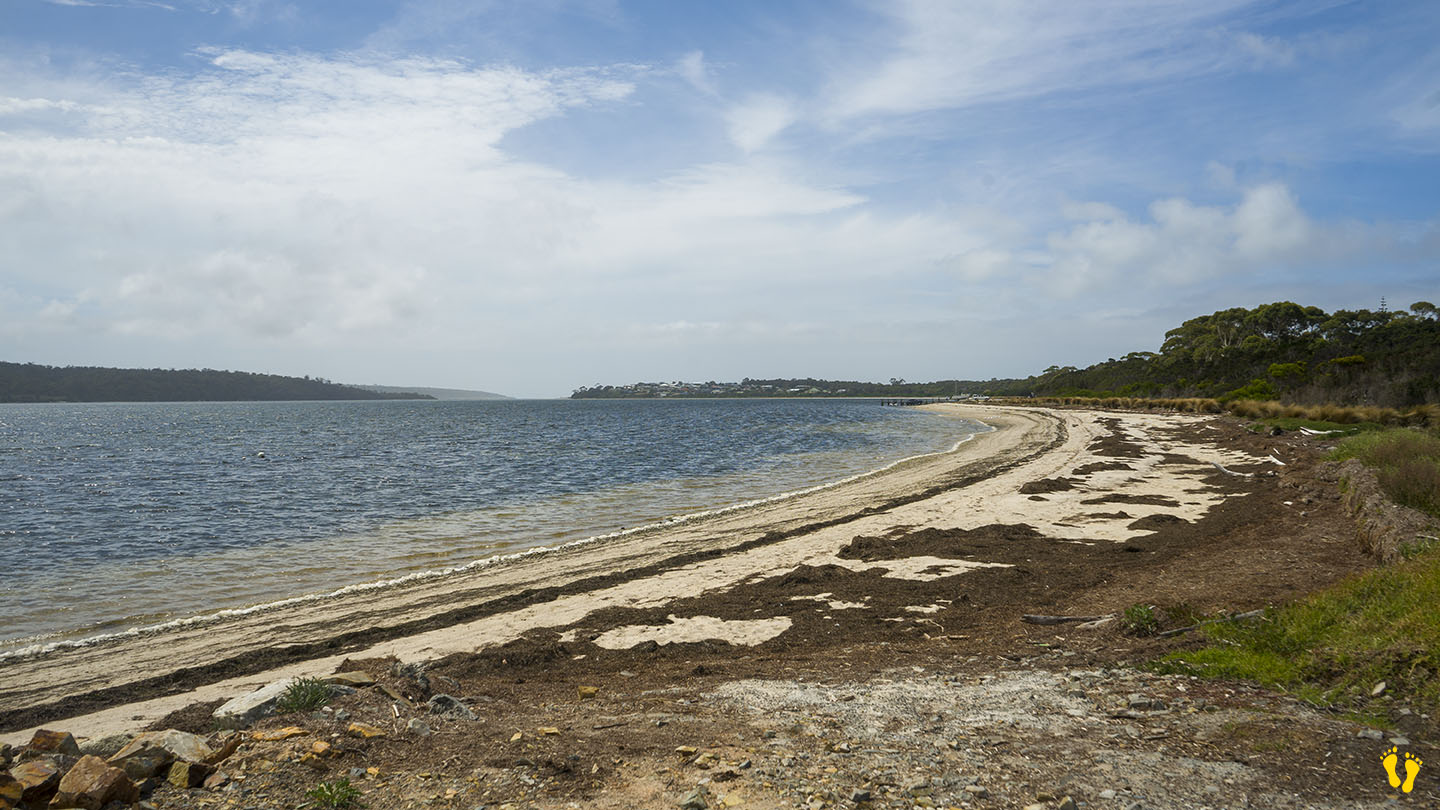
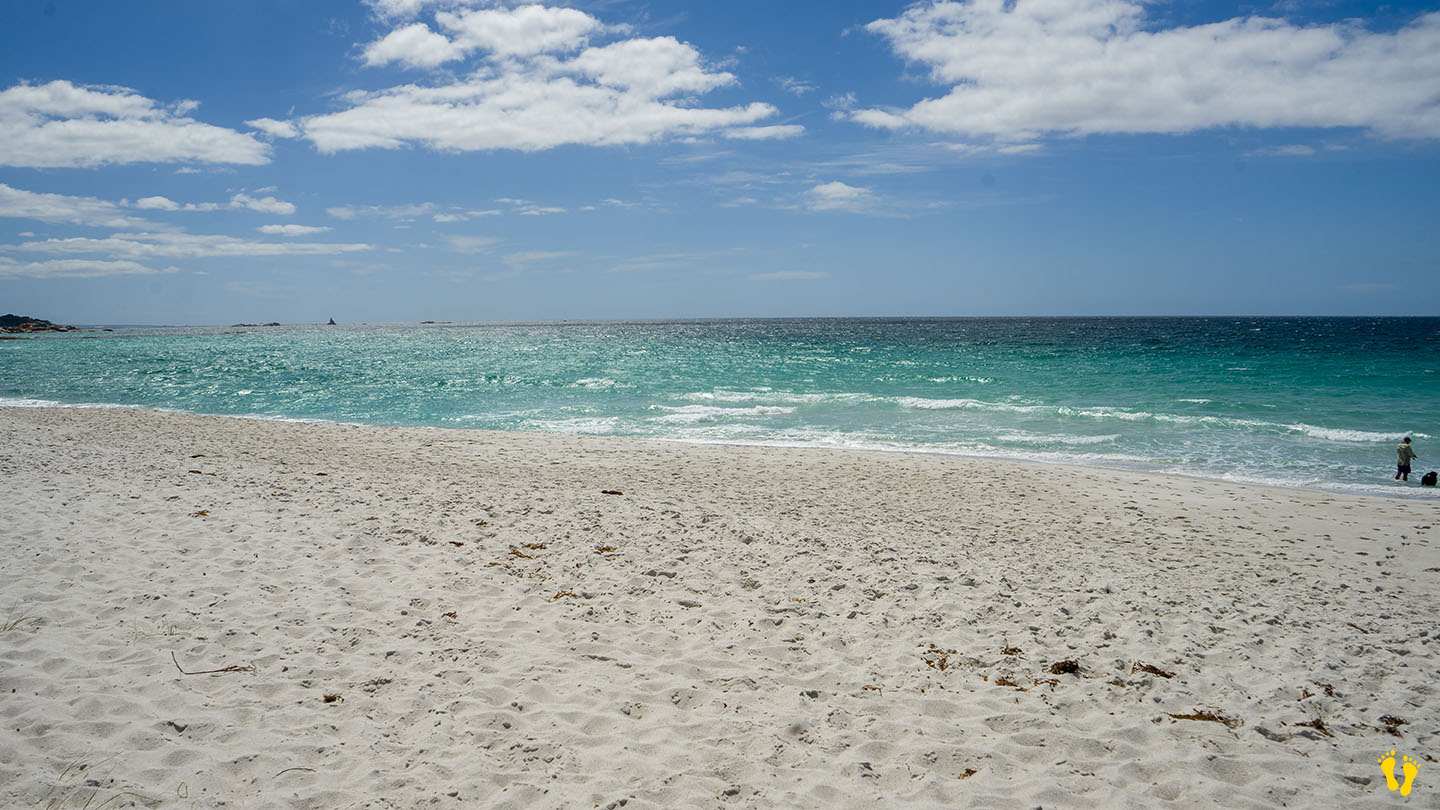
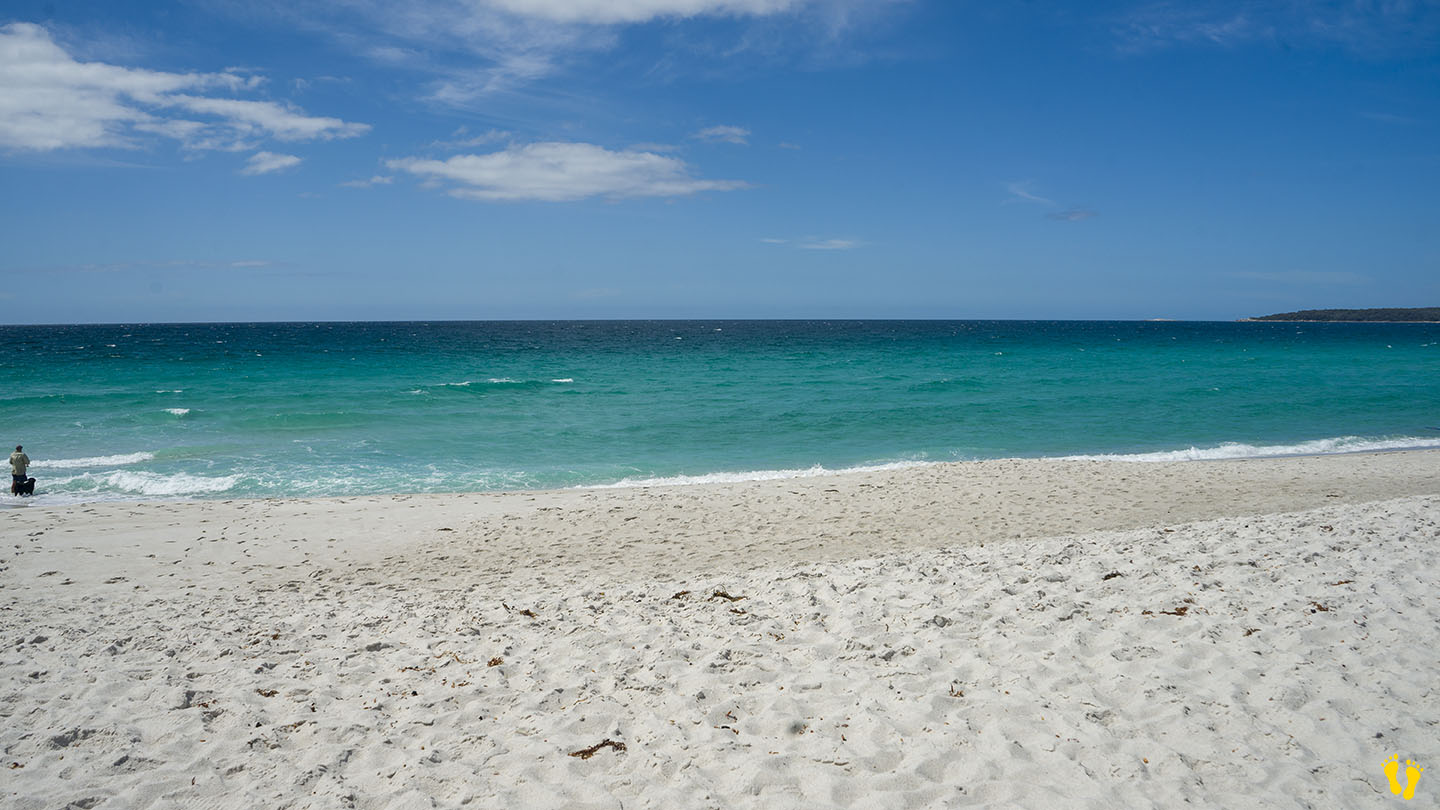
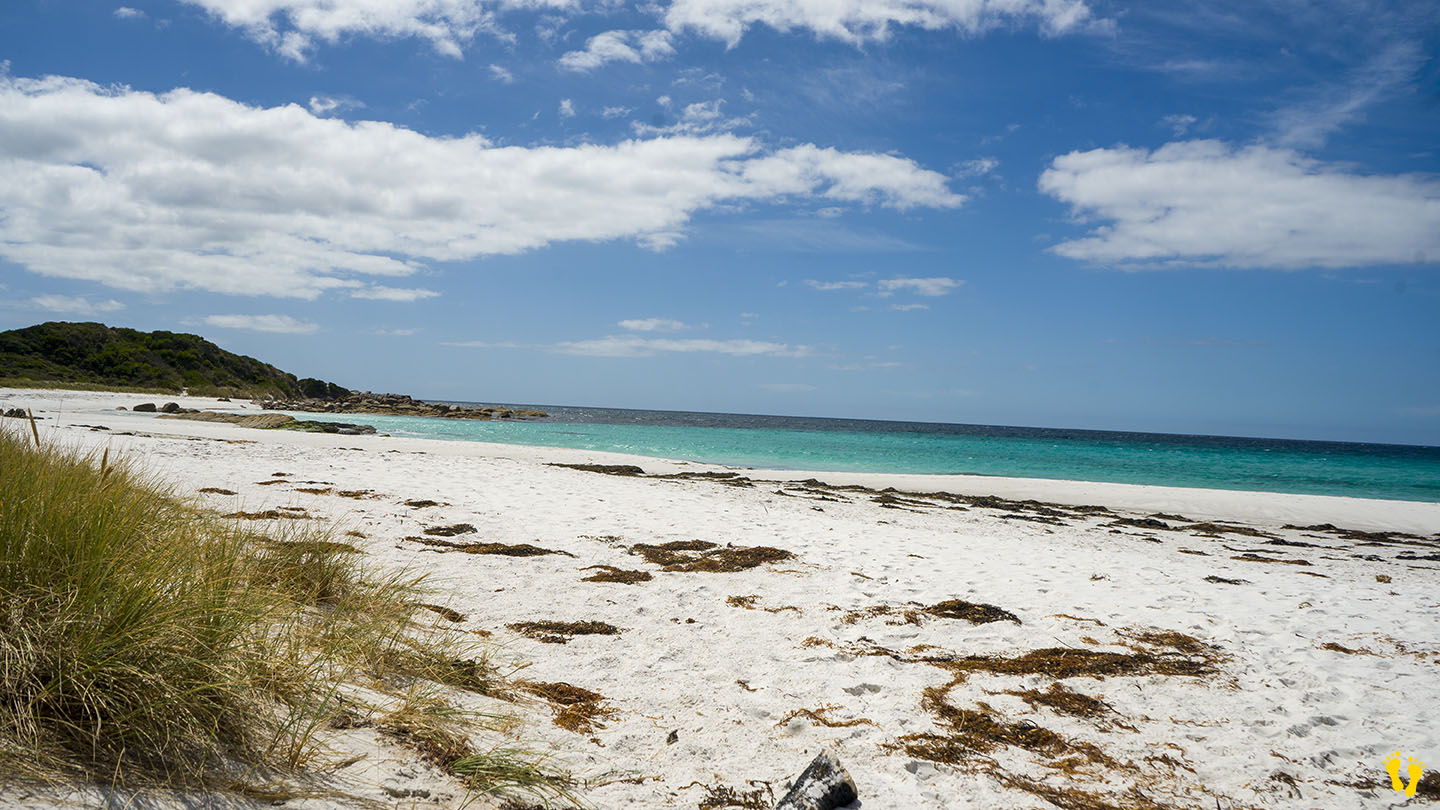
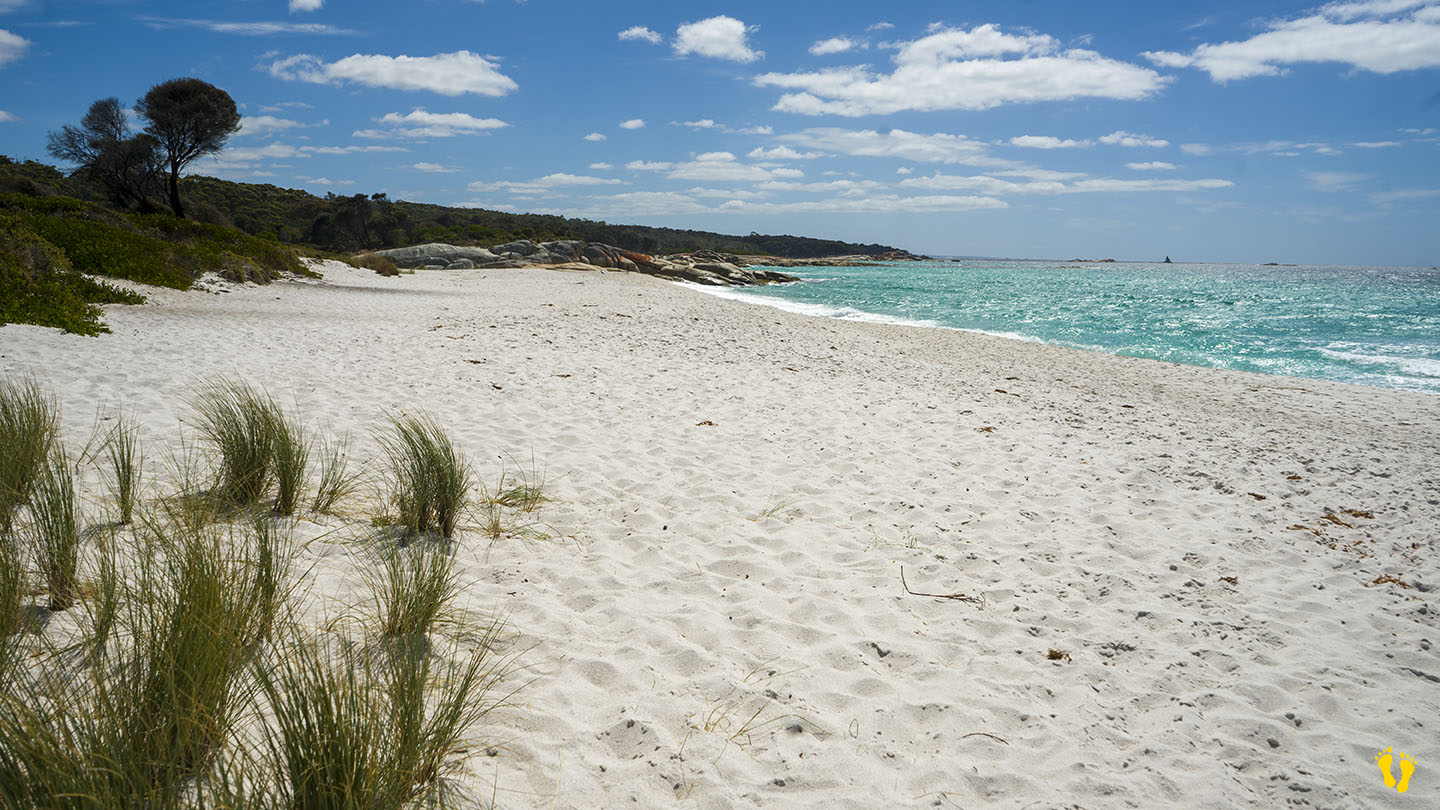
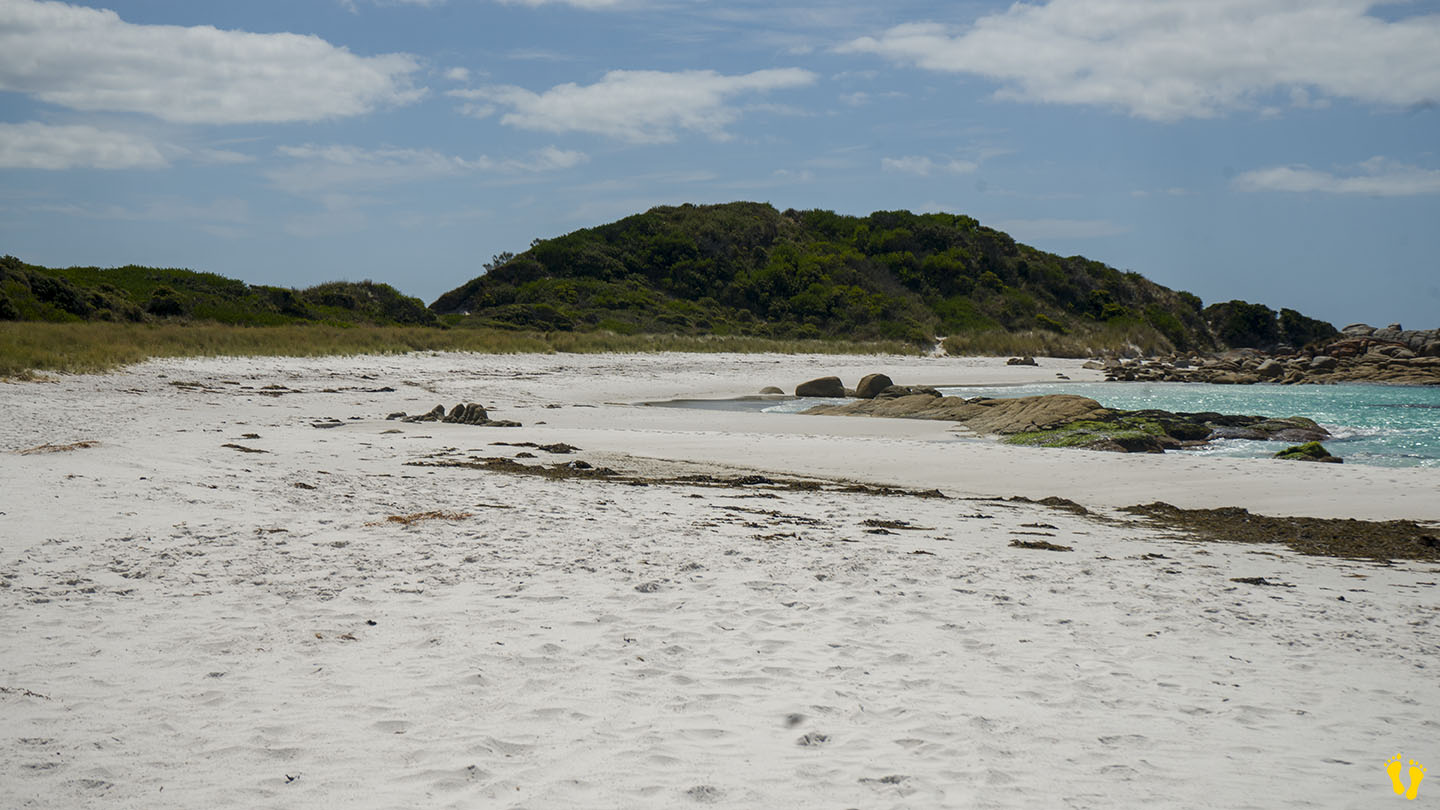
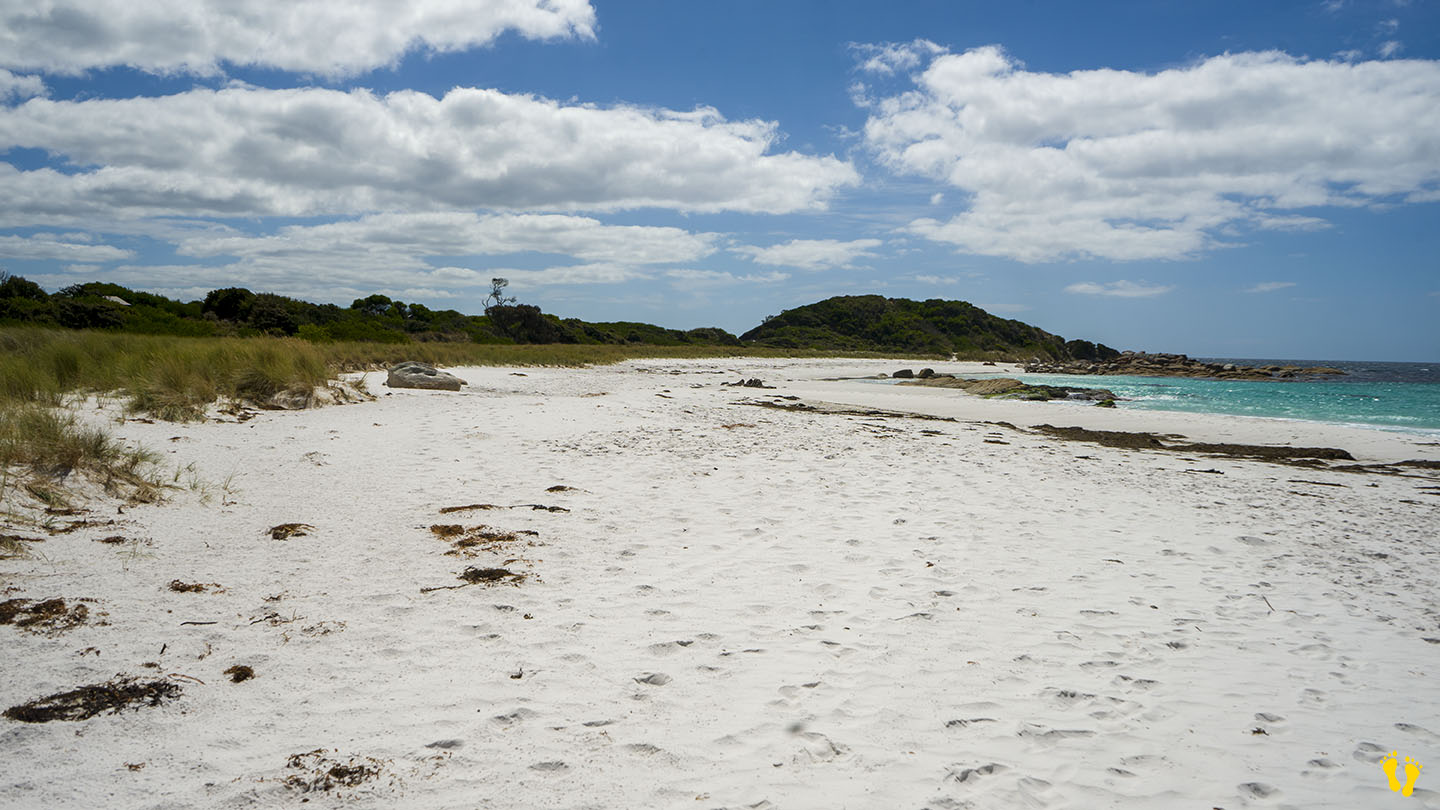
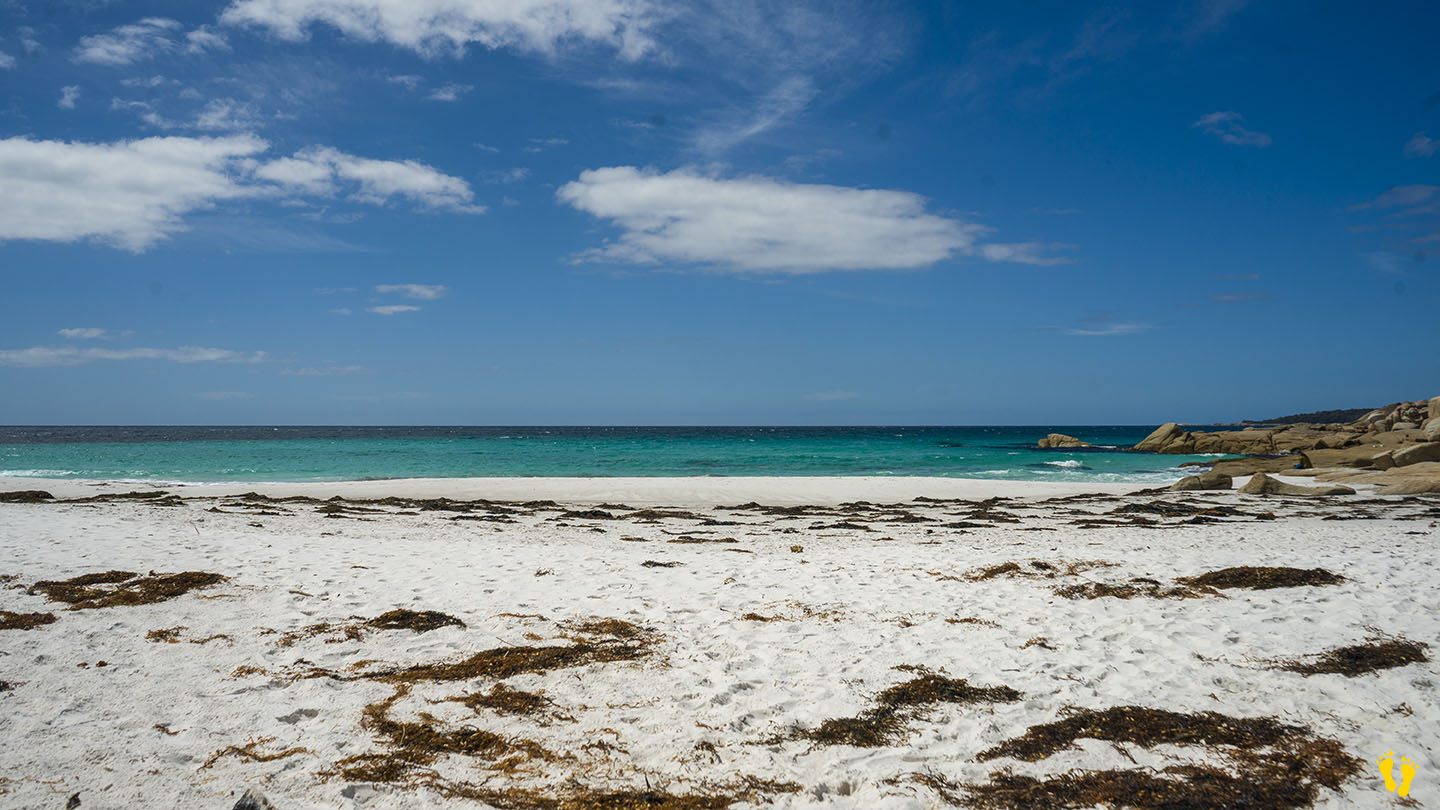
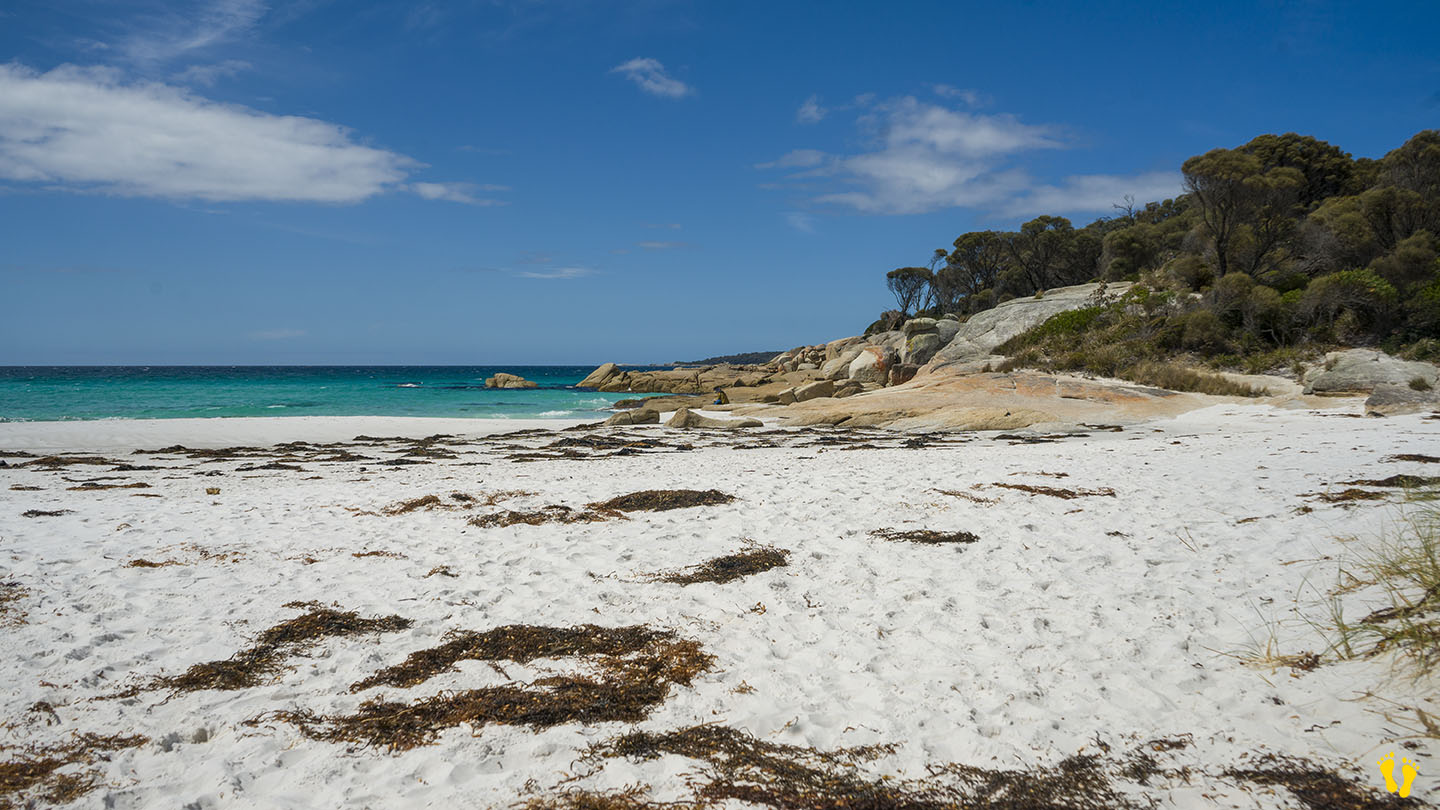
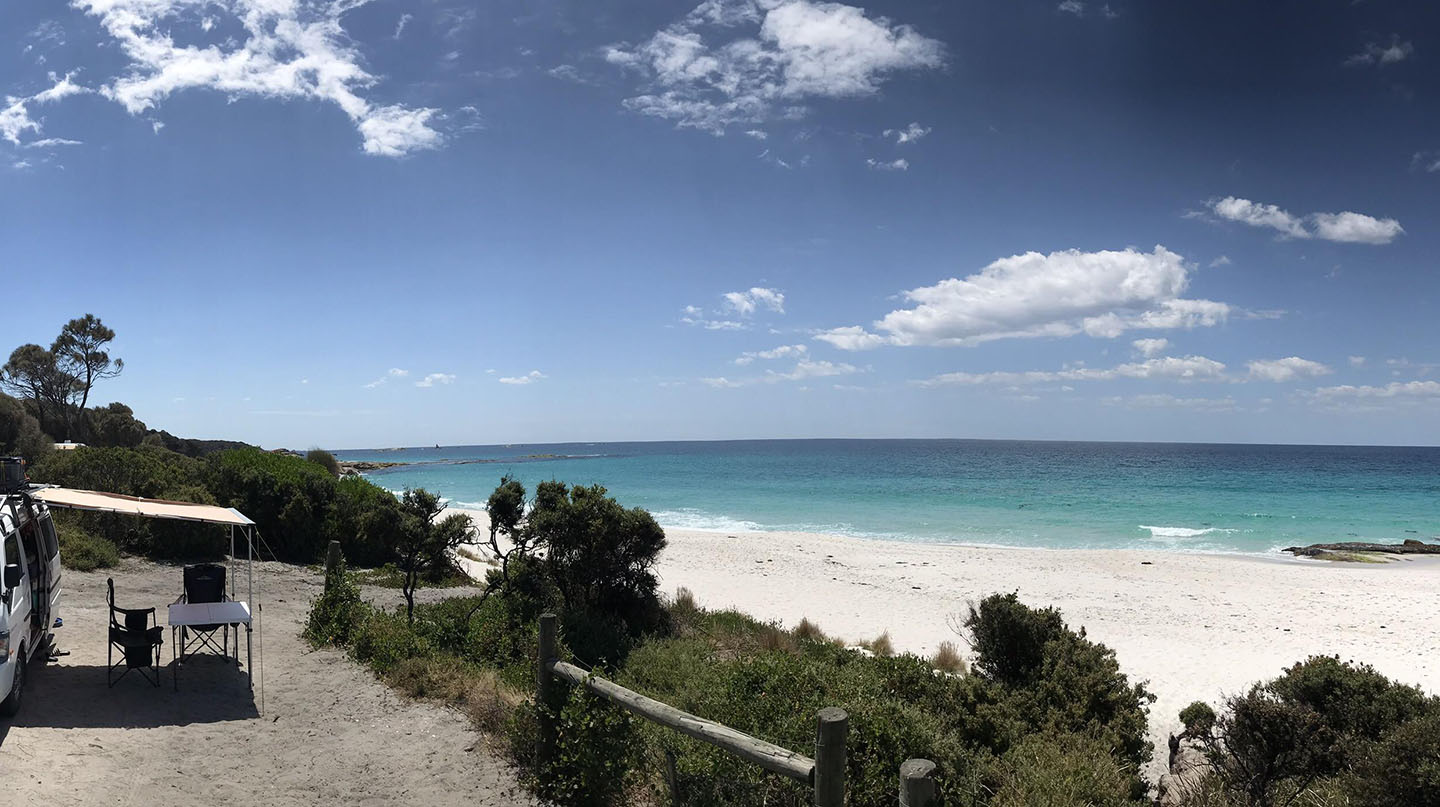
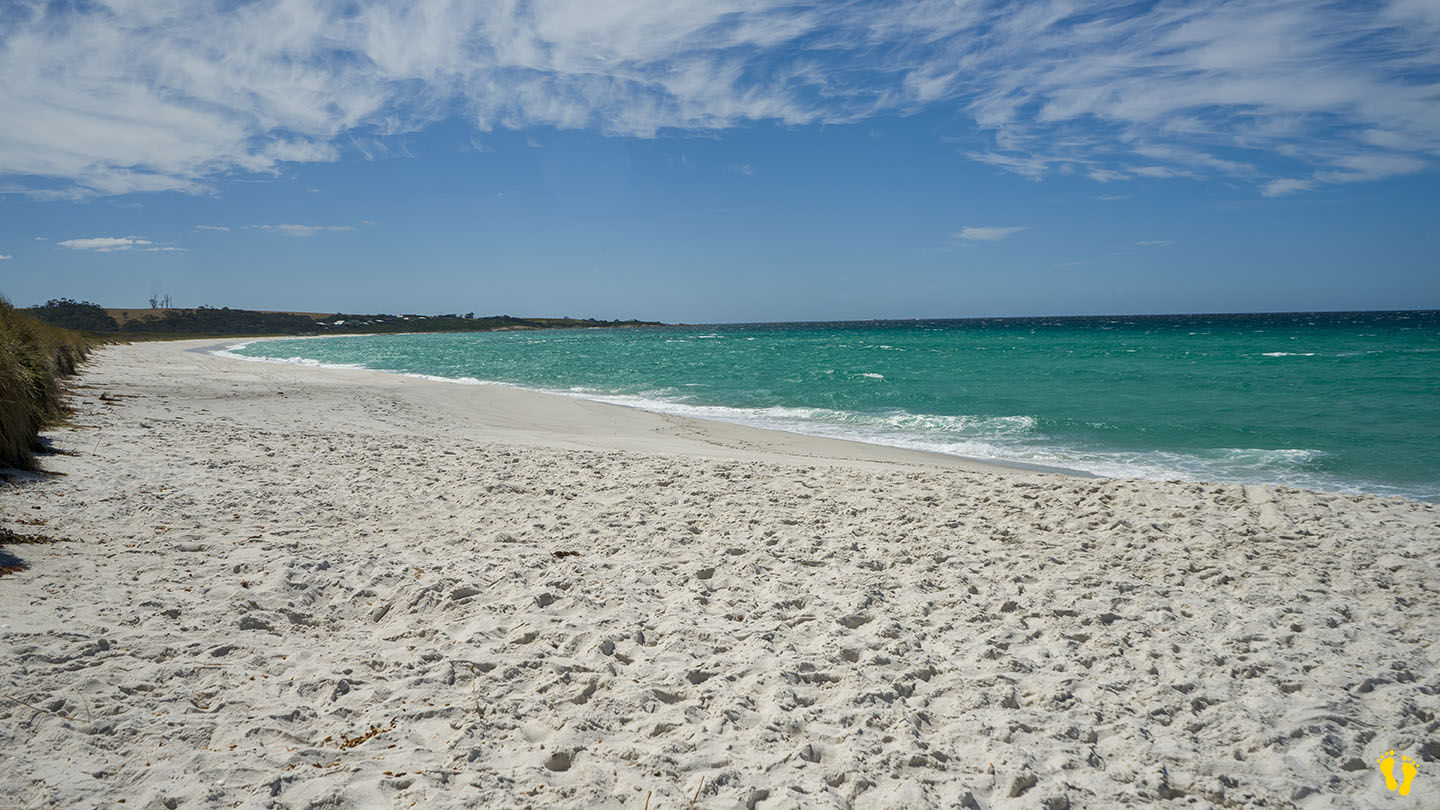
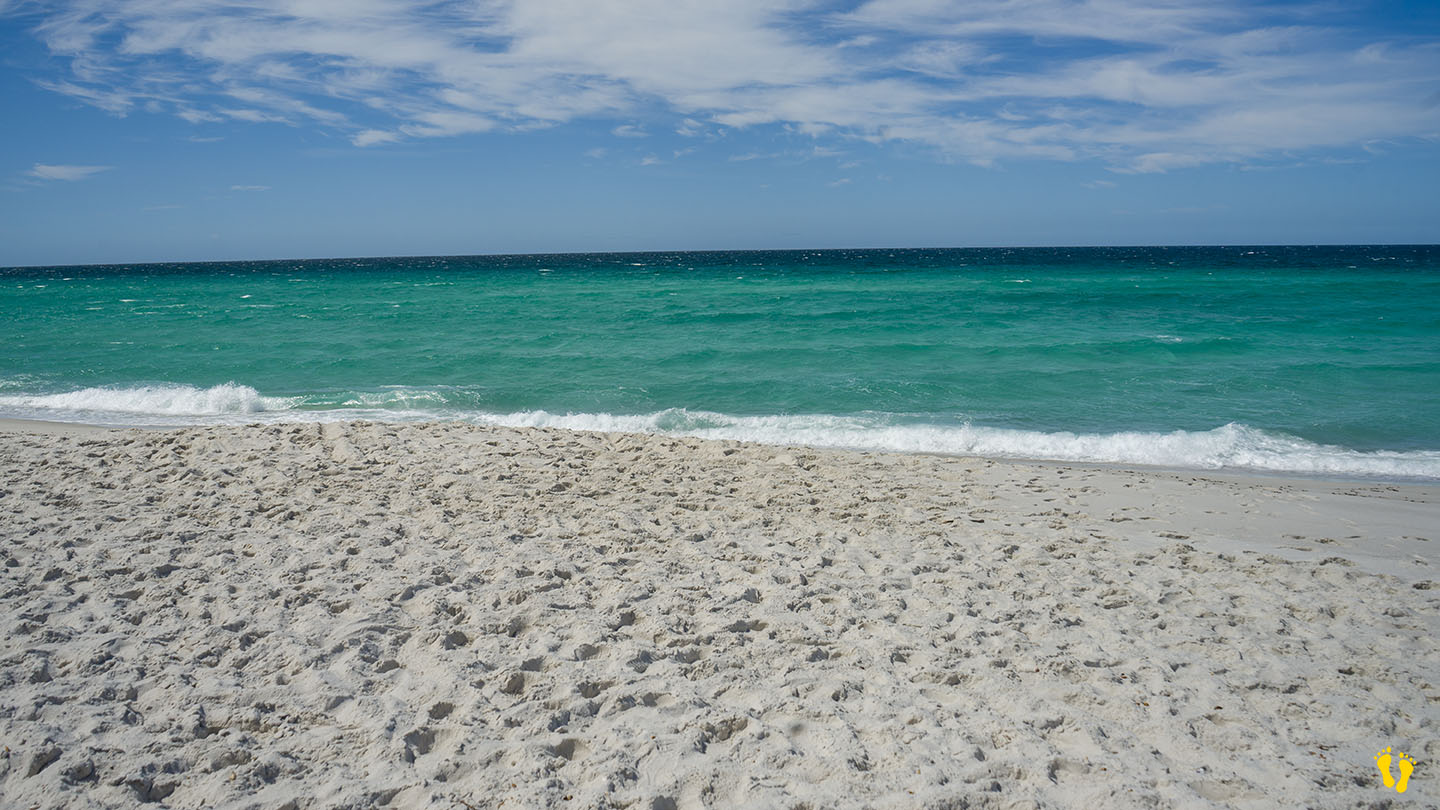
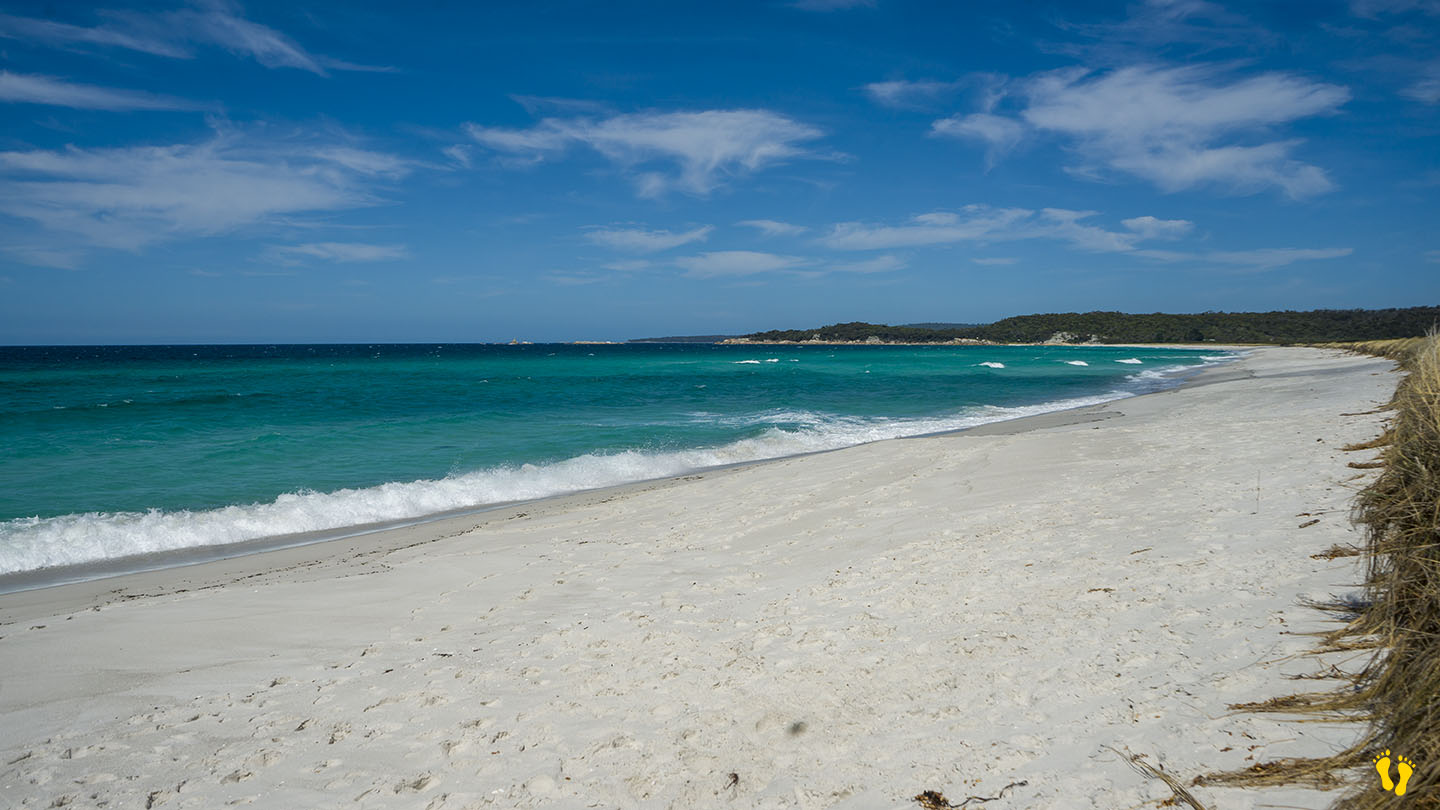
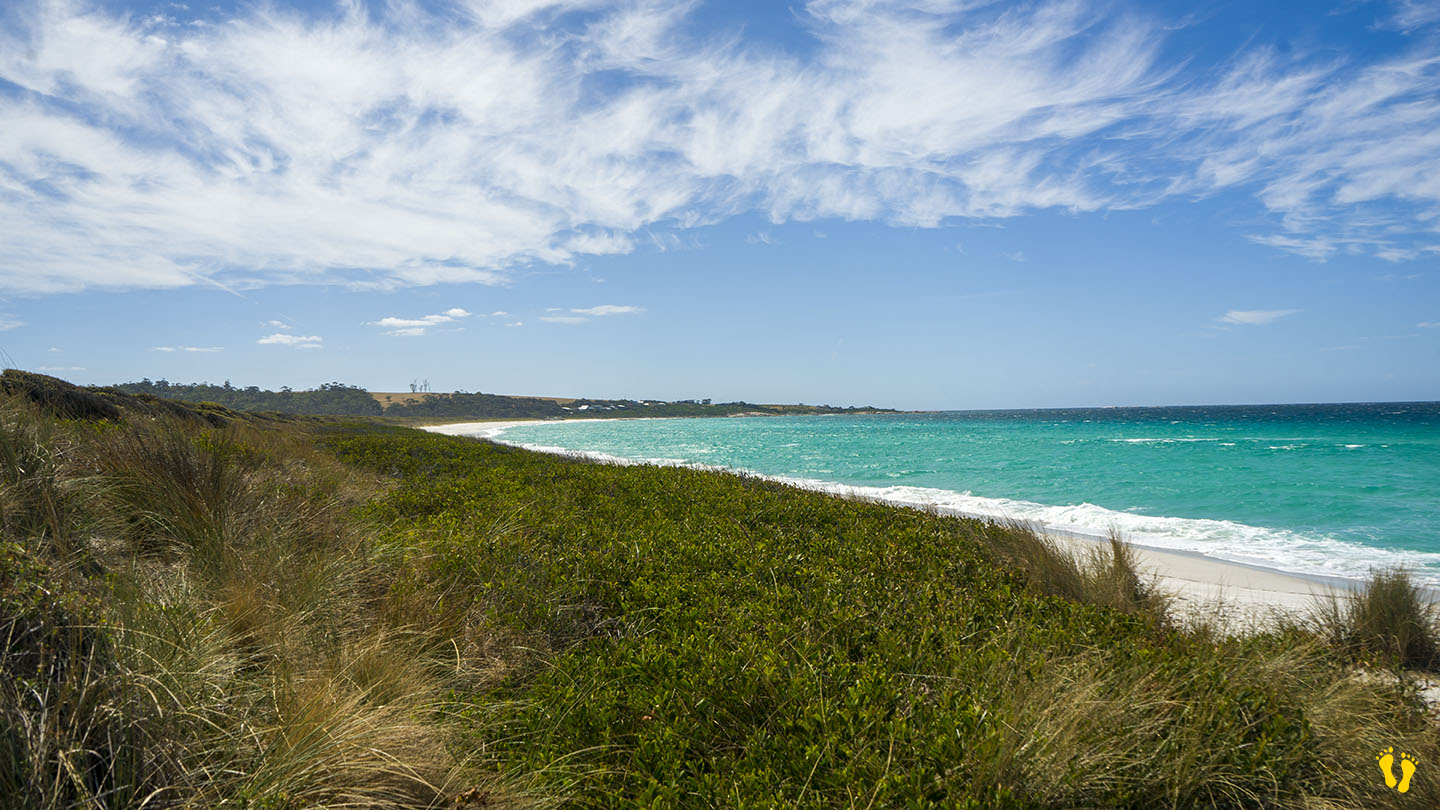
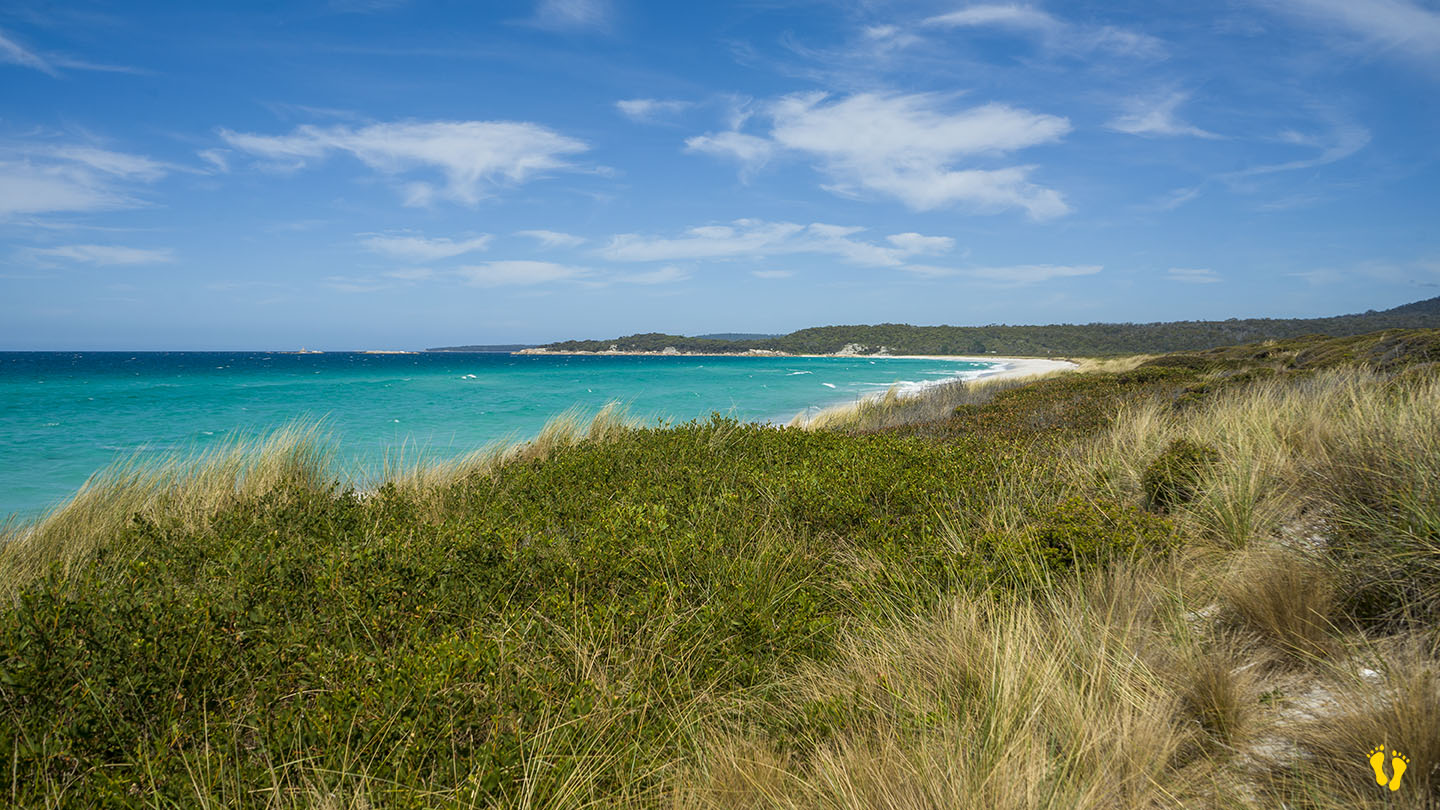
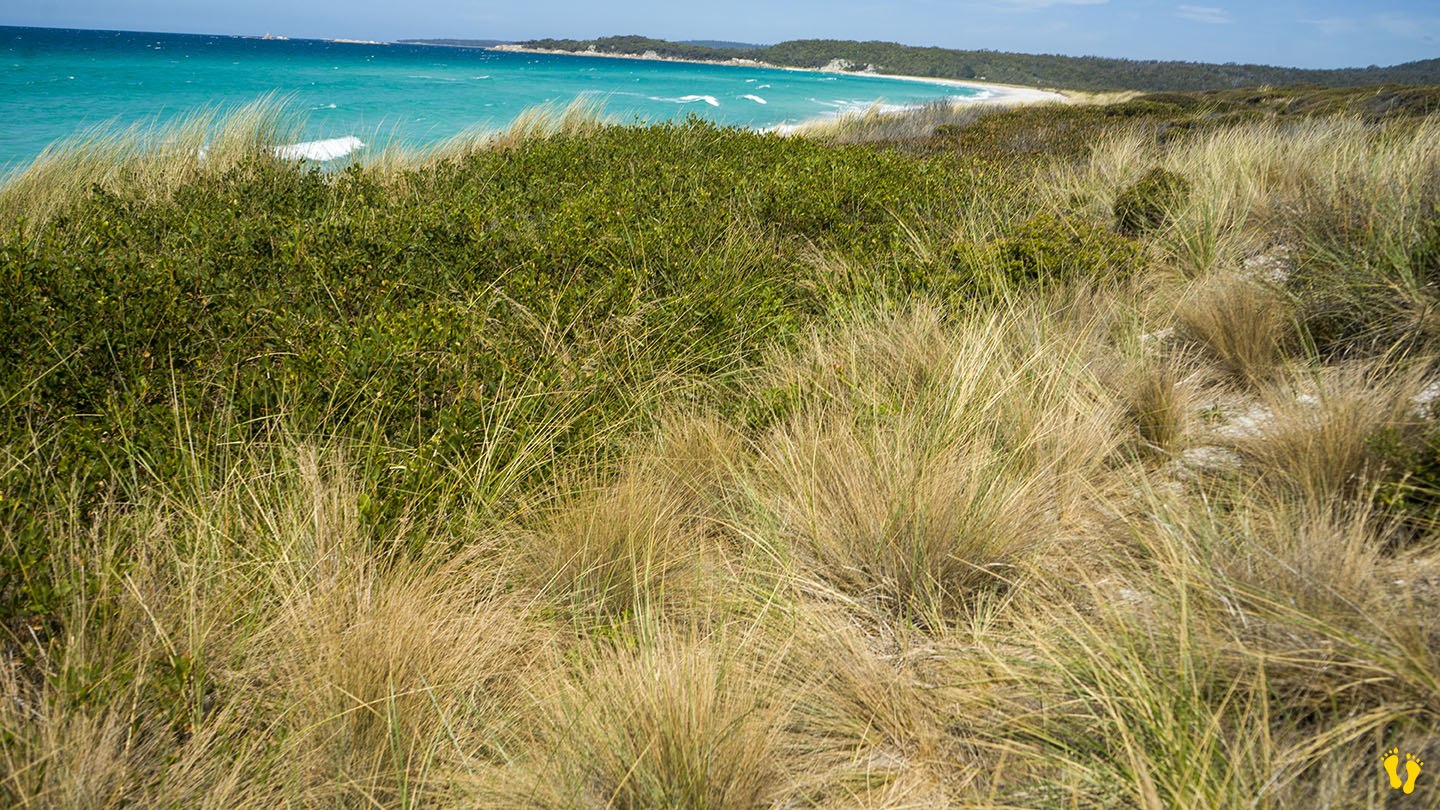
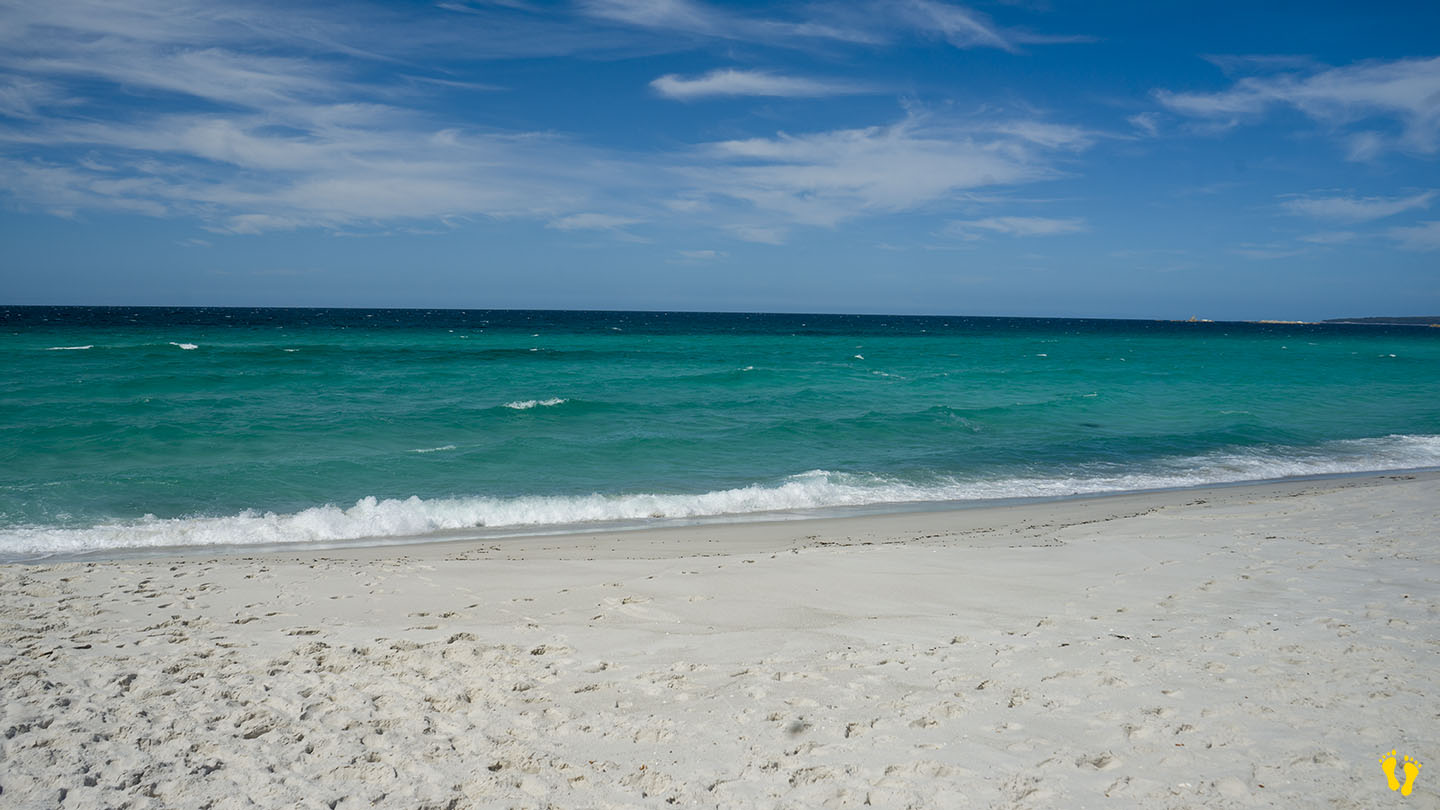
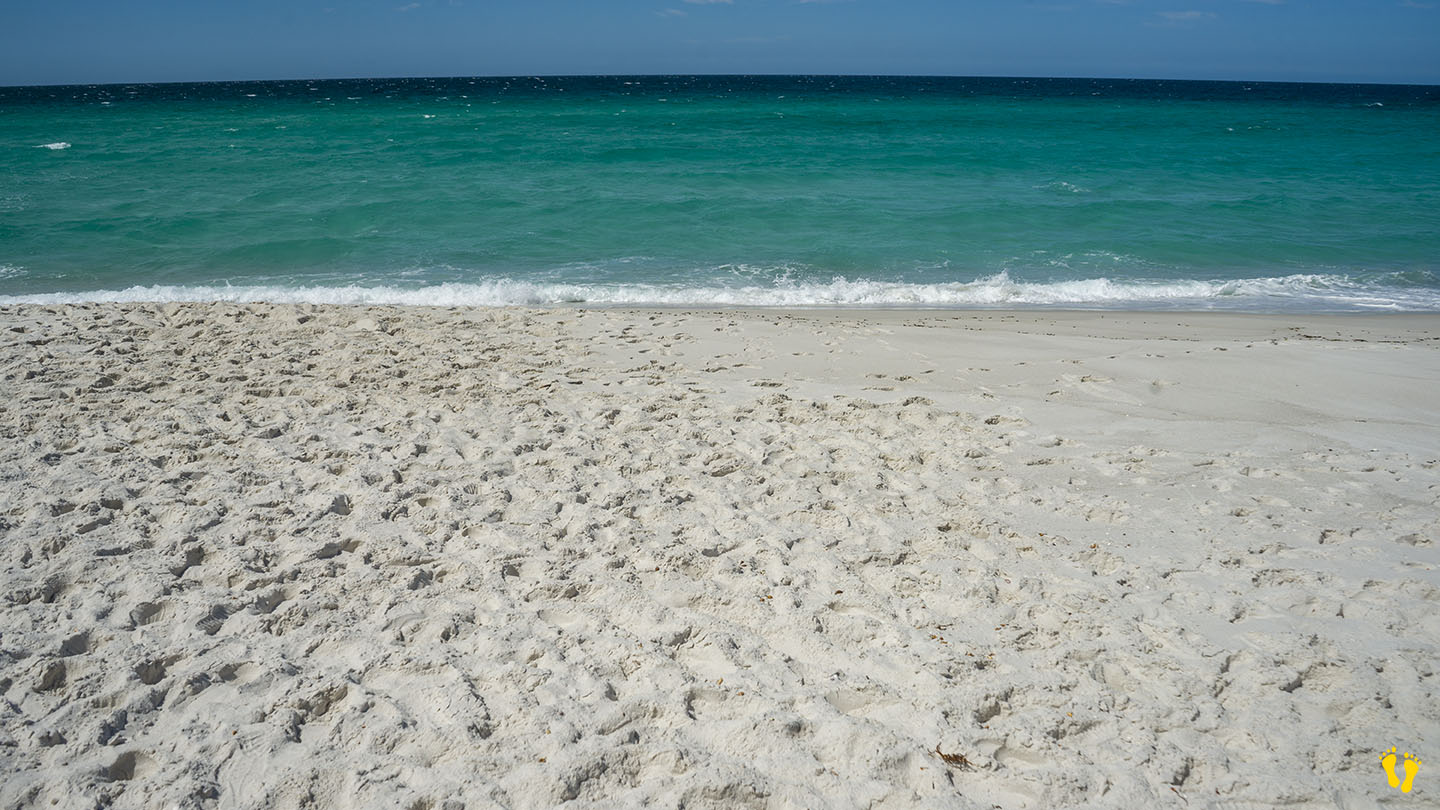
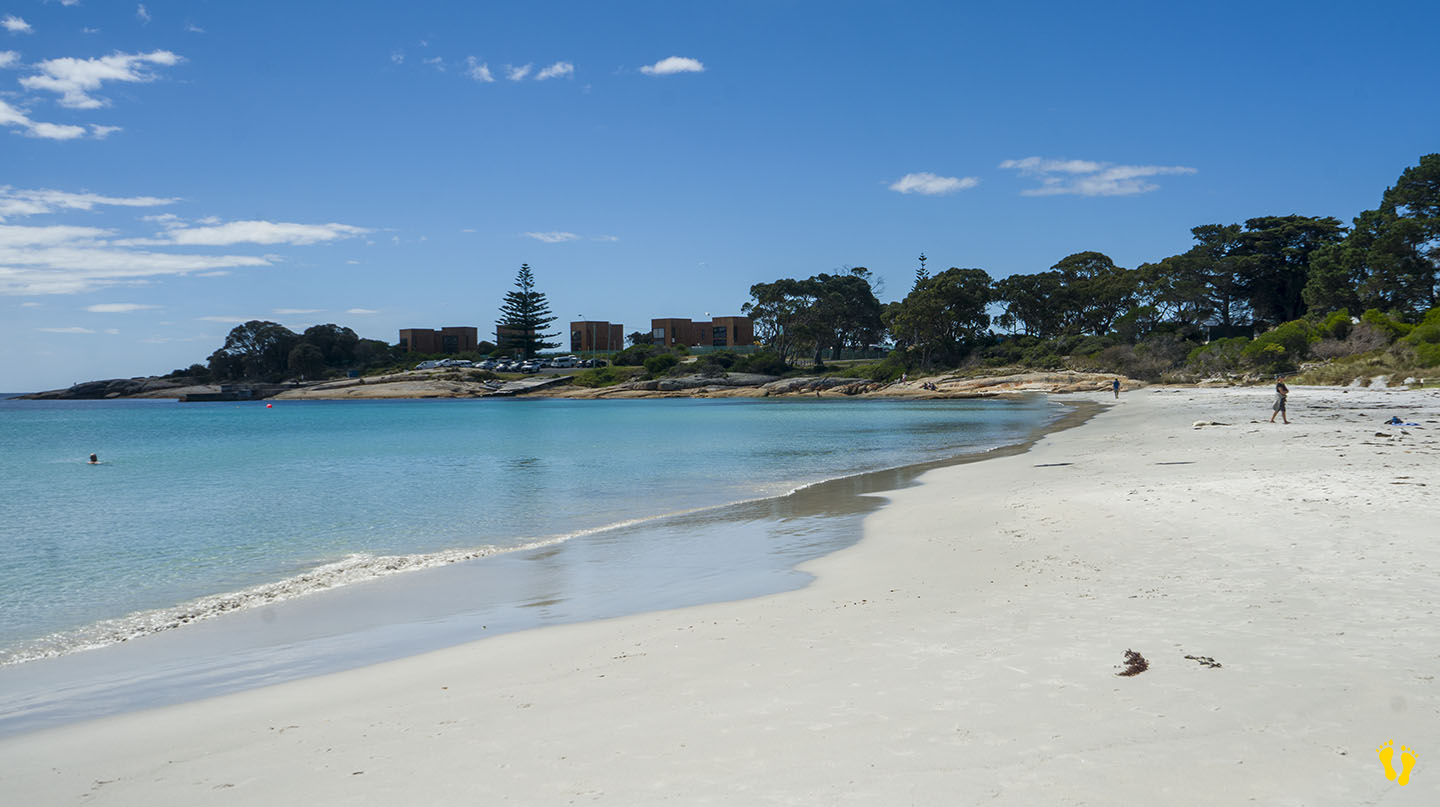
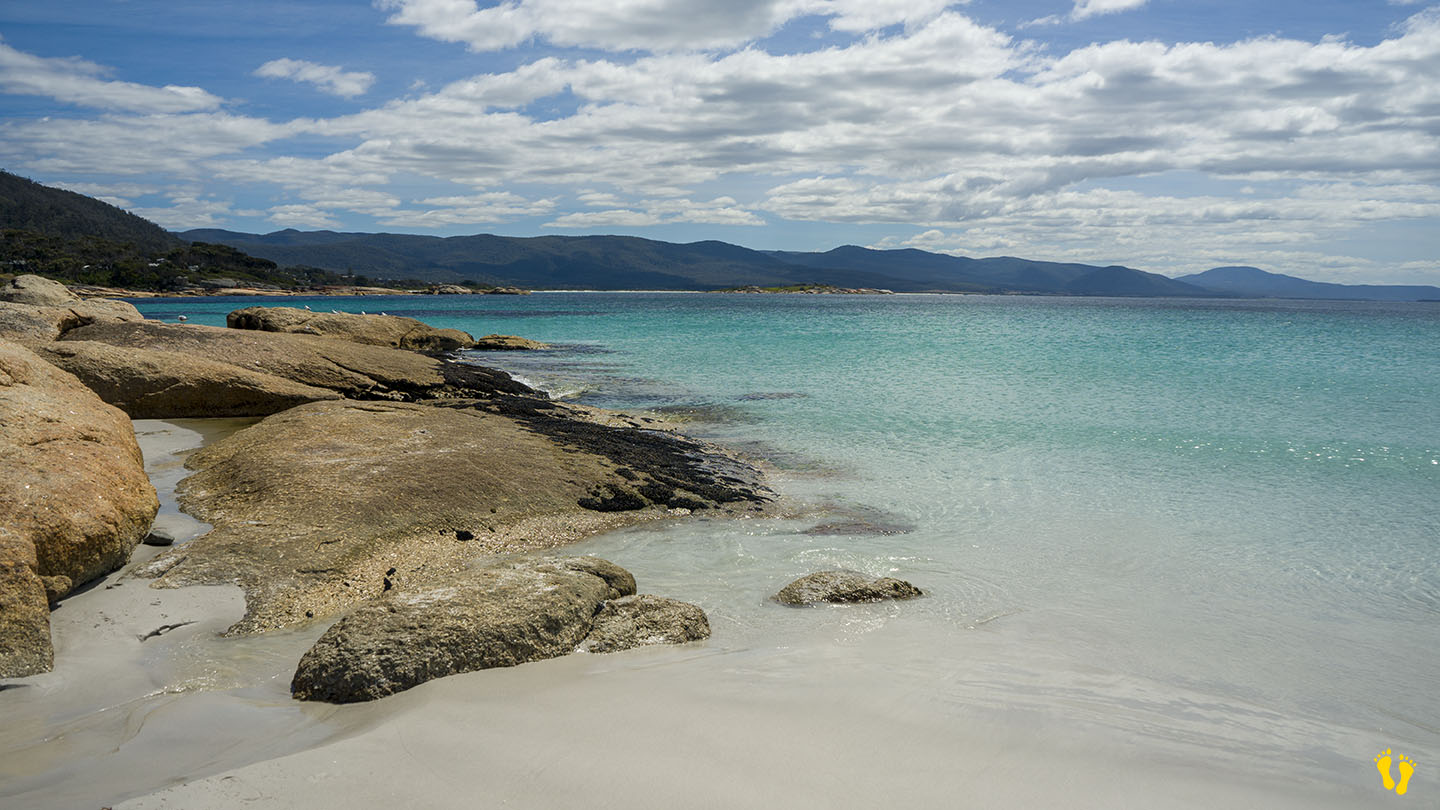
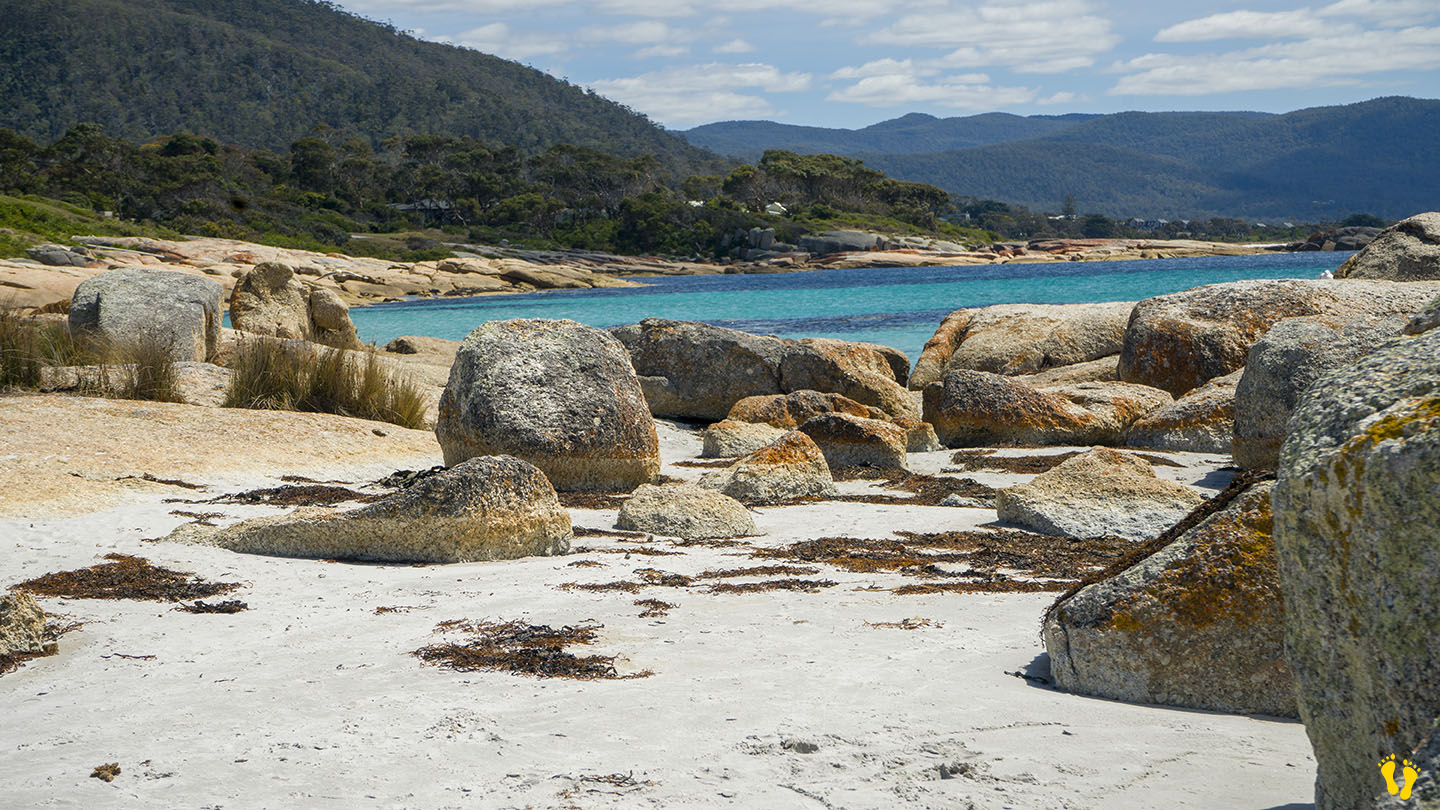
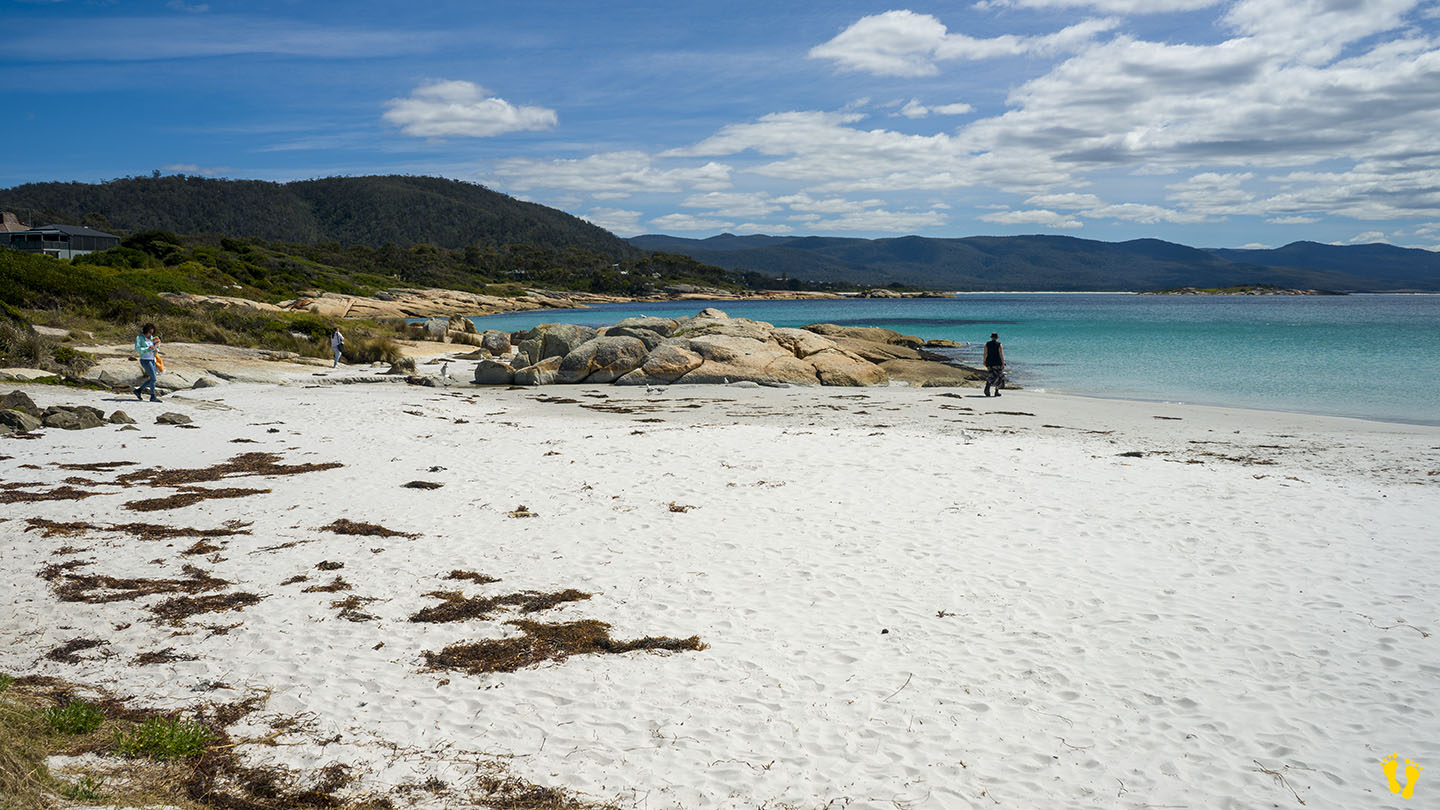
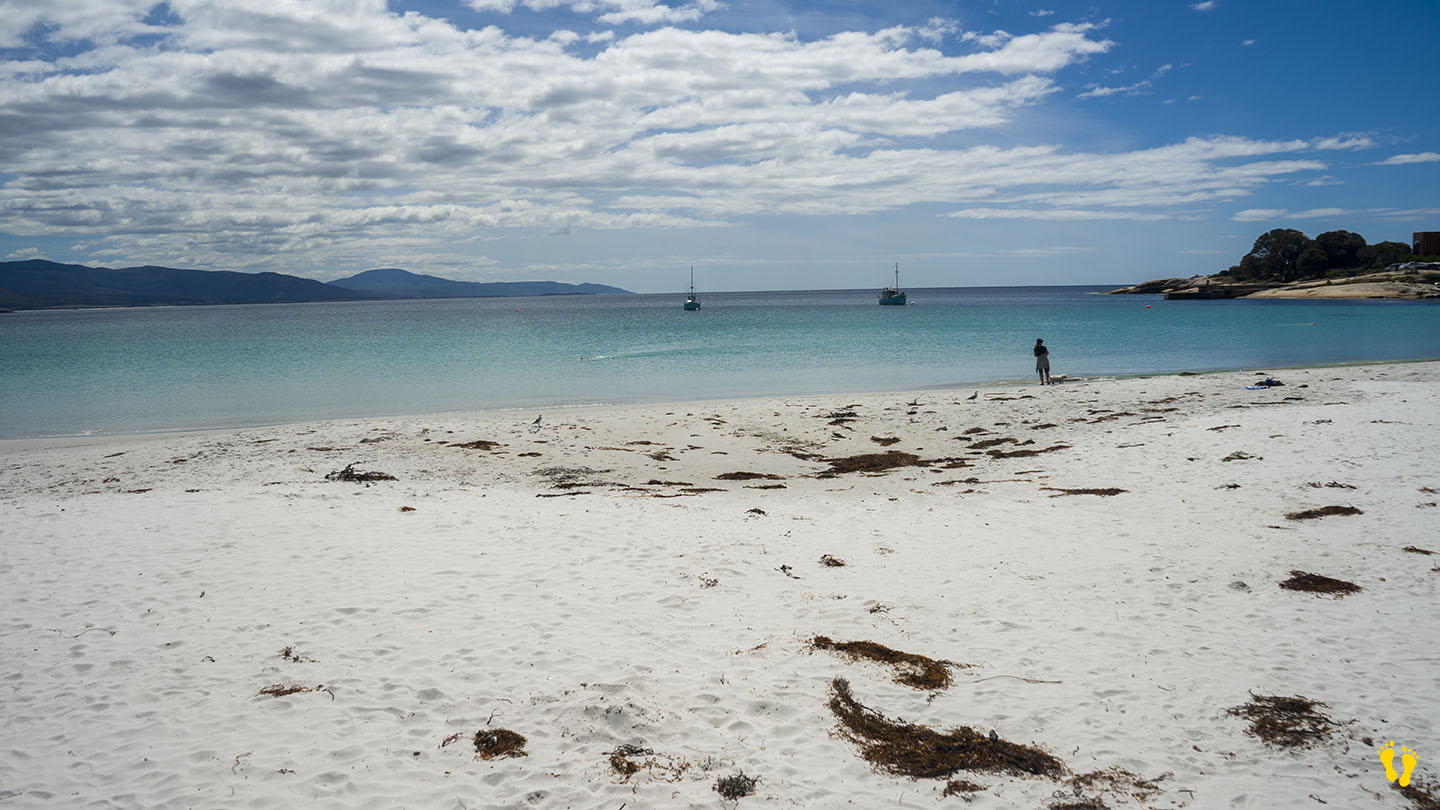
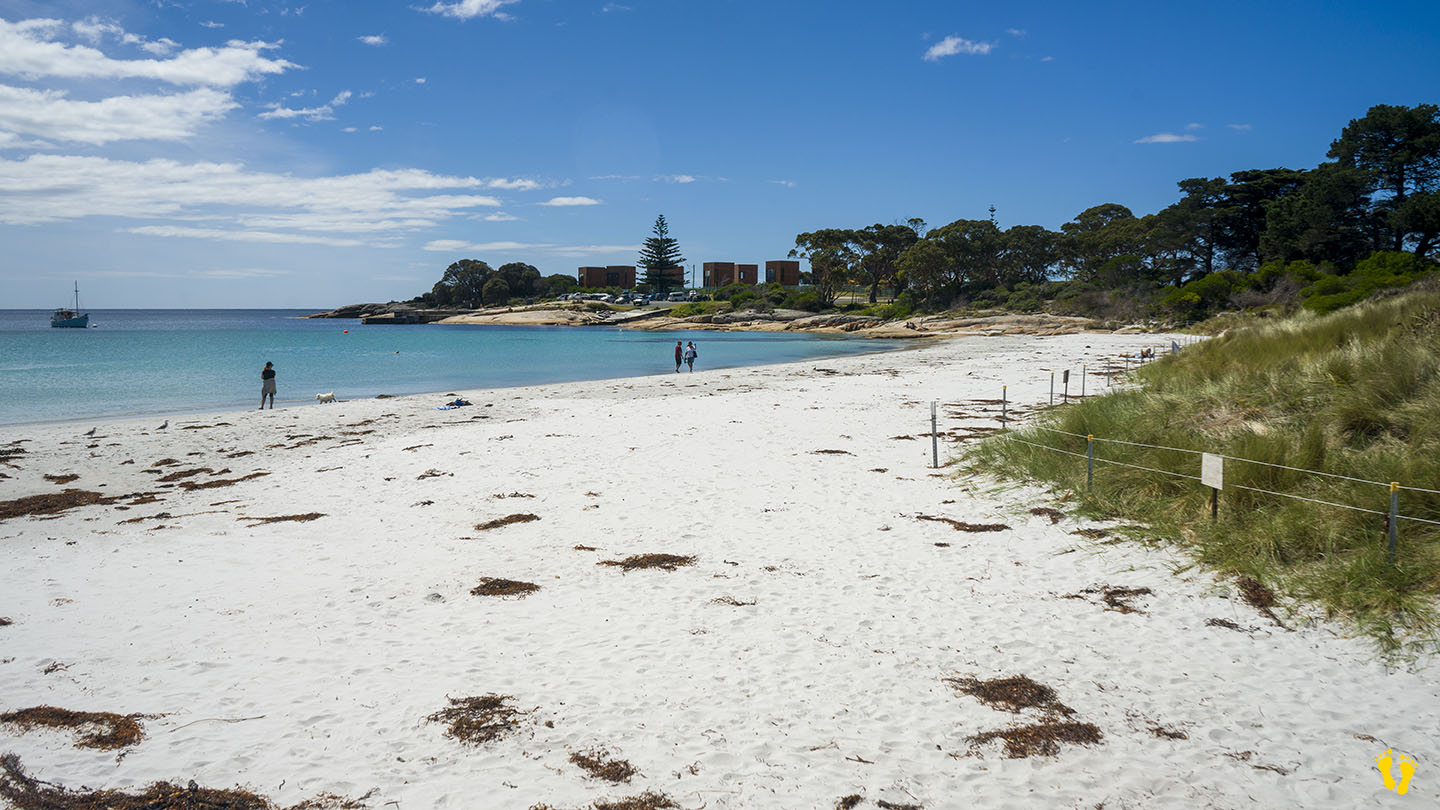
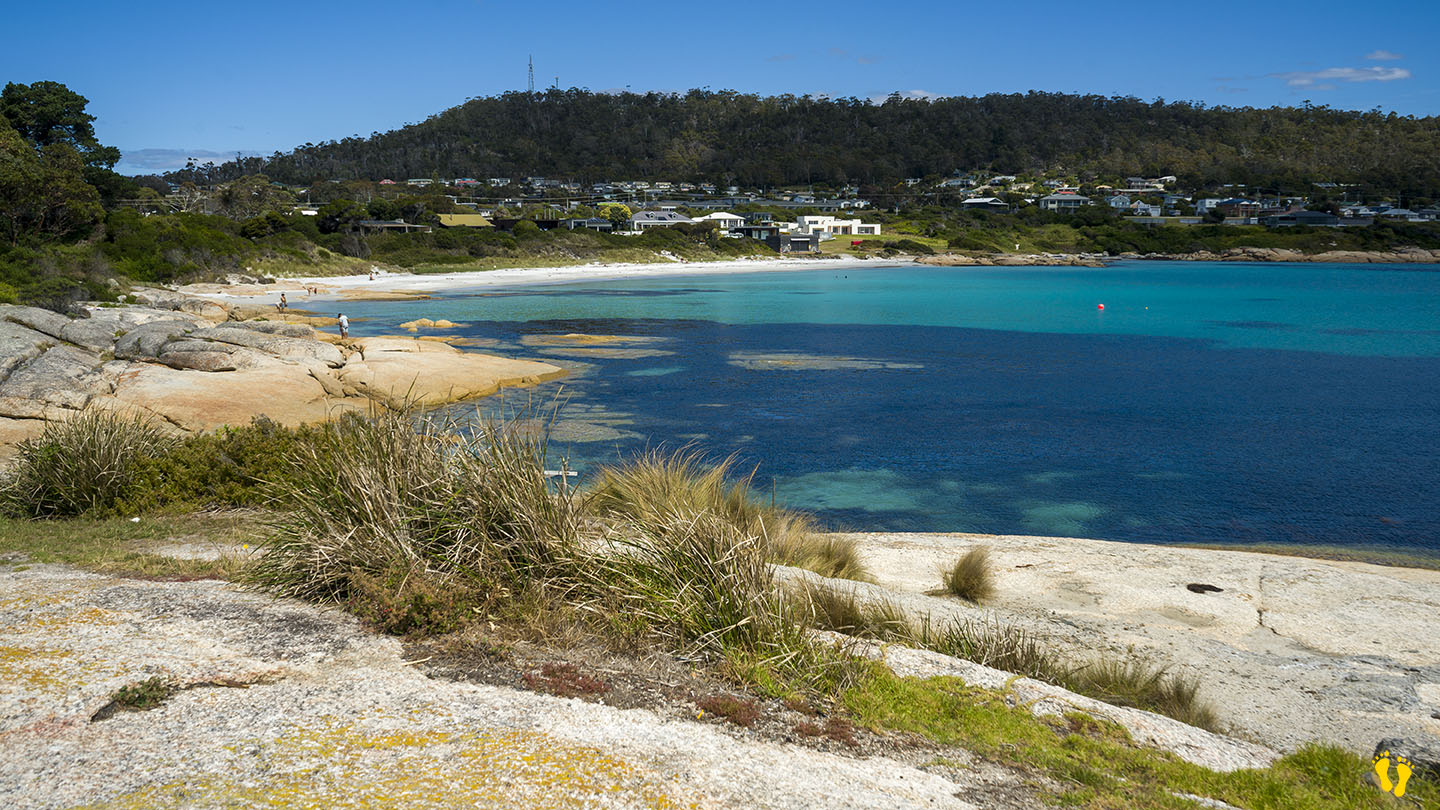
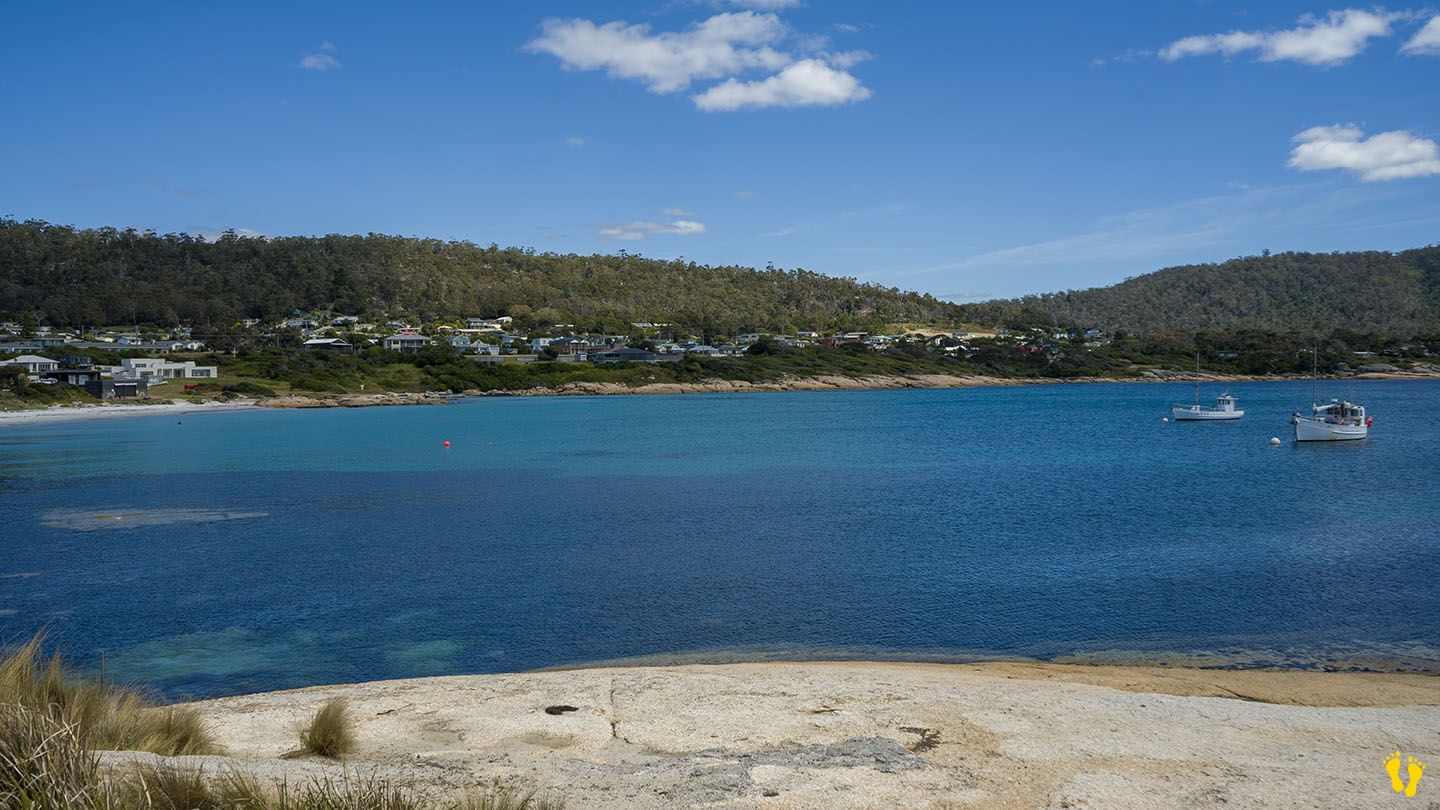
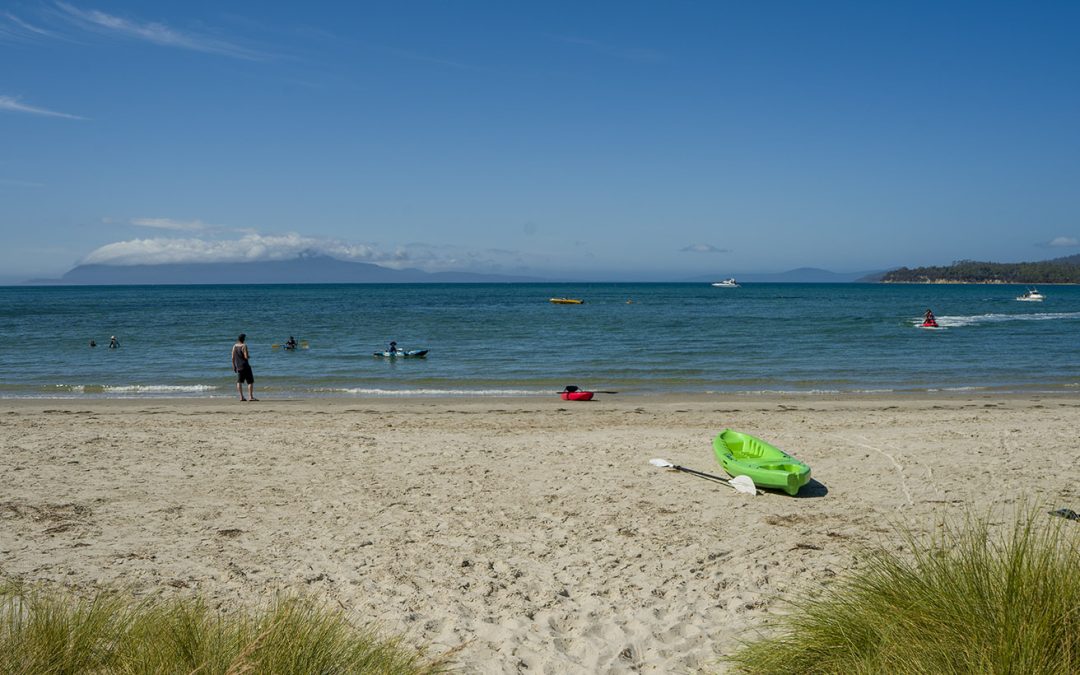
Raspins \ Orford Beach is just north of Orford on the east coast of Tasmania. A great for families, with views of Toarra-Marra-Monah (Maria Island).
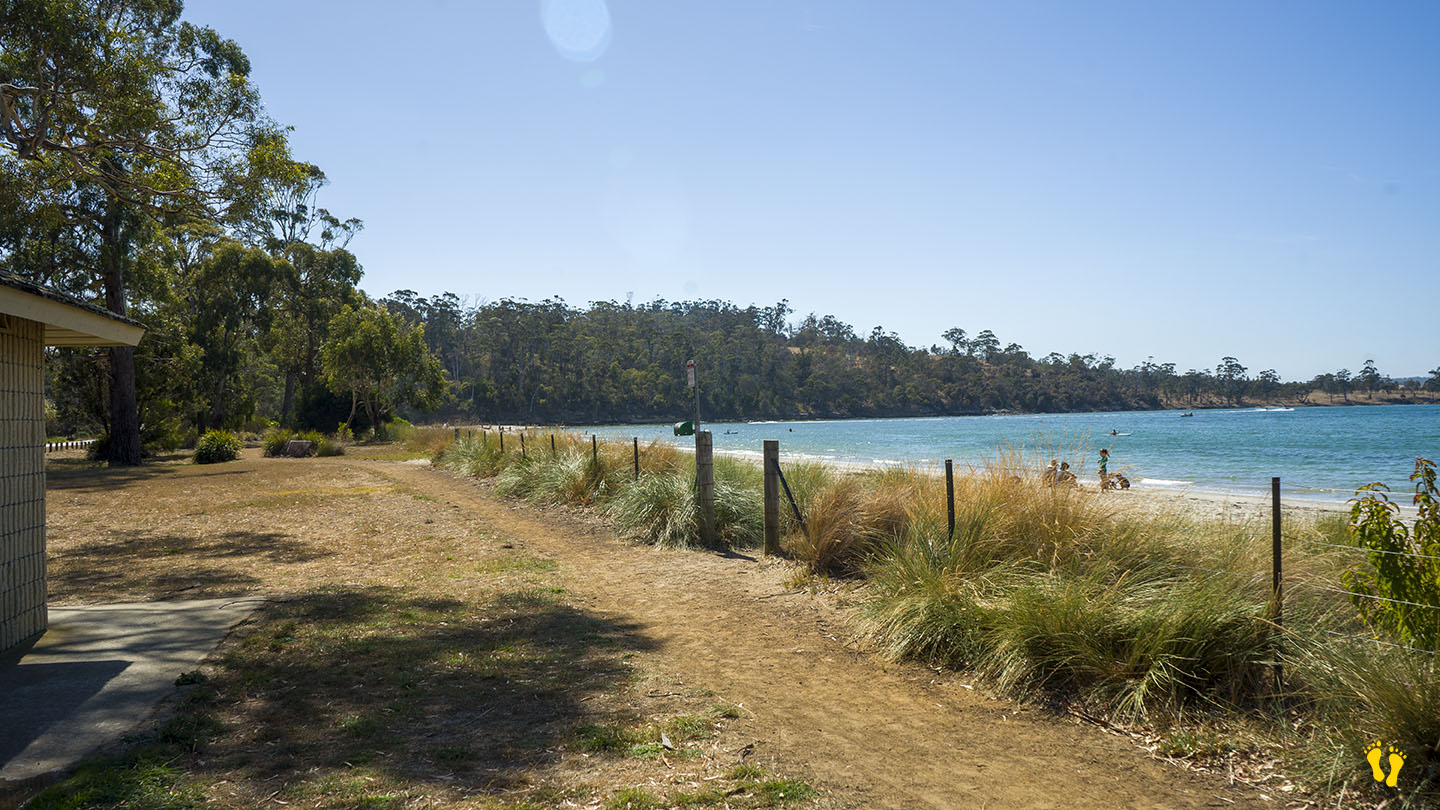
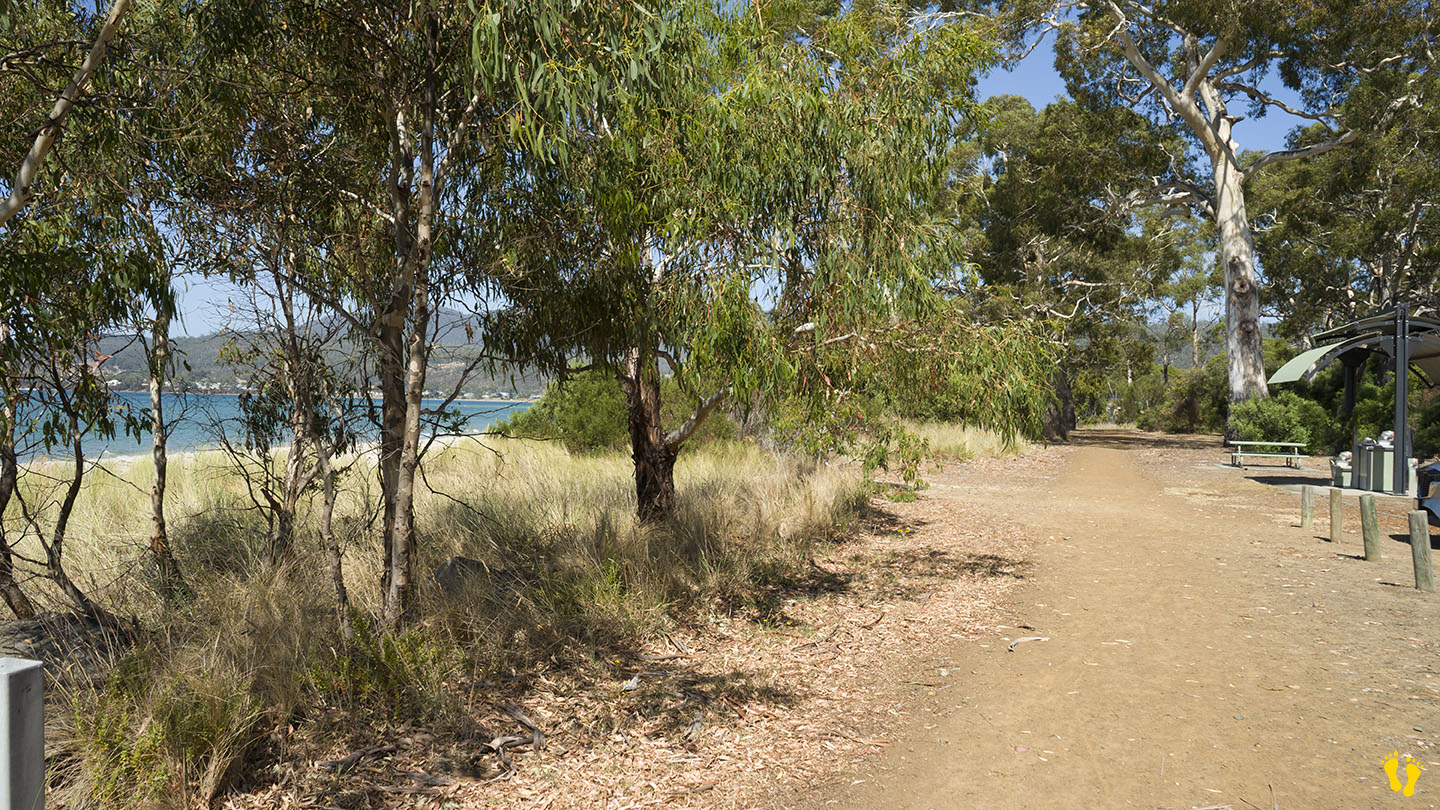
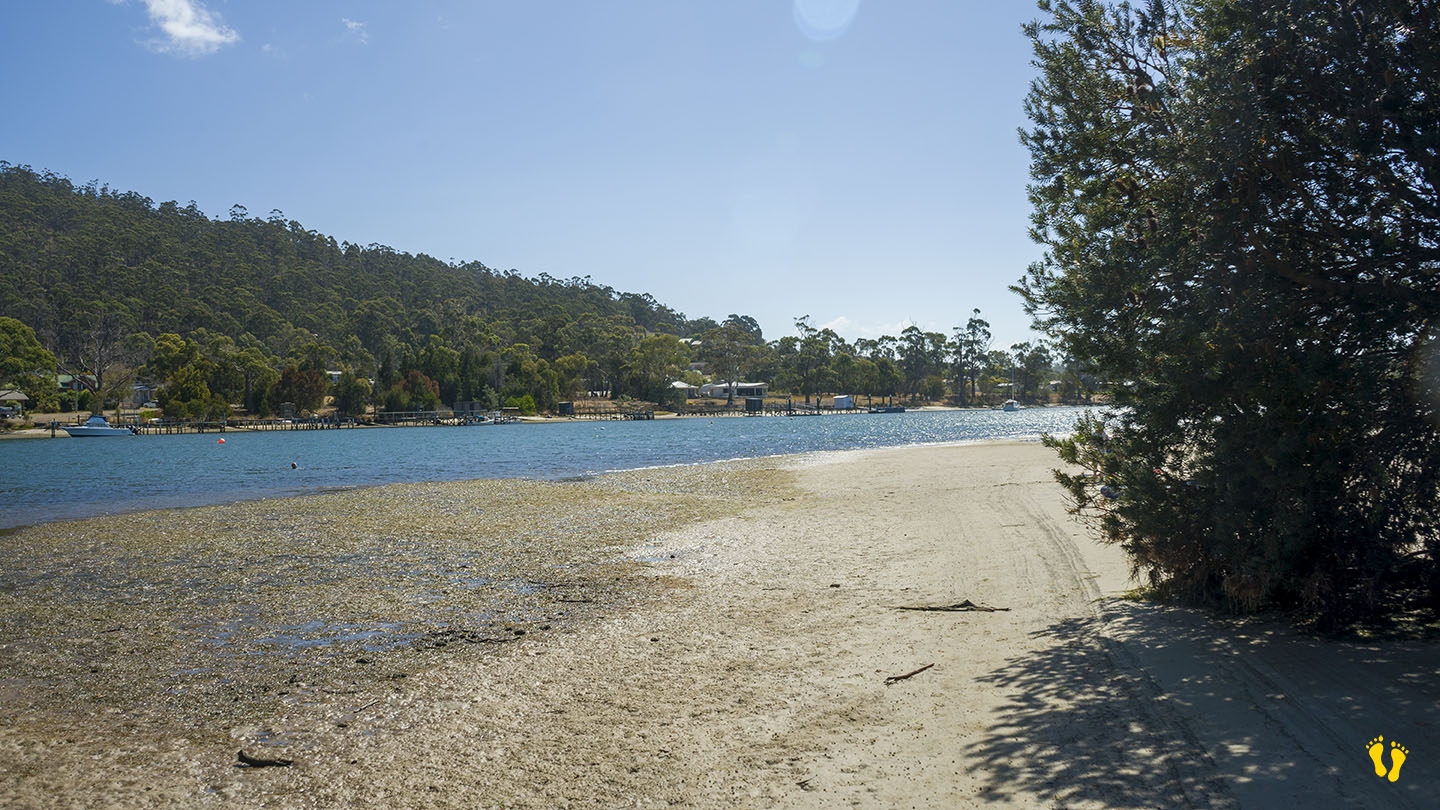
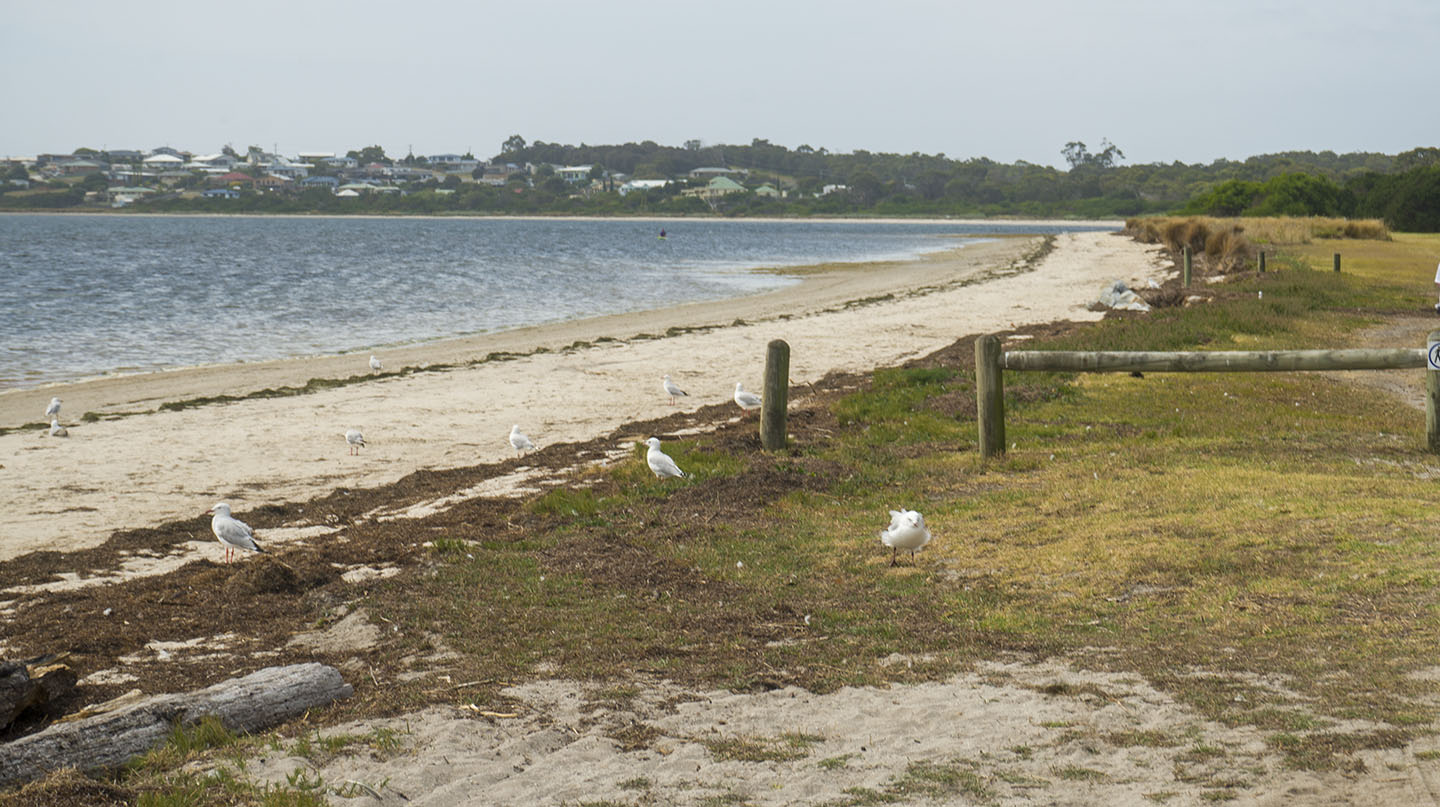
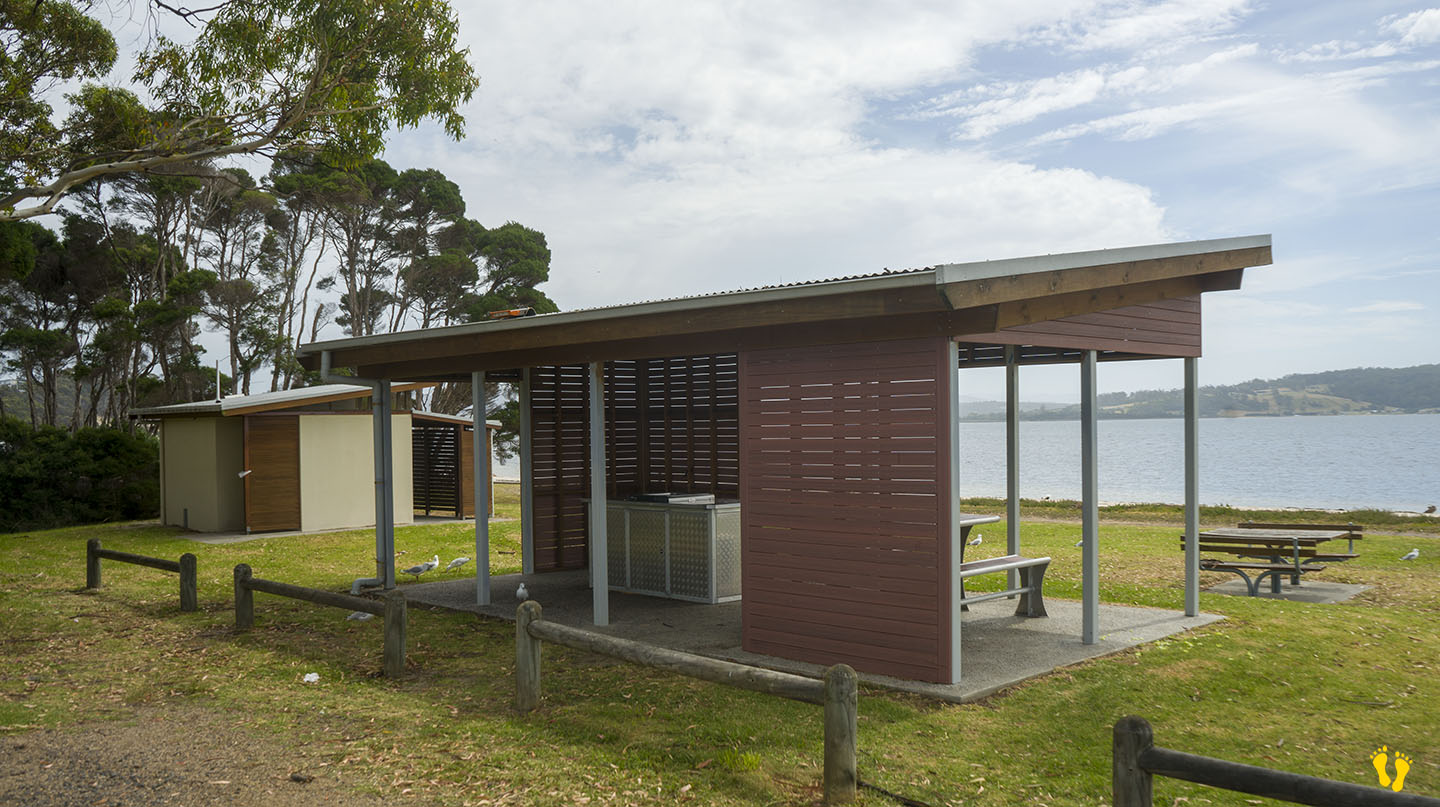
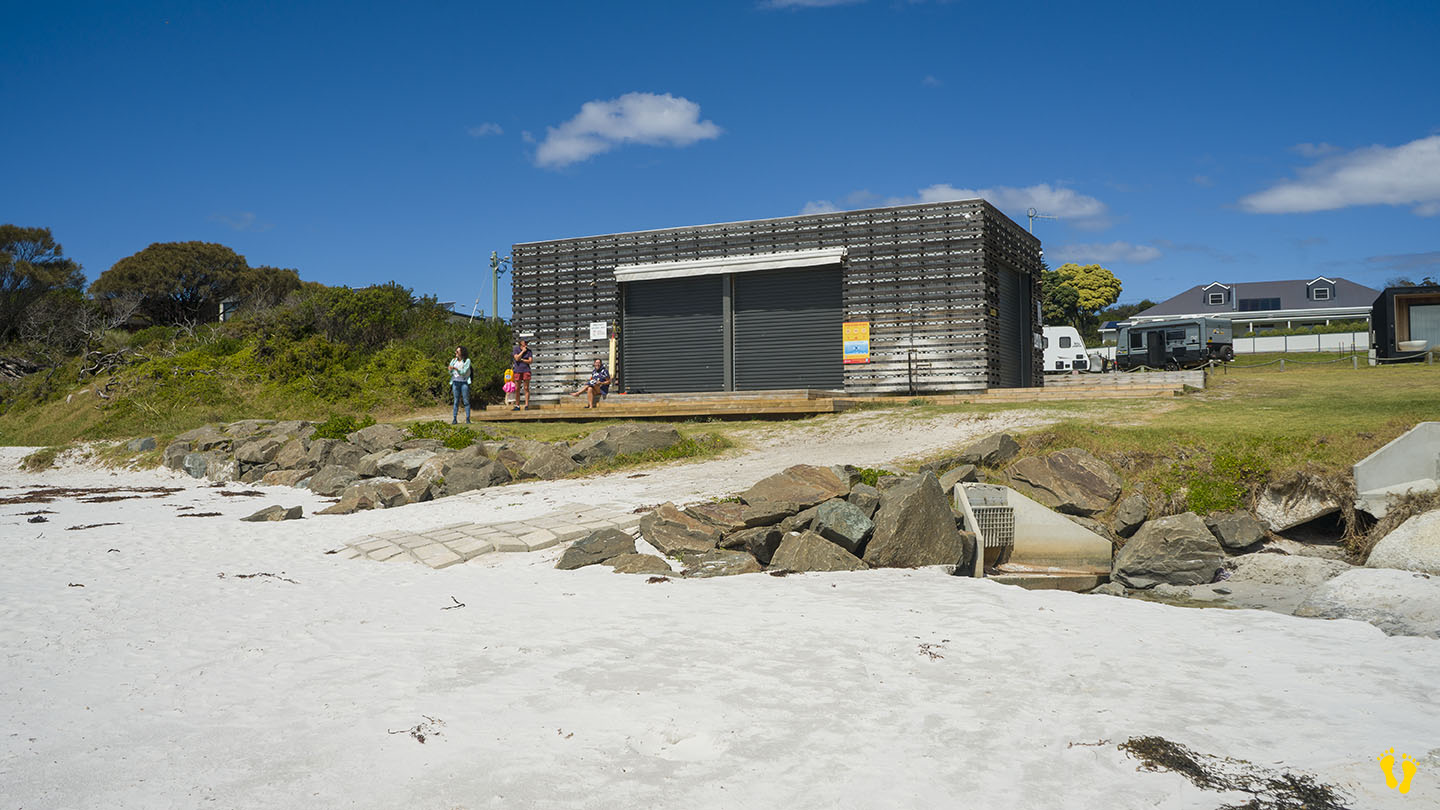
Starting as ‘Raspins Beach’ at the north end and blending into ‘Orford Beach’ at the south end, and then ending at the Prosser Rivermouth. Toilets mid-beach and good parking from several entry points along its length. Alas, although I spent many a summer camping here – that is no more – it is now only a day visit area with BBQ’s, park and walk areas and ideal for a swim or canoe\kayak. If lucky you may see a whale in Prosser Bay.
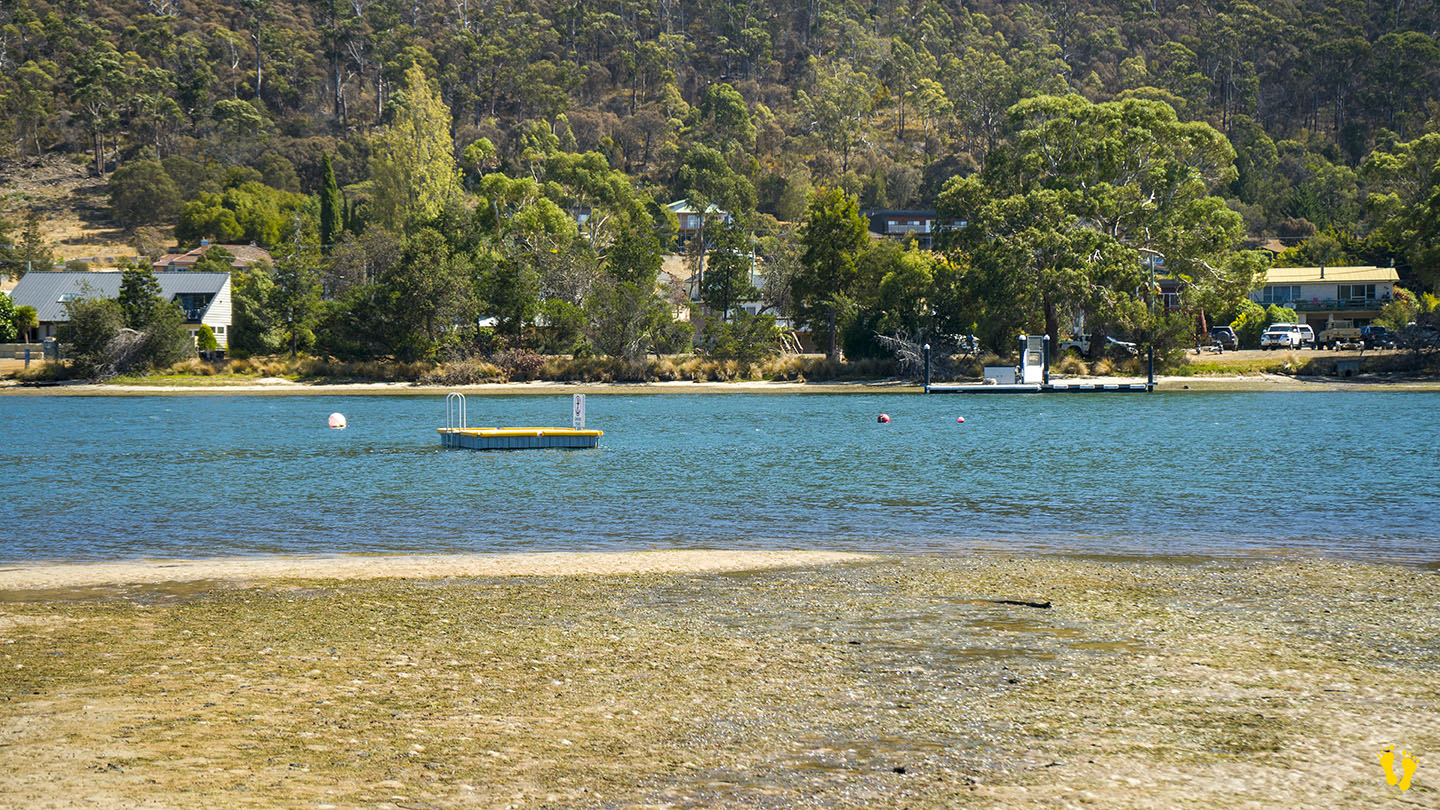
Crossing the bridge to the south and following the Esplanade takes you to another small beach in the Prosser River – not sure what this is called but it is well protected and includes a floating pontoon you can swim to.
Original people: The original inhabitants of the Orford area were the Paredarerme, also known as the Oyster Bay tribe. Historians estimate that they were the largest of the Tasmanian tribes. They tended to migrate inland during the warmer months but stayed on the coast in autumn and winter.
Orford comes from an English name made up of Old English – ‘ora’ (river bank) and ‘ford’ (river crossing), named after the Earl Orford.
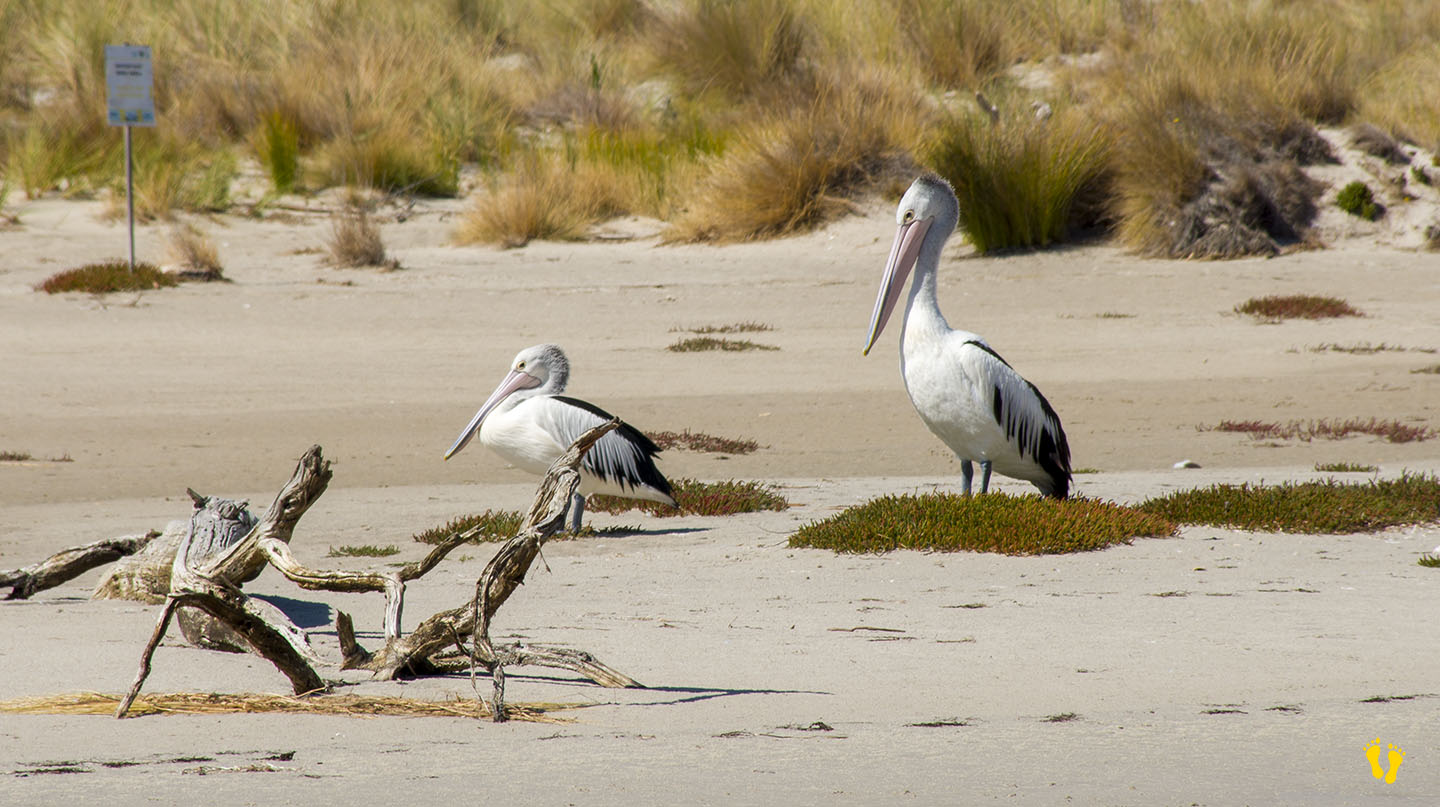
Originally named ‘North Beach’ it was renamed ‘Raspins Beach’ after a family who owned a farm opposite the beach. The farm was sold to become the golf club in 1957. Areas of the beach to the south are being regenerated and protected to encourage bird and fauna life including a bird sanctuary.

by Mickey Jarvis | Mar 11, 2024 | East Coast
Near: Orford | Hazard Rating: 3/10 | Parking: Good + close | from Hobart: 92 km | Faces: NE into Carrickfergus Bay | Length: 4 km
Original people: Paredarerme (Oyster Bay) tribe
Rheban is 12 km south of Orford on the east coast of Tasmania, the last few kilometres on a good dirt road. Named after an Irish castle.
A wonderful sweeping beach that wraps around a headland to the south. Views of Toarra-Marra-Monah (Maria Island) and a smaller island called Lachlan Island to the east. A quiet beach in a beautiful area, likely with little or no other people so you can have your very own area of beach. No amenities.
Somewhat protected by Maria Island. A wonderful beach that is little known and a bit out of the way – highly recommended for that reason.
by Mickey Jarvis | Feb 27, 2025 | East Coast, Low Hazard, St Helens
Near: St Helens | from Hobart: 250 km | Launceston: 175 km
Hazard Rating: 1/10 | Parking: Good + close | Faces: into Georges Bay | Length: 4 km
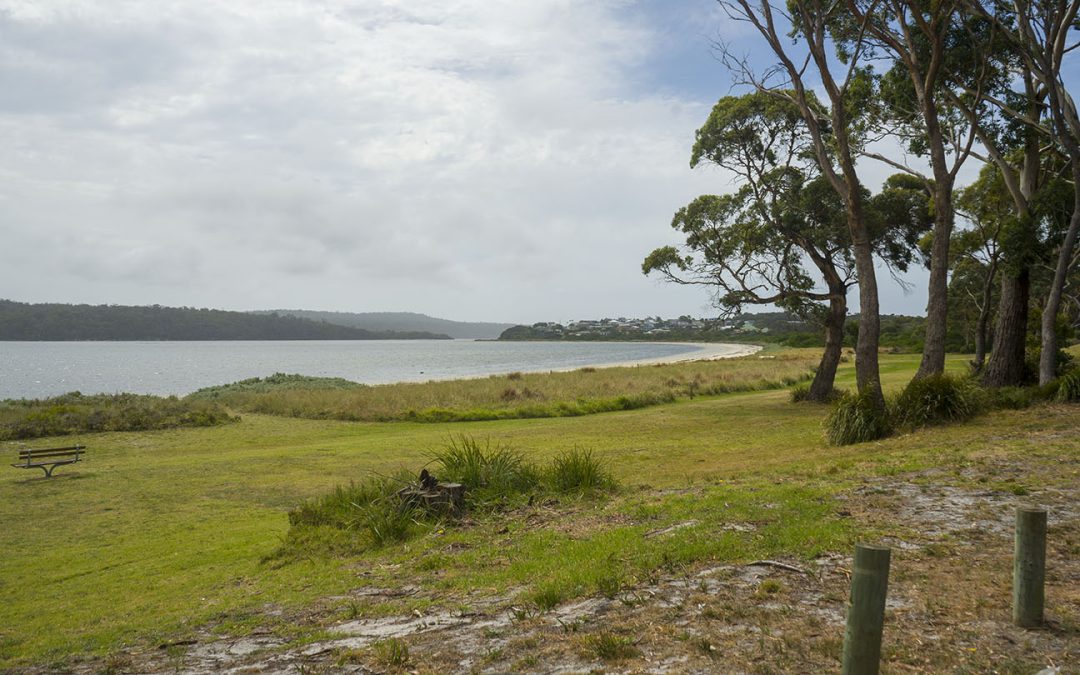
Stieglitz Beach is situated in Georges Bay on St Helens Point Road. A safe beach to swim at with good parking and facilities along its length.
A playground, toilets and BBQ facilities ideal for small kids. Great bird life, including pelicans and swans.
Stieglitz Beach was named after an early pioneer family named von Stieglitz who lived in the area in 1855.
by Mickey Jarvis | Feb 23, 2025 | Bay of Fires, East Coast
Near: Bay of Fires & St Helens: |Hazard Rating: 5/10 | Parking: Okay | Faces: East into Tasman Sea | Length: 1.5 km
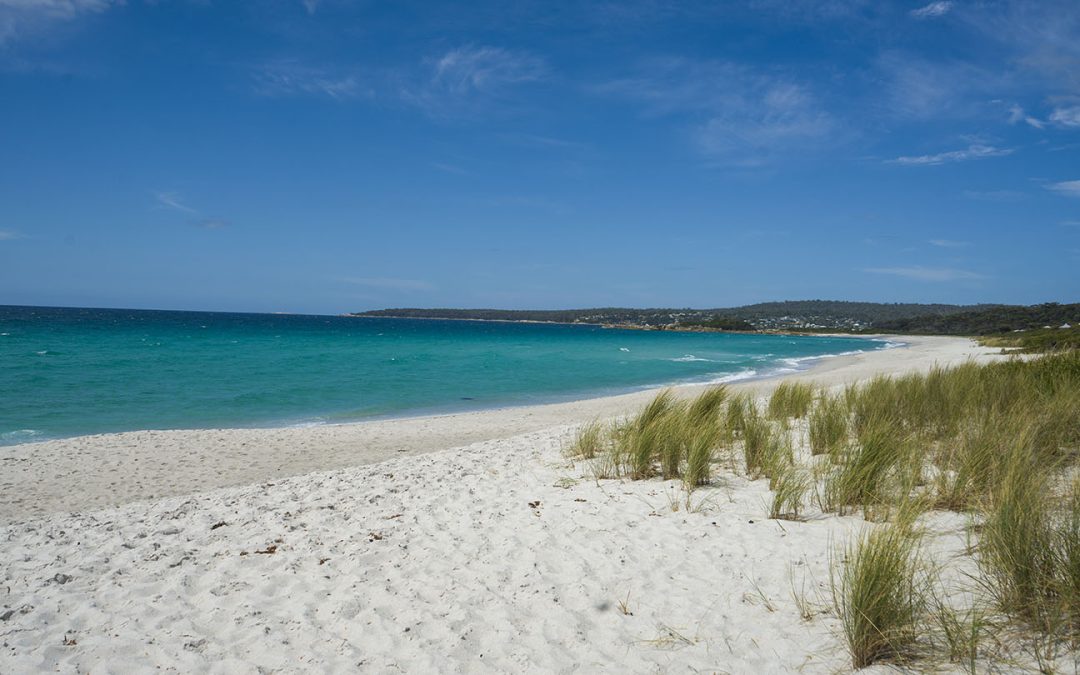
Swimcart Beach is a long sweeping beach north of St Helens & Binalong Bay and part of the Bay of Fires.
Pure white sand, beautiful crystal clear blue water and stunning rock formations often covered in a bright orange lichen.
Swimcart has north and south sections divided by Swimcart Lagoon which is often blocked from the sea.
- Swimcart North extends 250m South of Old Man Rocks to Swimcart Lagoon and
- Swimcart South goes south\south east for 1.2 km from Swimcart Lagoon to Round Hill Point.
A popular beach for camping, swimming, snorkeling and surf fishing. The beach sometimes has small surf with the occasional possibility of better waves. The beach can be potentially dangerous to swim at, so as usual, match you and your family’s swimming ability with the conditions.
There are great campsites for every type of vehicle – camper, caravan, motor home, tent etc… many sites are right on the beach. Camping is free with a maximum stay of 28 days. No water is available and fires are banned. The site is managed by Parks and Wildlife Service Tasmania.
Basic toilets including some wheelchair access. Entry is from two roads off Gardens Road, one to the south of the lagoon and the other to the north which shares its entry road with Cosy Corner.
Swimcart was named after an Aboriginal word that means ‘river with plenty of fish’.
`
by Mickey Jarvis | Feb 25, 2025 | Bay of Fires, East Coast
Near: Bay of Fires & St Helens| Hazard Rating: 6/10 | Parking: Fair | Faces: East Iinto Tasman Sea | Length: 3 km
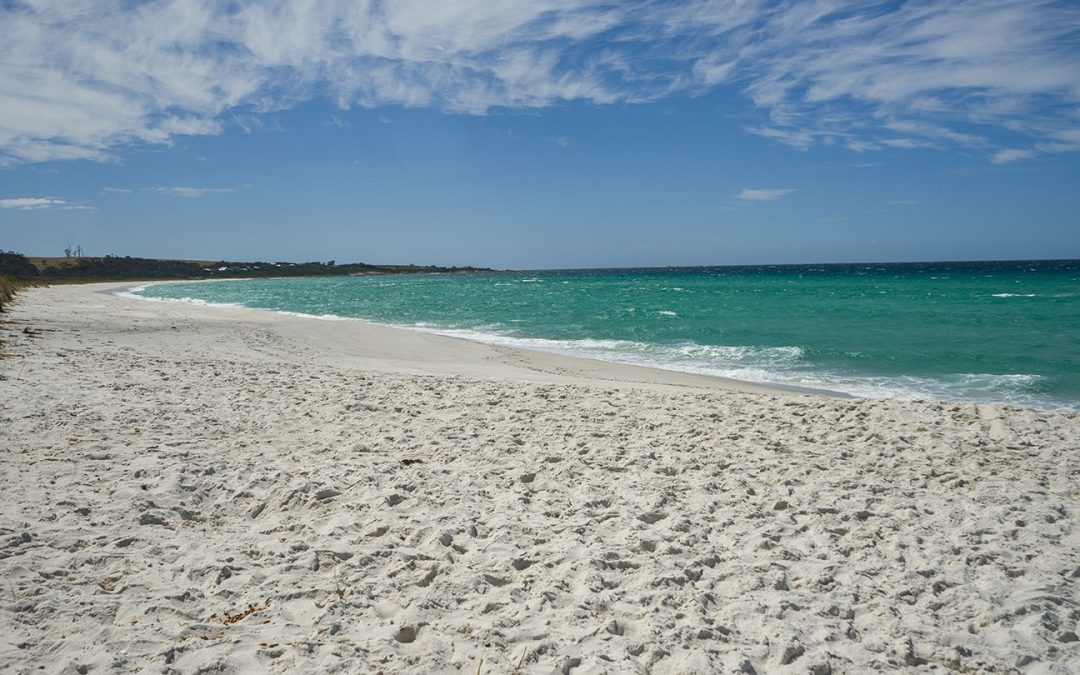
Taylors Beach is a spectacular sweeping beach north of St Helens in the Bay of Fires. Situated between the Gardens and Sloop Reef to the south.
Pure white sand and beautiful aquamarine water. The beach is exposed to waves from the east and usually has some surf and many rips. Swimming is only advised for proficient swimmers. Recommended for a ‘paddle’, long walk or surf fishing.
Access is by 7 main road turnouts along the beach, each with limited parking and a short walk to the beach. There is no camping.
Taylors Beach was originally named Big Lagoon Beach after the large lagoon behind the beach, it was later renamed Taylors Beach after a local resident. The Bay of Fires was named by Captain Tobias Furneaux as he sailed past in 1773, spotting Aboriginal fires lighting up the coastline.
by Mickey Jarvis | Feb 28, 2025 | Bicheno, East Coast
Near: Bicheno | From: Hobart: 180 km | Launceston: 160 km |
Hazard Rating: 2-3/10 | Parking: Good + close | Faces: N/NW into Waubs Bay and the Tasman Sea | Length: 250 m
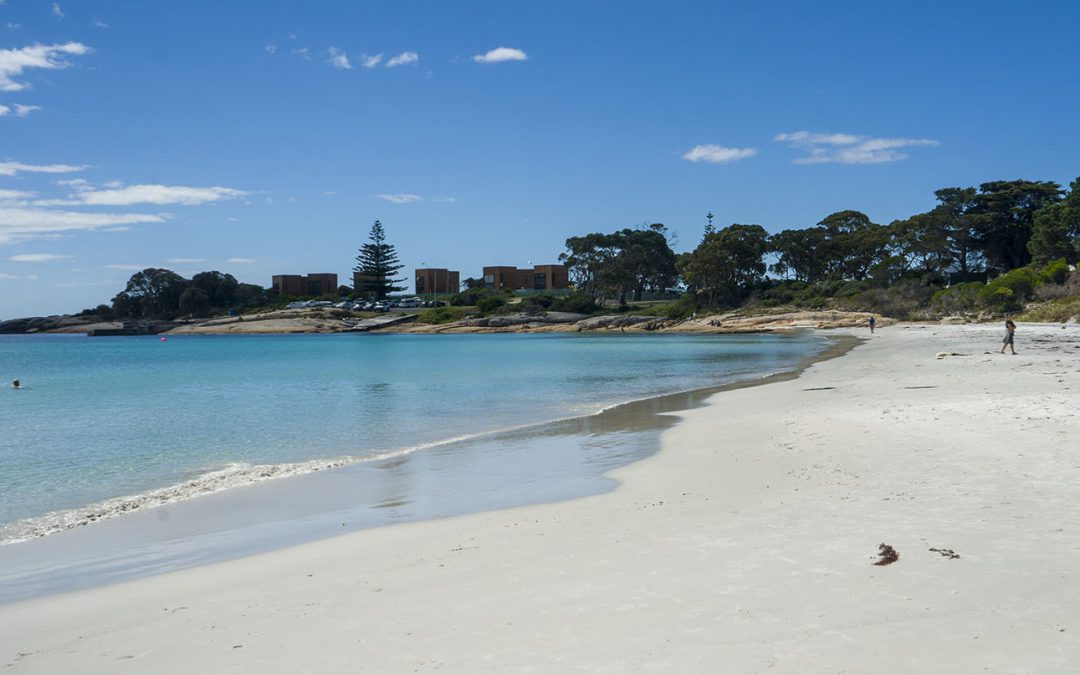
Waubs Beach Bicheno is a small beach in a protected bay with aqua-blue water and pristine white sand surrounded by beautiful coloured granite rocks.
An incredible beach that is ideal for kids and families.
A generally safe beach to swim at, with surf lifesavers often patrolling the beach on weekends. Also caters to the disabled – see Accessible Beaches.
Waubs Beach was named after a First Nations woman, Waubadebar, famous for having rescued two sealers from drowning after their boat overturned in rough seas in 1820 – she could swim, but they could not!